NYC Nightlife: What to Do in New York After Dark
New York after dark runs on three engines: the Theater District, the music rooms of Harlem and the Village, and a skyline that stays lit long after the offices empty. Here is how to work all three without overpaying.
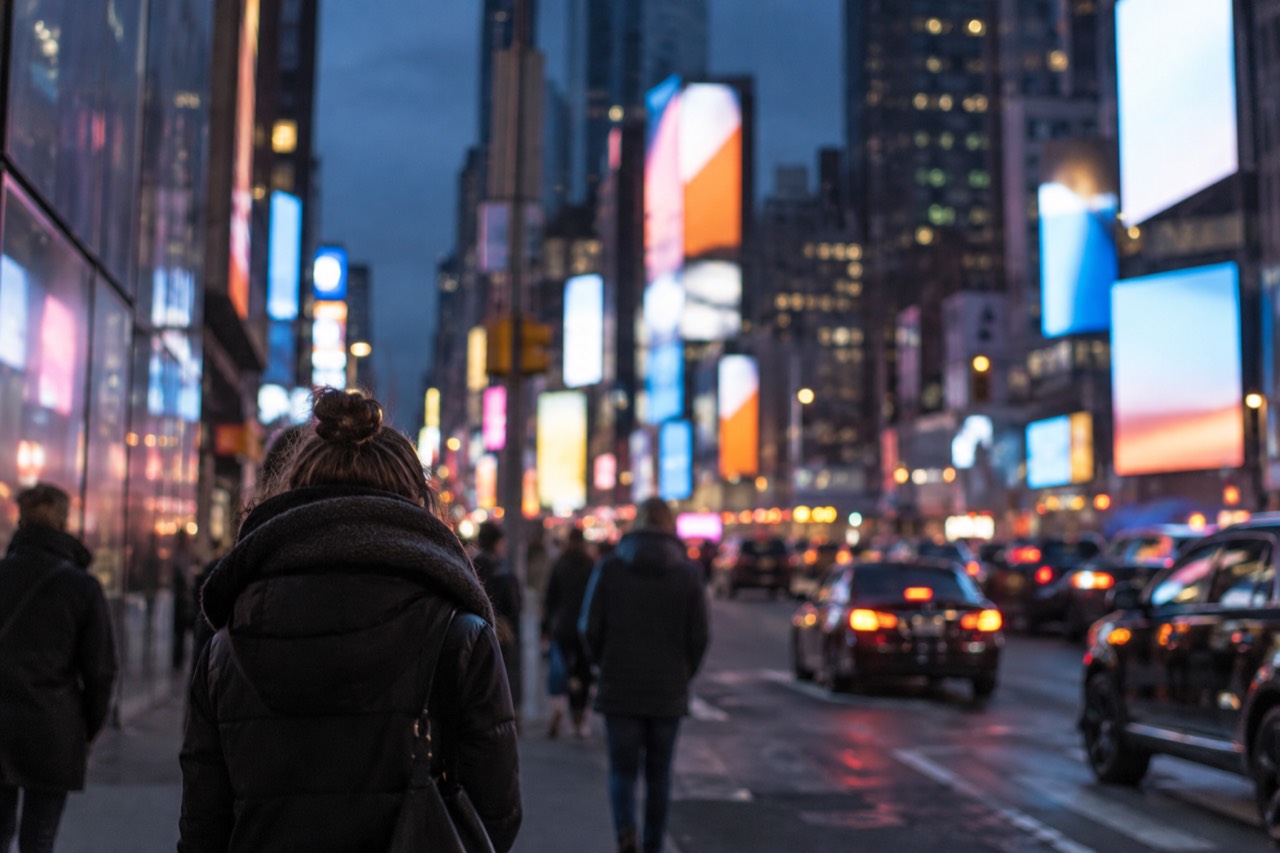
Short answer
NYC nightlife centers on Broadway shows, live jazz and comedy, rooftop bars and speakeasies, and nighttime skyline views. Same-day Broadway tickets come from the TKTS booth or digital lotteries, the subway runs 24 hours on a $3.00 tap, and the cheapest nights are built around one ticketed event plus free sights.
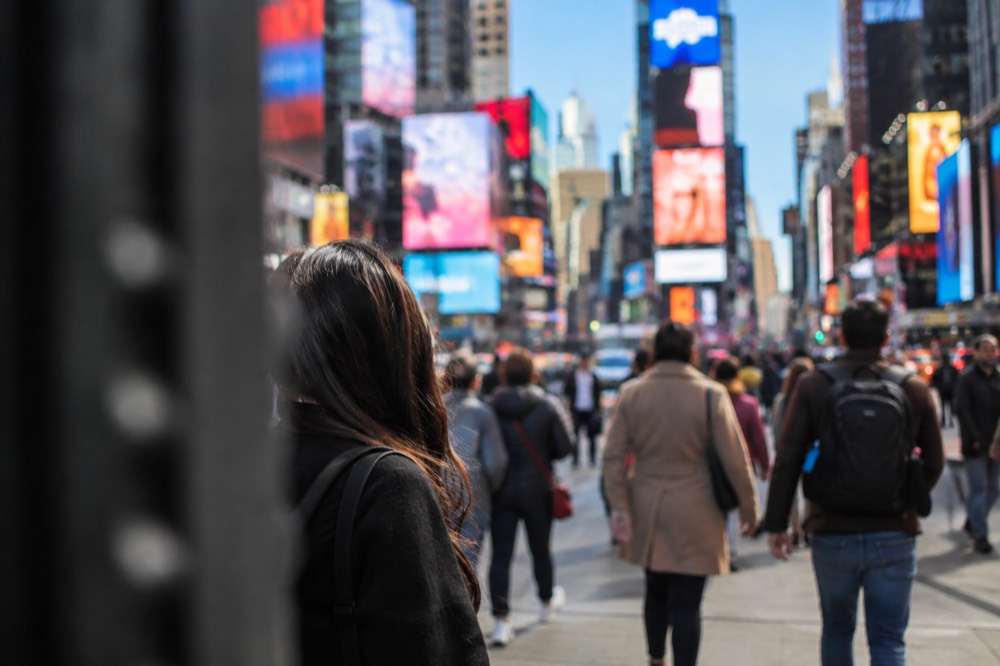
At 8pm on any given weeknight, roughly thirty-eight Broadway theaters are mid-performance, the TKTS booth under the red steps in Duffy Square has already closed for the day, and the bars of the Lower East Side are two hours from their peak. New York does not have a single nightlife district. It has a dozen, each with its own clock, its own dress code and its own price floor.
That sprawl is why so many visitors get it wrong. They buy full-price theater tickets on a Tuesday, stand in the wrong ticket line, or blow the budget on the first rooftop they find, then discover the subway home costs $3.00 and runs all night. This guide, from the editors behind New York City Travel Guide, walks through the whole arc of a New York evening: the show, the music, the drinks, the view and the ride home.
What Time Does NYC Nightlife Actually Start?
New York's evening runs later than most American cities, and it starts in waves. Broadway curtains rise between 7pm and 8pm, dinner reservations cluster from 7:30pm to 9pm, comedy shows begin around 8pm to 10pm, and the bar and club crowd does not peak until 11pm or midnight. Plan one anchor event per evening and let the hours around it fill themselves.
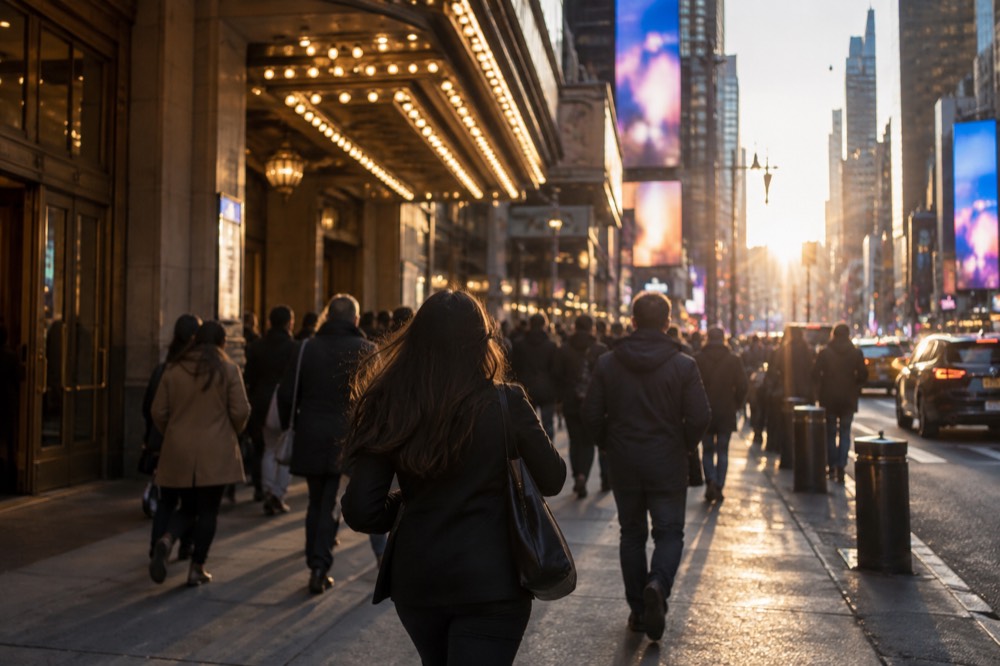
Late-night kitchens in the East Village and Koreatown serve until 2am or 4am, so nothing in New York forces an early finish. The wave structure matters for planning. If you hold tickets for an 8pm curtain, the show ends near 10:30pm, which leaves a full second act of the night: a late dessert, a comedy set, a rooftop nightcap. If instead you start with a 6pm dinner, you can be at a 9:30pm jazz set in Harlem and still catch the A train back downtown before 1am.
Weekends shift everything about an hour. The TKTS booth sells next-day matinees alongside same-day evening seats, so a Saturday matinee followed by an evening elsewhere is a real two-event day. Weeknights are the value play: the same rooms are less crowded, and the discount ticket channels work better.
One timing trap catches visitors repeatedly: last entry at the observation decks. Several Midtown decks stay open until midnight, but their final entry slots close well before that, and a post-show visit needs a timed ticket bought earlier in the day.
Broadway After Dark: The Anchor of a New York Night
A Broadway show is the single most popular paid nightlife activity in New York, with roughly thirty-eight theaters concentrated in a few blocks around Times Square. Typical musicals run two and a half to three hours including an intermission, curtains rise between 7pm and 8pm, and the walk from any theater to a post-show bar takes minutes. MJ the Musical, Wicked and The Lion King all play in the Theater District.
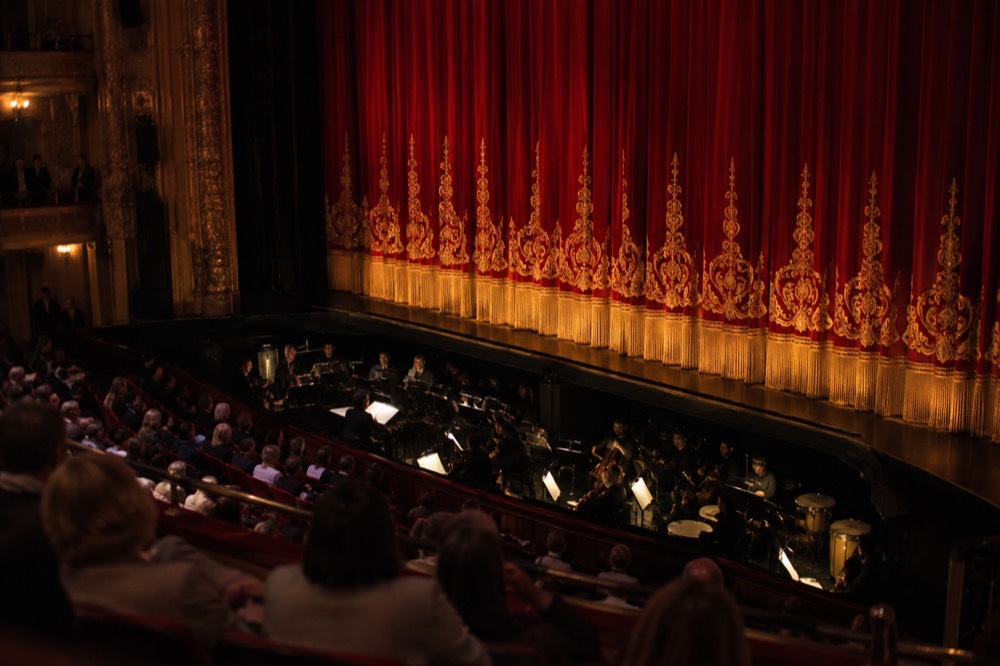
Seats are assigned at booking, so the earlier you commit, the better the tier you choose from. The roster on this site gives the practical numbers for the big three. MJ the Musical runs about two and a half hours at the Neil Simon Theatre, Wicked runs about two hours and forty-five minutes at the Gershwin, and The Lion King runs roughly two and a half hours with an intermission at the Minskoff. All three sit within a short walk of the 1, 2, 3, 7, N, Q, R and W trains at Times Sq-42 St, which is the busiest subway complex in the city by a wide margin.
| Show | Theater | Running time | Best for |
|---|---|---|---|
| MJ the Musical | Neil Simon Theatre, Theater District | About 2h 30m | Michael Jackson songbook, serious choreography |
| Wicked | Gershwin Theatre, Theater District | About 2h 45m | Big polished production, first-time theatergoers |
| The Lion King | Minskoff Theatre, Theater District | About 2h 30m with intermission | Families, staging and masks |
Choosing between them is mostly a question of audience. The Lion King lands with almost every crowd, including kids. Wicked rewards visitors who want a full-orchestra spectacle. MJ suits fans of the songbook and anyone who wants a jukebox musical with real choreography, though the volume and pacing can be a lot for very young children.
If a Broadway ticket anchors your evening, book it before you build anything else around it. Weekend seats in the good tiers move fastest, and the listings show the performance calendar and seat categories before you pay.
How Do You Get Cheap Broadway Tickets the Same Day?
The TKTS booth sells same-day Broadway tickets at 20 to 50 percent off face value, plus an $8 per-ticket service fee, from two locations: Duffy Square in Times Square and the David Rubenstein Atrium at Lincoln Center. Digital lotteries through Broadway Direct and Lucky Seat typically award seats in the $30 to $50 range, and many shows also run rush or standing-room policies set individually.
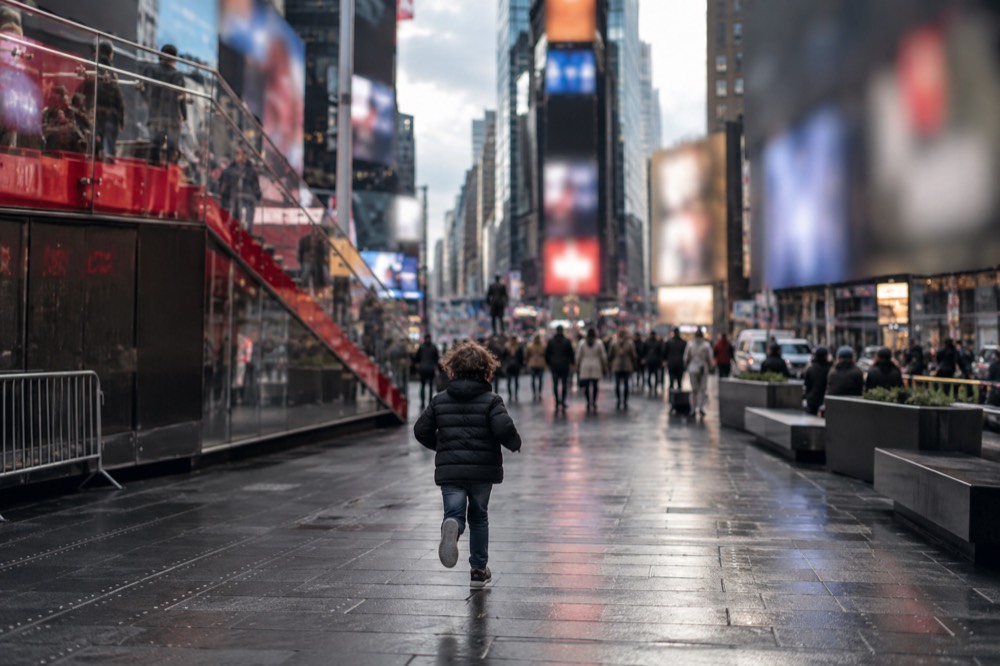
There is no longer a downtown or Brooklyn TKTS booth, despite what older guides claim. The mechanics are simpler than the mythology. Every ticket sold at TKTS is discounted; each show sets its own percentage each day, and the typical range runs from 20 to 50 percent off. Inventory covers same-day performances plus next-day matinees. The TKTS app and tdf.org/tktslive show the live queue of what is on the boards before you walk over, which saves a wasted trip on a thin Tuesday.
Lotteries cost nothing but patience. Entries usually open a day or several days ahead, sometimes day-of, and winners are notified by email or text shortly before the performance. The winning price is roughly $30 to $50 but varies widely by show, and it is not a fixed figure. Rush and standing room are set per show rather than standardized across Broadway, so check the individual production's own site.
| Channel | Discount or price | Timing | Catch |
|---|---|---|---|
| TKTS booth, Duffy Square | 20-50% off face, +$8 fee per ticket | Same-day and next-day matinee | Queue; popular shows sell out early |
| TKTS booth, Lincoln Center | Same discounts | Same-day and next-day matinee | More limited hours than Times Square |
| Digital lotteries (Broadway Direct, Lucky Seat) | Roughly $30-$50 | Enter days or hours ahead | Low odds, short notice |
| Rush / standing room | Commonly $30-$50, varies | Set per show | Not standardized; check each show |
For a fuller walkthrough of the booth, the lotteries and the math, read the site's guide to cheap Broadway tickets and the TKTS booth explainer.
Live Music After Dark: Jazz, Gospel and the Harlem Night
Harlem is the historic home of New York's jazz night, and it still delivers: guided jazz and blues tours run about four hours moving between venues tied to the neighborhood's musical past, and a Wednesday gospel concert offers the choir tradition without the Sunday-morning scheduling squeeze. Downtown, the Village's jazz basements and small rooms carry the after-midnight crowd.
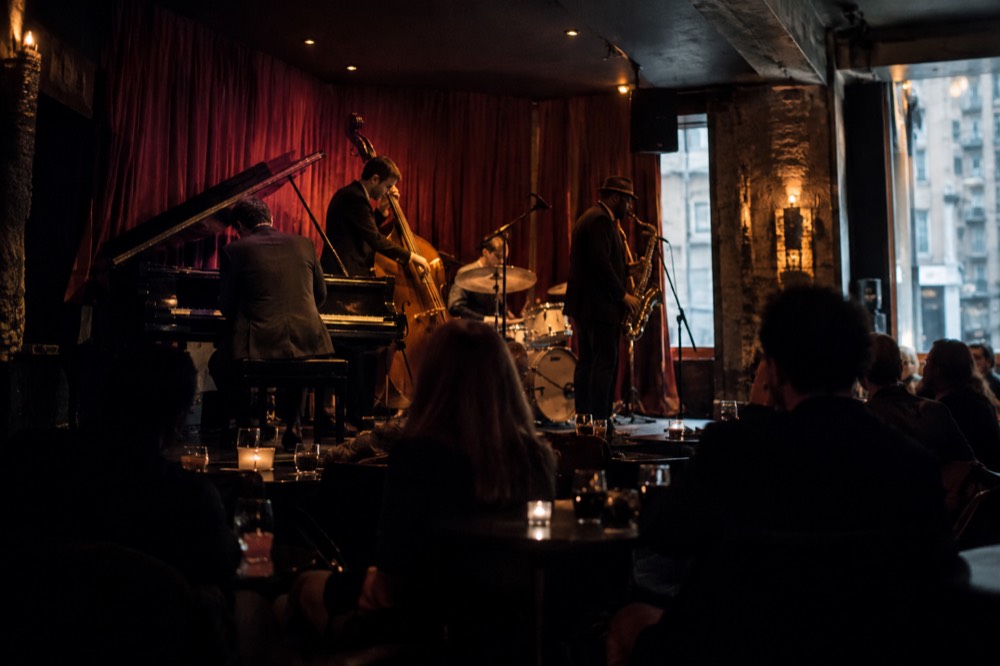
Expect to pay for the guide-led version, or find a cover charge and a drink minimum at most music rooms. Harlem's evening runs on its own schedule. The guided jazz and blues tour on this site's roster lasts about four hours, pairing a walk between historic venues with a live performance at the end, and it suits travelers who want the history explained rather than just a seat at a bar. The Harlem Hallelujah gospel concert, meanwhile, plays Wednesdays for about an hour, which makes it one of the easiest music commitments in the city to slot between other plans. It is not a substitute for a real Sunday service, but it is close in spirit and it books out.
Downtown, Greenwich Village keeps the jazz-basement tradition alive in the basements and back rooms around Washington Square. The crooked streets that made the neighborhood famous for music a century ago still hold small rooms with nightly sets. Cover charges and drink minimums are the norm rather than the exception, so budget for two lines on the check, not one.
For visitors who want the neighborhood's full story rather than only its music, the site's Harlem guide covers the Apollo, the Renaissance blocks and the food.
Comedy Clubs and Late Sets in Midtown
Stand-up comedy is one of the cheapest ticketed nights in New York, with showcase sets running about 90 minutes and rotating bills of working comics. The Broadway Comedy Club's all-star showcase on this site lists from $20 per person, but the real cost includes the two-drink minimum common at clubs like it, so budget for the bar as well as the door. Lineups rotate nightly, so you are betting on the room rather than a famous name.
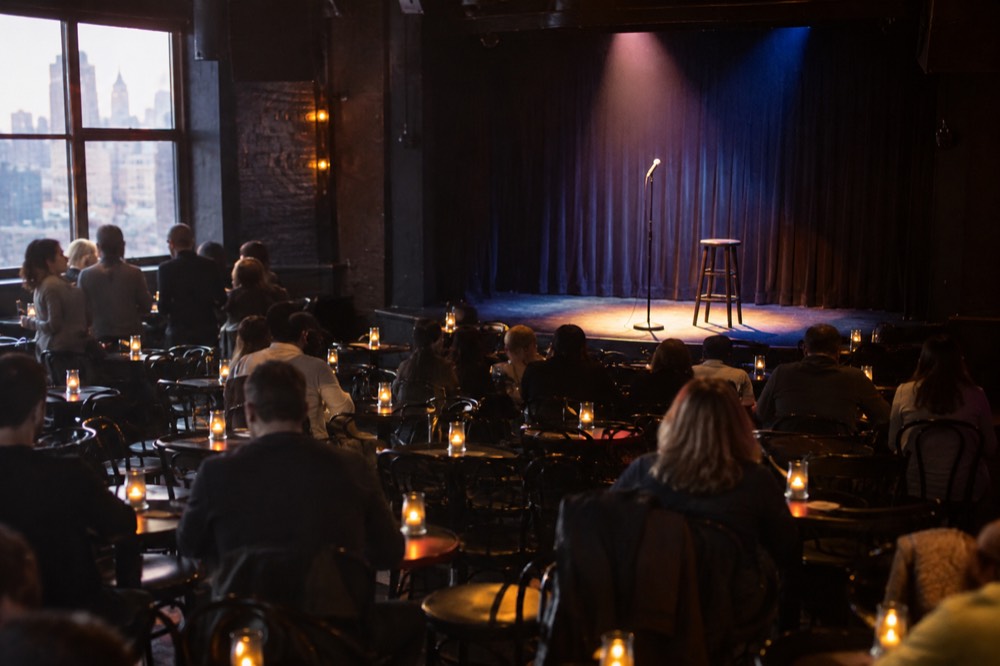
Comedy fits the New York evening because it is short and late. A 10pm set ends near midnight, which pairs perfectly with an earlier dinner or a sunset cruise. The Midtown rooms cluster within walking distance of the Theater District, so a post-Broadway set is a genuine two-show night rather than a logistical stretch.
Age restrictions apply at most clubs, and the current lineup appears on the live booking page rather than in any printed calendar. The honest pitch is variety: some nights are brilliant, some are uneven, and the price of admission is low enough that a bad set costs less than a bad entree.
Rooftop Bars, Speakeasies and the Drinking Map of the Five Boroughs
New York's drinking night splits into three distinct scenes: rooftop bars with skyline views, concentrated in Midtown, the Financial District and hotels; speakeasies behind unmarked doors, densest in the East Village and Lower East Side; and neighborhood bar strips in Williamsburg, the East Village and Astoria where the night runs latest. Cover charges are rare at bars, but rooftops often enforce dress codes and minimum spends on weekend nights.
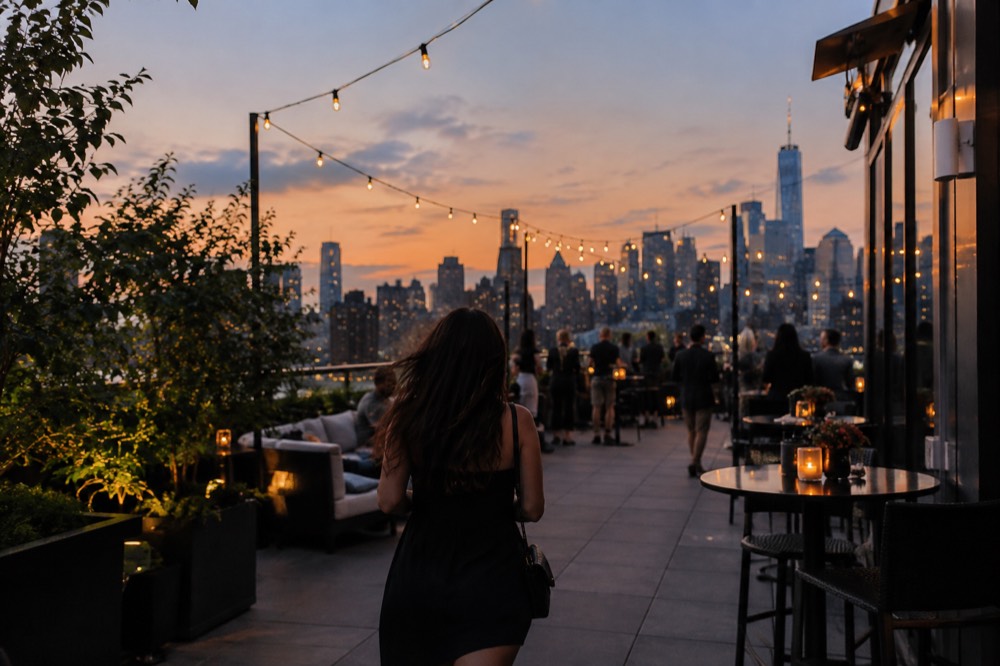
The best speakeasies take no reservations at all, which is part of their draw. The rooftop scene rewards planning: the best rooms fill by sunset in summer, and some hotel rooftops close their elevators to non-guests once the floor is full. Go at golden hour on a weekday, or accept a wait on a Friday. The site's rooftop bars guide ranks the rooms with the views worth the markup.
Speakeasies are the opposite game: no signage, no listing, sometimes no handle on the door. The best speakeasies guide covers which ones are findable and which ones need a heads-up. The East Village and Lower East Side hold the deepest cluster, and the walk between two of them passes some of the best late-night food blocks in the city.
Brooklyn owns the late crowd. Williamsburg's bars run later than most of Manhattan's, and the L train and the ferries make the crossing simple. For a fuller sense of the borough's evening geography, the things to do in Brooklyn guide maps the neighborhoods worth staying out for.
Nighttime Views: Decks, Cruises and the Skyline After Dark
The skyline does not switch off when the shows end. Top of the Rock and SUMMIT One Vanderbilt both stay open until midnight with last entries around 11pm, One World Observatory closes at 9pm, and a two-hour sunset harbor cruise from Midtown runs about $45 per person, drinking optional at the onboard bar. Timed entry is the rule at every deck, so buy the slot earlier in the day.
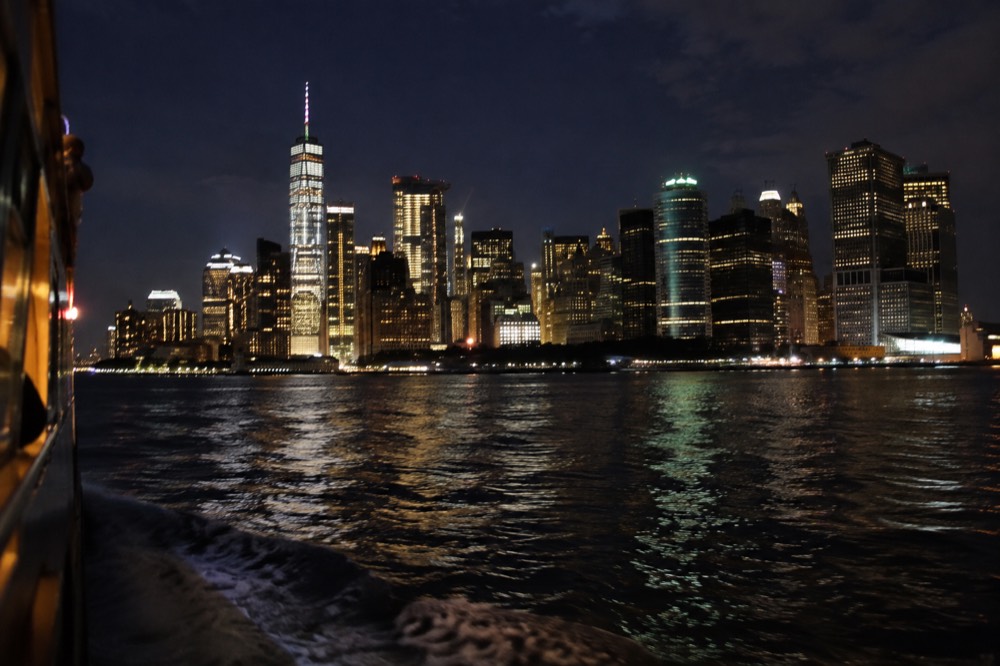
Do not walk up at 11pm expecting a ride to the top. The deck hours are verified and worth committing to memory. Top of the Rock runs daily 08:00-24:00 with last entry at 23:10, and SUMMIT One Vanderbilt runs daily 08:00-24:00 with last entry at 22:30. One World Observatory closes earliest, daily 09:00-21:00, so it belongs at the start of an evening, not the end. The Empire State Building's hours vary by date, so check the listing for your night.
| Night view | Hours | Last entry | Notes |
|---|---|---|---|
| Top of the Rock | Daily 08:00-24:00 | 23:10 | Frames the Empire State Building in the shot |
| SUMMIT One Vanderbilt | Daily 08:00-24:00 | 22:30 | Mirror rooms read best at night |
| One World Observatory | Daily 09:00-21:00 | Before 21:00 | Earliest closer; pair with early dinner |
| Sunset harbor lights cruise | About 2 hours, evening departure | Arrive early for a rail spot | From $45, onboard bar |
The cruise is the sleeper pick of the night list. The two-hour harbor lights run loops past the Statue of Liberty, the Brooklyn Bridge and the Lower Manhattan skyline as the city switches on its evening lights, and it costs less than half a deck ticket while serving drinks. Choose it over a deck when your priority is atmosphere over altitude.
The site's things to do in NYC at night guide extends this list, and the observation decks comparison breaks down the daytime-versus-night question deck by deck.
Getting Home at 3am: The Subway, OMNY and the Late-Night Rules
The New York subway runs 24 hours a day, every day, and a single ride costs $3.00 with a tap of a contactless card or phone through OMNY. Tapping the same card or device every time earns an automatic weekly cap of $35, after which subway and local bus rides are free for the rest of the seven-day window.
The MetroCard no longer exists as a purchasable product, so ignore any guide telling you to buy a 7-day unlimited.
The one rule that breaks the cap silently is mixing payment methods, so pick one card or one phone wallet and stick to it. The fare system is the part of nightlife planning visitors most often get wrong, because the advice floating around the web is stale. As of 1 January 2026 the MTA no longer sells or refills MetroCards at all. The replacement is automatic: tap the same card or device for every ride, and once your fares add up to $35 inside a rolling seven-day window, the rest of that period is free. No pass to buy, no decision to make.
Late-night service differs from the daytime map. Trains run less often, some lines run local overnight, and weekend work can reroute a line you rode that afternoon. The MTA's own trip planner and the posted service-change notices at station entrances are the live sources; a paper map from a hotel rack is not.
Taxis and rideshares fill the gaps, and they are worth knowing about for the 3am hour when a train is 20 minutes away. But for a full night out across Manhattan and Brooklyn, the honest arithmetic favors the subway: eight rides across a week cap out at $35 total, less than a single midtown taxi ride with tip.
Common Questions About NYC Nightlife
The questions below cover the practical edges of a New York night: what to wear, what things cost, how late the city runs, which nights are best, and how to get home. The short version: dress codes matter only at rooftops and nicer speakeasies, the subway runs all night on a $3.00 tap, weeknights beat weekends for both ticket prices and crowds, and the city's latest kitchens serve until 4am.
Read the specific answers for the details that save money.
What should you wear for a night out in NYC?
Broadway theaters have no dress code; you will see everything from suits to sneakers. Rooftop bars are the main exception, and many enforce a smart-casual standard on weekend nights, along with occasional minimum spends for table seating. Comedy clubs and jazz rooms are strictly come-as-you-are. Check the venue's own page for the rooftop you have in mind.
How late does NYC nightlife go?
Later than almost anywhere in the country. Broadway curtains fall around 10:30pm, comedy sets run to midnight, and bar crowds peak at 11pm. Bars stop serving alcohol at 4am under New York state law, and late-night kitchens in the East Village and Koreatown keep serving into the early hours. The subway matches the schedule, running 24 hours.
What is the cheapest night out in NYC?
One discount anchor plus free sights. A $20 comedy ticket with a two-drink minimum, or a $30-$50 lottery seat for a Broadway show, paired with a free walk across the Brooklyn Bridge promenade or a Staten Island Ferry ride for the skyline, keeps the whole evening under $60 before food.
Which night of the week is best for NYC nightlife?
Tuesday through Thursday for value and space: TKTS percentages are similar but queues are shorter, bar crowds are thinner, and rooftop waits shrink. Friday and Saturday for volume and atmosphere, at the cost of lines and higher drink floors. Sunday is the quiet night, and the one with the gospel tradition in Harlem.
Is it safe to take the subway late at night?
The subway runs all night and millions of rides complete without incident, but late-night ridership is thinner and waits are longer, so the practical advice is to ride in the conductor's car, stay aware of your surroundings, and check the MTA's live service notices before you descend. Rideshares are a reasonable fallback at 3am if the wait stretches.
Do you need to book NYC nightlife in advance?
Only the ticketed parts. Broadway seats, the popular jazz tours and the gospel Wednesday concert all benefit from booking ahead, and deck timed-entry slots should be bought earlier the same day. Bars, speakeasies and comedy clubs mostly take walk-ups, though the best speakeasies reward knowing the door.