Is Rochester, New York Worth Visiting? An Honest Answer
A direct, sourced answer to whether Rochester, New York is worth visiting: what the city offers, how far it is from NYC, when to go, and who should skip it.
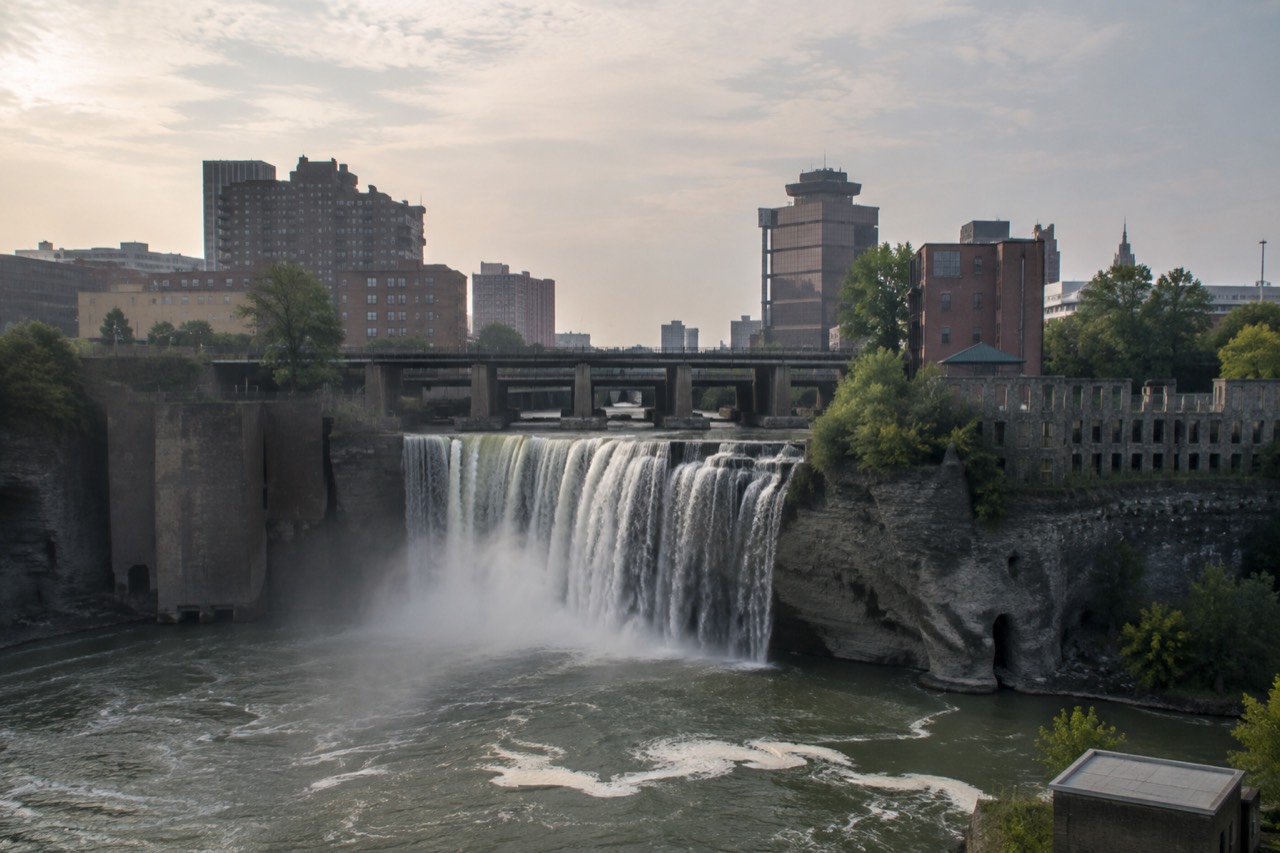
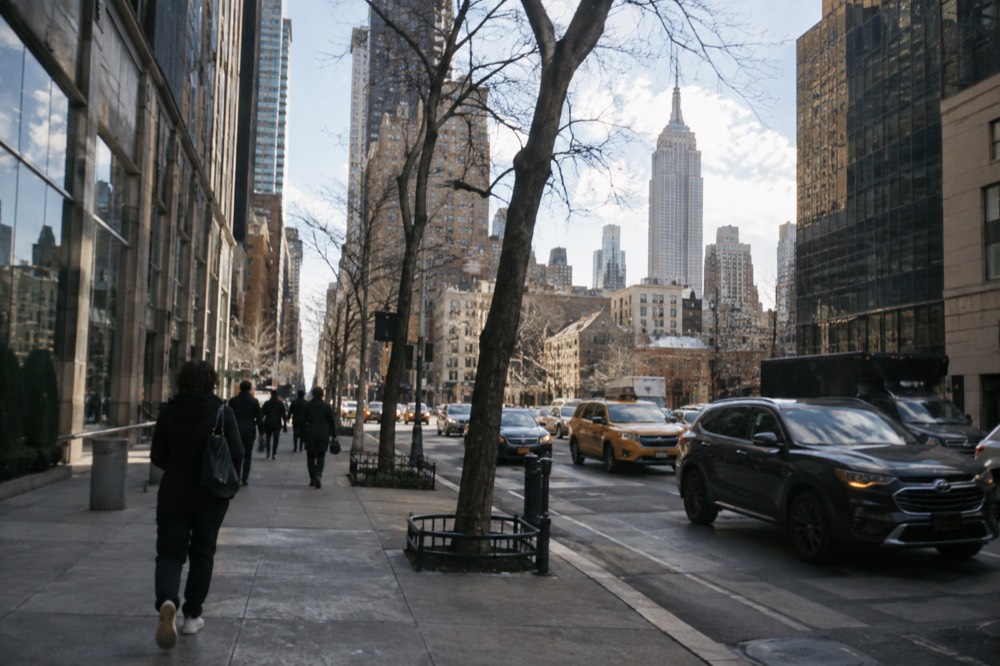
Rochester sits in western New York State, on the Genesee River where it drops over a series of waterfalls into Lake Ontario. It is the third-largest city in New York State, and yet most travel coverage of the state stops at Manhattan and jumps straight to Niagara Falls. That gap is exactly why the question deserves a straight answer rather than a brochure. Rochester is not a mini-Manhattan and should not be judged as one. It is a museum city with a serious food tradition, a waterfall in its downtown core, and prices that feel like a different country compared to Midtown.
This page answers the question directly, then earns the rest: what Rochester actually offers, how to get there from New York City, what it costs, when to go, and, just as important, who should skip it. If the trip starts or ends in New York City itself, the New York City Travel Guide homepage maps out the Manhattan side of the itinerary, and the things to do in NYC page covers the headliners there.
Is Rochester, New York Worth Visiting?
Yes, Rochester is worth visiting if you care about museums, photography, food, or upstate history, and it is one of the best-value city breaks in New York State. The George Eastman Museum and the Strong National Museum of Play are genuinely world-class, downtown has a waterfall you can walk to, and prices run far below Manhattan's.
It is not worth visiting if you want skyscrapers or a packed week of sightseeing, because Rochester rewards two or three unhurried days, not seven.
That is the honest shape of it. Rochester's strength is concentration: a handful of excellent institutions, a walkable downtown core split by the Genesee River, and neighborhoods like Park Avenue and the South Wedge that reward wandering. Its weakness is scale. This is a mid-sized American city in a metro of around a million people, and it does not pretend otherwise. Visitors who arrive expecting a condensed New York City leave disappointed. Visitors who arrive expecting a smart, affordable, mid-sized city with an outsized museum scene leave planning a return trip.
The city's identity was forged by two things: the Erie Canal, which made Rochester a boomtown in the 19th century, and Eastman Kodak, which made it the world capital of photography for most of the 20th. Both legacies are visible today. The canal runs through the city's suburbs, and the Kodak story is told at the museum built from George Eastman's own mansion. Rochester also calls itself the birthplace of a distinctive food tradition thanks to the Garbage Plate, a pile of home fries, macaroni salad, meat and sauce that began as a late-night plate for factory workers and is now the city's signature dish.
For travelers pairing Rochester with a New York City leg of the trip, the contrast is the point. Manhattan gives you density and spectacle; Rochester gives you room, value and a slower pace. Doing both in one New York State itinerary is more interesting than either alone.
What Does Rochester Have That Other Cities Do Not?
Rochester's unique draws are the George Eastman Museum, the world's oldest museum dedicated to photography and film, housed in the founder of Kodak's mansion; the Strong National Museum of Play, the only collections-based museum anywhere devoted to the history of play, which holds the National Toy Hall of Fame; and High Falls, a waterfall inside the downtown core. No other mid-sized American city has that combination, and all three sit within a short drive of one another.
The Eastman Museum is the reason many photography lovers cross an ocean. The house itself, with its restored interiors and pipe organ recitals, tells the story of the man who put a camera in every household, and the galleries and archives behind it hold one of the great photography collections in the world. You do not need to be a photographer to enjoy it, but photographers plan entire trips around it.
The Strong is the opposite problem: families arrive for a couple of hours and struggle to leave. It is part serious museum, part indoor playground, with the National Toy Hall of Fame as its centerpiece and exhibits on video games, dollhouses and television history alongside hands-on spaces for small children. If the trip includes kids, the Strong alone can justify the drive from New York City, and it is fully indoors, which matters in a city where February typically brings heavy snow.
High Falls is the downtown surprise. The Genesee River drops through a red-brick gorge in the middle of the city, and the falls are viewable from a pedestrian bridge and surrounding park. Around them sit the remains of the flour mills and industrial buildings that made Rochester rich before photography did. It is not Niagara, and anyone who expects Niagara will be let down, but a waterfall within walking distance of downtown hotels is a real thing that very few cities have.
Beyond the big three, Rochester rewards a slower second day. The Rochester Public Market is a century-old institution open several days a week, part farmers market, part food hall. The Memorial Art Gallery has a small but serious collection spanning five thousand years. Highland Park holds the city's famous lilac collection, and the annual Lilac Festival in May draws huge crowds to it. Cobbs Hill and Durand Eastman parks give the city green space and lake access that Manhattan simply cannot match at the same price.

How Far Is Rochester from New York City?
Rochester is a long haul from New York City: roughly a six-hour drive via the I-90 Thruway, or about seven hours on an Amtrak Empire Service train from Moynihan Train Hall to Rochester station. Flying from LaGuardia takes about an hour and a half in the air, but with airport time the door-to-door total is closer to four hours.
Rochester is therefore a stop on a New York State itinerary, not a casual day trip from Manhattan.
That distance is the single fact that decides whether Rochester belongs on your trip. It is too far for a there-and-back day from New York City, and any guide that tells you otherwise is guessing. But it sits almost exactly on the natural route between New York City and Niagara Falls, and that is how most travelers should use it: an overnight stop that breaks the drive, or a two-night base in a wider upstate loop that can include the Finger Lakes, which begin about an hour to the southeast.
| Option | Rough time | What to know |
|---|---|---|
| Drive (I-90 Thruway) | About 6 hours | Tolls apply each way; the Thruway is the standard route, flat and fast |
| Amtrak Empire Service | About 7 hours | Departs Moynihan Train Hall; Rochester station is downtown, no car needed on arrival |
| Fly LGA to ROC | About 1.5 hours in the air | Add airport time both ends; Rochester's airport is small and quick to exit |
| Drive from Niagara Falls | About 1.5 hours | Makes Rochester a natural stop on a falls itinerary |
The train deserves more consideration than it usually gets. Amtrak's Empire Service runs along the Hudson and then west across the state, and the Rochester station sits in the downtown core, so a visitor without a car can still reach the Eastman Museum, the Strong and High Falls by bus, rideshare or a short taxi. The drive is faster and more flexible, especially for reaching the Finger Lakes, but parking and winter weather are real considerations from November through March.
Is Rochester a Good Day Trip from New York City?
No, Rochester is not a realistic day trip from New York City, because the drive alone is about six hours each way and the train about seven. A day trip would give you roughly two hours in the city. Rochester works as an overnight stop, a two-night stay, or a leg of a wider upstate loop that includes Niagara Falls, the Finger Lakes or Buffalo. Travelers with only one free day should pick a closer destination instead.
The honest comparison is with the destinations covered in the day trips from NYC guide, which are reachable in one to three hours. Rochester belongs to a different category: the upstate overnight. The good news is that the overnight version is excellent value. A downtown Rochester hotel on a weekend typically costs a fraction of a Midtown Manhattan room, and the city's restaurant scene, from the Public Market to the Park Avenue strip, prices like a college town rather than a tourist city.
If Rochester is on the list because the wider trip includes Niagara Falls, the geography works in your favor. Rochester sits about 90 minutes east of the falls, and the Niagara Falls from NYC route is a very long day by coach. Splitting that journey with a Rochester night converts a brutal itinerary into a comfortable one. The same logic applies in reverse for travelers arriving in Rochester by air and finishing in Manhattan.
For travelers who want the New York City portion of the trip to carry the weight, the city has no shortage of organized options, and the pairing below is a good fit for a first visit that ends with the drive upstate.
What Is There to Do in Rochester Beyond the Museums?
Rochester's non-museum attractions center on the Genesee River, which cuts through downtown and drops over three waterfalls inside the city limits, and on food, with the Garbage Plate as the signature dish and a century-old public market as the anchor institution. Add Highland Park's lilac collection, the Erie Canal's towpaths in the nearby suburbs, and Lake Ontario's beach parks, and Rochester fills two or three days comfortably without a single gallery.
The Garbage Plate deserves its own sentence, because it is the one Rochester thing every visitor asks about. It originated at a restaurant in the city and is now served in diners across the region: a base of home fries and macaroni salad, a choice of meat, mustard, hot sauce, onions and bread on the side. It is late-night food, it is enormous, and eating one is a genuine Rochester rite of passage rather than a tourist trap. Order it once, split it if you can, and do not schedule anything ambitious afterward.
| Rochester activity | Type | Best for |
|---|---|---|
| High Falls and the pedestrian bridge | Free outdoor sight | Anyone downtown with an hour |
| Rochester Public Market | Food market | Breakfast, produce, people-watching |
| Lilac Festival at Highland Park | Seasonal festival, May | Spring visitors; free to enter |
| Erie Canal towpath walks | Cycling and walking | Families, casual riders |
| Cobbs Hill and Durand Eastman parks | Lake and green space | Picnics, lake views, free afternoons |
| Park Avenue neighborhood | Shops and restaurants | Dinners, coffee, slow mornings |
The city also carries a serious cultural calendar. The Rochester International Jazz Festival fills the East End every June, the Lilac Festival takes over Highland Park in May, and the fringe festival arrives in early autumn. If your dates are flexible, aligning the trip with one of these changes the character of the visit entirely: festival weeks turn Rochester into a walking city with street food and crowds, while ordinary weeks give you the museums nearly to yourself.
When Is the Best Time to Visit Rochester?
Late May through early October is the best window to visit Rochester, with May standing out for the Lilac Festival and summer for lake weather, festivals and canal walks. Winter is the honest weak point: Rochester sits in one of the snowiest regions of the country, and lake-effect snow makes December through March a gamble for anyone on a tight schedule. Winter visitors should build indoor days around the museums and check conditions the day before driving.
The lake-effect point is not a cliché, it is the region's defining climate fact. Rochester sits on Lake Ontario's southern shore, and when cold air crosses the unfrozen lake it dumps snow on the cities east of it. Rochester and its neighbors live with this every winter, and it is why the museums, the market and the food scene matter so much to locals: half the year is indoor weather. A February visitor who plans around the Strong, the Eastman Museum and long dinners will have a good trip. A February visitor who plans around parks and scenic drives may not.
Summer flips the equation. The lake moderates the heat, the parks and beaches around Irondequoit Bay and Durand Eastman come into their own, and the festival calendar runs at full speed. Fall adds the foliage of the nearby Finger Lakes, which begin about an hour's drive southeast and make an excellent Rochester add-on for travelers with a car.
How Much Does a Rochester Trip Cost?
Rochester is one of the most affordable city breaks in New York State: expect mid-range hotels to run well below comparable Manhattan rooms, museum admissions typically in the tens of dollars rather than the hundreds, and restaurant meals that price like a college town rather than a tourist city. A two-night Rochester stay with a rental car, two museums and restaurant meals will usually cost less than a single night in a Midtown Manhattan hotel.
The honest way to present the numbers is as planning ranges, since hotel rates shift by season and museum prices are set by each venue. Check the venue's own site before budgeting, but use these shapes:
| Expense | Planning range | Notes |
|---|---|---|
| Hotel, mid-range downtown | Roughly half or less of a comparable Manhattan room | Rates rise during festival weeks and college move-in |
| Museum admission | Typically under $30 per adult | The Strong and the Eastman Museum each set their own prices; check their sites |
| Meals | Diner to mid-range pricing | A Garbage Plate is one of the cheapest signature dishes in America |
| Car rental | Modest by big-city standards | Worth it for the Finger Lakes; skip it if staying downtown and taking the train |
| Fuel and Thruway tolls | Budget for both, each way | Tolls apply on the I-90 route from New York City |
The comparison with New York City is where Rochester's value becomes obvious. A traveler who spends four nights in Manhattan and two in Rochester gets two very different trips for the price of one expensive one. And if the Manhattan portion is built around the classic sightseeing circuit, a bundled pass can shave the attraction costs further, which matters when the same budget also has to cover a rental car upstate. Budget travelers should also read the NYC on a budget guide for the city leg of the trip.
Who Should Skip Rochester?
Travelers whose New York trip is short, Manhattan-focused and unlikely to repeat should skip Rochester, because six hours of travel each way buys time that two extra days in the city would use better. Rochester also does not suit visitors who want skyline spectacle, high-end shopping or Broadway-scale nightlife, because none of those are what the city is.
It rewards museum lovers, families, food travelers, photographers and anyone driving between New York City and Niagara Falls with a night to spare.
The clearest test is the length of the trip. With three days in New York total, Rochester is a distraction. With a week or more, or with a car and a falls itinerary already planned, Rochester converts dead travel hours into a real destination. Families with children are the strongest fit of all, because the Strong is one of the best children's museums in the country and the whole city prices accordingly.
Photography enthusiasts are the other obvious yes. The Eastman Museum's collection and archive are a destination in themselves, and the city's Kodak history gives the visit a narrative that no other place can offer. For that audience, Rochester is not a stop on the way to Niagara Falls; Niagara Falls is the stop on the way to Rochester.
Common Questions About Visiting Rochester, New York
Most questions about Rochester come down to distance, cost and the museums, and the answers are consistent: it is too far for a day trip from New York City but excellent as an overnight, it costs far less than Manhattan, and the Eastman Museum and the Strong are both worth the journey on their own. The questions below cover the specifics travelers ask most often.
is rochester, new york worth visiting?
Yes, if you value museums, food and affordability. Rochester has the world's oldest photography museum, a national museum of play with the Toy Hall of Fame, and a waterfall downtown, all at prices far below Manhattan's. Skip it if your trip is short or if you want skyscrapers and Broadway-scale nightlife.
How far is Rochester from New York City?
It is a long haul: roughly a six-hour drive on the I-90 Thruway or about seven hours by Amtrak from Moynihan Train Hall. Flying from LaGuardia takes about an hour and a half in the air. It is an overnight destination, not a day trip.
What is Rochester famous for?
Photography, through George Eastman and Kodak; the Strong National Museum of Play and its National Toy Hall of Fame; the Lilac Festival in Highland Park each May; the Garbage Plate; and the waterfalls of the Genesee River, including High Falls in the downtown core.
Is Rochester close to Niagara Falls?
Yes, about 90 minutes east by car, which makes Rochester a natural overnight stop on a New York City to Niagara Falls itinerary.
Do you need a car in Rochester?
Not for the downtown core if you arrive by train: the Eastman Museum, the Strong and High Falls are all reachable by bus, rideshare or a short taxi. A car is worth renting for the Finger Lakes, the lake parks and the Erie Canal towpaths.
When should you not visit Rochester?
December through March, unless the plan is built around indoor museums. Rochester sits in lake-effect snow country, and winter weather can disrupt drives and scenic plans with little warning.
The final word is a practical one. Rochester is worth visiting precisely because it is not trying to be New York City. It is a confident mid-sized city with two museums of national standing, a food identity of its own and a river running through the middle of it. Pair it with Manhattan and Niagara Falls on a single New York State itinerary and you get three versions of the same state in one trip: the vertical city, the museum city and the natural wonder. Two or three days in Rochester is the right dose, and it is a dose most travelers can afford.