Things to Do in NYC: What Is Actually Worth Your Time
New York City has more things to do than any visitor has hours, so the honest guide is not a list of everything. It is a comparison of what is worth your money and what is not, organised by the kind of day you actually want.
Short answer
The best things to do in NYC for most first-time visitors are an observation deck (SUMMIT One Vanderbilt or Top of the Rock), the Statue of Liberty and Ellis Island ferry, one major museum such as the Met or MoMA, a food tour through Chinatown and Little Italy, and a walk across the Brooklyn Bridge. A 5-attraction CityPASS at $149 covers several of these at a discount if you use all five.
New York City welcomed 65 million visitors in 2025, and every one of them arrived to a city with five observation decks, more than a hundred museums, two islands run by the National Park Service, and a subway system that no longer sells the pass most guidebooks still recommend. The problem is not finding things to do in NYC. It is choosing between them when ticket prices range from free to $309 for a helicopter flight over the island.
This page is the site's comparison-first answer. Rather than a list of two hundred attractions, it groups the city by the kind of day you want: the view, the museum, the water, the neighborhood walk, the free afternoon, and the escape from Manhattan entirely. Every price below comes from verified research or the live listings, and where a figure is dynamic, it says so.
What Are the Best Things to Do in NYC Overall?
The five things that reward almost every visitor are an observation deck, the Statue of Liberty and Ellis Island ferry, one major museum, a guided food or neighborhood walk, and the Brooklyn Bridge on foot. Those five fill three days on their own. A New York CityPASS at $149 for adults covers five attractions from an eleven-attraction menu over nine consecutive days, and it pays off only if you use all five tickets.
The honest first decision is pace. New York punishes the eight-attraction day. The subway is fast, but the security lines, timed entry slots and sheer size of the major sights mean two big bookings per day is a realistic maximum, with one neighborhood walk or park in between.
For orientation, the complete things to do in NYC hub on this site breaks every option out by borough, budget and season, and the one day in NYC itinerary is the tighter version if your time is short. The table below is the shortlist the rest of this page expands on.
| Experience | Ballpark adult price | Time needed | Best for |
|---|---|---|---|
| Observation deck (any of five) | $45-$48 from price via listings | 1-2 hours | The skyline photo |
| Statue of Liberty and Ellis Island ferry | $26.00 official ferry | 3-5 hours | History and the harbor |
| The Metropolitan Museum of Art | $30 | Half a day | Art at world scale |
| MoMA | $30 | 2-3 hours | Modern art highlights |
| Brooklyn Bridge on foot | Free | 1 hour each way | The classic walk |
| Chinatown and Little Italy food tour | From $99 | 3 hours | Eating your way downtown |
| Central Park walk | Free | Open-ended | The breather between sights |
Things to Do in NYC for the Best Views: Which Deck?
Three of New York's five observation decks, the Empire State Building, SUMMIT One Vanderbilt and Edge, list from the same starting price of $47.91, so the choice between them is about the view, not the cost. One World Observatory lists from $30.49, roughly $17 cheaper than the other three, and Top of the Rock lists from $45.73. All five use timed entry and dynamic pricing.
That price parity is the single most useful thing to know before booking, because most guides still pretend the decks compete on price. They barely do. The real differences are what sits in your frame and what the deck itself is like.
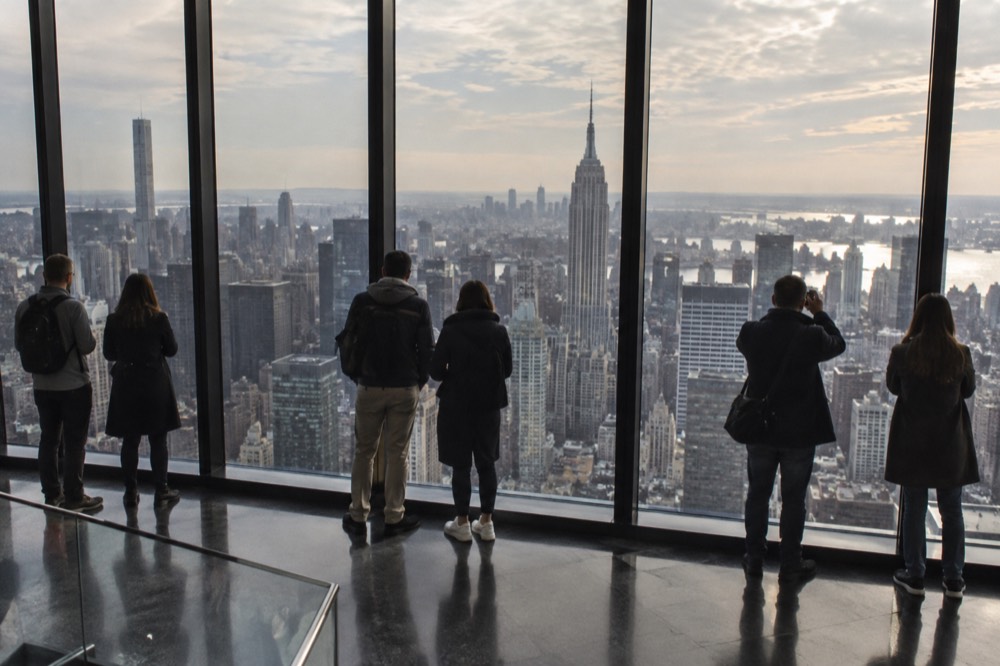
The Empire State Building gives you the open-air 86th floor and the building itself in the skyline's imagination, though not in your photo. Top of the Rock is the only classic deck that puts the Empire State Building in your frame, with Central Park behind you. SUMMIT One Vanderbilt, next to Grand Central, is the playful one: mirrored rooms, glass ledges and an art installation built for photographs. Edge at Hudson Yards juts off the side of a tower with a glass floor and the highest outdoor platform in the Western Hemisphere. One World Observatory sits downtown at the World Trade Center, which makes it the natural pick if your day is already in Lower Manhattan.
| Deck | Listed from (adult) | CityPASS box office | Signature feature | Where in Manhattan |
|---|---|---|---|---|
| Empire State Building | $47.91 | $75.12 | Open-air 86th floor | Midtown South |
| Top of the Rock | $45.73 | $71.86 | Empire State in the frame | Rockefeller Center |
| SUMMIT One Vanderbilt | $47.91 | not on CityPASS | Mirror rooms, glass ledges | Next to Grand Central |
| Edge | $47.91 | $62.06 | Glass floor, cantilevered deck | Hudson Yards |
| One World Observatory | $30.49 | not on CityPASS | Tallest deck in the hemisphere | World Trade Center |
If you only book one deck, make it the one that matches the rest of your day, and go at sunset if your slot allows. If you want two, pair one Midtown deck with One World Observatory downtown, which is also the cheapest of the five.
Rainy Day Things to Do in NYC: Which Museums to Book
Book the Metropolitan Museum of Art for scale, MoMA for the famous modern highlights in two hours, and the American Museum of Natural History for kids and dinosaurs. The Met charges a fixed $30 for adult visitors; pay-what-you-wish applies only to New York State residents and NY, NJ and CT students, who must still pay something. MoMA is $30, and the 9/11 Memorial Museum is $36 with free Monday admission released online weekly.
The Met is the most commonly misquoted museum in American travel writing, so it deserves the precise version. Out-of-state and international visitors pay the fixed $30, full stop. New York State residents and students from New York, New Jersey and Connecticut can pay what they wish, but the minimum is one cent and proof is required, and NJ and CT students must buy in person. One genuinely underused perk: every Met ticket includes same-day entry to both Met Fifth Avenue and The Met Cloisters, so a morning uptown can end in a medieval castle in Fort Tryon Park for no extra cost.
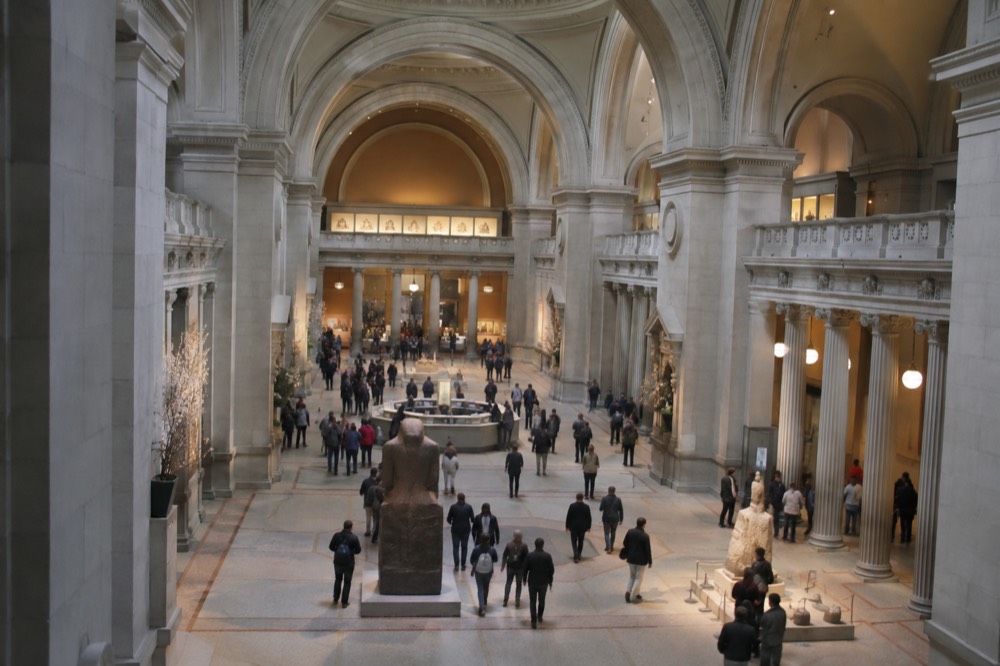
One caveat before you plan a Met day around a specific wing: the museum is open but a long list of galleries is currently closed for renovation, including parts of the American Wing, Asian Art, European Paintings, the Costume Institute, the Cantor Roof Garden and much of Modern and Contemporary Art. Check the Met's own gallery closures page before you promise yourself a particular room. The Metropolitan Museum of Art tickets guide on this site carries the full admission detail.
| Museum | Adult admission | Free or discounted window | Best for |
|---|---|---|---|
| The Met | $30 | Pay-what-you-wish, NY State residents and NY/NJ/CT students only | Scale, one ticket covers The Cloisters |
| MoMA | $30 | Free Fridays 17:30-20:30, NY State residents only | Starry Night and the modern canon |
| American Museum of Natural History | Fixed price for non-NY visitors, pay-what-you-wish for NY State residents | NY State residents on general admission | Dinosaurs, the whale, planetarium |
| 9/11 Memorial Museum | $36 | Free Mondays, tickets online from 07:00 ET | History, treated with respect |
| Whitney Museum | $30 | Free Friday evenings for everyone, free for ages 25 and under | American art, Hudson views |
| Guggenheim | $30 standard, $16 during exhibition changeover | Pay-what-you-wish Tue and Sun 16:00-17:30 | The Wright spiral itself |
The 9/11 Memorial plaza, the two reflecting pools set into the World Trade Center site, is free and open daily with no ticket. The museum beneath it is a separate, ticketed space. Both deserve unhurried time; this is a memorial site, not a photo stop.
Things to Do in NYC on the Water
The only ferry that lands on Liberty Island is the official Statue City Cruises service from Battery Park, at $26.00 for an adult general ticket covering both islands and both museums, and no other operator can dock there. If you only want the skyline and the statue from the water, a 50-minute express cruise lists from $24 and never lands. The free Staten Island Ferry passes the statue at a distance.
The distinction matters commercially. Numerous lookalike harbor cruises circle the islands, and some charge more than the real ferry, but a passenger holding one of those tickets cannot set foot on Liberty Island. If standing at the statue's base is the point, the official ferry is the only route. Crown access costs just thirty cents more than the grounds ticket at $26.30, but crown tickets are name-bearing, capped at four per household, and typically sell out months ahead, so the barrier is availability rather than money.
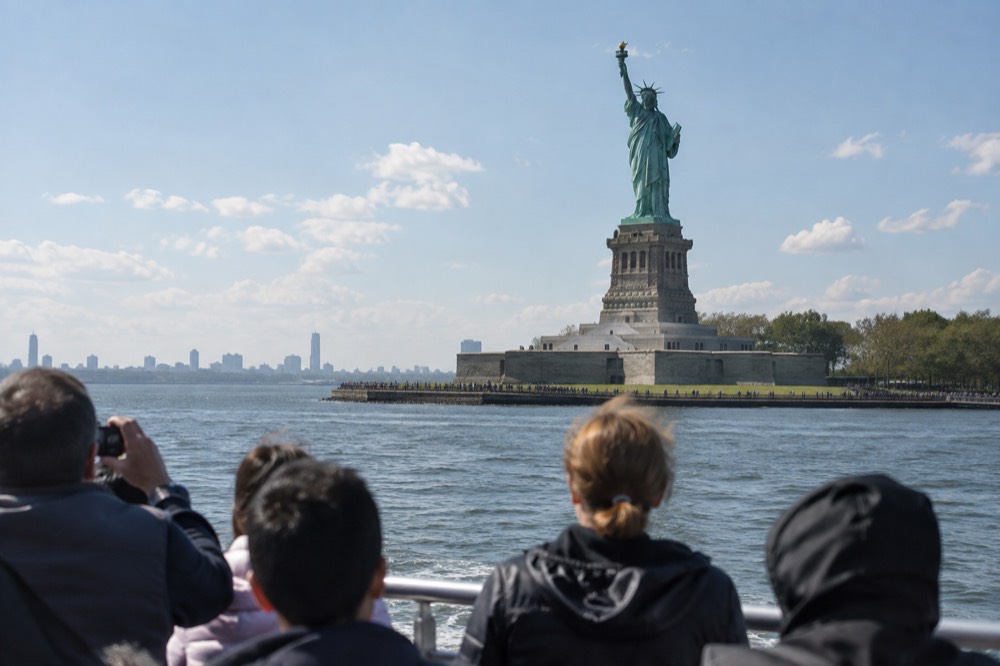
For travelers who want both islands with a guide attached, a reserved-ferry guided tour handles the boarding and the narrative, and the Statue of Liberty tickets guide compares every legitimate option in detail.
Beyond the statue, the water is the city's best-value theater. A full 2.5-hour loop around the entire island of Manhattan passes three boroughs and every major bridge, and a sunset harbor cruise turns the same skyline gold. The dinner cruise market exists too, but at a served-dinner price it is an occasion rather than sightseeing.
Things to Do in NYC on Foot: Walking and Food Tours
A guided walk is the highest-value paid activity in New York for first-time visitors, because the city's best material is in its streets and a guide unlocks it for $25-$60. The strongest food tours run about three hours and six tastings, which is a full meal, through Chinatown and Little Italy, Greenwich Village, or Chelsea Market and the High Line. The best pure walking tours cover SoHo's cast-iron blocks, Harlem's history, or Grand Central's hidden details.
Downtown, the three-neighborhood walk linking SoHo, Little Italy and Chinatown is the classic first-day orientation, and the free-walk ecosystem on GuruWalk covers much of the same ground on a pay-what-you-want basis. One honesty note there: six of the ten New York free walks listed on GuruWalk belong to a single operator, CityShuffles, so the apparent breadth of free-walk options is narrower than it looks. The wider set of guides lives on New York City Travel Guide.
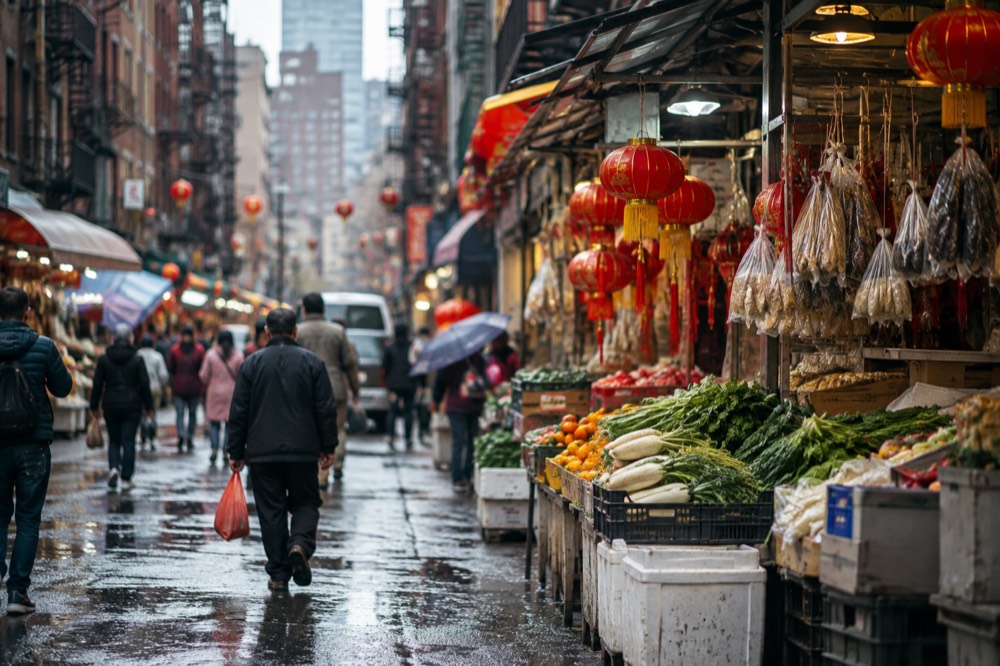
Food tours deserve their popularity. Six tastings add up to lunch, the stops sit close together, and a local steers you past the tourist traps in neighborhoods where the trap-to-gem ratio is genuinely high. The Chinatown and Little Italy route pairs dumplings with cannoli and the immigration stories behind both enclaves; the Greenwich Village version doubles as a primer on the neighborhood's music and bohemian past.
| Tour type | Duration | Typical from price | What you get |
|---|---|---|---|
| Chinatown and Little Italy food tour | 3 hours | $99 | Six tastings, a full meal |
| Greenwich Village food tour | 3 hours | $97 | Six local favorites, neighborhood history |
| Chelsea Market and High Line food tour | 3 hours | $83 | Market tastings, elevated park history |
| SoHo, Little Italy, Chinatown walk | 2 hours | $25 | Architecture and immigration history |
| Grand Central secrets tour | 1.5 hours | $39 | Whispering gallery, ceiling, back stories |
| Central Park guided walk | 2 hours | $44 | Bethesda Terrace, Bow Bridge, movie spots |
| Soul of Harlem walk | 2.5 hours | $60 | Apollo, jazz blocks, civil rights history |
The bridge walk you should not miss is the Brooklyn Bridge, which costs nothing and takes about an hour each way, ending in Dumbo at the famous Washington Street view of the Manhattan Bridge framed between old brick walls. A guided version adds the engineering history and the photo route, and the Brooklyn Bridge guide covers the solo version, including which entrance to use to skip the worst of the crowd.
Free Things to Do in NYC
The genuinely free highlights are the 9/11 Memorial plaza, the Staten Island Ferry, Central Park, the Brooklyn Bridge, the High Line, Grand Central's main concourse and Washington Square Park, and several museums open free on a schedule: the Whitney on Friday evenings for everyone, the 9/11 Memorial Museum on Mondays, and MoMA on Friday nights for New York State residents. The free list is strong enough to build a full day around.
The park is the city's masterstroke. Central Park is free, enormous and more designed than it looks, with Bethesda Terrace, the Mall, Bow Bridge and the Ramble all reachable on an easy loop. Times Square is also free and worth ten minutes at night, though the station beneath it is a useful piece of trivia: Times Sq-42 St was the busiest subway complex in the city in 2025 with 61,203,303 riders, 71% more than Grand Central, which most visitors assume dominates.
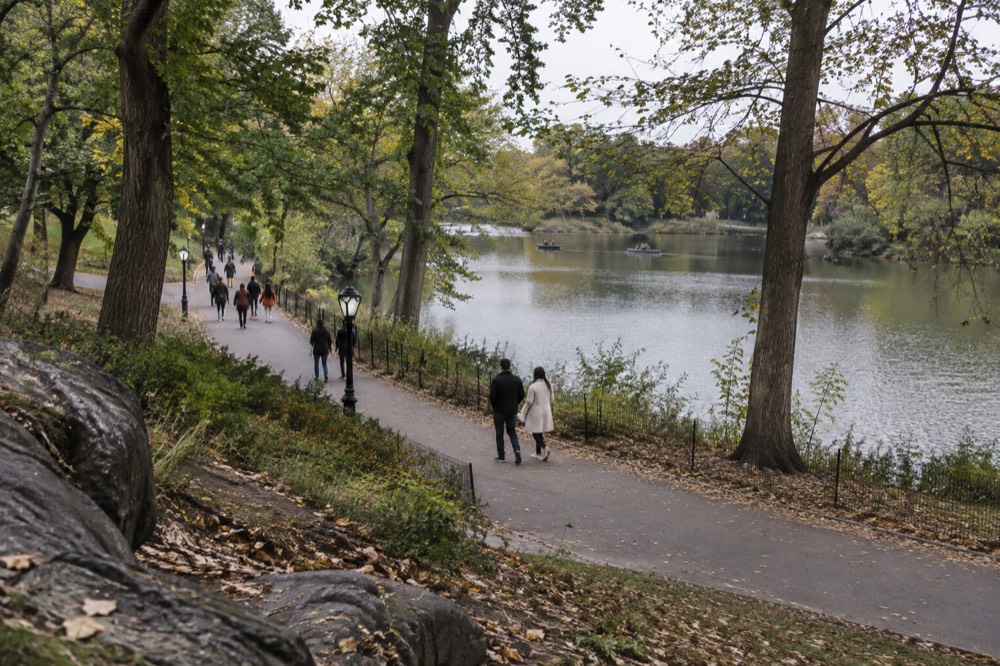
The free windows have rules. The Whitney's Friday nights run 17:00-22:00 and are open to everyone, with advance tickets recommended. The 9/11 Memorial Museum releases free Monday tickets on its website each Monday at 07:00 ET, first come first served. MoMA's Friday free hours require New York State residency proof, so most visitors should not plan around them. The free things to do in NYC guide collects the full list, and the NYC on a budget guide builds complete days from it.
How Do You Get Around Between All of This?
The subway is the answer, at $3.00 per ride with a free transfer within two hours, paid by tapping a contactless card or phone through OMNY. The 7-day unlimited MetroCard no longer exists: as of 1 January 2026 the MTA does not sell or refill MetroCards, and the weekly value now comes from an automatic $35 fare cap after twelve paid rides in a rolling seven-day window. Ignore any guide quoting a 7-day unlimited price.
That OMNY cap has one rule that quietly costs people money: you must tap the same card or device every single time. Mixing your phone with the plastic card in your pocket breaks the cap without telling you. Each person in a group needs their own card or device, because transfers and group taps do not count toward anyone's cap.
Buses accept the same tap and the same transfer rules. Taxis and rideshares fill the gaps late at night or with luggage, but for a visitor whose days move between Midtown, downtown and Brooklyn, the subway wins on both speed and cost. The NYC subway guide covers lines, etiquette and the express-versus-local distinction, and the how to get around NYC guide compares every mode including the ferry network.
Things to Do in NYC Outside Manhattan
The strongest borough moves are the Brooklyn Bridge walk into Dumbo and Brooklyn Heights, an afternoon in Williamsburg, and a food-and-history walk through Harlem, while the strongest day trips are the Hudson Valley, Washington DC and Philadelphia, in that order for most visitors. Niagara Falls is possible in one very long day, roughly 19 hours door to door, and only makes sense if the falls are a must and you cannot add an overnight.
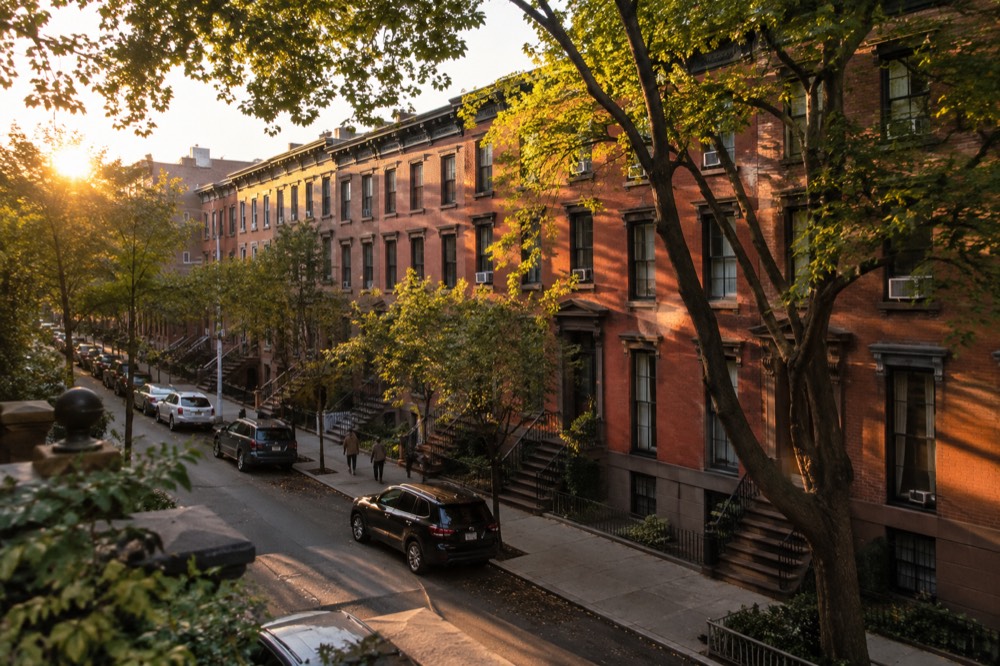
Manhattan is one of five boroughs, and treating it as the whole city is the mark of a guide written from a distance. Brooklyn rewards a full day: the bridge, the Heights promenade, Dumbo's cobblestones, then Williamsburg's shops and food. Harlem rewards a morning or a Sunday, with the Apollo Theater, gospel music and the blocks that shaped the Harlem Renaissance.
Day trips are where honest guidance matters most, because the coach tours are long. A Washington DC highlights day runs 11 to 13 hours; a combined DC and Philadelphia day runs about 15. The Hudson Valley trip, with Sleepy Hollow and the Walkway Over the Hudson, is the most relaxed at around 7 hours and is at its best in autumn. The day trips from NYC guide compares all of them, and the things to do in Brooklyn guide and things to do in Queens guide cover the boroughs in depth.
| Day trip | Travel time each way | Tour duration | Best for |
|---|---|---|---|
| Hudson Valley and Sleepy Hollow | ~1 hour | 7 hours | Autumn scenery, easy pace |
| Washington DC highlights | ~4 hours | 11-13 hours | Monuments, one big day |
| Washington DC and Philadelphia | ~2-4 hours | 15 hours | Two cities, only for the committed |
| Niagara Falls with boat ride | Very long coach ride | 19 hours | The falls as a must-see |
| Woodbury Common outlets | ~1 hour | Full day | Shopping only |
| The Hamptons and Sag Harbor | ~2.5 hours | 14 hours | Villages and waterfront |
How Many Days Do You Need for the Best of NYC?
Four days is the realistic minimum for the core list: one deck, the statue ferry, one museum, one food walk, the Brooklyn Bridge and Central Park, plus unhurried evenings. Three days works if you cut the day trip and one museum, and five to seven days lets you add Harlem, a second borough and one escape from the city. First-timers consistently overbook: two major timed attractions per day is the ceiling this city comfortably supports.
The failure mode is not running out of things, it is running out of feet. The 3 days in NYC itinerary and the NYC for first-timers guide turn the shortlist above into hour-by-hour days, and the is the New York CityPASS worth it guide runs the arithmetic on whether the $149 pass beats individual tickets for your specific list.
| Trip length | What fits comfortably | What to cut |
|---|---|---|
| 1-2 days | One deck, the statue ferry, Central Park, the bridge | Museums beyond one, all day trips |
| 3 days | Add the Met or MoMA, a food tour, Harlem | Day trips, second borough |
| 4 days | Add a second borough, a free-museum day | Niagara, DC |
| 5-7 days | Add a day trip, deep Brooklyn, Greenwich | Nothing, slow down |
One seasonal note that surprises most planners: July is New York's wettest month, averaging 4.60 inches of rain, and February out-snows January. Summer trips need indoor backups more than winter ones do, and the best time to visit NYC guide has the month-by-month detail.
Common Questions About Things to Do in NYC
The questions below cover the decisions this page gets asked most: whether the attraction passes pay off, which deck to pick if you only pick one, how early to book the statue ferry, whether the free stuff is genuinely good, and how to sequence a short trip. Each answer is the short version of a section above, so treat this as the recap and the sections as the reasoning.
What is the number one thing to do in NYC?
For most first-time visitors it is the Statue of Liberty and Ellis Island ferry, because it combines history, the harbor and the city's most famous object in one ticket, from $26.00 for the official ferry. If you have already done it or it does not appeal, the substitute is an observation deck at sunset, which delivers the skyline in a single stop.
Should I buy a New York CityPASS?
Only if you will use all five choices. The adult pass is $149 against a claimed $307.04 of box-office value over nine consecutive days, so the math favors the visitor doing the classic heavy-hitter circuit. If your plans are loose, a choose-as-you-go Explorer pass from $89 or individual tickets serve you better.
Which observation deck is best?
Top of the Rock if you want the Empire State Building in your photo, SUMMIT One Vanderbilt if you want the most memorable experience, Edge if you want the glass floor, One World Observatory if you are downtown and want the cheapest listing at $30.49. Three of the five list from the same $47.91, so decide on the view, not the price.
How far in advance should I book the Statue of Liberty?
General ferry tickets can often be bought closer to the date, but crown tickets sell out months ahead and are capped at four per household with photo ID checks at boarding. Book the crown as early as your dates allow, and reserve the pedestal early too, since it is also capacity-limited.
Is the free stuff in NYC actually good?
Yes, unusually so. The 9/11 Memorial plaza, the Staten Island Ferry, Central Park, the Brooklyn Bridge, the High Line and Grand Central's concourse are all free and all genuinely top-tier. The scheduled free museum windows, like the Whitney on Friday evenings, are real but capacity-limited, so reserve ahead.
What should I skip?
Skip lookalike harbor cruises that promise the statue but never land, skip renting a car in the city itself, and skip any attraction you cannot reach by a reasonable walk or one subway ride. The honest trade in New York is depth over count: two things done well beat five done in queues.
The short version of this whole page: pick one deck, book the ferry, choose one museum and check its closure list first, eat your way through one neighborhood with a guide, walk the bridge, and let the subway's $35 weekly cap handle the rest. Everything else on this site is the expanded version of those decisions.