Metropolitan Museum of Art Tickets: Prices, Hours and What Your Ticket Covers
The Metropolitan Museum of Art charges a fixed $30 adult admission, and the pay-what-you-wish policy most guides quote applies only to New York State residents and NY, NJ and CT students. Here is what a ticket actually costs, what it includes, and how to plan the visit.
Short answer
Metropolitan Museum of Art tickets cost $30 for adults, $22 for seniors and $17 for students; children 12 and under are free. Pay-what-you-wish applies only to New York State residents and students from New York, New Jersey and Connecticut, with proof. One ticket covers both the Fifth Avenue museum and The Met Cloisters on the same day.
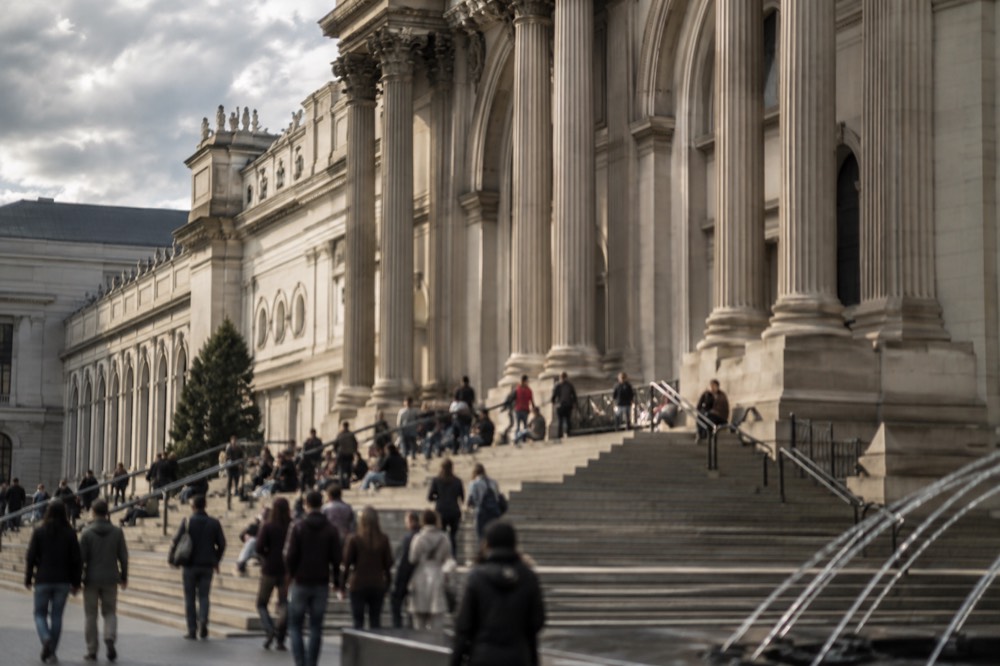
The Metropolitan Museum of Art sold its last "suggested donation" ticket to a tourist years ago. Since 2018, everyone who is not a New York State resident or a student from New York, New Jersey or Connecticut pays a fixed, mandatory admission: $30 for adults. The steps on Fifth Avenue are still free to sit on, and they remain one of the best people-watching perches on the Upper East Side, but the galleries behind the columns are not pay-what-you-wish for visitors, and the gap between what most guides claim and what the ticket desk actually charges is the single most botched fact in New York travel writing.
This page covers what a Met ticket costs, who genuinely qualifies for pay-what-you-wish, what the ticket includes (the answer is more than most visitors realize, including same-day entry to a second museum in Upper Manhattan), current hours, the long list of gallery closures now running through the building, and the practical decisions: how long to allow, whether a guide is worth it, and how the Met compares with the other big museums on the same subway lines. Facts here come from the Met's own ticketing site and current planning pages.
How Much Do Metropolitan Museum of Art Tickets Cost?
An adult general admission ticket to the Metropolitan Museum of Art costs $30, with seniors 65 and over at $22 and students at $17. Children aged 12 and under enter free, as do members and patrons. Visitors with a disability pay $22, and a care partner enters free in person. Every ticket includes exhibitions and same-day entry to both Met locations: the Fifth Avenue building and The Met Cloisters in Upper Manhattan.
Those are fixed prices, not suggestions. The Met operated on a voluntary-donation model for decades, and the ghost of that policy still haunts guidebooks, forum threads and plenty of competing websites. Since 2018 the only visitors who can set their own price are New York State residents and students attending school in New York, New Jersey or Connecticut.
For those two groups, pay-what-you-wish is real but not free. The Met's own wording is blunt: the amount you pay is up to you, but you must pay something, with a one-cent minimum per ticket. Proof is required, a New York State driver's licence or ID card, IDNYC, a current bill with a New York State address, a student ID, or a New York library card. There is also an online catch: pay-what-you-wish tickets bought online require a New York State billing address, and New Jersey and Connecticut students can only buy them in person with valid student ID.
| Ticket type | Price | Notes |
|---|---|---|
| Adult general admission | $30 | Fixed, mandatory for non-New Yorkers |
| Senior 65+ | $22 | |
| Student | $17 | NY/NJ/CT students may pay what they wish instead |
| Child 12 and under | Free | |
| Visitor with a disability | $22 | Care partner enters free, in person only |
| New York State resident | Pay what you wish | $0.01 minimum, proof of residency required |
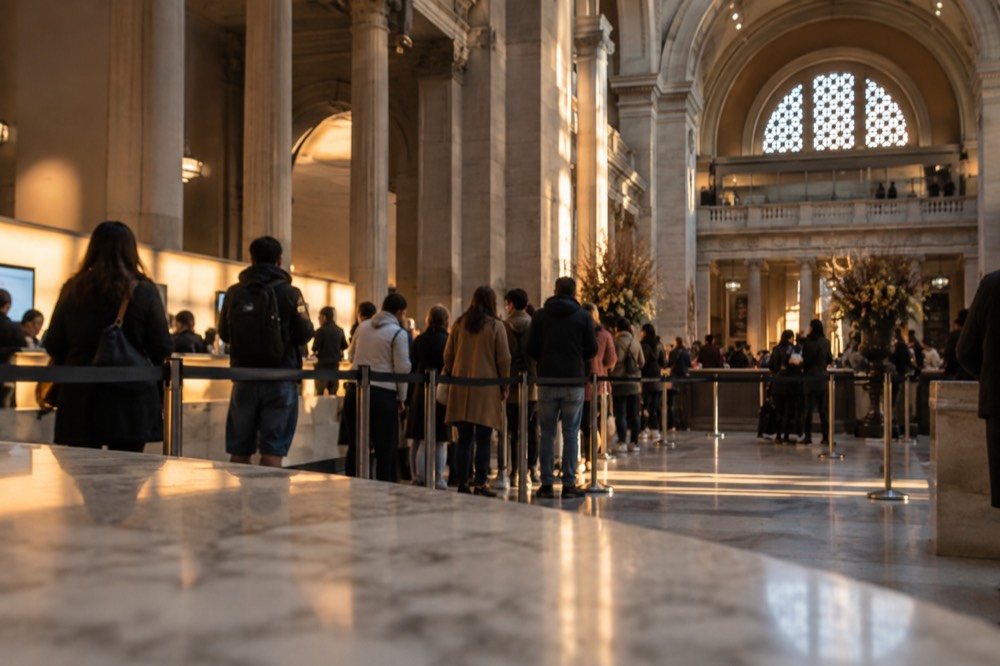
One detail in that table is worth pausing on because almost no guide mentions it: a single ticket covers both the Fifth Avenue museum and The Met Cloisters on the same day. The Cloisters, the medieval-art branch in Fort Tryon Park, would cost a separate admission on any other logic. Same-day, both locations, one $30 ticket. If your feet hold out, that is one of the better two-for-one values in the city's museum landscape.
What Are the Met's Hours, and When Should You Go?
The Metropolitan Museum of Art is open 10am to 5pm on Sunday, Monday, Tuesday and Thursday, and 10am to 9pm on Friday and Saturday. It is closed every Wednesday, plus Thanksgiving, December 25, January 1 and the first Monday in May for the Met Gala. Friday and Saturday evenings are the quietest window for visitors who dislike crowds.
The Wednesday closure catches a remarkable number of itineraries. A surprising share of three-day New York plans slot the Met on a Wednesday, arrive at the steps, and pivot to something else. Check the day of the week before you build the rest of the afternoon around it.
| Day | Hours |
|---|---|
| Sunday | 10:00-17:00 |
| Monday | 10:00-17:00 |
| Tuesday | 10:00-17:00 |
| Wednesday | Closed |
| Thursday | 10:00-17:00 |
| Friday | 10:00-21:00 |
| Saturday | 10:00-21:00 |
Timing inside the week matters as much as the day. The 10am opening draws a first wave; late morning through mid-afternoon is the busiest stretch, and weekend afternoons are the worst of it. The Friday and Saturday late hours thin the galleries after the day-trippers leave, and the museum takes on a different character under evening light. If your trip includes a Friday, the evening session at the Met is one of the more pleasant ways to spend it.
Getting there is straightforward. The museum sits at 1000 Fifth Avenue at 82nd Street. The 4, 5 and 6 trains stop at 86th Street-Lexington Avenue, a short walk west, and the 1, 2 and 3 serve the Upper West Side at 86th Street for anyone pairing the visit with Central Park or the American Museum of Natural History across the park. Fares are $3.00 a ride, and the MTA's OMNY system caps a week of subway and local bus rides at $35 automatically, with no pass to buy. The old 7-day unlimited MetroCard was retired on 1 January 2026 and is no longer sold, so ignore any guide that tells you to buy one at the airport.
Which Galleries Are Closed at the Met Right Now?
A long list of Met galleries is closed for renovation as of September 2026, including parts of the American Wing, Ancient West Asia and Ancient Cyprus (reopening 2027), Asian Art, the Costume Institute, European Paintings 1250-1800, European Sculpture and Decorative Arts, Greek and Roman Art, the Cantor Roof Garden, Modern and Contemporary Art, and the Robert Lehman Collection. The museum itself remains open.
This matters more than it sounds. Visitors who plan a trip around a specific thing, the roof garden in summer, the modern wing, a particular gallery of European painting, can arrive and find it shuttered. The museum publishes the running list on its own gallery-closures page, and checking it against your wishlist before you book is the single highest-value two minutes of Met planning. The American Wing closures are partial rather than total, so the period rooms and the courtyard's golden facade of the old Branch Bank still read normally to most visitors.
| Area affected | Status |
|---|---|
| American Wing | Partial gallery closures |
| Ancient West Asia and Ancient Cyprus | Closed, scheduled to reopen 2027 |
| Asian Art | Multiple galleries closed |
| Costume Institute | Closed |
| European Paintings 1250-1800 | Galleries 602-607 closed |
| European Sculpture and Decorative Arts | Galleries 537-543 closed |
| Greek and Roman Art | Partial closures |
| Cantor Roof Garden | Closed |
| Modern and Contemporary Art | Multiple galleries closed |
| Robert Lehman Collection | Closed |
The honest framing: even with those closures, the Met is vast enough that a first-time visitor will not run out of museum. The Egyptian galleries, the Temple of Dendur, the Arms and Armor court, the Egyptian Temple of Dendur's neighbors in the ancient Near East excepted, the musical instruments, the period rooms that remain open: a full day disappears fast. What the closures change is the return-visit experience and the specific-object pilgrimage. If you are coming for one painting, verify the room is open first.
Is the Met Worth It Compared with MoMA and the Other Museums?
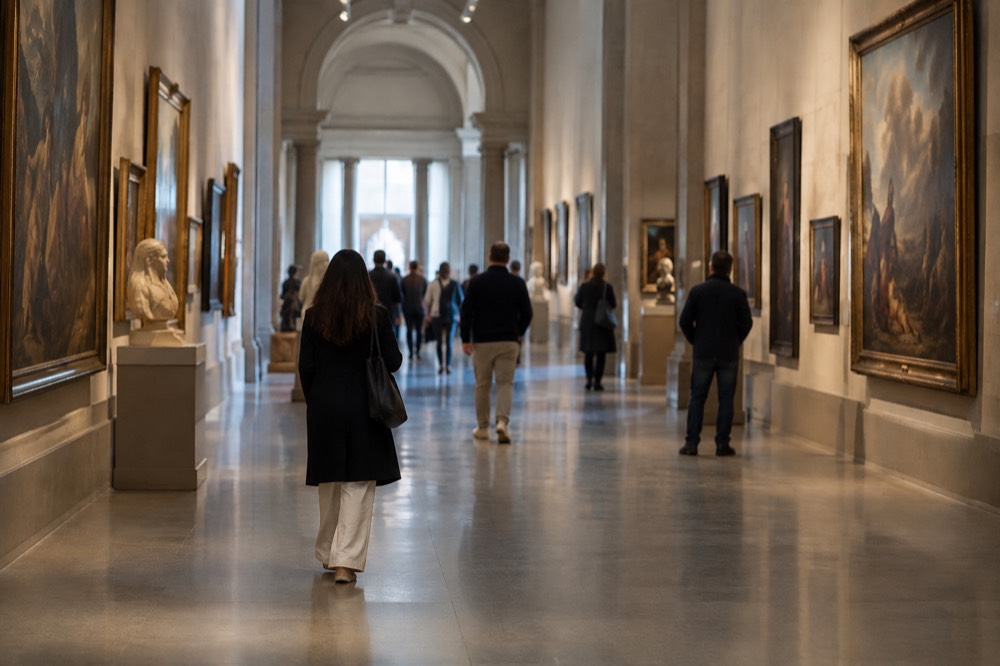
For most first-time visitors, yes: the Met offers the deepest collection in New York, 5,000 years of art across two buildings, at a $30 adult price that matches MoMA's $30 and undercuts nothing. The choice is really about appetite, the Met rewards a long, wandering visit, while MoMA rewards a shorter, hit-the-icons run at Starry Night and the design galleries. They are different products at the same price point.
New York's museum density is unusual. Within a few subway stops of the Met you have the Guggenheim four blocks north on Fifth Avenue ($30 standard, with a reduced $16 rate during exhibition changeovers), the Whitney downtown in the Meatpacking District ($30, free every day for anyone 25 and under), the American Museum of Natural History across Central Park, and the Frick further downtown. Nobody does all of them in a day, and nobody should.
| Museum | Adult admission | Free windows |
|---|---|---|
| Metropolitan Museum of Art | $30 | Children 12 and under; NY State residents pay what they wish |
| MoMA | $30 | 16 and under; Friday evenings 17:30-20:30, NY State residents only, reserve ahead |
| Guggenheim | $30 standard, $16 during changeover | Under 12; pay-what-you-wish Tue and Sun 16:00-17:30 |
| Whitney | $30 | Everyone 25 and under, every day; Friday nights 17:00-22:00; second Sundays |
| American Museum of Natural History | Fixed for out-of-state visitors | Pay-what-you-wish general admission for NY State residents |
The pattern in that table is deliberate on the part of every institution: free and reduced windows mostly serve local residents, not tourists. If you are visiting from out of state, budget the full admission at each stop and treat any discount you happen to qualify for as a bonus. Our guide to free museums in NYC sorts the genuinely free institutions from the residency-restricted ones, and the wider museums in NYC roundup covers the full landscape, from the Tenement Museum to the Intrepid.
The Met's competitive edge is scale and range. MoMA is a tighter story about modernism; the Guggenheim is as much about the spiral building as the collection; the Whitney is American art with Hudson views. The Met is everything at once: Egyptian temples, medieval cloisters, Vermeer, guitars, samurai armor, a Roman courtyard, under one roof. That breadth is exactly why some visitors bounce off it after ninety minutes and others lose an entire day.
Should You Take a Guided Tour of the Met?
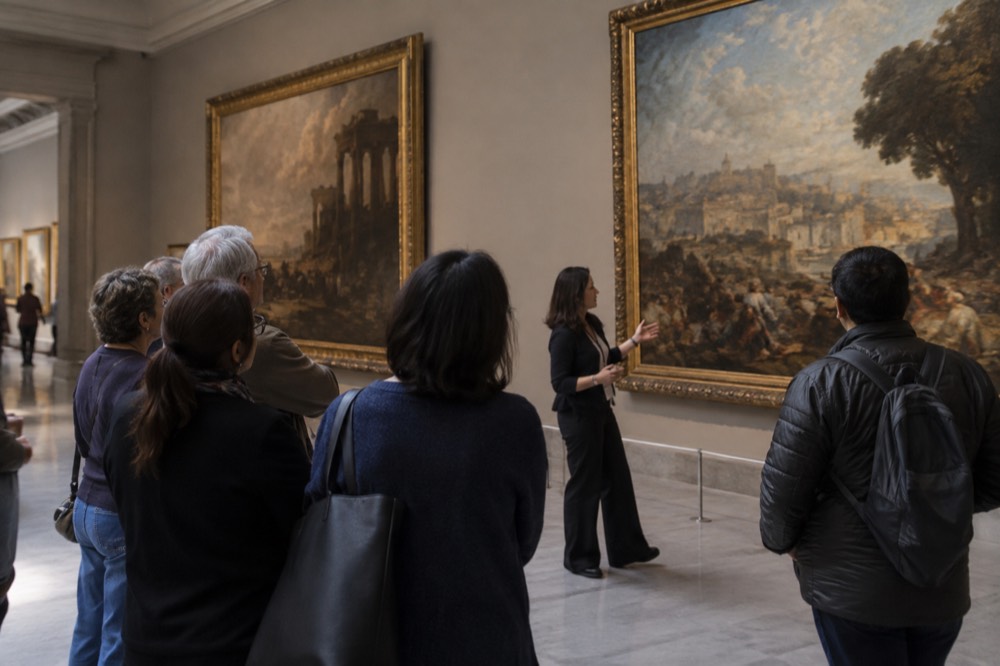
A guided group tour makes sense for first-time visitors who want the highlights decoded rather than discovered by accident, and for anyone who finds the Met's floor plan intimidating, which is most people. The trade is money for orientation: roughly two to three hours with a guide routing you through the marquee rooms, versus a full day of self-navigation. Repeat visitors and single-object pilgrims do better alone.
The Met's own floor plan defeats a real share of visitors. The building is enormous, the gallery numbering is its own dialect, and the gap between entering at the Great Hall and standing in front of the thing you came for can be forty minutes of wrong turns. A guide who has done the routing hundreds of times removes that friction entirely, and the skip-the-line entry that comes with the commercial tours means you are not standing in the admission queue during the 10am crush.
The Metropolitan Museum guided group tour runs two to three hours, covers the Egyptian galleries through the European paintings, and keeps groups small enough to ask questions. Check availability if that shape fits your trip.
Self-guided visitors are not adrift, either. The Met's audio guide is included with admission, the map marks the greatest hits, and the information desks in the Great Hall will point you at anything specific. A workable solo strategy for a half-day: pick one ancient wing, one European painting stretch, and one wildcard, and let the corridors connect them. Trying to see the whole museum in one visit is how people end up remembering only the entrance.
How Long Do You Need, and What Should You See First?
Most visitors get the best value from three to four hours at the Met, which covers one deep pass through two or three departments rather than a panicked sweep of everything. Start with the Egyptian galleries, the museum's strongest and most crowd-tolerant wing, then move to European Paintings, then finish with Arms and Armor or the American Wing. Full-day visits are rewarding but exhausting, and the building wins on the second lap.
The Egyptian wing is the right first stop for a concrete reason: it is large, linear, and naturally paced, so it teaches you the museum's rhythm before you hit the more mazelike sections. The Temple of Dendur in its glass-walled hall is the single most photographed interior in the building, and it sits at the wing's far end, which means the walk builds to it.
From there, the priorities depend on what brought you. European Paintings holds the Vermeers and the Rembrandts. Arms and Armor, tucked near the medieval section, is the room children remember a decade later. The American Wing's courtyard, with its columns and stained glass, is a reset point when gallery fatigue sets in. The musical instruments gallery is small, quiet, and full of objects that look like sculpture.
For anyone pairing the Met with a same-day second stop, the Cloisters option is the sleeper play: your ticket covers both locations, and the subway ride up to 190th Street takes about forty minutes on the A train. The Cloisters closes earlier than Fifth Avenue, so do the branch museum first and come back south, or split them across two days if your ticket's same-day rule makes that awkward. It is one ticket per day for both, so plan the geography before you commit.
Do New York CityPASS or Other Passes Include the Met?
No. The Met is not on the New York CityPASS attraction list, and it is not covered by Go City's New York passes either. CityPASS bundles five choices from eleven attractions including the Empire State Building, Top of the Rock, the 9/11 Memorial and Museum and the official Statue of Liberty ferry, but the Met sits outside every major pass. Budget $30 separately, and treat any pass math without that line as incomplete.
That gap surprises people who assume the city's most-visited museum would anchor the biggest pass. It does not, and the reason is simple enough: the Met does not need the discount traffic. The passes are built around the observation decks, the ferry and the marquee midtown attractions, which is exactly where the per-visit savings concentrate.
| Pass | Covers the Met? | What it does cover |
|---|---|---|
| New York CityPASS | No | 5 attractions chosen from 11, including Empire State Building, Top of the Rock, 9/11 Memorial and Museum, Statue of Liberty ferry |
| Go City New York | No | Same family of attractions, choose-as-you-go or all-inclusive |
| The Sightseeing Pass | No | Ceased trading in 2025, do not buy |
One warning that falls under honest reporting rather than planning: The Sightseeing Pass ceased trading in 2025 and its website is an empty shell. Competing guides still list it. If you encounter it in a comparison table elsewhere, treat that table as stale. Our breakdown of the New York CityPASS and its alternatives covers what the current passes actually cost and who they suit.
The pass question at the Met is therefore simple: buy the $30 ticket, or qualify for pay-what-you-wish as a resident, or come back on a membership if you live here. There is no third lever to pull.
What Is There to Do Near the Met on the Upper East Side?
The Met anchors Museum Mile, the stretch of Fifth Avenue from 82nd to 105th Street that holds the Guggenheim four blocks north and several smaller institutions along the way, with Central Park's reservoir and Great Lawn directly across the street. A realistic Upper East Side day pairs the Met in the morning with a park walk or the Guggenheim in the afternoon, all within a fifteen-minute walk and a single subway fare.
Museum Mile is one of the few New York corridors where the attractions genuinely sit shoulder to shoulder. The Guggenheim is the headline neighbor, its spiral ramp a Frank Lloyd Wright landmark worth seeing even when the collection rotates. Beyond it, the smaller museums, the Neue Galerie a block south of the Met, the Museum of the City of New York up at 103rd, reward specialists more than generalists.
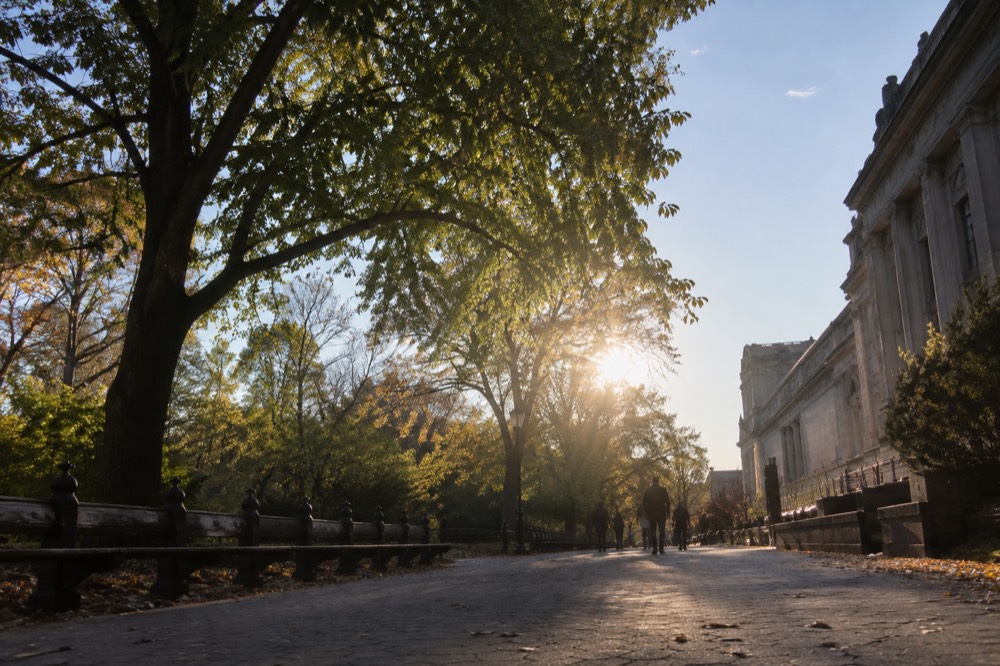
The park across the street is the free half of the day. The East Drive leads up to the Reservoir's running loop, with the skyline framed over the water, and the Great Lawn sits at its north end. Our Central Park guide maps the landmarks and the walking routes if you want to route the afternoon properly rather than drifting.
Eating is the weak point of the immediate blocks, museum-adjacent cafes aside. The Met's own cafeteria and cafe court are serviceable and priced like an airport. For a real meal, the walkable options thin out east of Lexington Avenue, and the better move on a nice day is a park bench with something carried in.
If you are stacking the whole neighborhood into one day, the honest order is Met first, early, while the legs are fresh; the Guggenheim or the park second; and nothing scheduled after 4pm, because museum fatigue is real and cumulative. Our things to do in NYC hub has the wider itinerary if the Upper East Side is one stop among many.
Is the Met Accessible and Kid-Friendly?
The Met is one of the more accessible major museums in New York, with step-free entrances, elevators to every floor, wheelchairs available at the coat-check free of charge, and accessible restrooms throughout the building. Children 12 and under enter free, and the museum runs family programming and a dedicated app guide for kids. The main challenges are scale and fatigue, not barriers.
The Fifth Avenue entrance is fully step-free from the street, with a wheelchair-accessible route from the Great Hall to every gallery level. Companion and care-partner admissions are handled in person. Visitors with a disability pay the reduced $22 rate. Service animals are welcome throughout the building.
For families, the free-under-12 policy removes the biggest cost objection, and the arms and armor galleries, the Egyptian animal mummies and the Temple of Dendur do the rest. The Met's own family guides and drop-in drawing sessions run on published schedules. The practical advice is to cap the visit at what the youngest member of the party can absorb, usually ninety minutes to two hours, and use the park across the street as the release valve.
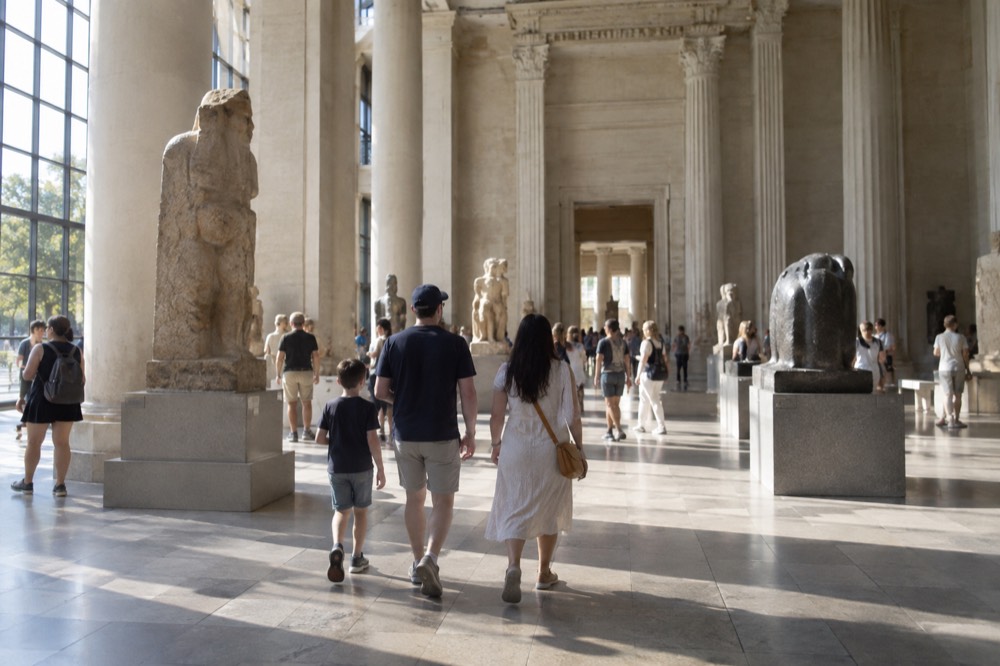
What About Tickets for the Met Cloisters?
The Met Cloisters, the museum's medieval branch in Fort Tryon Park in Upper Manhattan, is included on the same ticket as the Fifth Avenue building for the same day, so there is no separate purchase if you time it right. Visited alone on another day, it requires its own admission at the same price scale. The Cloisters is smaller, quieter and garden-centered, with hours that differ from Fifth Avenue, so check them before the trip uptown.
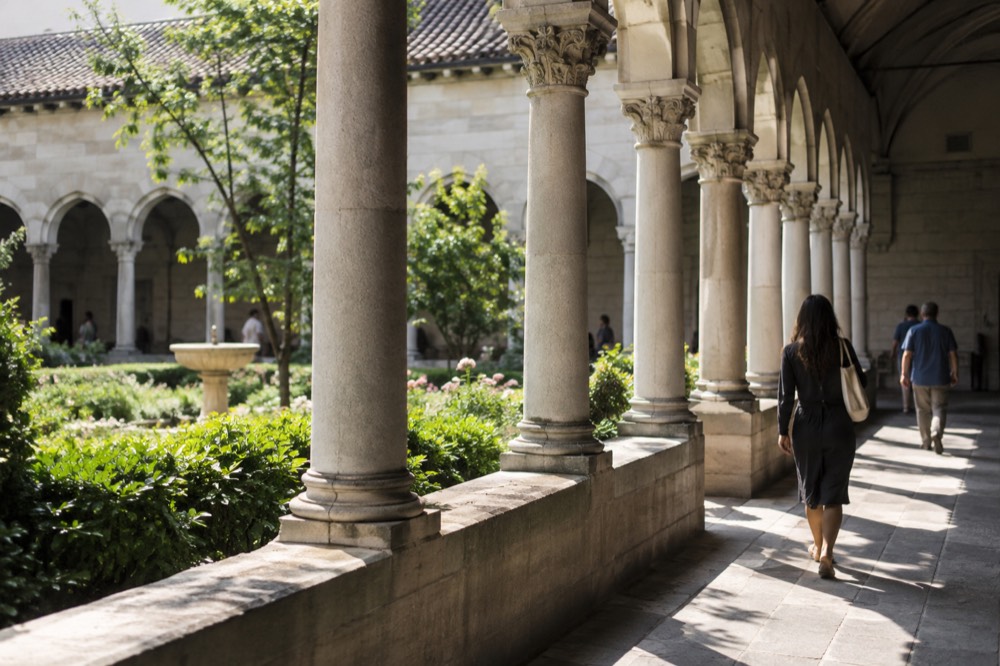
The Cloisters is the Met's best-kept structural secret. The building itself is assembled from European medieval cloisters and architectural fragments, set in a park high above the Hudson with gardens planted to medieval specifications. The Unicorn Tapestries are the headline objects. The crowds are a fraction of Fifth Avenue's, which for some visitors makes it the better museum.
The logistics are the only friction. It sits at the top of Manhattan, roughly forty minutes from Midtown via the A train to 190th Street, plus a ten-minute walk uphill through the park, or a short ride on the M4 bus. Pairing both locations in one day is doable and covered by one ticket, but it is a full outing: Cloisters in the morning when it opens, then south to Fifth Avenue for the afternoon and evening session on a Friday or Saturday.
How Does the Met Compare with the Natural History Museum Across the Park?
The American Museum of Natural History, directly across Central Park on the Upper West Side, is the better museum for children, dinosaurs and anyone who wants spectacle, while the Met is the better museum for art, depth and repeat visits. Both sit on the same $30 price tier for out-of-state visitors, both offer pay-what-you-wish general admission to New York State residents, and both are reachable from the same 86th Street corridor.
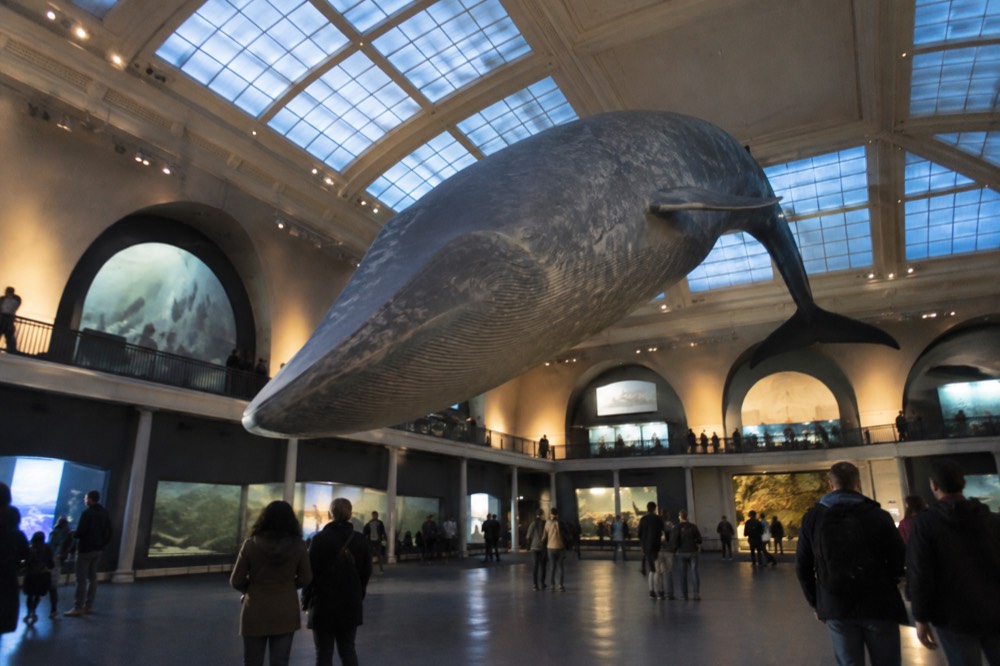
The pairing is a natural one because the geography invites it: two world-scale museums flanking the park, connected by a twenty-minute walk or a single bus ride. Families with children under ten usually find the natural history museum the easier sell. The dinosaur halls, the great blue whale and the planetarium do the work that the Met's quieter galleries cannot for that age group.
For adults without children in tow, the Met wins on almost every axis that matters: collection depth, range across eras and cultures, and the simple fact that five visits in you are still finding new rooms. The natural history museum is a half-day to a day done once; the Met is a recurring relationship. Our American Museum of Natural History tickets guide covers that side of the park in full if the family vote goes the other way.
Common Questions About Metropolitan Museum of Art Tickets
These are the questions visitors ask most often about Met tickets, answered with the museum's own current figures: what admission costs, who gets pay-what-you-wish, when the museum is open, and whether the branch museum costs extra. The short version is a fixed $30 for tourists, same-day entry to two locations on one ticket, and a Wednesday closure that catches a surprising number of itineraries.
Can you get into the Met for free?
Only children 12 and under, members and patrons enter free. New York State residents and students from New York, New Jersey and Connecticut pay what they wish, but that means paying something, with a one-cent minimum and proof required. Out-of-state and international visitors pay the fixed $30 adult admission.
How much are Metropolitan Museum of Art tickets?
General admission is $30 for adults, $22 for seniors 65 and over, $22 for visitors with a disability, and $17 for students. Children 12 and under are free. Every ticket includes exhibitions and same-day entry to both the Fifth Avenue museum and The Met Cloisters.
Is the Met pay-what-you-wish?
For most visitors, no. Pay-what-you-wish applies only to New York State residents and NY/NJ/CT students. The Met's own wording: the amount you pay is up to you, but you must pay something. Online pay-what-you-wish purchases require a New York State billing address.
What day is the Metropolitan Museum of Art closed?
The Met is closed every Wednesday, plus Thanksgiving, December 25, January 1 and the first Monday in May for the Met Gala. On remaining days it opens at 10am, closes at 5pm, and stays open until 9pm on Fridays and Saturdays.
Does a Met ticket include The Met Cloisters?
Yes, on the same day. One ticket covers the Fifth Avenue building and The Met Cloisters, the medieval branch in Fort Tryon Park, so a determined visitor can do both locations on a single admission if the geography is planned.
How long should you spend at the Met?
Three to four hours suits most first visits, covering two or three departments well. A full day is rewarding but tiring, and the building rewards return trips more than marathon sessions. The Friday and Saturday evening hours are the quietest window.
Planning a Met visit is really three decisions: which day (not Wednesday), which hours (evening sessions beat weekend afternoons), and whether a guide's routing is worth the price to you. The ticket itself is the easy part, and as this New York City Travel Guide tries to make standard practice, the numbers on this page are the museum's own, not a paraphrase of a paraphrase. Buy the ticket, check the closures list against your wishlist, and give the building more time than you think it needs.