Central Park in New York: What a Visit Actually Involves
Central Park is a vast rectangle of designed landscape in the middle of Manhattan, free to enter, open from dawn to dusk, and bigger than most visitors expect. This guide covers the entrances, the costs, the timing and what a realistic visit looks like.
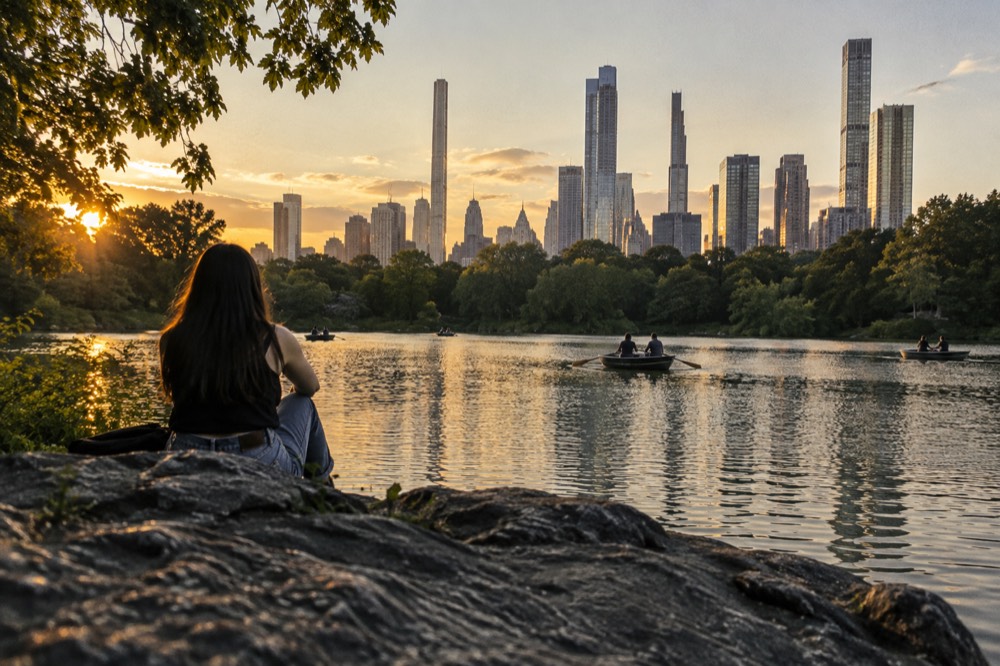
Short answer
Central Park is free to enter and open daily from 6:00 to 1:00. Most visits run 2 to 4 hours. The highlights sit between 59th and 86th Streets, and the subway drops you at the gate.
Central Park runs 2.5 miles from 59th Street to the top of Manhattan, which is a fact worth holding onto before you plan anything: the park is longer than the walk from Grand Central to Times Square, twice over. Most first-time visitors see a fraction of it, the slice between the southern entrance and Bethesda Terrace, and leave convinced they have seen Central Park. They have seen a corner of it.
The park is free to enter, open every day of the year, and reachable by more subway lines than almost any other attraction in New York. What trips people up is not access or cost. It is scale, and the fact that the park's layout, a series of loops and crossing transverse roads, defeats the sense of direction of even confident city walkers. This guide covers what a visit actually involves: which entrance to use, what things cost inside the gates, how long to allow and what is worth the walk north.
Is Central Park Free to Visit?
Yes, Central Park is completely free to enter and always has been. There is no gate, no ticket and no timed entry for the park itself. The only costs inside are optional ones: the Central Park Zoo, boat rentals, the carousel and food. A visitor can walk from the Pond at 59th Street to the quiet northern lawns, see the Ramble, Bethesda Terrace and the Reservoir, and spend nothing but shoe leather.
What is not free is a short list, and it is worth knowing before you arrive so nobody in your group assumes the zoo is included in the park. The Central Park Zoo is a separate paid attraction, a compact zoo rather than a full-day one, and its tickets are bought separately. Rowboat rental at the Loeb Boathouse lake is priced by the hour. The carousel charges per ride. Beyond those, the park's best experiences, Bethesda Terrace, Bow Bridge, the Mall, Strawberry Fields, the Great Lawn, the Ramble, the Reservoir running track, cost exactly nothing.
For anyone building a low-cost trip, the park pairs naturally with the other free anchors of Manhattan. The free things to do in NYC extend well beyond the park, but Central Park is where most of those itineraries start, and rightly so: few cities give away this much designed landscape.
| Thing inside the park | Cost | Notes |
|---|---|---|
| Entering the park, all paths, lawns, bridges | Free | Open daily 6:00 to 1:00 |
| Central Park Zoo | Paid ticket | Separate attraction, smaller than most expect |
| Rowboat rental, the Lake | Hourly rental | Seasonal, weather dependent |
| Carousel | Per ride | Classic, popular with kids |
| Sheep Meadow, Great Lawn, lawns | Free | Lawns sometimes close for maintenance |
| Ranger programmes and tours | Free | Subject to availability |
Where Do You Enter Central Park and Which Subway Do You Take?
The two most useful entrances are Grand Army Plaza at 59th Street and 5th Avenue for the southern highlights, and the 72nd Street entrance on the west side for the Lake, Strawberry Fields and Bethesda Terrace. The N, R and W trains stop at 5th Avenue-59th Street, and the B and C trains stop at 72nd Street on Central Park West. Most two-hour visits enter at 72nd Street and exit at Grand Army Plaza.
The 72nd Street entrances are the workhorses. On the west side, the B and C trains drop you steps from Strawberry Fields and the Lake. On the east side, the 6 train at 68th Street-Hunter College puts you a short walk from the Conservatory Water, the model boat pond that appears in a famous children's book and, for many visitors, the first thing they recognize. From either 72nd Street gate, the walk to Bethesda Terrace is ten to fifteen minutes through the park's most photogenic sections.
The southern entrance at Grand Army Plaza suits anyone coming from the 5th Avenue shopping stretch or arriving on the N, R or W. From there, the Pond, the Gapstow Bridge and the zoo cluster within the first quarter mile, and the Mall begins a gentle walk north. The far north of the park, beyond the Reservoir, is the least visited and in some ways the most surprising section: the Harlem Meer, the North Woods with its streams and waterfalls, and the Great Hill. The 2 and 3 trains at Central Park North serve that end.
One practical note on the subway: the park sits between two lines on the west and several on the east, and there is no line through it. The A, B, C and D run up the Central Park West edge with stops at 59th, 72nd, 81st and 86th Streets, and the 4, 5 and 6 run up the Lexington Avenue side a few blocks east. Pick your entrance first, then the train, not the other way round. The nyc subway guide covers the fare system in detail, but the short version for the park is that a single tap covers the ride and transfers are free within two hours.
| Entrance | Subway | Best for |
|---|---|---|
| Grand Army Plaza, 59th St and 5th Ave | N, R, W | Pond, Gapstow Bridge, zoo, first visits |
| 72nd St, Central Park West | B, C | Strawberry Fields, the Lake, Bethesda Terrace |
| 72nd St, 5th Ave side | 6 to 68th St | Conservatory Water, the Mall from the east |
| 81st St, Central Park West | B, C | American Museum of Natural History exit |
| Central Park North | 2, 3 | Harlem Meer, North Woods, quiet visits |
The park rewards a guide more than most, because its layout is a nineteenth-century design meant to be experienced as a sequence of scenes, and the loops do not announce themselves. A guided option solves that: the Central Park walking tour below strings the highlights together and leaves the navigation to someone who knows the paths.
How Long Should You Spend in Central Park?
Two hours covers the southern and mid-park highlights: the Mall, Bethesda Terrace, Bow Bridge and the Lake. Four hours adds the Ramble, the Reservoir and the Great Lawn at a relaxed pace. A full day is only worth it if you add the zoo, a boat rental or the quiet far north, or if you want to sit on a lawn for hours, which is a legitimate use of the park.
The honest arithmetic: walking the park's full 2.5-mile length without stops takes about an hour at a brisk pace. Add photography stops, the detours the park invites, and a rest on a bench or two, and the same walk becomes half a day. Most itineraries in the 1 day in NYC plans allocate a morning or an afternoon to the park, which is the right scale: enter at one end of the highlight zone, exit at the other, and resist the urge to see everything.
The mistake to avoid is treating the park as a corridor between two attractions. Visitors walking from the Met to the zoo, or from the Guggenheim to the Dakota, cut through the park's best sections at speed and remember none of it. The park is a destination. If your day only allows a pass-through, choose the 72nd Street to Bethesda Terrace stretch, which packs the densest concentration of the park's signature views into twenty minutes of walking.
Families with children should budget differently. The zoo, the carousel, the Conservatory Water model boats and playgrounds cluster in the southern half, and a family morning can fill three hours without leaving the area between 59th and 75th Streets. The things to do in NYC with kids guide places the park at the center of that itinerary for good reason.
What Are the Highlights of Central Park?
Bethesda Terrace and its fountain are the park's centerpiece, where the formal Mall meets the Lake. The other essentials are the Mall's elm canopy, Bow Bridge, the Ramble's wooded paths, Strawberry Fields, the Great Lawn, and the Reservoir with its skyline view. Conservatory Water, the model boat pond, and Sheep Meadow round out the southern section. Together these form a walkable spine through the heart of the park that most visits follow, in whole or in part.
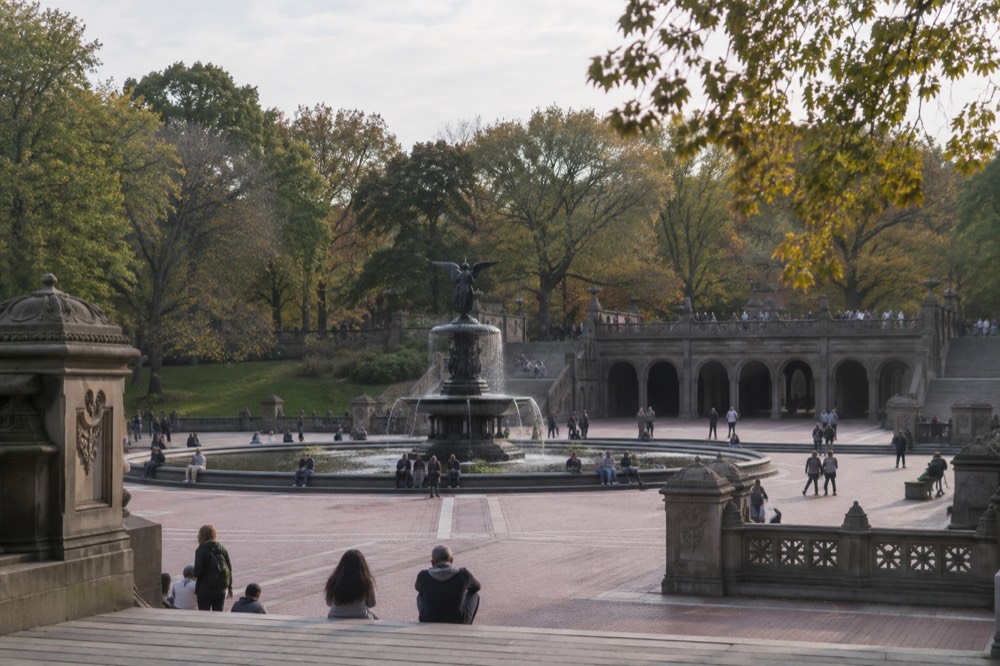
Bethesda Terrace is the one spot that justifies the park's fame on its own. The terrace sits at the formal end of the Mall, its arcade of carved sandstone arches facing the fountain and the Lake beyond. Street performers work the arcade, the fountain is the park's most photographed object after the skyline itself, and the view north across the Lake to the towers on Central Park West is the shot most visitors came for. Arrive early in the morning and you have it almost to yourself.
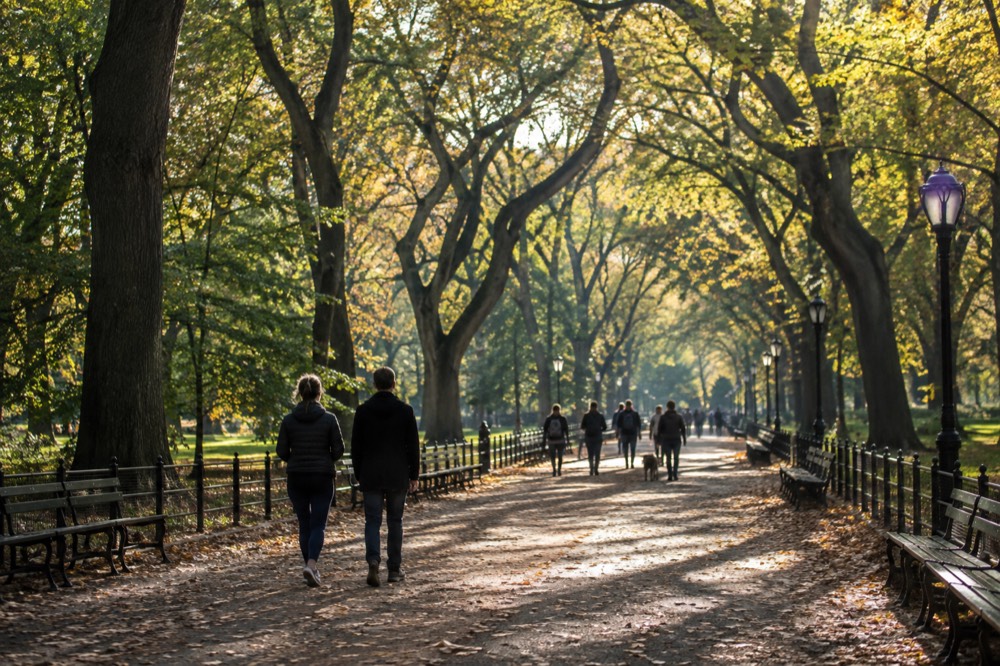
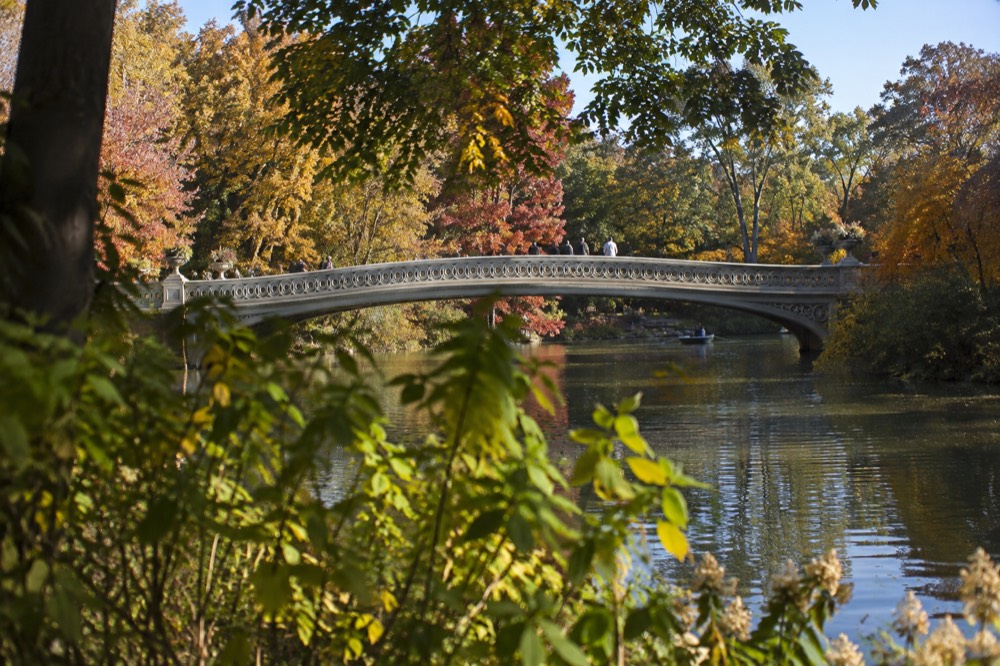
The Mall runs south from the terrace, a straight quarter mile of American elms, one of the largest remaining stands in the country, planted to create a cathedral canopy. At its southern end sits the Literary Walk, lined with statues of writers. Bow Bridge, a short walk west of the terrace, is the park's most elegant structure, a low cast-iron span whose curve reflects perfectly in the Lake on calm mornings. The Ramble, just north of the Lake on the west side, is a deliberately wild stretch of paths, thickets and small clearings, designed to make visitors feel lost in a forest minutes from Fifth Avenue. Birdwatchers treat it as one of the best spots in Manhattan.
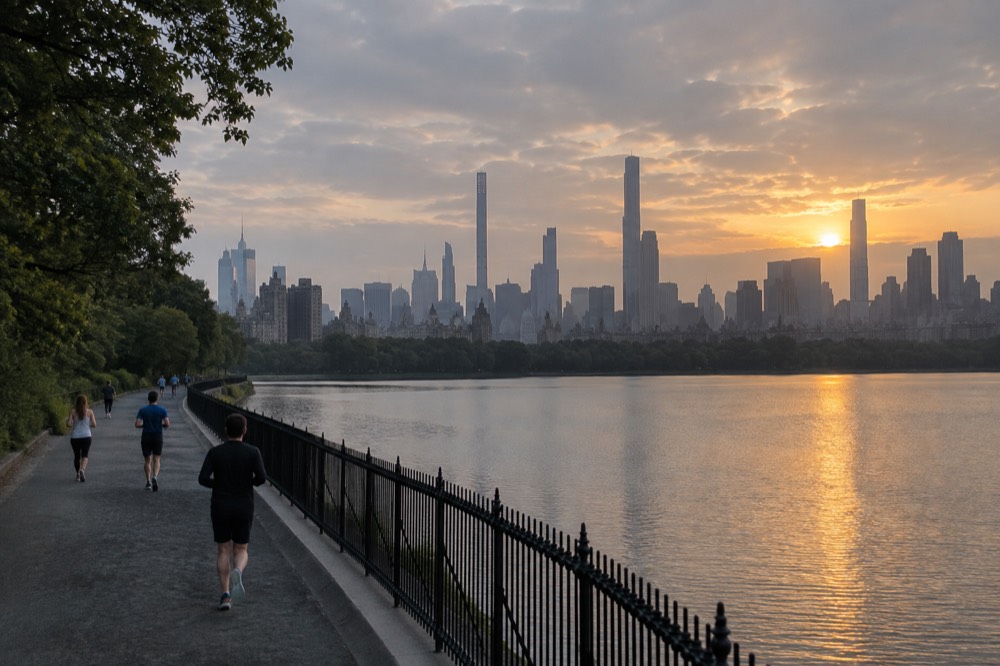
Strawberry Fields, near the 72nd Street west entrance, is a quiet garden dedicated to John Lennon, who lived across the street at the Dakota. The Imagine mosaic, a single word set in stone at the center of a clearing, draws visitors constantly but the space stays calm. The Great Lawn, mid-park south of the Reservoir, is a broad oval of green that hosts free summer performances and, on any warm afternoon, thousands of New Yorkers doing nothing in particular, beautifully. The Reservoir, the big water north of 86th Street, carries a running track around its rim with the whole midtown skyline stacked behind it.
| Highlight | Location | What it is |
|---|---|---|
| Bethesda Terrace and Fountain | Mid-park at 72nd St | Carved arcade, fountain, the park's centerpiece |
| The Mall and Literary Walk | South of Bethesda Terrace | Elm canopy promenade, writer statues |
| Bow Bridge | West of the Lake | Cast-iron bridge, the classic photo |
| The Ramble | West side, north of the Lake | Wild woodland paths, birdwatching |
| Strawberry Fields | 72nd St, west side | Lennon memorial garden, Imagine mosaic |
| Conservatory Water | East side, near 72nd St | Model boat pond, children's classic |
| The Great Lawn | Mid-park, south of the Reservoir | Open oval lawn, free summer shows |
| The Reservoir | North of 86th St | Running track, skyline views |
| Harlem Meer and North Woods | The far north of the park | Stream, waterfalls, the quiet park |
When Is the Best Time of Day to Visit Central Park?
Early morning, from sunrise to about 9:00, is the park at its best: empty paths, soft light and the Ramble full of birdsong. Late afternoon into golden hour is the second choice, especially for photographers. Midday is the most crowded window and the least flattering light, but the lawns are at their liveliest. In summer, evening is when the park belongs to New Yorkers, with free performances and the lawns full until the 1:00 closing.
Dawn in the park belongs to runners, dog walkers and photographers, and it is the hour when the park most resembles the pastoral landscape it was designed to be. The Bethesda Fountain photographs well in the first hour after sunrise, when the light comes low across the Lake and the terrace is nearly empty. Birdwatchers will find the Ramble at its most active before the crowds arrive. The trade-off is simple: an early visit costs you sleep and buys you the park as locals who live beside it experience it. The wider set of guides lives on New York City Travel Guide.
Midday brings the tour groups, and the highlight zone between Bethesda Terrace and the Mall carries the heaviest foot traffic of any park path in the city. That is not a reason to avoid it, only to adjust expectations: in July at 1:00 in the afternoon, the Mall is a parade, and shade is the scarce resource. The lawns are different, since they absorb crowds easily, and Sheep Meadow on a summer weekend is a scene worth seeing once, a solid mass of sunbathers with the skyline standing over them.
Evening deserves more attention than most guides give it. The park closes at 1:00, not at dusk, and summer evenings bring free Shakespeare in the Delacorte Theater, concerts on the Great Lawn and the nightly ritual of New Yorkers claiming picnic spots for sunset. The park after dark is generally fine on the main paths, which are lit, but the wooded sections, the Ramble and the North Woods, are best enjoyed in daylight.
Does Central Park Cost Anything Once You Are Inside?
Entry is free, but several experiences inside the gates charge: the Central Park Zoo, rowboat and bike rentals, the carousel, and food from vendors and kiosks. None are required. A family can spend a full day on a picnic and the free lawns, or add the zoo, a boat and ice cream and spend meaningfully. The zoo is the biggest single add-on cost, and boat rental is hourly.
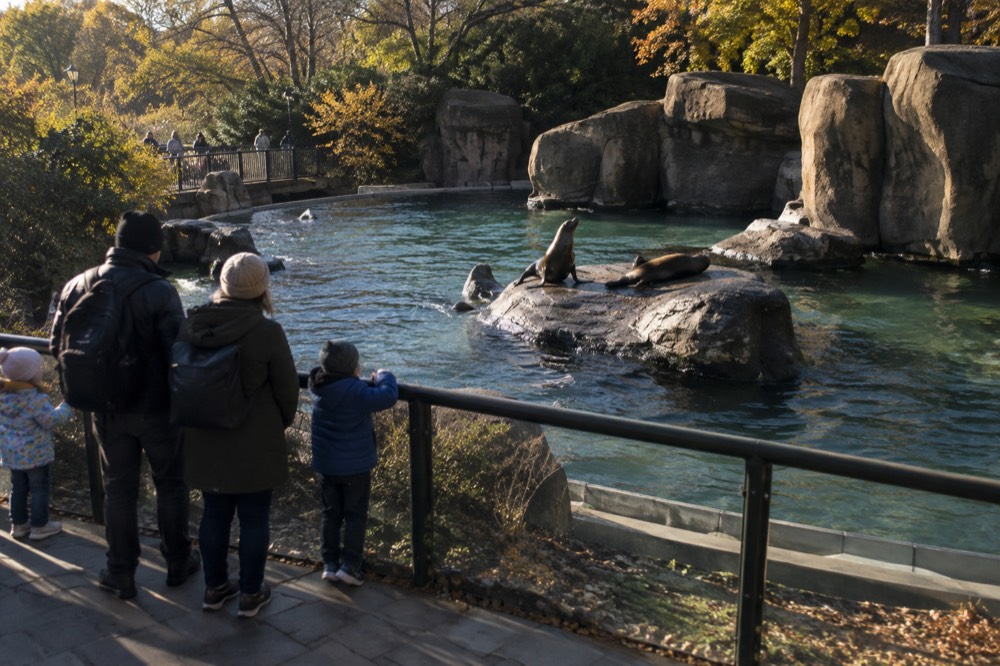
The zoo deserves a specific word because expectations are where it goes wrong. The Central Park Zoo is small, a compact site just inside the park's southern end, and a visit runs an hour or two rather than half a day. Its stars are the sea lions, the penguins and the snow leopard, and the Tisch Children's Zoo next door is included with admission. It suits families with young children and visitors with a spare hour far better than visitors expecting the Bronx Zoo, which is a different institution entirely and a full-day trip.
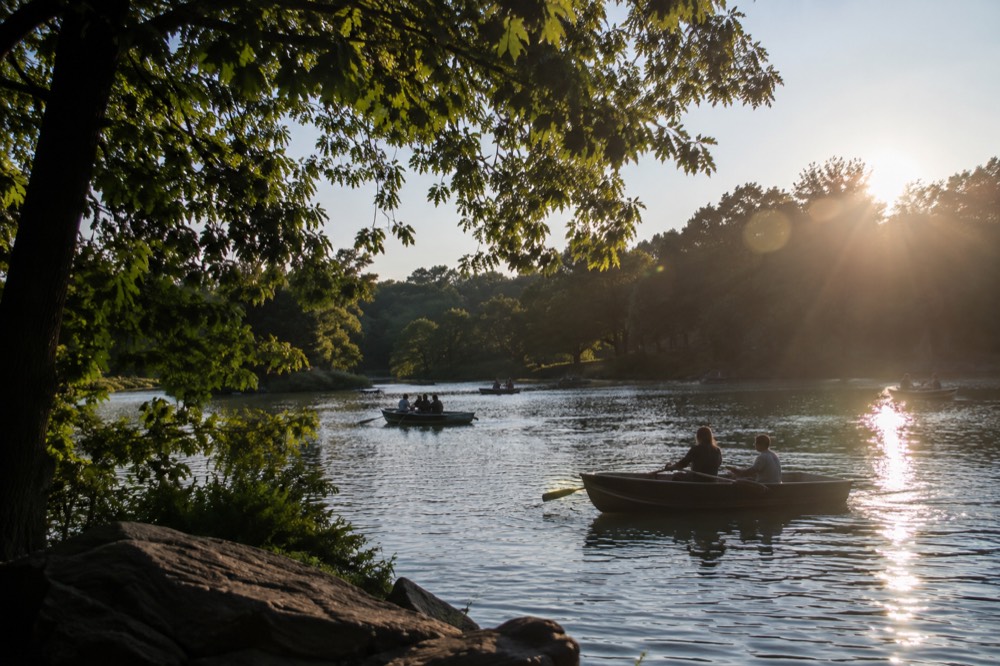
Boat rental at the Lake is one of the park's genuinely romantic options, and its pricing is hourly with a deposit on the boat. The carousel near the zoo charges per ride and is a reliable hit with children. Food runs the range from hot dog carts and pretzel vendors on the main paths to cafes and kiosks at the Loeb Boathouse end of the Lake, and prices inside the park run above what the same items cost a few blocks away, which is the standard premium for captive scenery. A picnic from a deli outside the gates remains the best-value meal in the park, and the lawns are built for it.
| Paid option inside the park | What you get | Who it suits |
|---|---|---|
| Central Park Zoo | Compact zoo plus children's zoo | Families with young kids, spare hour |
| Rowboat rental, the Lake | Hourly boat, deposit on the boat | Couples, photographers |
| Carousel | Classic ride near the zoo | Young children |
| Food kiosks and carts | Snacks, drinks, ice cream | Everyone, at a premium |
| Bike rental outside the park | Hourly, rides the park loops | Covering long distances fast |
For a fuller picture of how the park fits into a low-budget trip, the NYC on a budget guide treats it as the anchor free attraction, which is exactly what it is.
What About a Free Walking Tour of Central Park?
Yes, free tip-based walking tours of Central Park run on GuruWalk, and they are a real option for visitors who want the park explained without a fixed price. The trade-off is honest: the guide works for tips, so you pay what you think the walk earned at the end. For travelers who prefer a fixed price and a set small group, the paid guided walk covers similar ground.
The free option suits a certain kind of visitor: someone flexible on timing, comfortable with the tipping convention and happy to join a group of strangers. The walks run around two and a half hours, cover the Ramble, the Lake and the quieter corners most visitors walk past, and the guides are locals who know the design stories. Reserve a spot through the listing, arrive on time, and bring cash for the tip.
The paid guided walk, by contrast, suits visitors who want a fixed cost, a set start time and a guide whose route is guaranteed to hit Bethesda Terrace, the Mall, Bow Bridge and the movie locations. Two hours, flat paths, suitable for most fitness levels, and a good fit for grandparents and children. Which one is right is mostly a question of temperament, not quality.
How Does Central Park Fit Into a Wider Manhattan Day?
The park sits between two of Manhattan's densest sightseeing corridors: Museum Mile on the east side and the Theater District to the south, so it slots naturally between a museum morning and a Midtown afternoon. The most efficient pairing is the Metropolitan Museum of Art in the morning, then a walk west through the park to the Lake. The American Museum of Natural History anchors the opposite corner.
The museum pairing deserves emphasis because the geography does the work for you. The Met's entrance sits inside the park at Fifth Avenue on the eastern edge: you exit the museum directly onto park paths, and a fifteen-minute walk west brings you to the Obelisk, the Great Lawn and the Lake. The American Museum of Natural History stands directly across Central Park West from the 81st Street entrance, so the same logic runs in reverse. A museum, a park walk and a second museum is a genuinely full Manhattan day, and the park is the free middle third of it.
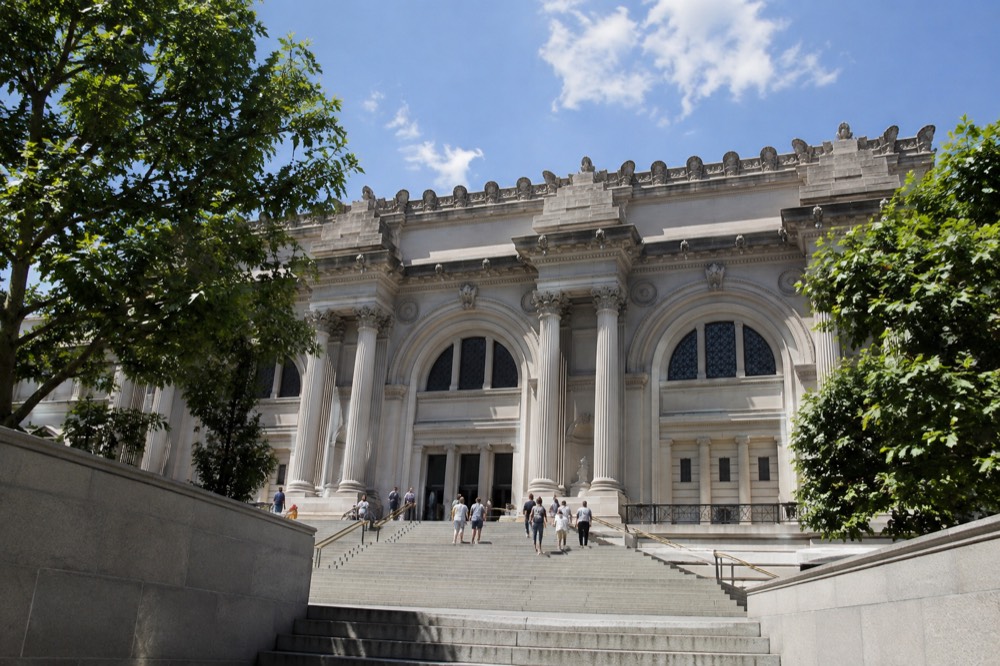
One fact most guides omit: a single Met ticket covers the Fifth Avenue museum and The Met Cloisters on the same day, so a determined visitor can pair the Met's Egyptian galleries with a park walk and finish at the Cloisters far uptown, where Fort Tryon Park offers a second, quieter green experience. That is an ambitious day, but it is a real one, and the park is the bridge between its halves. The Met's own admission policy, a fixed $30 for adults with pay-what-you-wish only for New York State residents and NY, NJ and CT students, is covered in detail in the Metropolitan Museum of Art tickets guide.
For visitors who want the museum's highlights decoded rather than discovered by accident, a guided group tour does the same job indoors: skip-the-line entry and a route through the marquee rooms in a couple of hours, with the guide keeping the group small enough for questions. It pairs naturally with a park walk on the same day.
South of the park, the corridor runs to Rockefeller Center, Top of the Rock and Times Square, all within a mile of the park's southern gate. A classic day walks the park in the morning, takes lunch in Midtown, and finishes with an observation deck at golden hour, when the park itself is one of the best things to look down at. The things to do in Manhattan guide assembles that sequence in full.
What Should You Know Before You Go?
Bring water and comfortable shoes, pick your entrance before you set out, and do not plan to cross the park quickly, because the paths curve on purpose and the distances are real. The park has public restrooms, seasonal water fountains and food at a premium. The transverse roads that cut through carry car traffic, so cross at the designated paths. And the park closes at 1:00, not at sunset.
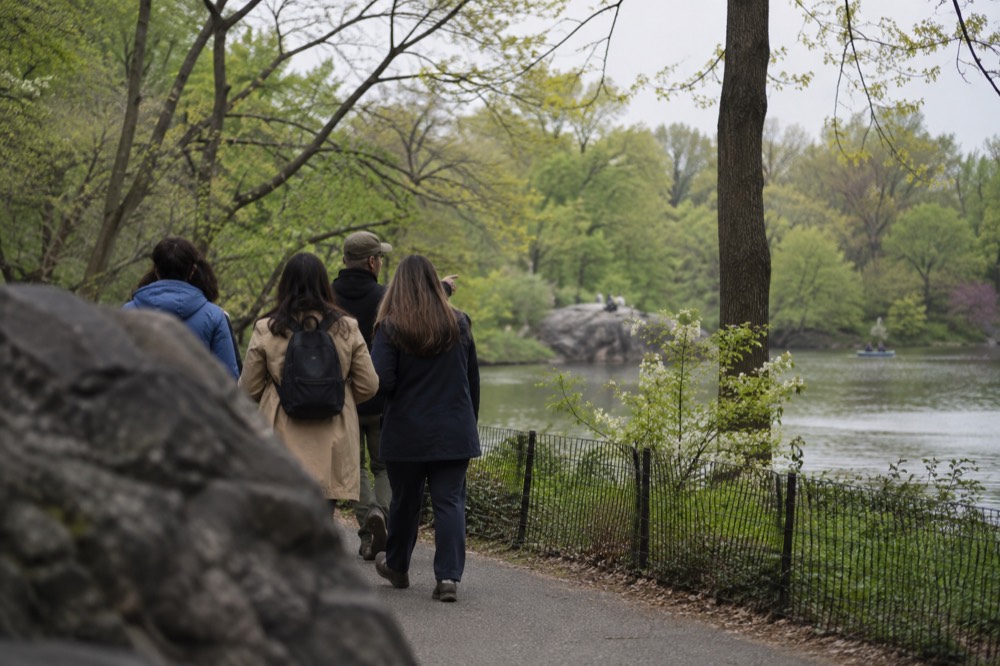
Footwear first, because it is the most common failure. The park's paths are a mix of asphalt, gravel and stone, the loops add distance, and a visitor who plans a quick crossing routinely ends up walking two miles. In summer, shade is plentiful in the Ramble and on the Mall but scarce on the lawns, and the fountains run seasonally, so carry water. In winter, the paths are cleared after snow but the stone surfaces hold ice, and February, the snowiest month on the Central Park normals, is when the park photographs most beautifully and demands the most careful footing.
Navigation is the second failure. The park was designed to hide the city, and it works: inside the Ramble even the skyline disappears, and the winding paths defeat phone maps because the tree cover breaks the signal. The main loops, the drives that circle the park, are the reliable orientation aids, and the numbered cross streets appear only where the transverse roads pass under. A paper map from a visitor center, or a guide for the first hour, saves more time than any app.
The last thing worth knowing is what the park is for New Yorkers, because it changes how you behave in it. This is not a monument people visit; it is the back garden of an apartment building eight million people share. The lawns are for sitting, the drives are for running and cycling, the benches are for reading, and the fastest way to stand out as a visitor is to treat it as a corridor between photo stops. Sit down for an hour. It is the one activity in Manhattan that costs nothing and delivers the most.
Common Questions About Central Park
Central Park questions cluster around a few practical points: cost, timing, safety and how much of it a visit can realistically cover. The short answers are that entry is free, two hours sees the highlights, the main paths are busy and safe at all reasonable hours, and the park is far larger than its postcard suggests. The details below cover the questions visitors ask most before a first trip.
Is Central Park free?
Yes. Entry to the park, all its paths, lawns, bridges and viewpoints is free, every day. Only the zoo, boat rental, the carousel and food cost money, and all of those are optional.
How long does it take to walk through Central Park?
Walking the park's full 2.5-mile length without stops takes about an hour. With the highlight stops most visitors want, plan two hours for the southern and mid-park core, or four for a relaxed visit that includes the Ramble and the Reservoir.
What is the best entrance to Central Park?
For the highlights, the 72nd Street entrances on either side. The B and C trains serve the west entrance at Central Park West, near Strawberry Fields and the Lake, and the 6 train at 68th Street serves the east side near the Conservatory Water. First-timers arriving from Midtown often enter at Grand Army Plaza at 59th Street.
Is Central Park safe?
The park's main paths are busy from early morning until late evening and are generally safe at reasonable hours, with the highlight zone carrying foot traffic all day. Use the same judgment as anywhere in the city: stay on populated paths after dark, and save the wooded sections, the Ramble and the North Woods, for daylight.
Can you see all of Central Park in one visit?
No, and you should not try. The park runs 2.5 miles north to south and covers far more ground than a postcard suggests. A single visit covers the spine between 59th Street and the Reservoir well; the far north, the Harlem Meer and the North Woods, rewards a separate, quieter trip.
Are there restrooms and food in Central Park?
Yes. Public restrooms sit at several locations including near the zoo, Bethesda Terrace and the Great Lawn. Food comes from carts and kiosks at a premium, so many visitors bring a picnic from a deli or market outside the gates, which is both cheaper and better.