Is the Museum of Modern Art in New York Worth Visiting?
A direct, sourced answer on whether the Museum of Modern Art in New York is worth visiting, with real ticket prices, hours, free-admission rules and how it compares to the Met.
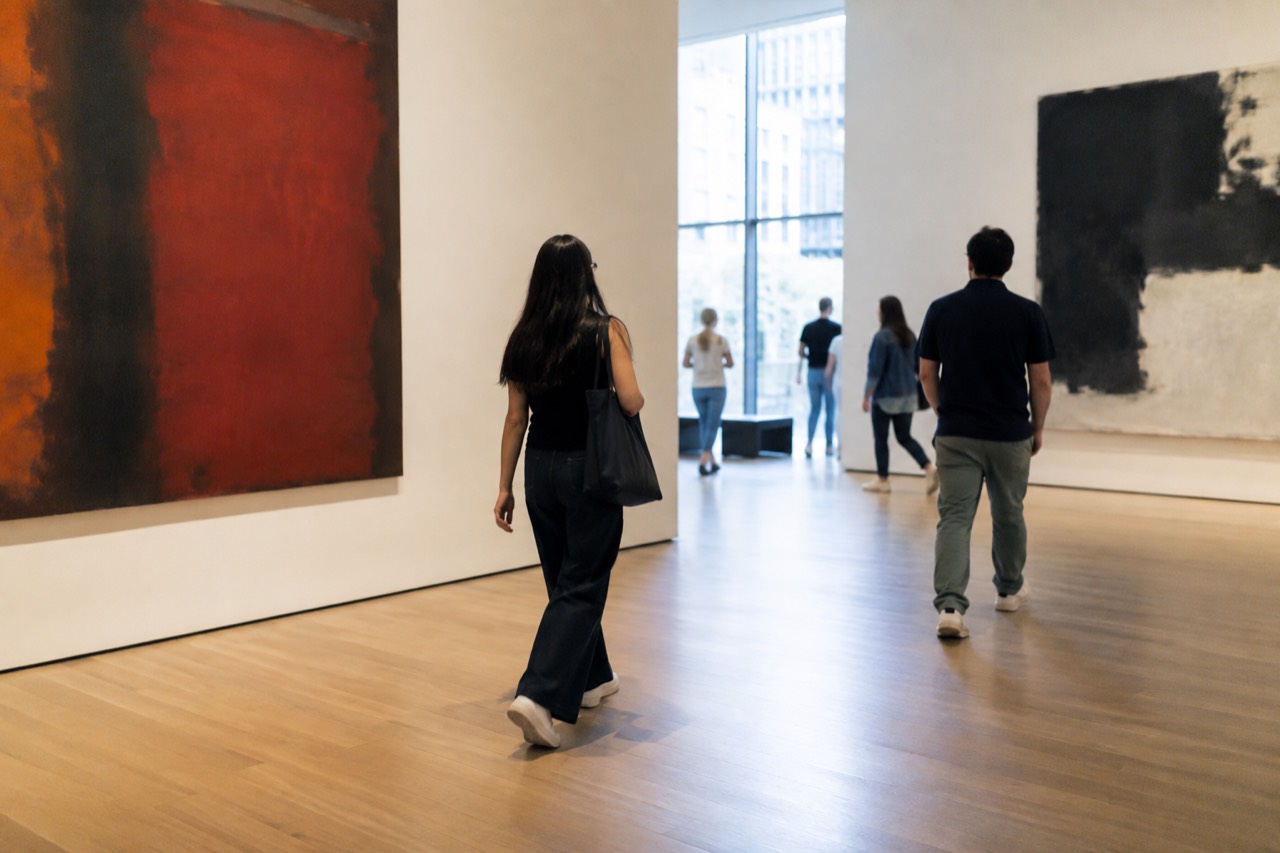
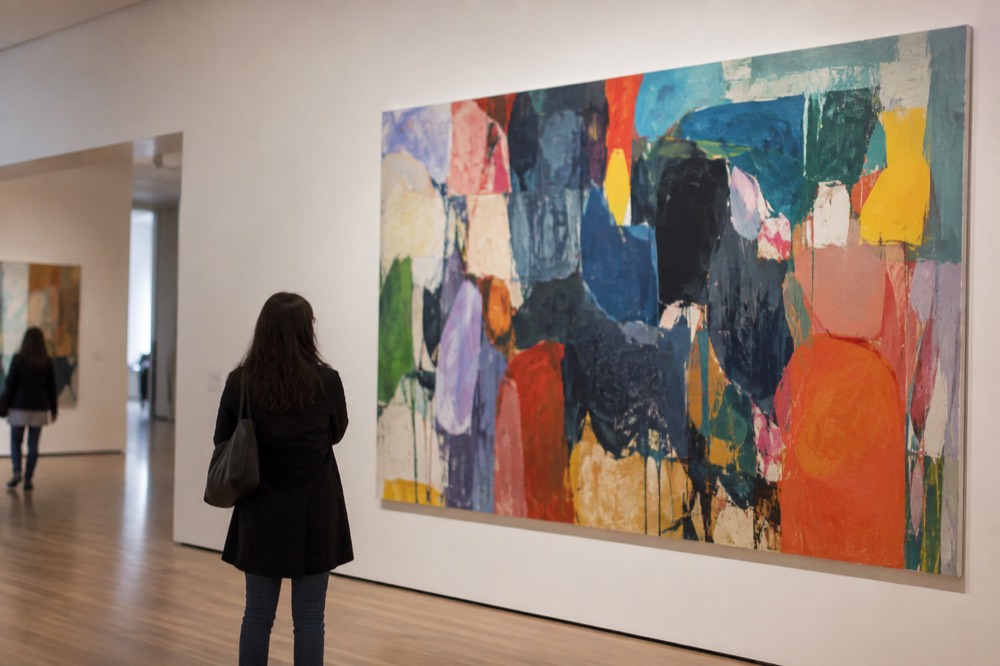
The Museum of Modern Art sits on the block between 5th and 6th Avenues in Midtown, a short walk from Times Square and one of the most-visited art museums anywhere. It is not the biggest museum in the city, it is not the oldest, and at $30 a ticket it is not cheap. What it is, uniquely, is the place where modern art was canonized: Van Gogh's Starry Night, Picasso's Les Demoiselles d'Avignon, Monet's Water Lilies, Dalí's The Persistence of Memory, all in one building a block off 5th Avenue.
This page answers the question directly, with the real prices, the free-admission rules most guides get wrong, and a verdict you can act on. The short version: for most first-time visitors with even a passing interest in art, yes, and the reasons are specific rather than sentimental.
Is the Museum of Modern Art in New York Worth Visiting?
Yes, for most visitors the Museum of Modern Art is worth the ticket and the time, because it concentrates the most famous works of modern art in the world into a compact, walkable Midtown building. Van Gogh's Starry Night alone draws people who otherwise never enter museums. It is worth skipping only if you genuinely dislike twentieth-century art, or if your visit is so short that outdoor sightseeing has to win.
The case for MoMA is density. In roughly two hours you can see the paintings that appear in every art-history textbook: Starry Night, Matisse's The Red Studio, Picasso's Demoiselles, Frida Kahlo's Self-Portrait with Cropped Hair, Warhol's Campbell's Soup Cans. At the Metropolitan Museum of Art, a first-timer can wander for hours and still miss the headline works, because the building is enormous and the collection sweeps across millennia of human history. MoMA's scope is narrower and its hits are easier to find.
The case against is honest and worth stating. If you prefer ancient art, armor, period rooms or Old Masters, MoMA will feel thin and expensive. The galleries are popular and the bottleneck around Starry Night can be genuinely crowded at midday. And $30 is real money when the money page of things to do in NYC is full of sights that cost nothing at all.
The verdict most visitors arrive at: MoMA is worth it as a two-hour morning or a Friday-evening visit, ideally paired with Rockefeller Center or a walk down 5th Avenue afterward. It is a poor choice as your only museum only if modern art leaves you cold, in which case the Met or the American Museum of Natural History serves you better.
How Much Do MoMA Tickets Cost in New York?
An adult MoMA ticket costs $30, with seniors at $22, students at $17, and visitors 16 and under entering free. The famous free Friday nights are for New York State residents only, not tourists, and require advance reservation plus proof of residency. Out-of-state and international visitors pay full price at all times, so budget $30 per adult and treat any free entry you read about elsewhere with suspicion.
That Friday-night rule is the single most misreported fact about this museum. Free admission runs 17:30 to 20:30 on Fridays, made possible by UNIQLO, and it is genuinely free, but only for New York State residents. Free tickets must be reserved in advance, subject to availability, and proof of residency is checked. A visitor from Ohio, Ontario or Osaka does not qualify. Countless guides repeat "MoMA is free Friday nights" without the residency condition, and travelers plan their week around a discount they cannot use.
The full price structure, from the museum's own visitor information:
| Visitor | Admission |
|---|---|
| Adult | $30 |
| Senior (65+) | $22 |
| Visitor with a disability | $22 |
| Student | $17 |
| 16 and under | Free |
| Members | Free |
| NY State residents, Friday 17:30-20:30 | Free with reservation and proof of residency |
Hours matter as much as price. MoMA opens daily at 10:30 and closes at 17:30, except Fridays, when it stays open until 20:30. It closes on Thanksgiving and Christmas. The quietest windows are weekday mornings right at opening and the last hour before closing; the loudest are weekend afternoons and rainy days, when half of Midtown's tourists relocate indoors.
A word on how to buy. The ticket desk on the street level takes walk-ups, but the line is unpredictable, and on a wet Saturday it can cost you half an hour you would rather spend in front of a Monet. A skip-the-line ticket through the operator's live listing shows the current price and available entry windows before you commit, and on peak days that is the difference between a calm first hour and a frustrated one. If you plan to visit several paying attractions in one trip, compare the single ticket against a pass before you buy. The New York CityPASS guide explains how the bundled math works, and it is worth doing the arithmetic against your actual wishlist rather than the pass's marketing.
What Are the Must-See Works at MoMA?
The collection is anchored by a handful of paintings that define modern art: Van Gogh's The Starry Night, Picasso's Les Demoiselles d'Avignon, Monet's Water Lilies triptych, Dalí's The Persistence of Memory, and Matisse's Dance (I). Most visitors can see the headline works in about two hours on the upper floors, which is why the museum rewards a planned route over aimless wandering.
The upper floors hold the permanent collection, and that is where the famous names live. Starry Night draws a permanent crowd; approach it from the side galleries rather than the main doorway and you will usually get a clearer view. Water Lilies occupies its own gallery and is the room most visitors describe afterward as their favorite, because Monet designed the triptych to surround you rather than face you.
The lower floors rotate. Contemporary galleries on the second floor change exhibitions regularly, and the design collection, everything from the original Bell telephone to chairs and typefaces, is the part of MoMA that surprises people who came only for paintings. Film screenings run in the theaters downstairs and are separately ticketed.
A practical route for a two-hour visit:
| Stop | What to see | Rough time |
|---|---|---|
| Top collection floor | Starry Night, Matisse, Picasso's Demoiselles | 45 min |
| Next floor down | Pollock, Warhol, Pop Art galleries | 30 min |
| Second floor | Design collection and rotating contemporary shows | 20 min |
| Sculpture Garden | Free to enter from the street, a quiet reset | 15 min |
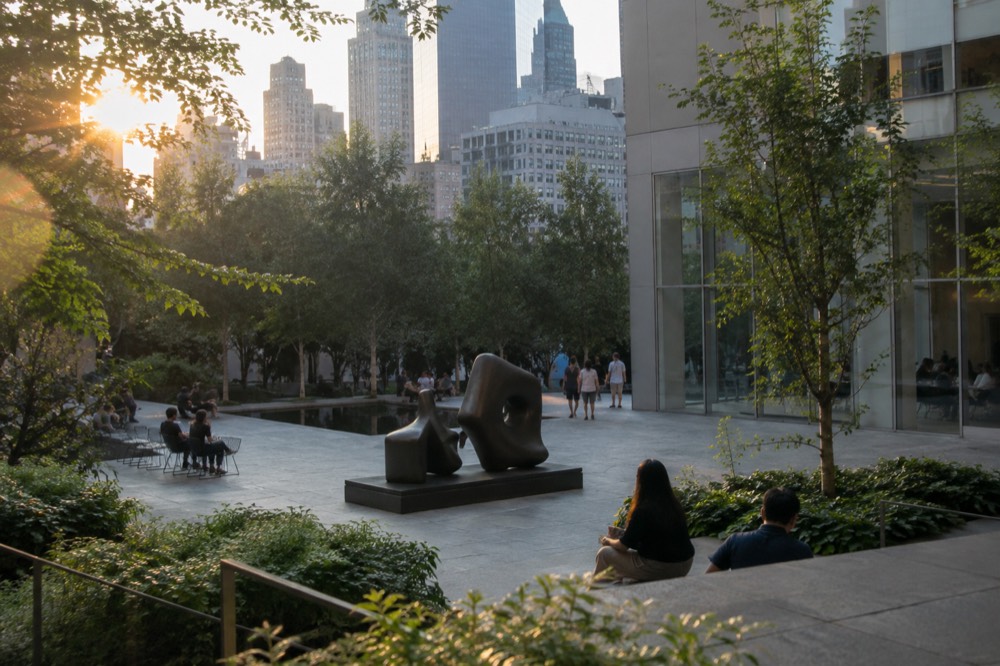
The sculpture garden deserves a specific mention: it is accessible from inside the museum, and on a fine day it is the best-kept-secret corner of Midtown, with benches, trees and Noguchi sculptures a few steps from the MoMA ticket line outside. Locals use it as a lunch spot, and there is no rule saying a museum visit cannot include twenty minutes of sitting outdoors in the middle. The Midtown Manhattan guide covers what to pair with the museum on the same walk, from Rockefeller Center to St. Patrick's Cathedral, all of it within a short radius of the front door.
How Does MoMA Compare to the Met and Other New York Museums?
MoMA and the Metropolitan Museum of Art are different products, not rivals: MoMA covers roughly the last century and a half of art in a compact building for $30, while the Met spans a far longer stretch of history in a much larger building, also $30 for adults. Choose MoMA for concentrated famous modern works in two hours, and the Met for depth, antiquities and a full-day visit. The Guggenheim and Whitney are narrower again.
The comparison that trips people up is the price, because both headline tickets read $30. The Met's ticket also covers The Met Cloisters on the same day, which is a real added value if you have the stamina for a second location in Upper Manhattan. The Met's pay-what-you-wish option applies only to New York State residents and NY, NJ and CT students, exactly the same kind of residency restriction as MoMA's Friday nights, and out-of-state visitors pay the fixed $30 there too. Neither museum is free for tourists, whatever a blog post told you.
| Museum | Adult ticket | Best for | Realistic visit |
|---|---|---|---|
| MoMA | $30 | Famous modern paintings, compact route | 2 hours |
| The Met | $30 | Depth, antiquities, Old Masters, Cloisters same-day | Half day |
| Guggenheim | $30 standard, $16 during exhibition changeover | The Wright building itself, modern collection | 1.5 hours |
| Whitney | $30, free daily for anyone 25 and under | American art, Hudson views near the High Line | 2 hours |
| American Museum of Natural History | Fixed price for out-of-state visitors, pay-what-you-wish for NY State residents | Kids, dinosaurs, planetarium | Half day |
One more comparison worth making honestly: if your party includes teenagers or anyone under 25, the Whitney becomes the better value, since anyone 25 and under enters free every day. If your group is adults who want the textbook masterpieces, MoMA wins. And if the weather is bad, MoMA beats the outdoor sights easily; the rainy day activities guide ranks the indoor options, and a museum morning followed by a long lunch is the classic New York rain plan.
For visitors stacking museums and decks into one trip, the skip-the-line entry to MoMA pairs naturally with Rockefeller Center, two blocks away. You can check the current price and time slots on the operator's live listing.
Is MoMA Good for Kids and First-Time Visitors?
MoMA works surprisingly well for first-time museum visitors and for children over roughly eight, because the collection is visual, compact and famous enough that even reluctant visitors recognize pieces from posters and films. Two hours is a full visit, not a failure. Families with very young children get free entry for anyone 16 and under, which softens the cost of a short attention span considerably.
First-timers benefit from the narrow scope. You do not need a plan to enjoy MoMA the way you need one at the Met, because the building funnels you through a century of art in order. Start at the top of the collection and work down, and stop when you are tired; there is no guilt in leaving after the Pop Art floor. The museum also lends itself well to a first-visit ritual that locals recommend: pick one painting and sit with it for ten minutes. It sounds pretentious until you try it, and it is the difference between seeing a museum and remembering it.
For children, the design collection is the secret weapon. Kids who glaze over at paintings often engage with the everyday objects: the original telephone, chairs, toys, video games. The sculpture garden gives them a sanctioned place to be loud for a few minutes. Strollers are permitted, and the museum is fully wheelchair accessible, with elevators serving every floor, accessible restrooms and seating scattered through the galleries.
The honest limits: toddlers will not enjoy the crowded Starry Night gallery, and the museum asks for quiet in the painting galleries, which is a hard ask for a three-year-old. If your trip is built around children, the NYC with kids guide ranks the attractions that genuinely hold small attention spans, and the natural history museum usually beats MoMA for younger kids, simply because dinosaurs outrank brushstrokes at that age.
What Do Locals and Repeat Visitors Say About MoMA?
Repeat visitors tend to describe MoMA as a museum worth returning to rather than a one-time box to tick, because the special exhibitions rotate constantly while the permanent collection stays stable enough to revisit favorite works. The common criticism is crowding around Starry Night at midday. The common praise is that two hours there feels fuller than four hours at larger museums, and Friday late opening gives locals a genuinely social museum night.
The Friday-evening slot deserves its own paragraph for trip planning. Because the museum stays open until 20:30 on Fridays, it is the one weekday evening when you can visit after a full day of sightseeing, and the building takes on a different character: busier, livelier, more New Yorkers than tourists in the galleries. If your itinerary is packed, Friday evening is the way to fit MoMA in without sacrificing a morning.
Members and repeat visitors also exploit the sculpture garden's street access, which lets you drop in for fifteen minutes without a full visit. The garden is one of the few calm outdoor rooms in Midtown, and on a June afternoon it is a legitimate place to sit with a coffee between the museum and Rockefeller Center.
For travelers deciding between an art stop and a skyline stop, the honest framing is that MoMA and an observation deck serve opposite moods: one is slow and interior, the other fast and panoramic. Some visitors do both in one day, starting with the museum in the morning and riding up a deck at sunset, and the Empire State Building's own museum experience actually rewards the same kind of visitor, the one who wants the story behind the icon rather than just the view.
If that combination appeals, the pairing is easy to book: both attractions sit in Midtown, both use timed entry, and a morning in the galleries followed by an evening at the top is a full day that never requires a subway ride. The listings below show current prices and availability for all three.
Common Questions About Visiting MoMA in New York
The questions below cover the practical details that decide whether a MoMA visit works: how long to allow, when to go, what a ticket includes, and how the free-admission rules really operate. Each answer is short and sourced from the museum's own published visitor information, so you can plan without cross-checking five other pages.
Is the Museum of Modern Art in New York worth visiting?
For most visitors, yes. MoMA concentrates the most famous modern paintings in the world into a compact Midtown building you can see properly in two hours. It is worth skipping only if you dislike twentieth-century art or your visit is too short to spare the time.
How much does a MoMA ticket cost?
Adults pay $30, seniors $22, students $17, and visitors 16 and under enter free. A skip-the-line ticket through the operator's live listing shows the current price and available time slots.
Is MoMA free on Friday nights?
Only for New York State residents. Free Friday admission runs 17:30 to 20:30, requires an advance reservation and proof of residency. Out-of-state and international visitors pay full price at all times.
How long should I spend at MoMA?
Two hours covers the permanent collection highlights comfortably. Add thirty minutes for the design collection and sculpture garden, and more if a special exhibition interests you. Half a day is the realistic maximum for most people.
What is the most famous painting at MoMA?
Van Gogh's The Starry Night is the museum's biggest draw and the painting most visitors come specifically to see. Picasso's Les Demoiselles d'Avignon and Monet's Water Lilies are the other two that anchor most routes.
Should I buy MoMA tickets in advance?
Advance booking is wise on weekends, holidays and rainy days, when the ticket line can stretch long. A skip-the-line ticket removes the desk queue entirely and pairs well with a same-day Rockefeller Center visit two blocks away.
The final word, and the one that matters for planning: MoMA earns its $30 for anyone with a genuine interest in seeing the paintings they already know by name, and it earns it fast, in two hours rather than a full day. Budget the morning, book ahead for a weekend, and walk out through the sculpture garden rather than the gift shop. For everything else in the city, the New York City Travel Guide hub has the full picture.