What Are the Top 5 Things to Do in New York?
A sourced answer to what are the top 5 things to do in New York, with real prices, timing advice and what each one actually costs.
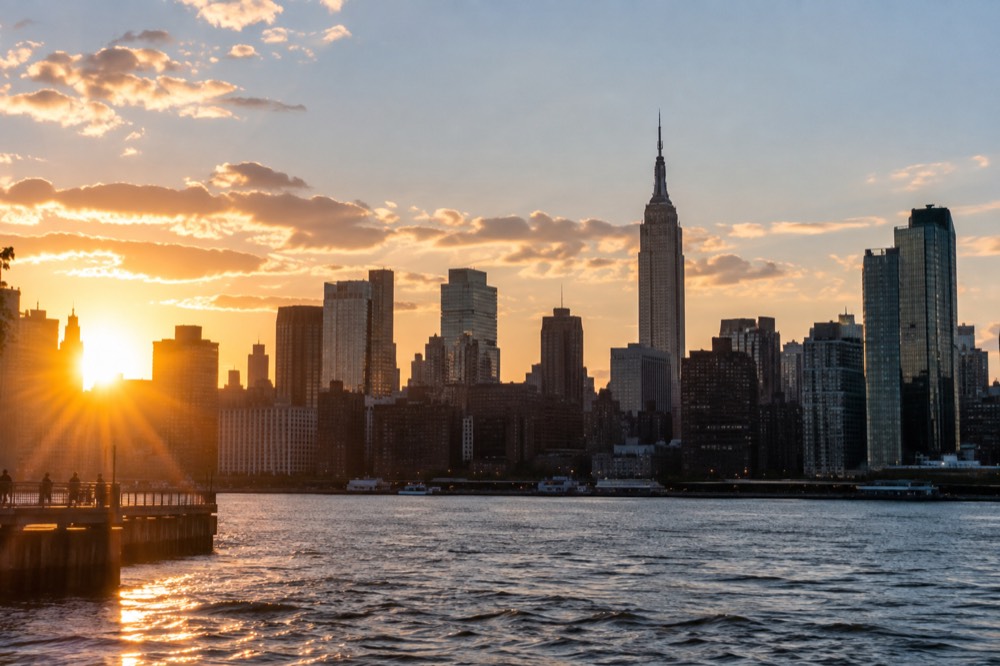
What Are the Top 5 Things to Do in New York?
Ask ten New Yorkers for the top five and you will get eleven answers. But the question deserves a real reply, because a first visit has a shape, and five landmarks do most of the lifting: the Statue of Liberty and Ellis Island, Central Park, the Metropolitan Museum of Art, an observation deck above Midtown, and the Brooklyn Bridge with the neighborhoods on either end of it. The prices are more settled than people expect. The official ferry to both islands is $26.00 for an adult. The Met charges a fixed, mandatory $30 unless you live in New York State or study in NY, NJ or CT. And a New York CityPASS at $149 covers five major attractions over nine consecutive days, including several of these.
This page answers the question directly, then earns the detail underneath: what each of the five costs, how long it takes, when to go, and where the common advice goes wrong.
The Short Answer: Five Landmarks That Carry a First Visit
The top five things to do in New York are: see the Statue of Liberty and Ellis Island from the official ferry ($26.00 adult), walk Central Park, visit the Metropolitan Museum of Art ($30 fixed admission), go up an observation deck such as Top of the Rock or SUMMIT One Vanderbilt, and cross the Brooklyn Bridge on foot into Dumbo. Together they give you the harbor, the park, the art, the skyline and the boroughs beyond Manhattan.
That list is not a ranking. It is a coverage argument. Each item does something the others cannot. The ferry puts you on the water with the city's most famous sculpture. Central Park is the counterweight to every skyscraper around it. The Met holds two million works across five thousand years. The decks give you the vertical city. The bridge hands you Brooklyn and the best free view in New York.
If you only have two or three days, do not treat all five as compulsory. Cut the deck, not the park. A rainy day swaps naturally: the Met absorbs weather, the ferry does not, and the decks are best saved for a clear evening. The full planning picture, including everything beyond these five, lives on the site's things to do in NYC page.
What Are the Top 5 Things to Do in New York?
The five are the Statue of Liberty and Ellis Island, Central Park, the Metropolitan Museum of Art, an observation deck over Midtown, and the Brooklyn Bridge walk into Brooklyn. The paid portion is the $26.00 ferry, the $30 Met ticket and one deck ticket, since the park and the bridge cost nothing. Each one sits in a different part of the city, so the order you attempt them in matters more than the list itself.
Here is the honest comparison a reader otherwise has to gather from five different websites:
| Sight | Adult cost | Time needed | Where | Book ahead? |
|---|---|---|---|---|
| Statue of Liberty & Ellis Island (official ferry) | $26.00 | Half day | Battery Park, Lower Manhattan | Yes, crown sells out months ahead |
| Central Park | Free | 2-4 hours | Midtown to Harlem border | No |
| Metropolitan Museum of Art | $30 fixed | 2-4 hours | Upper East Side | Recommended |
| Observation deck (Top of the Rock example) | from $42, box office $71.86 | 1-2 hours | Midtown | Yes, timed entry |
| Brooklyn Bridge walk | Free | 1-2 hours | Financial District to Dumbo | No |
Two warnings before the detail. First, the Met is not pay-what-you-wish for tourists, whatever an older blog told you. It has charged a fixed mandatory admission for everyone except New York State residents and NY/NJ/CT students since 2018. Second, the official ferry is the only boat that lands on Liberty Island. Plenty of harbor cruises circle the statue, charge more, and never let you set foot on it.
The deck choice deserves a sentence here. Three of the five observation decks, the Empire State Building, Top of the Rock and Edge, appear on the CityPASS menu, and the Empire State Building's box-office AM/PM Experience runs $75.12 while Top of the Rock's runs $71.86. One World Observatory is the outlier downtown at a lower from-price, and SUMMIT One Vanderbilt is the modern, playful one next to Grand Central. Pick one. Nobody needs three decks in one trip.
Why the Statue of Liberty Still Tops the List
The Statue of Liberty and Ellis Island remain the single most popular paid attraction in New York because the official ferry is both cheap and complete: $26.00 adult, $17.00 for children 4-12, covering the round-trip boat, grounds access on both islands, the Statue of Liberty Museum, the Ellis Island National Museum of Immigration and audio tours. Statue City Cruises is the only operator authorized to dock there.
The detail most visitors miss is the crown. A Crown Reserve ticket costs $26.30, thirty cents more than the grounds ticket. The barrier is not money. It is availability: crown tickets are name-bearing, limited to four per order, checked against photo ID, and released on a rolling basis that reportedly sells out around ninety days and often several months ahead. If the crown matters to you, book the day your travel dates are fixed, through Statue City Cruises only.
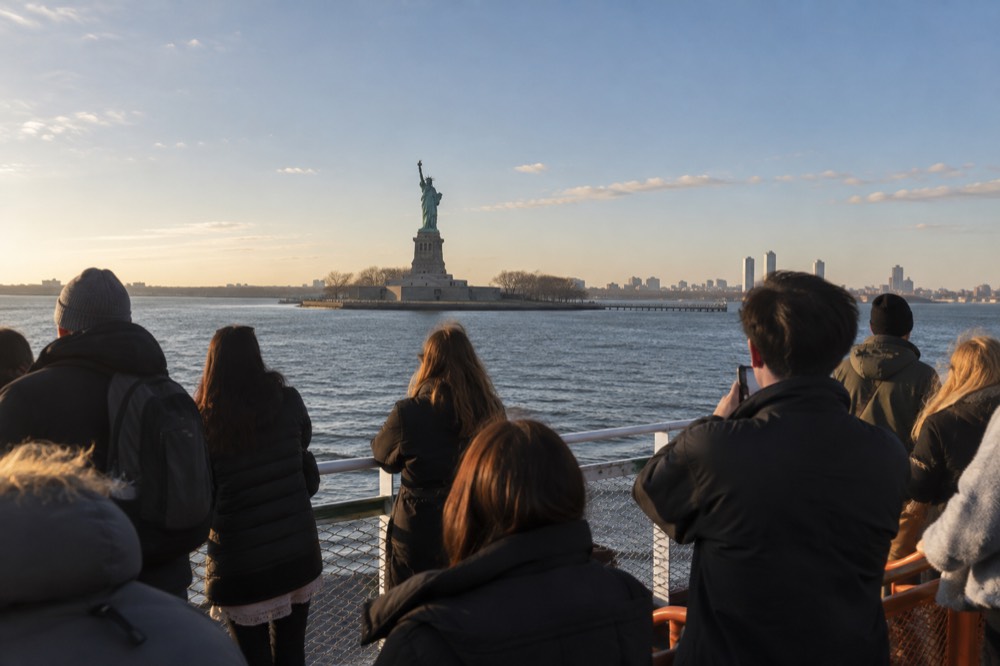
Budget half a day. The ferry loops Battery Park to Liberty Island to Ellis Island and back, and the Ellis Island National Museum of Immigration is a migration-history site worth an hour on its own, not a photo stop. Ranger programmes on both islands are free when running. Take the first boat of the morning if you can: the islands are quieter, the light is better for photographs, and the return ferries in late afternoon are the crowded ones. The full planning detail, including the difference between the general, pedestal and crown tiers, is on the Statue of Liberty tickets guide.
Central Park and the Met: One Green Rectangle, One Museum Ticket
Central Park is free, open daily, and works as the city's pressure valve between the paid sights; the Metropolitan Museum of Art sits at its Fifth Avenue edge and charges a fixed $30 adult admission, $22 seniors, $17 students, free for children 12 and under. Pay-what-you-wish applies only to New York State residents and NY/NJ/CT students, and even then you must pay something.
Pair them on the same day. The Met's Fifth Avenue entrance faces the park, so the natural move is a morning in the galleries and an afternoon walking south through the park, or the reverse in summer heat. Two hours in the Met is a highlights run, not a thorough visit, and the guided group option on this site covers the marquee rooms in that window for visitors who would rather be routed than wander.
One genuinely useful fact most guides omit: every Met ticket includes same-day entry to both Met locations, Fifth Avenue and The Met Cloisters. If you have the legs, the medieval cloisters in Upper Manhattan are the quietest hour in the city's biggest museum, and the same ticket covers them.
A caveat that matters right now: the Met is open, but a long list of galleries is closed for renovation, including parts of the American Wing, the Costume Institute, European Paintings 1250-1800, the Cantor Roof Garden and stretches of Modern and Contemporary Art. Check the museum's gallery closures page before building a visit around a specific wing. The roof garden in particular is exactly the thing people go for, and it is on the closed list.
The Observation Deck Decision: Which View, Which Price
New York has five major observation decks and no visitor needs more than one: the Empire State Building (86th floor from $44, box office AM/PM Experience $75.12), Top of the Rock (from $42, box office $71.86), SUMMIT One Vanderbilt, Edge at Hudson Yards and One World Observatory downtown. All use dynamic timed pricing, so the number you pay depends on the date and slot.
The real choice is about what you want in the frame. Top of the Rock is the only deck that puts the Empire State Building itself in the photograph, with Central Park behind you. SUMMIT One Vanderbilt trades the classic view for mirrored rooms and glass ledges, which makes it the pick for visitors who want photographs over quiet sightseeing. Edge cantilevers off Hudson Yards with a glass floor and pairs naturally with a High Line walk. One World Observatory is the downtown option, 102 floors above the harbor.
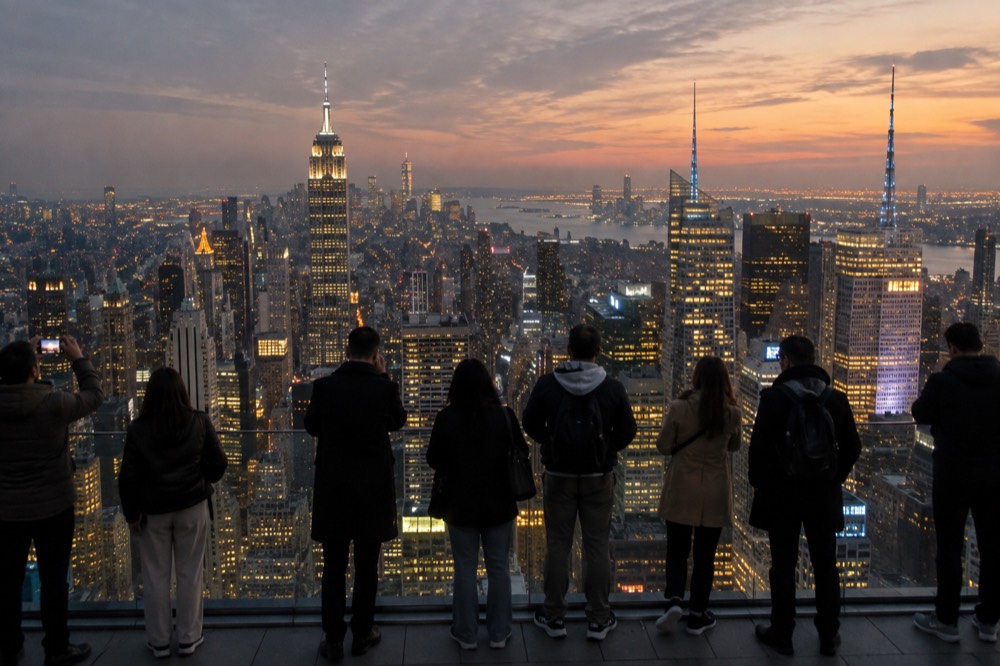
Timing beats deck selection. Sunset slots cost more and sell first, and they are worth it once; a morning slot at any deck buys you thinner crowds and clearer air. Whichever deck you pick, book the timed ticket in advance, because walk-up windows at the box office are the expensive ones, and the CityPASS box-office column, $75.12 at the Empire State Building, $71.86 at Top of the Rock, shows what the ceiling looks like. One scheduling note worth knowing: One World Observatory opens at noon on September 11 rather than its usual morning hour, so plan around that if your trip touches the date.
The Brooklyn Bridge Walk, and Eating Your Way Through the Other Five Boroughs
The Brooklyn Bridge is free to walk, takes 30-45 minutes each way on the elevated promenade, and ends in Brooklyn Heights and Dumbo, where the Washington Street view of the Manhattan Bridge is the most photographed corner of Brooklyn. It is the only item on the top five that hands you a borough beyond Manhattan, which matters, because treating Manhattan as the whole city is the signature mistake of a guide written from a distance.
Go early or go at sunset. The promenade narrows in places, mixes pedestrians and cyclists, and hits peak crowding mid-morning through afternoon. A sunrise crossing is close to private; a summer sunset crossing is a crowd with a skyline. On the Brooklyn side, the promenade at Brooklyn Heights and the cobblestone lanes of Dumbo repay an hour of wandering before the subway carries you back.
The bridge walk also opens the food question, and downtown is where the city's eating identity is densest. Chinatown and Little Italy sit a short walk from the Manhattan-side entrance, and a guided tasting walk through both neighborhoods, six dishes from dumplings to cannoli, is the version of this that comes with the stories attached.
If you would rather walk it free, a tip-based walk on GuruWalk covers the same three downtown neighborhoods, SoHo, Little Italy and Chinatown, with the guide paid whatever you choose at the end. Either way, arrive hungry and skip lunch beforehand, because the tastings add up to a meal on their own.
What the Top Five Cost Together, and When a Pass Wins
Done on individual tickets, the paid portion of the top five is three purchases: $26.00 for the ferry, $30 for the Met, and one observation deck ticket. A New York CityPASS at $149 adult covers five attractions from an eleven-attraction menu over nine consecutive days, and since the ferry, the Empire State Building, Top of the Rock and Edge all sit on that menu, it beats individual pricing the moment your itinerary includes three or more of them.
The maths, using the box-office figures CityPASS itself publishes:
| Attraction | Individual adult box office | On the CityPASS menu? |
|---|---|---|
| Statue of Liberty & Ellis Island (official ferry) | $26.00 | Yes |
| Empire State Building (AM/PM Experience) | $75.12 | Yes |
| Top of the Rock Observation Deck | $71.86 | Yes |
| Edge Observation Deck & Immersive Experience | $62.06 | Yes |
| 9/11 Memorial & Museum | $36.00 | Yes |
| Intrepid Museum | $38.00 | Yes |
| Guggenheim Museum | $30.00 | Yes |
| Whitney Museum of American Art | $30.00 | Yes |
| American Museum of Natural History | $43.00 | Yes |
| Circle Line Sightseeing Cruises | $55.00 | Yes |
Read the table as a menu, not a bill. Any three of the pricier rows, taken together, sit above the $149 pass price, and the pass still leaves two slots for anything else on the list. The pass is valid nine consecutive days from first use, which fits a first visit neatly. It loses if your plans are loose: an Explorer-style pass that lets you choose as you go, from $89, suits travelers who decide day by day. And one pass that still appears in older guides no longer exists: The Sightseeing Pass ceased trading in 2025, so any page recommending it is telling you something about its freshness.
The order matters more than the selection, and that is the last thing worth fixing before you book anything. Do the ferry early, because boats thin out before noon and the crown requires booking months ahead regardless. Save the deck for a clear evening, and check the weather before you commit to a sunset slot, because July, not a winter month, is statistically New York's wettest. Slot the Met opposite the park on the same day, and leave the bridge for a morning or a golden hour. Five sights, three paid tickets, and a city that rewards anyone who sequences it properly.
Common Questions About the Top 5 Things to Do in New York
The five most-asked follow-up questions all have short answers: the Staten Island Ferry is the free alternative for seeing the statue from the water, the Met needs three or four hours done properly, Central Park is walkable in chunks rather than whole, the bridge walk is safe and best at dawn or dusk, and a pass beats individual tickets once you commit to three or more of the big paid sights. Each question is answered in full below.
What are the top 5 things to do in New York?
The Statue of Liberty and Ellis Island via the official ferry, Central Park, the Metropolitan Museum of Art, one observation deck over Midtown, and the Brooklyn Bridge walk into Brooklyn. Together they cover the harbor, the park, the art, the skyline and a second borough, which is the widest range of the city any five items can give a first-time visitor.
Can I see the Statue of Liberty for free?
Yes, from the water. The Staten Island Ferry passes the statue on its routine crossing and costs nothing, though it does not stop, and its status as a free ride is universally reported, so confirm on the NYC DOT ferry page before relying on it. To stand on Liberty Island itself, only the official Statue City Cruises ferry lands there, at $26.00 adult. Harbor sightseeing cruises circle the statue but never dock.
How many hours should I give the Metropolitan Museum of Art?
Two hours for the highlights, half a day for a real visit. The collection spans two million works, so a plan beats wandering: pick two or three wings, and note that a long list of galleries, including the roof garden and parts of the modern galleries, are closed for renovation. Your ticket also covers The Met Cloisters the same day, which is worth the trip uptown if your feet survive.
Can you walk Central Park in one day?
Not properly, and you should not try. The park runs 2.5 miles from top to bottom, and the interesting parts, Bethesda Terrace, the Mall, Bow Bridge, the Ramble, sit spread along that length. Most visitors walk the southern half between 59th Street and the Lake in two to three hours. A guided walking tour covers the highlights without the navigational guesswork, since the loop paths confuse even locals.
Is the Brooklyn Bridge walk worth it, and when should I go?
Yes, and go at sunrise or sunset. The pedestrian promenade sits above the traffic, takes 30-45 minutes each way, and the sunset crossing ends with the Manhattan skyline lighting up behind you. Midday in summer is hot, crowded and slow. On the Brooklyn side, Brooklyn Heights and Dumbo add an hour of wandering, and the subway returns you to Manhattan in minutes.
Is a New York CityPASS worth it for the top five?
Usually, yes. The $149 adult pass covers five attractions over nine consecutive days, and the ferry, the Empire State Building, Top of the Rock and Edge are all on the menu. If your itinerary includes three or more of those, the pass wins on price alone. If your plans are loose or your stay is short, individual tickets or a choose-as-you-go Explorer pass from $89 fits better.
One last piece of planning advice that no listicle will tell you: the order matters more than the selection. Do the ferry early, because boats thin out before noon and the crown requires booking months ahead regardless. Save the deck for a clear evening, and check the weather, because July, not a winter month, is statistically New York's wettest. The rest of the itinerary, everything beyond these five, is laid out across New York City Travel Guide, starting with the borough-by-borough breakdowns and the itineraries that sequence the city properly.