What Is the Rough Neighborhood in Brooklyn?
An honest, sourced answer to what is the rough neighborhood in Brooklyn, covering the areas with a persistent reputation, the neighborhoods visitors actually stay in, and practical safety habits without fearmongering.
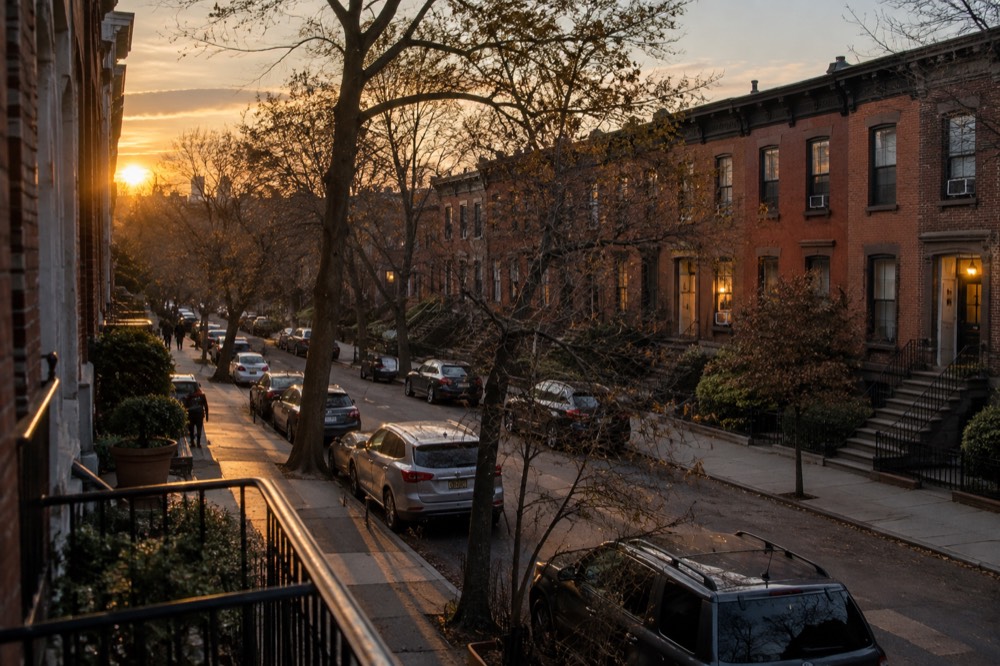
Brooklyn is a borough of roughly 2.6 million people spread across dozens of neighborhoods, and the gap between its quietest block and its most troubled one is wider than the gap between many whole cities. Ask a New Yorker "what is the rough neighborhood in brooklyn?" and you will usually get the same two answers: Brownsville and East New York. Both sit in eastern Brooklyn, far from anything on a visitor's itinerary, and both have carried a reputation for elevated crime for decades. The honest version of the answer is that the neighborhoods tourists and new residents actually use, from Brooklyn Heights to Park Slope to Williamsburg, are calm by any big-city measure, and that the areas with the rough reputation are places a visitor has no ordinary reason to be.
This page walks through which areas carry that reputation and why, which Brooklyn neighborhoods are genuinely quiet, and how to keep your wits about you at night without treating an entire borough of 2.6 million people as a hazard. The short version for anyone planning a trip: you will not stumble into Brownsville by accident. It is not next to the Brooklyn Bridge, not next to Barclays Center, and not on any walking route between the places you came to see.
What Is the Rough Neighborhood in Brooklyn?
If you force New Yorkers to name one rough neighborhood in Brooklyn, the answer is usually Brownsville, with East New York close behind. Both are residential districts in eastern Brooklyn with a long-documented reputation for concentrated poverty and elevated crime, and both are far outside the areas visitors frequent. No city agency designates an official rough neighborhood, and most of the borough is quiet by big-city standards. The reputation is real but tightly geographic.
Brownsville sits at the eastern edge of the borough, past Crown Heights and East Flatbush, a world away from the brownstone streets that fill Brooklyn postcards. East New York lies just south of it, against the Queens border. Neither is on a tourist route, neither is near a hotel district, and neither appears on any list of the neighborhoods covered in our things to do in Brooklyn guide.
Two things are worth saying plainly. First, a reputation is not a blanket description of every street or every person in a neighborhood. Brownsville and East New York are home to tens of thousands of ordinary residents, churches, schools and community gardens, and describing them as no-go zones is both inaccurate and insulting to the people who live there. Second, the question visitors are usually really asking is not "where is Brooklyn rough" but "am I going to be safe doing the things I came to do." That answer is reassuring, and it is covered in detail further down this page.
The distinction matters because online answers to this question tend to fail in both directions. Some treat the whole borough as dangerous, which is nonsense. Others dismiss the question entirely, which leaves a reader who heard something secondhand decades ago without a straight answer. The straight answer is that eastern Brooklyn has the borough's most persistent crime concentration, and you will not encounter it on any itinerary you are likely to build.
Which Brooklyn Areas Do Locals Treat with More Caution?
Locals apply extra caution in a small set of eastern and southern Brooklyn areas: Brownsville, East New York, and parts of East Flatbush and Bushwick, particularly late at night and around certain corridors rather than whole districts. The caution is about time and block, not blanket geography. Areas like downtown Brooklyn, Brooklyn Heights, DUMBO, Williamsburg, Park Slope and Bay Ridge are treated as unremarkable at any hour a visitor would be out.
The pattern locals follow is simple. They are relaxed on the brownstone streets, the waterfront, the commercial strips of Atlantic Avenue and Court Street, and the whole arc of neighborhoods from Brooklyn Heights down through Carroll Gardens and Cobble Hill to Park Slope. They pay more attention after dark around specific subway stations and commercial corridors in the eastern neighborhoods listed above, the same way any city resident adjusts to particular blocks rather than whole zip codes.
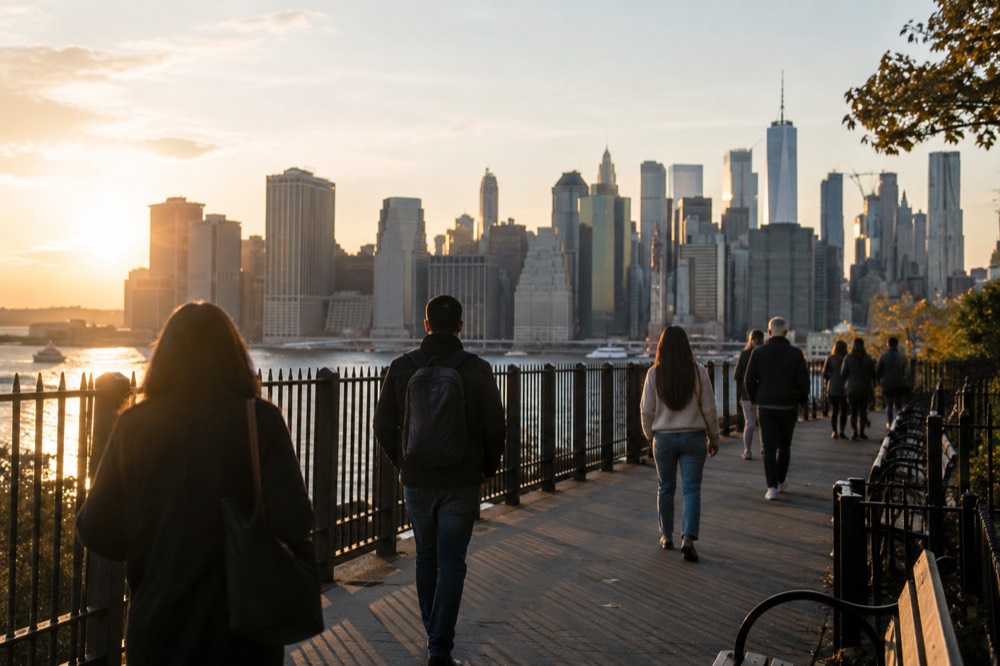
For a visitor, the practical translation is this. The things you came to Brooklyn for are all in the relaxed zone. The Brooklyn Bridge lands you in DUMBO and Brooklyn Heights. The promenade, the pizza lines, the breweries of Williamsburg, the boutiques of Cobble Hill, Prospect Park, the Brooklyn Museum: all of it sits in neighborhoods where the local posture is unremarkable. Barclays Center, where the Nets play, sits at the junction of several major subway lines above Atlantic Avenue, one of the busiest and best-lit commercial corridors in the borough.
The table below is a fair summary of how locals actually think about the borough. It describes posture and character, not statistics, because crime figures shift year to year and block to block, and a table of invented precision would be worse than no table at all.
| Brooklyn area | Local posture | Why | Visitor relevance |
|---|---|---|---|
| Brooklyn Heights, DUMBO, Cobble Hill | Unremarkable | Wealthy, quiet, heavily walked at all hours | Bridge walks, promenade, waterfront dining |
| Park Slope, Boerum Hill, Carroll Gardens | Unremarkable | Family residential, low-key nightlife | Prospect Park, Fifth and Seventh Avenue strips |
| Williamsburg, Greenpoint | Unremarkable to relaxed | Busy nightlife, well-trafficked | Restaurants, bars, markets, riverfront |
| Downtown Brooklyn, Barclays area | Relaxed, watch crossings | Dense retail and transit hub | Nets games, shopping, subway transfers |
| Bushwick | Relaxed, block-dependent | Mixed industrial-residential, some late-night corridors | Street art, breweries, daytime visits |
| East Flatbush, Crown Heights edges | More caution late | Residential areas with uneven block conditions | Little reason to visit at night |
| Brownsville, East New York | Most caution | Long-documented crime concentration, isolated from visitor routes | No ordinary reason for a visitor to go |
If a basketball night is on your agenda, a Brooklyn Nets ticket at Barclays Center is one of the easiest big-arena nights out in the city: the arena sits directly above a major subway interchange, the surrounding blocks fill with crowds before and after games, and the walk from the station to the doors is short and busy.
Is Brooklyn Safe for Visitors?
Yes, in the practical sense that matters: the parts of Brooklyn visitors use are safe by big-city standards, and violent crime against tourists in those areas is rare. Brooklyn is not one place but dozens of neighborhoods, and the safety picture varies more within the borough than between Brooklyn and Manhattan. Visitors face the same risks as in any large city: phone snatching, pickpocketing in crowds, and late-night common sense, not targeted danger.
The honest framing is the same one we use across the site in our coverage of safety in New York: do not fearmonger, and do not reassure by omission. Brooklyn's rough reputation belongs to specific eastern neighborhoods that a visitor has no reason to enter. The visitor-facing parts of the borough, which is nearly all of the waterfront and the brownstone belt, are among the more pleasant urban environments in the United States to walk around at night.
That said, big-city habits earn their keep anywhere. Keep your phone in a pocket rather than a back pocket or an open bag. Stay aware on subway platforms and when stepping out of stations late, which is when opportunistic theft is most likely anywhere in New York. Walk with purpose if you are unsure of a block rather than stopping to study a phone map in the middle of a dark street. These are the same habits a New Yorker keeps in Midtown.
One point of real context worth knowing: New York's transit system has recovered its crowds unevenly since the pandemic, and weekend ridership is the part that came back strongest. Average weekend subway ridership in 2025 ran at 88 percent of 2019 levels against only 73 percent on weekdays, according to the MTA. In practice that means the trains you ride on a Saturday night in Brooklyn are busy, and busy trains and platforms are the safer ones to be on. The empty car at 2am is the one to skip.
Which Brooklyn Neighborhoods Are Quietest for a First Visit?
For a first visit, the quietest and most visitor-friendly Brooklyn neighborhoods are Brooklyn Heights, DUMBO, Park Slope, Carroll Gardens, Cobble Hill and Bay Ridge, all of which are low-key residential districts with busy, well-lit commercial streets. Williamsburg and Greenpoint add nightlife and are still relaxed. These areas sit at the opposite end of the borough from the neighborhoods with the rough reputation, and none of them borders it.
Brooklyn Heights is the safest-feeling introduction to the borough: landmarked brownstones, the promenade with its Manhattan view, and streets that families walk at 10pm without a second thought. DUMBO, just north under the bridges, is small, expensive and full of visitors by day. Park Slope, beside Prospect Park, is the classic family neighborhood, with Fifth and Seventh Avenues lined with restaurants and strollers. Everything else covered here is indexed on New York City Travel Guide.
Carroll Gardens and Cobble Hill, between the Heights and Park Slope, are the brownstone belt at its calmest, all tree-lined blocks and corner cafés. Bay Ridge, far down the southwestern shore, is an underrated pick: an old residential neighborhood with a waterfront promenade and some of the least tourist traffic in the borough. Williamsburg is busier and louder, but its commercial core around Bedford Avenue and the North Side is dense with people at all hours, which is its own kind of safety.
The common thread is foot traffic. Every neighborhood on this list has streets that people live on and walk on continuously, and continuous foot traffic is the single best predictor of a block where nothing happens to visitors. It is also why the free walking tours of the bridge, Brooklyn Heights and DUMBO run where they do: the route is beautiful, and it is busy.
How Do You Explore Brooklyn Without Wandering Somewhere You Did Not Mean To?
You explore Brooklyn the way New Yorkers do: by knowing which subway stops serve your destination and not getting off anywhere else. The borough's geography protects visitors, because the rough-reputation neighborhoods sit on separate lines and far from the sightseeing core. Plan your stops by station, keep your phone charged for the map, and if a walk feels wrong, step into any business or subway station and reset.
The subway is the guardrail here. The 2, 3, 4, 5, A, C and other lines run through Brooklyn on fixed corridors, and the stations you want for sightseeing, High Street, Clark Street, Borough Hall, Atlantic Avenue-Barclays, Bedford Avenue, are nowhere near the stations serving Brownsville or East New York. You cannot accidentally walk from the Brooklyn Bridge into a rough area; the distance is miles and the route is nothing a pedestrian would take.
A few habits make the whole borough legible. Save your destinations in a map before you leave your hotel, so you are not staring at a phone on a corner. Ride the busier car, near the conductor or the middle of the train, late at night. If you are out late in Williamsburg or downtown Brooklyn, the walk back to the subway is the busiest walk of the night, not the emptiest. And if you are the type who likes a guide's route the first day, the free tip-based walks on GuruWalk cover the bridge, Brooklyn Heights and DUMBO, plus a Williamsburg route through the Hasidic quarter and surrounding streets, all in the relaxed core of the borough.
For evening plans, a Nets game is a useful anchor: Barclays Center sits above one of Brooklyn's biggest transit hubs, so the before-and-after crowd flows down Atlantic Avenue with thousands of other people, which is exactly the condition you want for a night out in any city. A Brooklyn Nets game ticket puts you in that flow rather than working out it alone, and the arena's position above the Atlantic Avenue interchange means the last leg of any night out there is a short, crowded walk.
What Should You Actually Plan Around in Brooklyn?
Plan around the busy core: the bridge-and-promenade cluster in Brooklyn Heights and DUMBO, the brownstone belt through Cobble Hill and Park Slope, Williamsburg for food and nightlife, and Barclays Center for a game or show. Every one of those sits in the western, well-trafficked half of the borough, far from the eastern neighborhoods that carry the rough reputation. Geography does the safety work for you.
A sensible first day in Brooklyn looks like this: walk the bridge into DUMBO in the morning, take the photo on the waterfront, then climb into Brooklyn Heights for the promenade view and a slow wander past the brownstones. Lunch in DUMBO or along Montague Street. In the afternoon, either head to Prospect Park and the Brooklyn Museum, or take the L one stop into Williamsburg for the shops and the riverfront. Evening options split between a restaurant in the brownstone belt and a Nets game or concert at Barclays, both of which end with a crowded, easy subway ride home.
None of that day brings you within miles of the neighborhoods this article opened with, and that is the point. The rough reputation in Brooklyn is a fact about a specific corner of the borough, not a mood that hangs over all of it. Build your days around the places worth seeing and the question of rough neighborhoods answers itself.
If you want help sequencing the rest of your trip, our things to do in NYC guide covers the Manhattan side, and the trio below are the Brooklyn experiences that pair best with an evening at Barclays Center.
Common Questions About the Rough Neighborhood in Brooklyn
The questions below are the ones readers actually ask about Brooklyn's rough reputation, answered directly: the areas with the persistent reputation are Brownsville and East New York, they are far from visitor areas, and the neighborhoods tourists use are quiet. None of this requires avoiding the borough, only knowing its geography.
What is the rough neighborhood in brooklyn?
Brownsville is the neighborhood most often named, with East New York close behind. Both are residential districts in eastern Brooklyn with a long-documented reputation for elevated crime, and both sit miles from the waterfront, bridge and brownstone neighborhoods visitors come to see. No official designation exists, and most of the borough is quiet by big-city standards.
Is Brownsville dangerous for tourists?
Tourists have no ordinary reason to visit Brownsville, so the question is mostly hypothetical. It is not near any attraction, hotel district or walking route. If you did have a reason to go, daytime visits on main commercial streets are unremarkable; the caution applies to late-night side streets. Treat it as a place with a real reputation, not a caricature of its residents.
Is Williamsburg or Bushwick rough?
Williamsburg is not; its commercial core is busy at all hours and is one of the most visitor-heavy parts of the borough. Bushwick is more mixed, with an industrial-residential fabric where conditions vary block to block. Daytime visits for street art and breweries are unremarkable. Late at night, stick to the main corridors like Wyckoff Avenue rather than wandering dark side streets.
Is downtown Brooklyn safe at night?
Yes, in the practical sense. Downtown Brooklyn around Barclays Center and the Fulton Street corridors is dense with retail, transit and crowds well into the evening, and a game or concert night puts thousands of people on the streets. The habits that apply anywhere in New York, like watching your phone on platforms, apply here too.
Which Brooklyn neighborhoods should a first-time visitor stay in?
Brooklyn Heights, DUMBO, Park Slope, Carroll Gardens and Cobble Hill are the calmest and most central choices, with Williamsburg as the livelier option. All sit in the western, well-trafficked half of the borough, far from the eastern neighborhoods with the rough reputation, and all have direct subway access to Manhattan.
Does the rough reputation mean I should skip Brooklyn entirely?
No. Skipping Brooklyn over a reputation attached to neighborhoods you would never visit means missing the promenade, the bridge walk into DUMBO, Prospect Park, some of the best restaurants in New York and a Nets game. The borough's visitor areas are quieter than most of Manhattan. Know the geography and the reputation stops mattering to your trip.
The useful takeaway is not a list of places to fear but a map in your head. Brooklyn's rough reputation belongs to a corner of the borough that tourism never touches, and every neighborhood on your list, from the bridge to the promenade to Barclays Center, sits in the busy, walkable, unremarkable core. Plan by subway stop, keep ordinary big-city habits, and the question answers itself before you ever leave the house.