What's Free to Do in New York City Today?
A sourced answer on what's free to do in New York City today: free museum hours, free landmarks, free walking tours on GuruWalk, and how the $35 OMNY cap keeps getting around cheap.
The 9/11 Memorial plaza costs nothing to walk, every day, from 08:00 to 20:00. That single fact surprises visitors who assume the site needs a ticket, and it is the clearest example of a pattern across New York: the city's outdoor landmarks are almost all free, while a surprising number of its museums have free or pay-what-you-wish windows that change by day and by residency. The catch is timing and eligibility, and most guides blur both.
This page lays out what is actually free today, with the conditions attached. Some free hours are open to everyone, some are restricted to New York State residents, and one famous "pay what you wish" policy excludes tourists entirely. The distinction matters, so each entry below states it plainly.
What's Free to Do in New York City Today?
Today, at no cost, you can walk the 9/11 Memorial plaza from 08:00 to 20:00, ride the Staten Island Ferry past the Statue of Liberty, cross the Brooklyn Bridge promenade, and wander Central Park, the High Line, Bryant Park and Washington Square Park. On top of that, at least one major museum almost certainly has a free or pay-what-you-wish window running this week, though the eligibility rules differ sharply by institution.
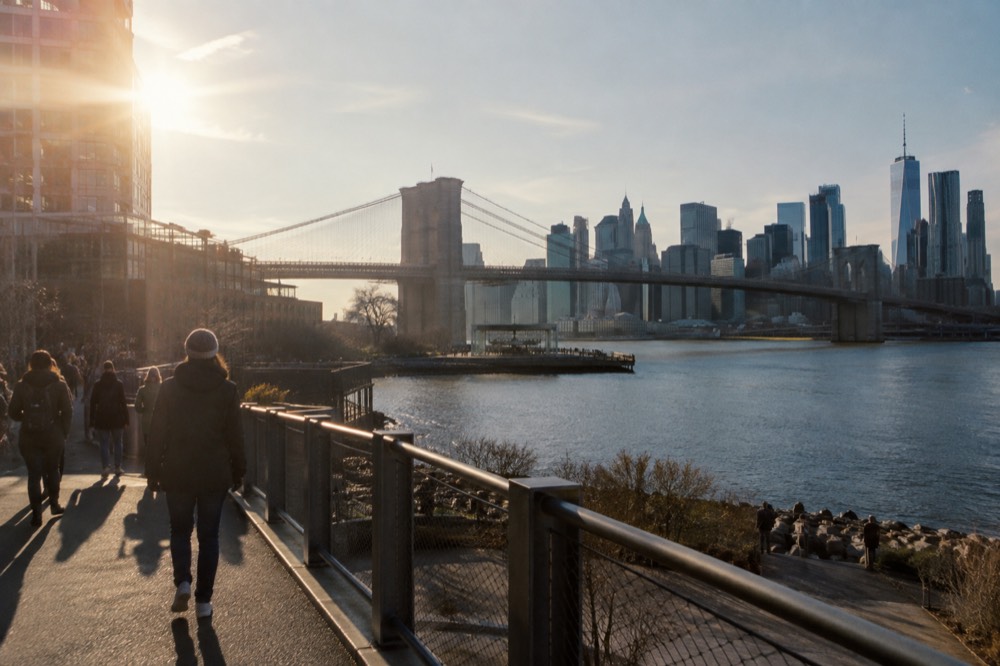
Start outdoors, because none of it needs a ticket or a reservation. The Brooklyn Bridge's elevated wooden promenade runs above the traffic and takes about half an hour each way, ending near DUMBO's waterfront view of the Manhattan Bridge. The High Line runs from Gansevoort Street up through Chelsea on a former elevated rail bed, and it drops you within a short walk of both free things to do in NYC and the paid galleries of Hudson Yards, so the walk doubles as a route between neighborhoods.
The Staten Island Ferry is the free harbor ride most visitors never plan for. It crosses to St George Terminal and back, passing Liberty Island at a distance, and the view of Lower Manhattan from the deck is the same one the paid cruises sell. Our full guide to the Staten Island Ferry covers the schedule and the best side of the boat for photos.
If you want the statue up close rather than from a passing deck, that is the one item on this list that costs money, because only the official ferry lands on Liberty Island. The reserved-ferry and cruise options below show the difference in price and time.
For the wider picture of free and paid combined, the site's main things to do in NYC page maps the whole city by borough and budget.
Which New York Museums Have Free or Pay-What-You-Wish Hours?
The strongest genuinely free windows are the Whitney's free Friday nights from 17:00 to 22:00, open to everyone, its free Second Sundays, the 9/11 Memorial & Museum's free Mondays with tickets released at 07:00 ET, and the Guggenheim's pay-what-you-wish slot on Tuesdays and Sundays from 16:00 to 17:30.
The Met's pay-what-you-wish policy applies only to New York State residents and NY, NJ and CT students, so tourists pay the fixed $30.
The residency rules are where most guides go wrong, so here they are in one place. MoMA's free Friday evenings, 17:30 to 20:30, are for New York State residents only, with proof required and advance reservation needed. The American Museum of Natural History lets New York State residents pay what they wish on general admission, with ID; everyone else pays a fixed price. The Met's policy is the same shape: New York State residents and NY, NJ and CT students pay what they wish, with a $0.01 minimum, and out-of-state visitors pay the mandatory $30 adult admission. It is not free entry, and it is not open to tourists.
| Museum | Free or PWYW window | Who qualifies | Catch |
|---|---|---|---|
| Whitney Museum of American Art | Free Friday nights 17:00-22:00; free Second Sundays all day | Everyone | Timed tickets, capacity limited, book ahead |
| 9/11 Memorial & Museum | Free Mondays, tickets released on the website each Monday at 07:00 ET | Everyone | First come first served, last entrance 17:30 |
| Guggenheim | Pay-what-you-wish Tuesdays and Sundays 16:00-17:30 | Everyone | $1 minimum, sells out, reserve ahead |
| MoMA | Free Friday nights 17:30-20:30 | New York State residents only | Proof of residency, advance reservation |
| American Museum of Natural History | Pay-what-you-wish on general admission | New York State residents only | General admission only, not special exhibitions |
| The Met (Fifth Avenue and The Cloisters) | Pay-what-you-wish, $0.01 minimum | NY State residents and NY/NJ/CT students only | Tourists pay fixed $30; one ticket covers both locations the same day |
Two practical notes. The 9/11 Memorial & Museum's free Monday tickets go fast, so set an alarm for 07:00 and book on the museum's own admission and discounts page. And if you are planning several museums plus paid attractions in one trip, a bundle can beat single tickets even against the free windows, which is where the CityPASS earns its place.
The CityPASS bundles five attractions chosen from a list of eleven, including the Empire State Building, Top of the Rock, the Statue of Liberty ferry and the 9/11 Memorial & Museum, and it runs $149 adult over nine consecutive days of use. Whether it beats the free windows depends entirely on how many paid sights your itinerary stacks: two paid attractions a day makes the maths work, while a trip built around free hours and parks may never need it at all.
If the answer is that your free day is full and tomorrow needs the paid heavy hitters, the pass is worth pricing before you buy anything individually.
One more Met detail worth knowing: every ticket, including the fixed $30, covers both the Fifth Avenue building and The Met Cloisters on the same day, which is a two-visit value most itineraries never exploit.
What Outdoor Landmarks in New York Cost Nothing Today?
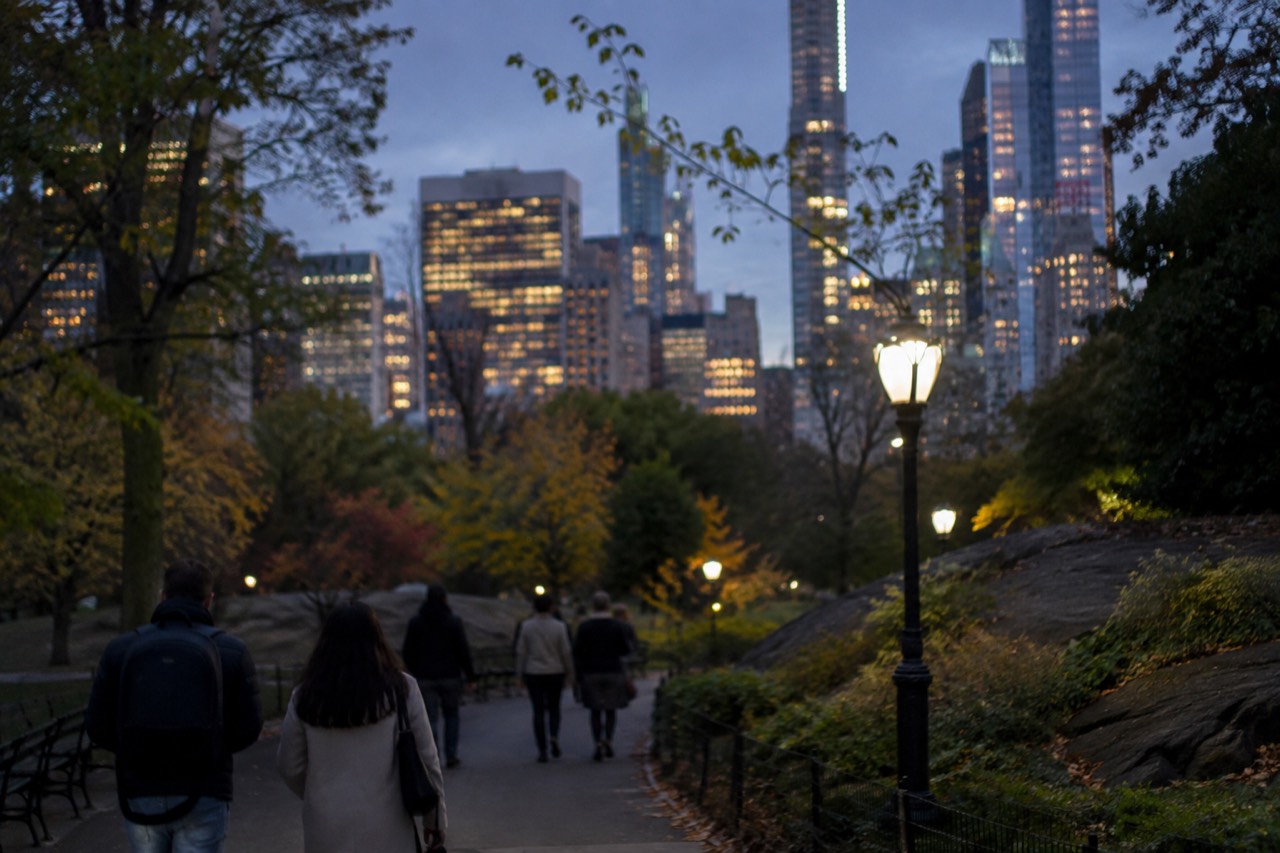
Central Park, the High Line, the Brooklyn Bridge promenade, Washington Square Park, Bryant Park, Grand Central Terminal's main concourse and the 9/11 Memorial plaza are all free, with no ticket and no reservation, every day of the year. Times Square needs no ticket either, though the free part is simply standing in it. None of these have entry fees, and all of them sit on or near a subway line.
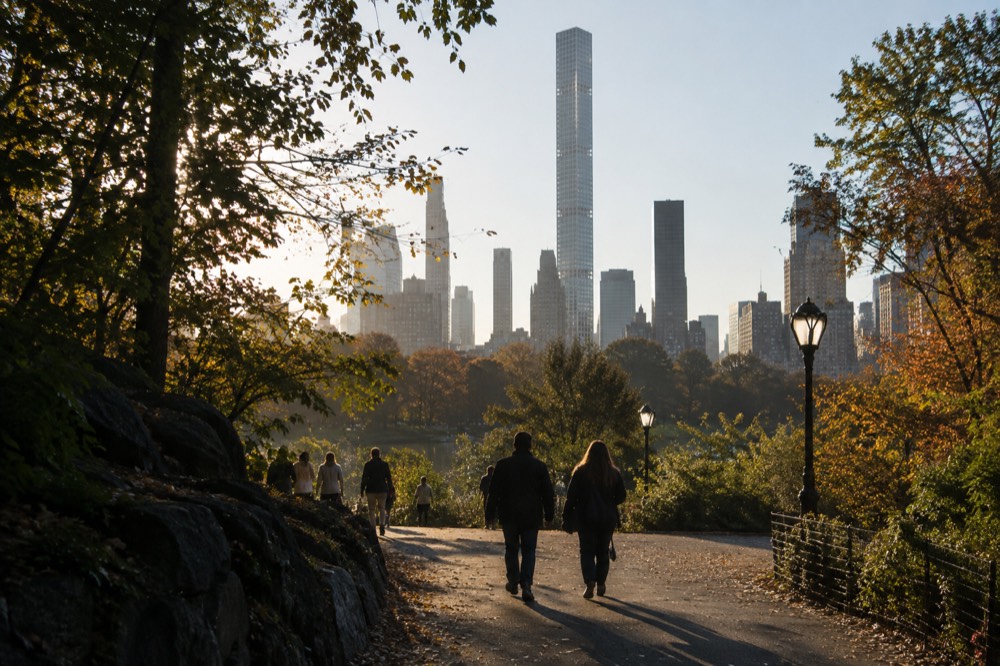
The park is the big one, and it rewards a plan rather than a wander. Bethesda Terrace, the Mall, Bow Bridge and the Ramble can fill a half day without spending a dollar, and the park's loops confuse even locals, which is why many first-timers take a guided walk. Central Park is also where the free GuruWalk nature tour runs, covered in the walking-tour section below.
| Free landmark | What you get | Best time today |
|---|---|---|
| Central Park | Bethesda Terrace, the Mall, Bow Bridge, the Ramble | Morning, before the lawns fill |
| Brooklyn Bridge promenade | Full harbor and skyline crossing, about 30 minutes each way | Early morning or sunset, to dodge crowds |
| The High Line | Elevated garden walk through Chelsea, about 20 blocks | Late afternoon golden hour |
| 9/11 Memorial plaza | The two reflecting pools, open 08:00-20:00 | Any time; go early for quiet |
| Grand Central Terminal | The main concourse, the celestial ceiling, the whispering gallery | Midday, when the light hits the windows |
| Washington Square Park | The arch, the fountain, street performers | Warm afternoons and evenings |
| Staten Island Ferry | Round-trip harbor crossing past Liberty Island | Sunset, for the skyline on the return leg |
Bryant Park sits behind the New York Public Library's main building and works as a rest stop between Midtown sights rather than a destination of its own. Grand Central is the exception on this list in one respect: it is a working terminal, so visiting is free but the secrets, the whispering gallery, the ceiling's deliberate error, land better with a guide who knows where to look. The station is also worth timing: it sits at the center of Midtown, within a ten-minute walk of the New York Public Library's free exhibition spaces, so a free Midtown loop can run library, terminal and Bryant Park in a single unhurried afternoon without a single turnstile fare beyond the subway that got you there.
Are the Free Walking Tours in New York Really Free?
Yes, in the specific sense that nobody charges you to join: the free walks listed on GuruWalk are tip-based, meaning you reserve a spot for nothing and pay the guide what you think the walk was worth at the end. A free Financial District walk covering Wall Street, the Stock Exchange and the 9/11 Memorial runs about two and a half hours on this model, with a 4.95 rating across 990 reviews on the platform.
The honesty requirement here is naming the platform, because these are not this site's tours. They are walks run by independent guides on GuruWalk, and the "free" is really "pay what you want." Budget something for the tip; a guide who held a room for two and a half hours has earned it. More of these guides are collected on New York City Travel Guide.
One further caveat that most sites skip: six of the ten New York walks on GuruWalk belong to a single operator, CityShuffles. The free-walk scene here is narrower than it looks, so do not expect a wide choice of competing operators. The walks that exist, covering the Financial District, Central Park, Harlem, Williamsburg, the Brooklyn Bridge, Midtown, SoHo, Little Italy, Chinatown and Greenwich Village, are real and well reviewed, but the supply is concentrated.
If you prefer a fixed price and a professional structure, the paid walking tours are inexpensive by New York standards: a SoHo, Little Italy and Chinatown walk runs about two hours, and a Central Park guided walk about the same, both cheaper than a single museum ticket. The free and paid options are complements, not competitors: use a free walk to orient on day one, then pay for depth where a subject earns it.
How Do You Get Around New York Cheaply Today?
Tap a contactless card or phone at the turnstile and the fare system works for you: a subway or local bus ride costs $3.00, and once your taps total $35 inside a rolling seven-day window, every further subway and local bus ride that week is free, applied automatically with no pass to buy. The old 7-day unlimited MetroCard no longer exists; the MTA stopped selling and refilling MetroCards on 1 January 2026.
This is the single most outdated piece of advice still circulating in New York travel writing. Guides that tell you to buy a 7-day unlimited MetroCard when you land are sending you to a product that is no longer sold. The replacement is better anyway: the $35 weekly cap needs no purchase, no activation and no decision, per the MTA's own OMNY fare page. The only rule that matters is consistency, because you must tap the same card or the same device every time. Mixing your phone and the plastic card in your pocket breaks the cap silently, and each person in a group needs their own card or device to earn their own free rides.
For a day built around the free list, the math is friendly. Four rides a day for two days is $12 per person, well under the cap, so for a short stay you simply tap and forget the arithmetic. For a week of heavy sightseeing the cap does the work on its own. One planning note for the free itinerary specifically: the free landmarks cluster along a handful of lines, with Central Park on the B and C through the west side, the High Line reachable from the A, C, E or L, and the Financial District sights stacked above the 2, 3, 4 and 5 at Wall Street and Fulton Street. A free day in New York is usually a two-line day, which keeps the fare total low even before the cap kicks in.
What's Free at Night in New York City?
After dark, the free list shrinks but does not vanish: Times Square's lights, the Staten Island Ferry's evening crossings, the Brooklyn Bridge promenade under the lamps, and the skyline itself viewed from the free waterfront at Brooklyn Heights or the Upper West Side all cost nothing. The Whitney's free Friday nights, 17:00 to 22:00, are the one museum window that runs into the evening and is open to everyone.
The evening ferry deserves a second mention because most visitors only think of it as a daytime ride. The return leg at sunset, with Lower Manhattan lighting up off the port side, is one of the best free views in the city, and the boat runs late into the evening. The Brooklyn Heights promenade, a short walk from the DUMBO end of the bridge, faces the same skyline from land and holds it steadily.
The Whitney window is the night owl's museum play. It is open to everyone, unlike MoMA's free Friday hours, and the Meatpacking District location sits at the southern end of the High Line, so a free evening can run the elevated park at dusk and finish in the galleries. Timed tickets are required and capacity is limited, so reserve before you set out.
If the evening is the splurge slot instead, the paid options are the sunset harbor cruise and the observation decks, and the trio below covers the ones that pair naturally with a free day: a pass for the heavy hitters, a free walk for orientation, and the official ferry for the one landmark that genuinely cannot be seen for free up close.
Common Questions About Free Things to Do in New York City Today
The questions below cover the four things readers ask most: whether the Staten Island Ferry is really free, whether the Met is pay-what-you-wish for tourists, how the free walking tours make money, and which free museum hours need booking. The short answers are yes, no, tips, and almost all of them.
What's free to do in new york city today?
The 9/11 Memorial plaza, the Staten Island Ferry, Central Park, the High Line, the Brooklyn Bridge promenade, Grand Central, Washington Square Park and Bryant Park are all free today with no ticket. Depending on the day of the week, add a free museum window: the Whitney on Friday evenings or the second Sunday, the 9/11 Memorial & Museum on Mondays with a 07:00 ticket release, or the Guggenheim's pay-what-you-wish late slot on Tuesdays and Sundays.
Is the Staten Island Ferry really free?
Yes, the ferry between Whitehall Terminal in Manhattan and St George Terminal on Staten Island charges no fare, and it passes Liberty Island at a distance in both directions. It is a commuter service, so treat it as a harbor crossing rather than a tour, but the skyline view from the deck is genuinely free.
Is the Met pay what you wish for tourists?
No. Pay-what-you-wish admission at the Metropolitan Museum of Art applies only to New York State residents and students from New York, New Jersey and Connecticut, with proof required and a $0.01 minimum. Everyone else pays the fixed $30 adult admission. One ticket does cover both the Fifth Avenue building and The Met Cloisters on the same day.
How do free walking tours in New York make money?
On tips. The guides reserve your spot for nothing and you pay what you think the walk was worth at the end. On GuruWalk, where these walks are listed, six of the ten New York walks belong to a single operator, CityShuffles, so the choice of free operators is narrower than it first appears.
Do free museum hours in New York need reservations?
Almost always. MoMA's free Friday nights require advance reservation and proof of New York State residency. The Guggenheim's pay-what-you-wish slot sells out and recommends advance booking. The Whitney's free Friday nights and Second Sundays use timed tickets with limited capacity. The 9/11 Memorial & Museum releases its free Monday tickets on its website at 07:00 ET, first come first served.
Can you see the Statue of Liberty for free?
From the water, yes: the Staten Island Ferry passes it at a distance at no cost. Up close, no: Statue City Cruises is the only ferry operator authorized to land on Liberty Island, so standing on the island requires a ticket, from $26.00 adult for the grounds of both islands including both museums.
The pattern across all of this: New York's free layer is real and generous outdoors, conditional indoors, and concentrated in a handful of operators on the free-walk side. Plan the free windows first, the walks second, and let the paid attractions fill the gaps where a ticket is genuinely the only way in.