What's the Cheapest Way to Visit New York?
A sourced answer on the cheapest way to visit New York: the $35 OMNY fare cap, free and pay-what-you-wish museum windows, TKTS and lottery tickets, and when a CityPASS actually pays off.
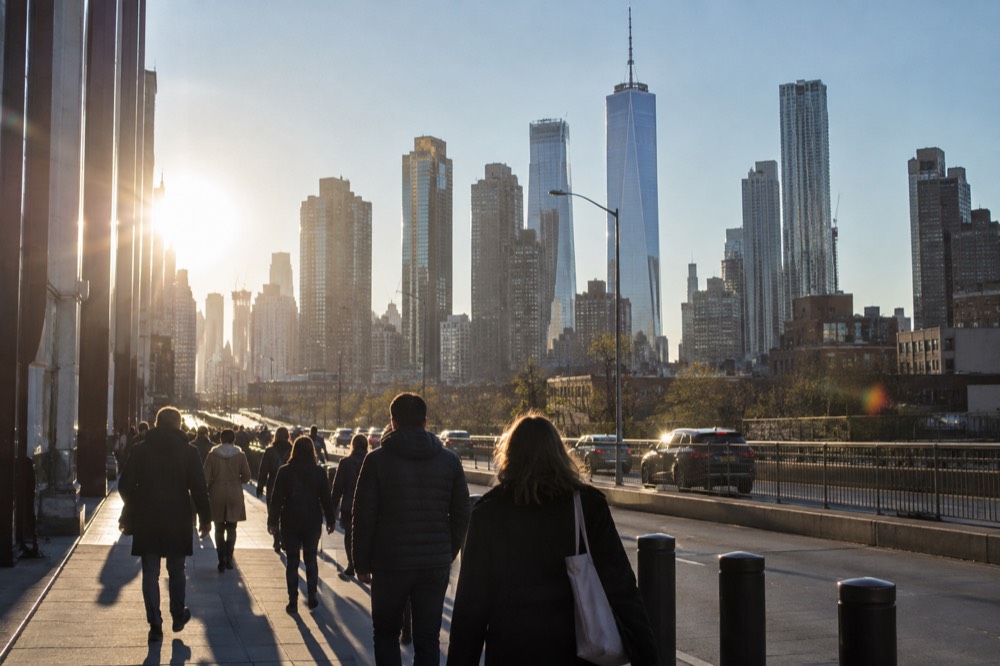
New York is expensive at the top and remarkably cheap underneath it. The cheapest way to visit is to tap a contactless card on the subway, time the museums around their free and pay-what-you-wish windows, buy show tickets at TKTS or through lotteries, and eat where the neighborhoods eat.
The single biggest lever is not a hack or a coupon. It is knowing which prices are fixed and which are conditional. The Metropolitan Museum of Art charges a fixed $30 for out-of-state visitors but genuinely lets New York State residents pay what they wish. The Staten Island Ferry costs nothing. The subway's weekly fare cap applies itself automatically, with no pass to buy. Most guides still tell you to buy a 7-day unlimited MetroCard, a product the MTA stopped selling on 1 January 2026.
This page lays out the whole budget stack, with sourced figures, so you can see where the money goes and where it does not have to.
What's the Cheapest Way to Visit New York?
The cheapest way to visit New York is to ride the subway with a contactless card and let the $35 weekly OMNY fare cap do the work, walk the free icons like the Brooklyn Bridge and the High Line, time museum visits to free and pay-what-you-wish windows, buy Broadway tickets at TKTS or through lotteries, and eat slices and bagels instead of table service. None of that is a compromise.
It is how the city's own residents do a weekend.
The frame to hold in your head: New York's headline prices are for people who plan nothing. The observation decks, the fixed museum admissions and the full-price orchestra seats all punish improvisation, but every one of them has a cheaper channel that rewards planning instead. A deck ticket bought for the right slot, a museum visited on its free evening, a show ticket bought same-day at a booth: these are the same experiences at a fraction of the list price.
Start with the money page if you want the full menu first. Our things to do in NYC guide ranks the classics, and many of the best entries on it cost nothing at all.
The other half of the answer is what not to buy. Do not rent a car for the city itself; parking and tolls will cost more than everything else on this page combined. Do not buy a pass before running the arithmetic on it, because a pass only saves money if you would have paid full price for every entry it covers. And do not buy a lookalike harbor cruise when you actually want to stand on Liberty Island, because only the official ferry lands there.
How Much Does a Bare-Bones New York Trip Actually Cost?
A bare-bones New York day costs roughly $60 to $90 per person before lodging: about $35 a week for subway and local bus rides once the OMNY cap kicks in, $15 to $30 for food if you eat slices and counter service, and free-to-$30 for the day's single paid attraction. Lodging and the flight dominate everything else, but inside the five boroughs the marginal cost of a great day is startlingly low.
That range is wide because the two fixed costs, lodging and transport to the city, dominate everything else. Once you are inside the five boroughs, the marginal cost of a great day is startlingly low. Central Park, the Brooklyn Bridge promenade, the High Line, the Staten Island Ferry, Grand Central's main concourse and the 9/11 Memorial plaza are all free, and together they are a full two days of sightseeing that many visitors never finish.
| Budget line | Cheapest realistic cost | Notes |
|---|---|---|
| Getting around, per week | $35 | OMNY cap, subway plus local bus, applies automatically |
| Airport transfer from LaGuardia | $3.00 | Free Q70 LaGuardia Link bus plus one subway fare |
| Airport transfer from JFK | $11.75 | Subway plus $8.75 AirTrain |
| Breakfast and lunch | $10-$20 | Bagel or slice plus coffee, counter service |
| Dinner, neighborhood spot | $15-$30 | Cash-only dumpling spots in Chinatown run cheaper |
| One paid attraction per day | $0-$47 | Free plazas and ferries at the bottom, a deck ticket at the top |
| Broadway ticket | $30-$50 | Digital lottery or rush, when you win |
| Staten Island Ferry | Free | The harbor and the statue from the water, no charge |
The table is a planning range, not a promise. Prices at sit-down restaurants and deck ticket windows move with the season, and the deck "from" prices are dynamic, set by date and time slot.
For a fuller treatment of the whole subject, our New York on a budget guide goes deeper on lodging areas and free activities, and the free things to do in NYC guide lists the no-cost sights by borough.
Getting Around Cheap: The Subway and the $35 OMNY Cap
A subway ride costs $3.00, and if you tap the same contactless card or device all week you will never pay more than $35 in any seven-day period for subway and local bus rides combined, because the MTA's OMNY fare cap applies itself automatically. There is no pass to buy. The 7-day unlimited MetroCard that older guides still recommend has not been sold since 1 January 2026.
This is the single most useful fact on the page, and it is the one most competing guides get wrong. The MTA retired MetroCard sales on 1 January 2026, and any 7-day or 30-day unlimited pass still in circulation had to be started by 31 March 2026. If a guide tells you to buy a 7-day unlimited when you land, it is sending you to a product that no longer exists. Tap your phone or your bank card at the turnstile instead, and the cap does the rest.
The mechanics matter. The seven days start with your first tap, not on a calendar Monday, and the cap resets every seven days. You must tap the same physical card or the same device every time; mixing your phone and the plastic card in your pocket breaks the cap silently. Group trips do not pool. Each traveler needs their own card or device to earn their own free rides. Children under 44 inches tall ride free, up to three per fare-paying adult.
Buses are included in the cap and are the better ride for sightseeing routes: the crosstown buses across Manhattan put the city at window level, and one free transfer between subway and bus is allowed within two hours. The MTA's own fare page at mta.info/fares holds the current numbers if you are reading this well after publication.
Free and Pay-What-You-Wish Museums in New York
Several major New York museums have real free or pay-what-you-wish windows: the 9/11 Memorial & Museum releases free Monday tickets online each Monday at 07:00 ET, the Whitney is free on Friday evenings and on second Sundays, MoMA's free Friday nights are open to New York State residents, and the Guggenheim runs pay-what-you-wish on Tuesday and Sunday late afternoons.
The catch: the Met is pay-what-you-wish only for New York State residents and NY, NJ and CT students. Everyone else pays a fixed $30.
That Met rule is the most commonly botched fact in New York travel writing, so it is worth stating plainly. Adult general admission is $30, seniors $22, students $17, children 12 and under free. Pay-what-you-wish applies to New York State residents and students from New York, New Jersey and Connecticut only, and even then you must pay something, with a one-cent minimum per ticket. Buying pay-what-you-wish online requires a New York State billing address, and New Jersey and Connecticut students must buy in person with valid student ID. Out-of-state visitors pay the fixed price.
One genuinely underused Met fact: every ticket includes same-day entry to both Met locations, Fifth Avenue and The Met Cloisters. Most guides never mention it, and it effectively halves the per-museum cost of a day uptown. Note also that the Met currently has a long list of galleries closed for renovation, including the roof garden and much of the modern and contemporary wing, so check the museum's gallery closures page before planning a visit around a specific collection.
| Museum | Cheapest legitimate route | Conditions |
|---|---|---|
| 9/11 Memorial & Museum | Free Mondays | Tickets released online each Monday at 07:00 ET, first come first served |
| 9/11 Memorial plaza | Free, no ticket | Outdoor pools, daily 08:00-20:00 |
| Whitney Museum | Free Friday nights, free second Sundays | Advance tickets recommended, capacity limited |
| Whitney Museum | Free every day for anyone 25 and under | Timed ticket required |
| MoMA | Free Friday nights 17:30-20:30 | New York State residents only, reserve ahead, proof of residency |
| Guggenheim | Pay-what-you-wish Tue and Sun 16:00-17:30 | Suggested $10, minimum $1, sells out |
| American Museum of Natural History | Pay-what-you-wish general admission | New York State residents only, with ID |
| Intrepid Museum | 50% off every day | NYC residents; free for US military and veterans with ID |
| Metropolitan Museum of Art | $30 fixed for visitors | Pay-what-you-wish only for NYS residents and NY/NJ/CT students |
Two habits make this table work. Reserve the free-window tickets days ahead, because the Whitney's Friday nights and the Guggenheim's pay-what-you-wish hours both sell out. And check the museum's own discount page before paying list price anywhere, because several run resident and age-based concessions that resellers never surface.
Cheap Sightseeing: Decks, Ferries and the Harbor
The cheapest legitimate sightseeing in New York is free: the Staten Island Ferry crosses the harbor past the Statue of Liberty at no charge, the Brooklyn Bridge promenade and the High Line cost nothing, and the 9/11 Memorial plaza is open free all day. Below that, a 50-minute Statue of Liberty express cruise runs from $24 per person, and the official ferry to Liberty and Ellis Islands costs $26.00 for an adult.
The ferry question trips people up, so be precise about what you are buying. Statue City Cruises is the only operator authorized by the National Park Service to land at Liberty Island and Ellis Island, and the adult grounds ticket is $26.00, children 4 to 12 at $17.00. Numerous lookalike sightseeing cruises circle the islands without landing, and some charge more than the real ferry. If you only want the photo and the skyline, the 50-minute express cruise is the cheaper day out and a fine product; if you want to stand on the island, only the official ferry does it.

One more ferry fact worth knowing: the crown of the Statue of Liberty costs thirty cents more than the grounds ticket, $26.30 against $26.00. The barrier to the crown is not money, it is availability, since crown tickets are name-bearing, capped at four per household, checked against photo ID, and reported to sell out months ahead. Book through the official operator as early as your dates allow.
Observation decks are the opposite game: skip them or time them. Deck pricing is dynamic, so the same deck costs different amounts on different days, and the published "from" prices are the floor. If a deck matters to you, book the cheapest slot on the calendar rather than the sunset slot everyone else wants. If it does not, the free views from the Staten Island Ferry, the Brooklyn Heights promenade and the rooftop of a Midtown bar cover a surprising share of the same skyline.
Eating Cheap in New York
Eating cheap in New York means counter service and neighborhood institutions: a bagel with cream cheese, a dollar-slice or a proper pizzeria slice, a chopped cheese or a halal cart plate, and Chinatown's dumpling counters where a filling meal runs in the low teens or below. Thirty dollars a day per person is a realistic food budget that still eats well; twenty is possible with discipline and a bit of walking.
The city's cheap-food infrastructure is genuinely world class, which is not true of most expensive cities. The bagel shops, the slice joints, the bodegas and the halal carts are not a consolation prize, they are the food culture. Pizza alone justifies the strategy: the best slices in the city cost a fraction of a sit-down dinner, and our best pizza in NYC guide maps the ones worth a subway ride.
Two structural tips. Lunch is cheaper than dinner almost everywhere, including the good restaurants, so put your one sit-down meal at midday and eat counter service at night. And the food halls and markets, Chelsea Market among them, let several people in one group each buy what they actually want at counter prices instead of compromising on one restaurant's menu.
If you want the neighborhood food scene decoded rather than discovered by trial and error, a guided food walk is the one food expense that can make sense on a budget, because the tastings amount to a full meal. The trade is money for time and local knowledge, and only you can price that.
Broadway and Entertainment on a Budget
Broadway on a budget runs through three channels: the TKTS booths sell same-day tickets at 20 to 50 percent off face value with an $8 per-ticket service fee, digital lotteries on Broadway Direct and Lucky Seat typically award tickets in the $30 to $50 range, and rush and standing-room policies, set show by show, cover the rest. A full-price orchestra seat is a choice, not a requirement, for almost every production in town.
The TKTS booths operate from Times Square's Duffy Square and from Lincoln Center, and there is no downtown booth currently listed, despite what older guides say. Inventory is same-day performances plus next-day matinees, every ticket sold is discounted, and the live queue inventory shows in the TKTS app and at tdf.org before you commit to the walk. Hours vary by booth and by day, so check TDF's site rather than a printed timetable.
Lotteries cost nothing but a few minutes of entering. Winners are notified by email or text shortly before the performance, the winning price varies widely by show, and entering several lotteries across your dates raises the odds. Rush and standing room are set per show rather than standardized across Broadway, so check the individual production's site.
Below Broadway, the city's live-entertainment ladder goes far cheaper still. Comedy showcases in Midtown run from around $20 with a two-drink minimum, gospel concerts in Harlem from $25, and a Brooklyn Nets ticket at Barclays Center can start in the low thirties depending on the matchup. A big night out in New York does not have to carry a Broadway price tag.
Where the Passes Pay Off
A New York attraction pass only pays off if you would otherwise have paid full price for every entry it covers: the CityPASS costs $149 adult and covers your choice of five attractions over nine consecutive days, which beats combined box-office prices only when you genuinely use all five. The Go City Explorer starts from $89 for a choose-as-you-go menu with 30 days to spend your choices.
The old Sightseeing Pass ceased trading in 2025, so ignore any guide still listing it.
Run the arithmetic before buying, not after. The CityPASS menu includes the Empire State Building, Top of the Rock, the 9/11 Memorial & Museum, the official Statue of Liberty ferry, the Intrepid, the Guggenheim, the Whitney and others, and its own published savings claim is 51 percent against combined adult box-office prices. That claim holds only for a visitor who does the classic five-attraction circuit. If your trip is loose and unplanned, the Explorer's flexibility beats the fixed five, because you choose as you go and spend from a large menu.
The honest negative space matters too. If your itinerary is two paid attractions and a lot of walking, no pass wins, and buying individual tickets costs less. And note that one of the three big New York passes no longer exists: The Sightseeing Pass suspended operations in mid-2025 and is not selling passes, which is worth knowing because plenty of competitor guides still recommend it.
If the five-attraction circuit matches your plan, the CityPASS is the one pass on this page with a directly published savings figure behind it, and the live listing shows the current attraction lineup before you commit.
Common Questions About Visiting New York Cheaply
The questions below cover the four decisions that make or break a budget New York trip: how to pay for the subway now that the MetroCard is retired, which museums are genuinely free and when, whether the Staten Island Ferry really costs nothing, and how much a cheap day actually adds up to. Each answer is sourced from official operator and city data, and each one corrects at least one piece of advice that is still circulating on older guides.
What's the cheapest way to visit new york?
Ride the subway with a contactless card and let the $35 weekly OMNY cap apply itself, walk the free icons like the Brooklyn Bridge and the High Line, time museums to their free and pay-what-you-wish windows, buy show tickets at TKTS or through lotteries, and eat slices, bagels and dumplings instead of table service. Done that way, a New York day can cost $60 to $90 per person before lodging, and it is how many residents spend their own weekends.
Can you still buy a 7-day unlimited MetroCard?
No. The MTA stopped selling and refilling MetroCards on 1 January 2026, and any existing 7-day or 30-day unlimited pass had to be started by 31 March 2026. The weekly value now comes from the automatic OMNY fare cap of $35 for subway and local bus rides, applied when you tap the same card or device all week.
Is the Staten Island Ferry free?
Yes, the Staten Island Ferry charges no fare in either direction, and the ride passes the Statue of Liberty and Lower Manhattan's harbor skyline. It is a commuter service, so it runs frequently, and the viewing decks fill up at golden hour. Arrive a few minutes early for a rail spot.
Which New York museums can you get into free?
The 9/11 Memorial & Museum releases free Monday tickets online each Monday at 07:00 ET. The Whitney is free Friday evenings and on second Sundays, and free every day for anyone 25 and under. MoMA's free Friday nights are for New York State residents with proof. The Guggenheim runs pay-what-you-wish Tuesday and Sunday late afternoons. The Met is pay-what-you-wish only for New York State residents and NY, NJ and CT students; everyone else pays the fixed $30.
Are New York attraction passes worth it on a budget?
Only when you use every entry. The CityPASS at $149 adult covers five attractions over nine consecutive days and beats combined box-office prices if you complete the circuit. The Go City Explorer starts from $89 and suits loose plans because you choose as you go. If your trip is two paid attractions and a lot of free walking, individual tickets cost less than any pass.
How much should I budget for food per day in New York?
About $30 per person buys a very good cheap-food day: a bagel breakfast, a slice or a cart lunch, and a Chinatown or neighborhood dinner. Twenty dollars a day is possible with discipline. Put your one sit-down meal at lunch, when menus run cheaper, and eat counter service at night.
The last piece of advice is the one people skip: decide your two or three paid priorities before you arrive, and let everything else be free. New York rewards that discipline more than any other expensive city, because its best sights, the bridges, the park, the harbor crossing and the memorial plaza, were never behind a ticket window in the first place. More on planning the full trip lives at New York City Travel Guide, starting with the things to do in NYC guide.