NYC Restaurant Week: How It Works, When It Runs, and How to Book
NYC Restaurant Week turns some of the city's most booked-up restaurants into walkable propositions, twice a year. Here is how the deal actually works, how to get a table, and what to do if you miss it entirely.
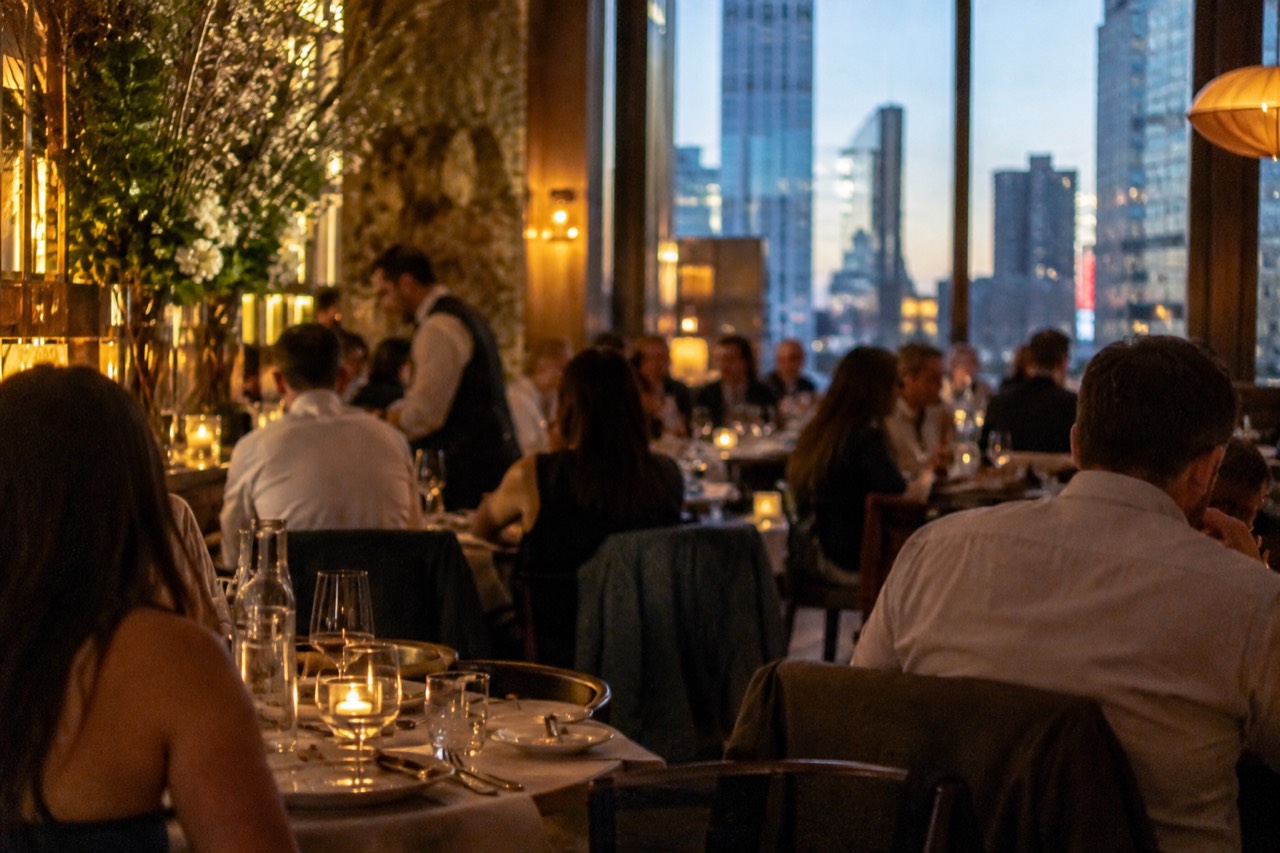
Short answer
NYC Restaurant Week is a promotion run by New York City Tourism + Conventions in which participating restaurants offer set prix fixe lunch and dinner menus at a discount. It runs twice a year, roughly winter and summer. Book through the official page or the restaurant's own reservation system, and expect the best tables to go weeks ahead.
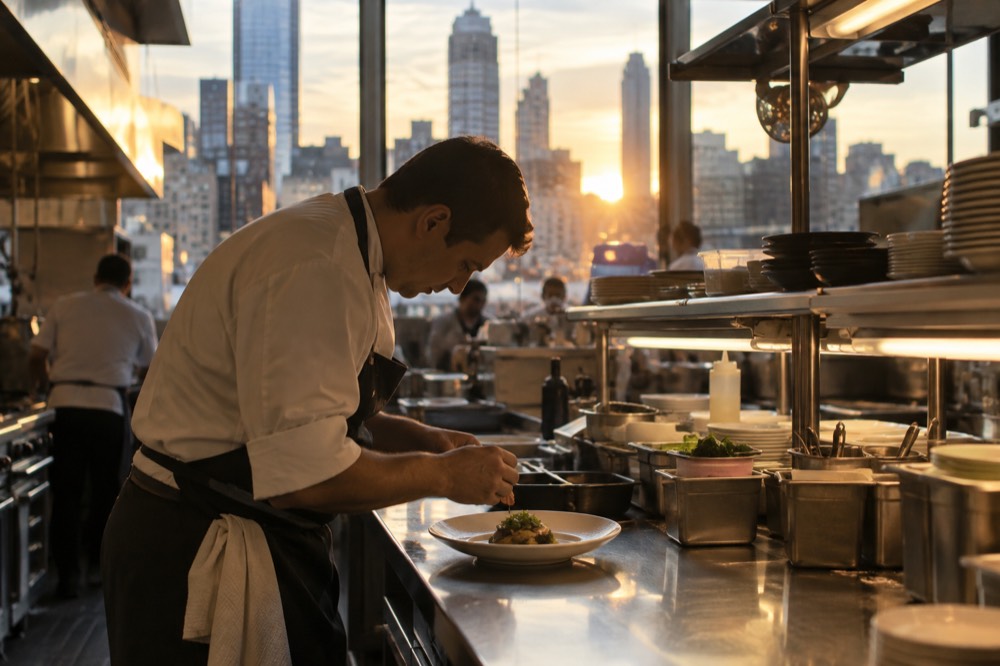
Twice a year, a strange thing happens to the New York restaurant scene: restaurants that normally hold their tables for regulars and reservation bots open a chunk of their book to anyone willing to eat from a set menu. That is NYC Restaurant Week in a sentence. The city's tourism agency organizes it, hundreds of restaurants join, and for a few weeks the price of eating at some of the most in-demand dining rooms in the country drops to a fixed, published number.
The promotion is run by New York City Tourism + Conventions, the same organization that reported the city welcomed 65 million visitors in 2025. Restaurants join because a slow season benefits from a burst of covers. Diners benefit because the set price is usually well below what an à la carte meal at the same restaurant would cost. The catch is competition: everyone else wants the same Saturday table you do, and the most popular participants fill up fast.
This guide covers how the promotion works, how to book, which neighborhoods reward the effort most, and what to do with your appetite when Restaurant Week is not running. If you are still sketching the rest of your trip, our things to do in NYC page covers the sightseeing side, and this site's New York City Travel Guide homepage pulls the whole city together.
What Is NYC Restaurant Week?
NYC Restaurant Week is a citywide dining promotion organized by New York City Tourism + Conventions in which participating restaurants offer fixed-price lunch and dinner menus at a discount to their normal à la carte prices. It runs roughly twice a year, in a winter edition and a summer edition. The exact dates, prices and restaurant list are published on the official NYC Tourism website each season, and participation is voluntary.
The mechanics are simple. A restaurant signs up, builds a special menu at a set price, and lists it through the official program. You book a table, order from the Restaurant Week menu, and pay the fixed price instead of picking à la carte. The restaurant handles everything else exactly as it would a normal dinner.
What the deal is not: it is not a citywide discount on every dish, and it is not a coupon. If you order off the regular menu you pay regular prices. The value comes from committing to the set menu, usually an appetizer, a main and a dessert.
The promotion has been running in various forms for decades, and the name is loosely used: some editions have been branded as dining deals or summer restaurant weeks, and the exact shape changes season to season. The reliable constant is the official listing page, which is where dates, prices and participants appear each round. Check nyctourism.com's Restaurant Week section before planning around it.
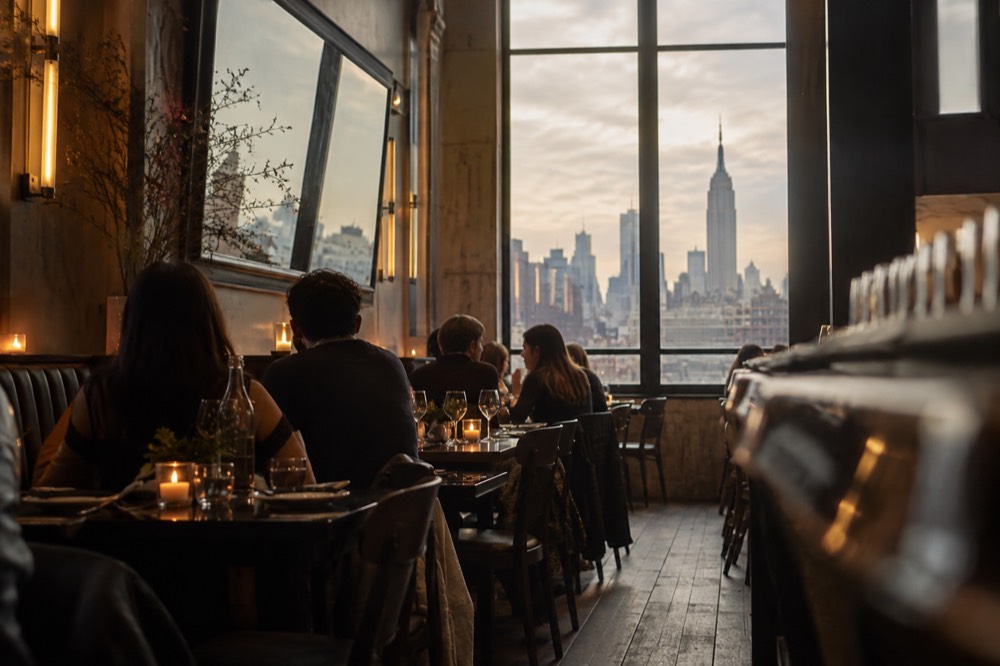
How NYC Restaurant Week Works: Prix Fixe Menus, Dates and Booking
Restaurants publish a set prix fixe menu for the promotion, typically covering lunch and dinner with a fixed per-person price for a multi-course meal. Reservations open ahead of the start date, the busiest participants sell out within days, and booking is done through the official program page or the restaurant's own reservation system. Weekday lunches are the easiest tables to get, weekend dinners the hardest.
The prix fixe structure is what makes the deal work. Instead of choosing freely from the full menu, you pick from a short list the kitchen has designed to be executed at volume. That is the trade: slightly less choice, meaningfully lower bill. Restaurants that join tend to treat it as a marketing exercise, so the menus are usually representative rather than throwaway.
Timing matters more than most visitors expect. The winter edition and the summer edition each run for a few weeks, and the marquee names, the ones with month-long waitlists the rest of the year, release their Restaurant Week tables early and fill them fast. If a specific restaurant is the reason you are timing your trip, book the moment reservations open rather than waiting until you arrive.
| Step | What You Do | What To Watch For |
|---|---|---|
| Check dates | Open the official NYC Tourism Restaurant Week page | Editions run roughly winter and summer, dates shift each year |
| Browse restaurants | Filter the participant list by neighborhood or cuisine | The list is long, so filter before you browse |
| Book early | Reserve through the official page or the restaurant's reservation system | Popular tables go in the first days |
| Order the set menu | Ask for the Restaurant Week menu when seated | Ordering à la carte means regular prices |
| Check the bill | The fixed price is per person, drinks usually separate | Beverages, tax and tip are typically extra |
One honest caveat: the exact prix fixe prices change between editions, so this guide deliberately does not print a number. The official page publishes the current season's pricing, and that is the only figure worth acting on.
If you would rather have someone else handle the route through New York's food neighborhoods, guided walks are the alternative that runs all year:
Which Restaurants Take Part, and How to Pick Yours
The participant list runs to hundreds of restaurants across the five boroughs each edition, spanning everything from Midtown steakhouses to neighborhood spots in Brooklyn and Queens. The smart approach is to filter by neighborhood you actually want to spend an evening in, then by cuisine, then book two or three tables across your trip rather than gambling on one famous name.
Start with geography, not celebrity. A Restaurant Week dinner commits you to a neighborhood for the whole evening, so pick areas you want to be in after dark anyway. The Theater District works if you have show tickets that night. The West Village and the Lower East Side reward lingering. Brooklyn Heights and Williamsburg turn the meal into a borough trip with skyline views attached.
Then think about what kind of restaurant benefits most from joining. A restaurant that is already impossible to book does not need new customers, and its Restaurant Week menu will be the most contested table in the city. A newer room, or a well-reviewed chef's more casual outpost, is participating to be discovered, and the menu often reflects extra effort.
| Neighborhood | What It Suits | Good Pairing For The Same Day |
|---|---|---|
| Theater District | Pre-show dinner, classic Midtown rooms | A Broadway show, the Museum of Broadway |
| West Village | Date nights, small rooms, walking after dinner | Washington Square Park, Greenwich Village lanes |
| Lower East Side | Casual, loud, creative kitchens | Tenement Museum, Chinatown |
| Brooklyn Heights / DUMBO | Skyline views after the meal | Brooklyn Bridge walk, the promenade |
| Harlem | Southern, Caribbean and soul food traditions | Gospel and jazz, brownstone blocks |
| Queens | Some of the best food in the city, any cuisine | Roosevelt Island tram, museum quarter |
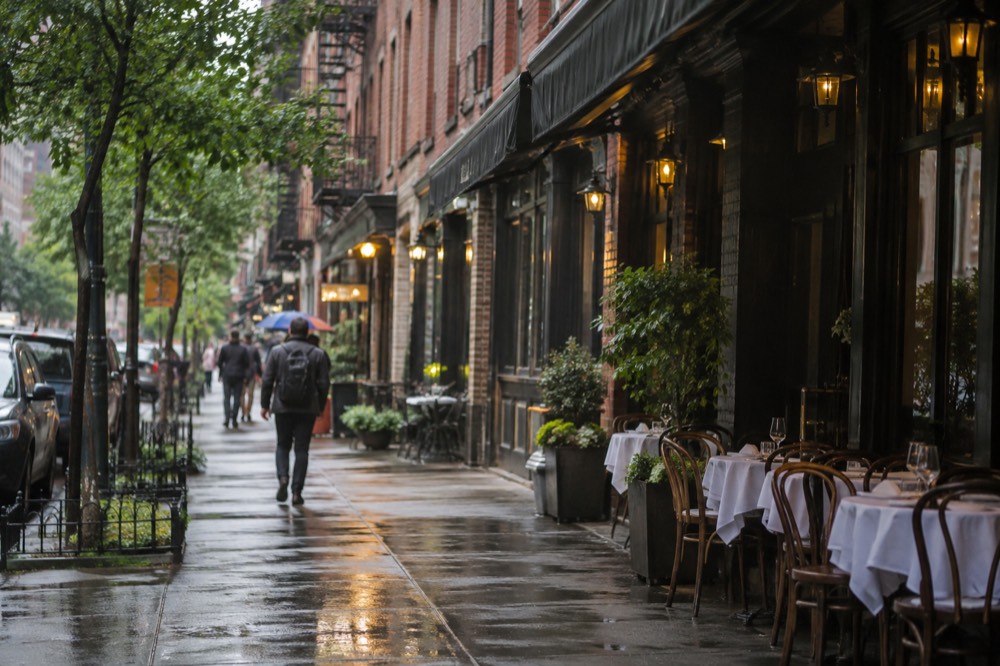
A guided walk is a decent way to scout a neighborhood's food identity before you commit an evening to it, and Chinatown plus Little Italy is the densest introduction in the city:
If you would rather compare that walk against the other food neighborhoods before committing, the Greenwich Village and Chelsea Market tours later in this guide cover two more corners of the city, each with a different character. And if a guided tasting route already sounds like the right fit for your dates, the box below checks live availability.
How to Book a Restaurant Week Table Without Losing It
Book through the official NYC Tourism Restaurant Week page or the restaurant's own reservation system as soon as reservations open, and treat weekend dinners at famous names as first-day bookings. Have a second and third choice ready before you start, because the most-shared participants sell out fast. Weekday lunches are the reliable fallback, and a few restaurants hold seats for walk-ins, though that is a gamble.
The booking window is the whole game. Reservations typically open before the promotion begins, and the tables everyone wants, Saturday at 8pm at the places with the longest regular waitlists, disappear first. If you are traveling during the promotion, decide your shortlist before you leave home and set a reminder for the opening day.
A few practical rules make the difference. Book directly through the official listing or the restaurant's own reservation platform so you have a real confirmation. Read the Restaurant Week menu before you book, not after, so you know whether the set menu suits your table. Note whether the deal applies to lunch only, dinner only or both, because that varies by restaurant. And tell the restaurant about dietary restrictions when you book rather than at the door, since the fixed menu has limited flex.
| Booking Approach | Odds Of Success | Best For |
|---|---|---|
| Official page, opening day | High for most rooms, contested for stars | The specific restaurant you came for |
| Restaurant's own system, week one | Good | Confirming details, dietary needs |
| Weekday lunch | Very good | Relaxed meals, more of the menu |
| Weekend dinner, booked late | Poor at famous names | Flexible eaters with backup lists |
| Walk-in | Unreliable during the promotion | Neighborhood spots, off-peak hours |
Groups larger than four are the hardest configuration in New York at any time of year, and Restaurant Week makes it worse, because the set menus are usually built for standard table sizes. Split into two tables or eat at 5:30pm if you are a party of six.
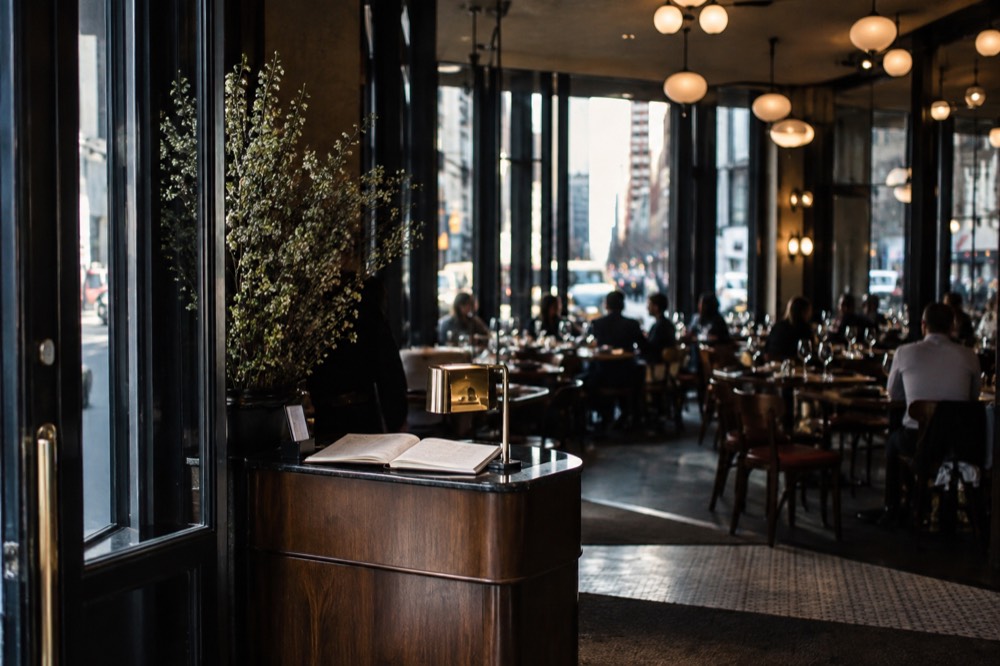
What Restaurant Week Menus Actually Get You
A Restaurant Week menu typically means a set multi-course meal, commonly an appetizer, a main course and a dessert, at a fixed per-person price that is lower than ordering the same courses à la carte. Drinks, tax and gratuity are usually extra, and the selection is narrower than the regular menu. The value is largest at expensive restaurants, where the discount against the normal bill is biggest.
The structure rewards a specific kind of diner: someone who wants to try an expensive restaurant at a controlled cost and does not mind choosing from three options per course rather than thirty. If you are the kind of eater who orders whatever looks best on the full menu, the set menu can feel like a harness.
Portions are normal portions. A persistent rumor says restaurants shrink plates during the promotion, and the honest answer is that kitchens executing a set menu at volume cook the dishes they designed, and the dishes they designed are the ones on the list. Complain about a specific restaurant's effort if you must, but do not plan around the rumor.
The drinks bill is where the deal quietly erodes. A fixed food price plus two cocktails, wine pairings or a bottle can double the check. Decide the beverage plan before you sit down, and remember that tap water in New York is safe and free.
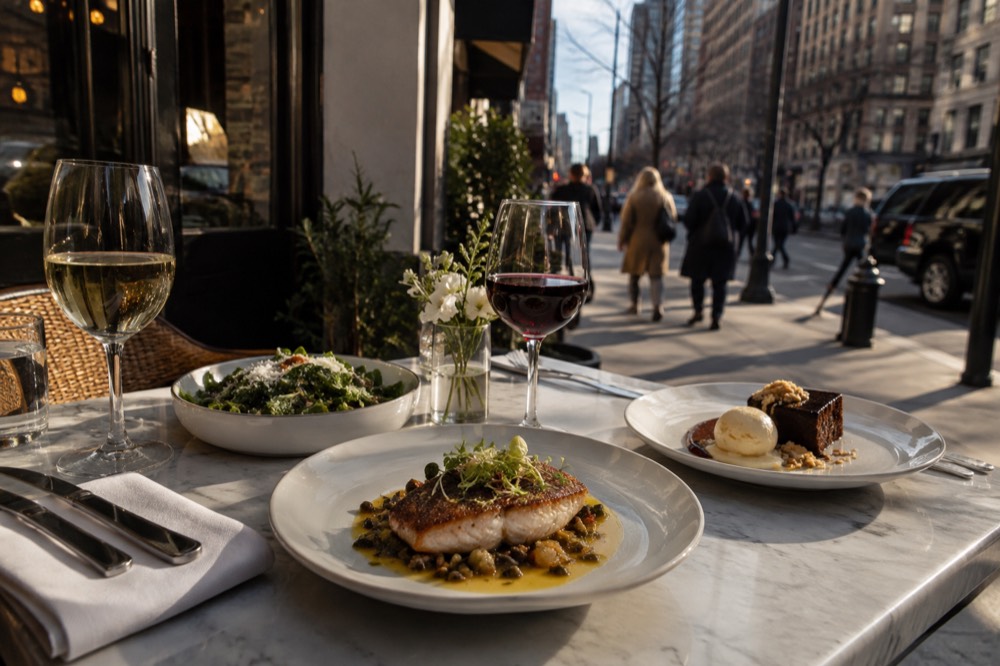
The Best Neighborhoods for Restaurant Week in NYC
Manhattan's Restaurant Week tables cluster where the dining scene already clusters: Midtown for pre-theater convenience, the West Village for small rooms and atmosphere, the Lower East Side for creative kitchens, and Harlem for Southern, Caribbean and soul food traditions. But the promotion covers all five boroughs, and the best-value tables are often in Brooklyn and Queens, where the same set price buys restaurants that are less booked-up and more generous.
The Manhattan default is understandable: if your hotel and your sightseeing are there, eating there saves transit time. But the subway makes a borough dinner cheap and fast, and the OMNY fare system means there is nothing to buy in advance. Tap the same card or phone every ride and the fare caps itself automatically.
Brooklyn's Restaurant Week participation is strongest around Brooklyn Heights, DUMBO, Williamsburg and Prospect Heights, all of which are straightforward subway rides from Manhattan. A dinner in Brooklyn Heights pairs naturally with a sunset walk on the promenade, one of the best free views in the city. Williamsburg adds the Hasidic quarter, record shops and a waterfront that rewards wandering after the meal.
Queens is the sleeper. It is the most linguistically diverse borough in the country and its restaurant rows, in Astoria, Jackson Heights and Flushing, hold some of the best food in New York at any price. A Restaurant Week table in Queens is less about the discount and more about the excuse.
Harlem deserves a specific mention. Its dining tradition runs through Southern, Caribbean and soul food kitchens, and the neighborhood pairs dinner with live music options that Midtown cannot match. Our Harlem neighborhood guide covers the blocks worth arriving early for.
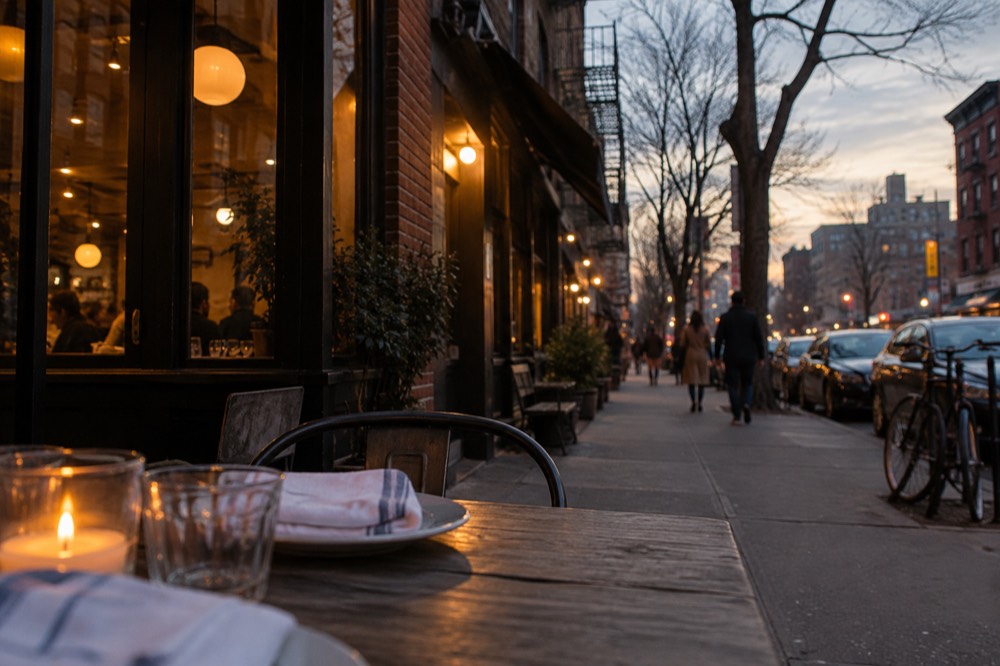
NYC Restaurant Week Versus Eating Your Way Through the City
Restaurant Week is best for sit-down dinners at specific restaurants you want to try at a fixed price, while food tours, markets and neighborhood eating are better for sampling many places in one outing. A guided food tour covers five or six stops with the stories attached, a market like Chelsea Market lets you graze at your own pace, and a neighborhood like Chinatown rewards self-guided wandering.
The comparison is really about what you want from a meal. A Restaurant Week dinner is an event: one restaurant, one table, three courses. A food tour is a survey: many kitchens, many bites, a guide who knows which counter matters. New York rewards both, and the best trips usually mix them.
| Option | What You Get | Runs During Restaurant Week? |
|---|---|---|
| Restaurant Week prix fixe dinner | One restaurant, set multi-course meal, fixed price | Yes, during the promotion's dates only |
| Guided food tour | Five or six tasting stops, a guide, neighborhood history | Year-round, book any day |
| Chelsea Market and High Line walk | Market stalls, tastings, elevated park history | Year-round, market half is indoors |
| Self-guided neighborhood eating | Total freedom, lowest cost, no structure | Always |
| Broadway plus dinner | Show plus pre-theater meal in the Theater District | Always, timing is yours |
The Greenwich Village tour below is the strongest survey option in the bunch for a first visit, because the Village's food identity, slices, bakeries, old bars, is the version of New York eating most visitors picture:
Chelsea Market pairs with the High Line, and the indoor market half makes it the rainy-day pick:
If a structured walk through the food neighborhoods sounds like the right fit for your dates, these three run year-round and each covers a different slice of the city:
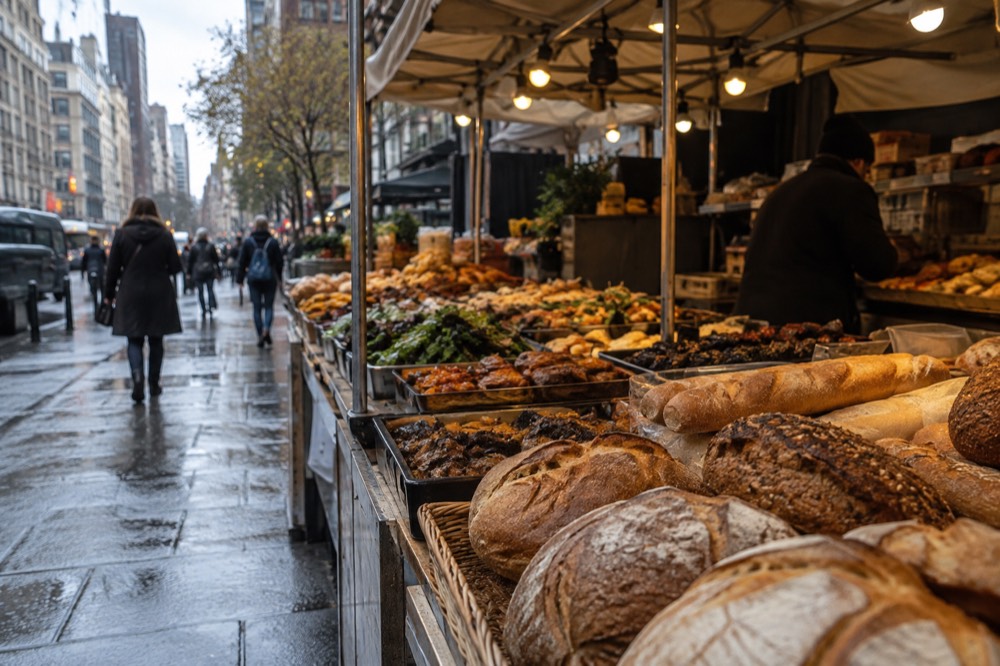
Tips New Yorkers Actually Use During Restaurant Week
The locals' playbook is unglamorous: book weekday lunches instead of weekend dinners, pick restaurants that are new to the list rather than the famous holdovers, read the set menu before reserving, and go to restaurants in the outer boroughs where the same fixed price buys more. Arrive hungry but not starving, order the dish the kitchen is known for if it appears on the set menu, and never book a table you cannot reach on time.
Lunch is the insider move. The set lunch price is usually the same deal or better than dinner, the rooms are quieter, and kitchens executing a midday service have more time per table. A Restaurant Week lunch also leaves your evening free for a show, a rooftop, or a walk across the Brooklyn Bridge at sunset.
Read the menu with a cook's eye. If the set menu leans on the restaurant's signature dishes, you are getting the real thing. If it is built entirely from the cheapest ingredients on the larder, the discount is partly an illusion. Most participants play it straight, but the check takes ten seconds and protects the whole evening.
Be on time, and cancel properly if your plans change. Restaurants participating in the promotion absorb a volume hit, and no-shows during Restaurant Week are a known sore point in the industry. Cancel through the booking system as early as you can. It costs nothing and keeps the table available for someone else.
Finally, do not over-schedule. Two Restaurant Week meals in a trip is plenty; three becomes a chore. Leave room for a slice, a bagel, a deli sandwich, the unstructured eating that is the other half of New York food. Our best restaurants in NYC guide and the NYC food tours page cover the rest of the year.
Common Questions About NYC Restaurant Week
The questions visitors ask most are about dates, price, booking and whether the deal is worth it. Restaurant Week runs twice a year, the prix fixe price is published each edition on the official page, reservations open before the promotion starts, and the value is largest at expensive restaurants where the discount against the normal bill is biggest. The answers below cover the specifics, including what to do if your trip falls outside the promotion's dates.
When is NYC Restaurant Week?
It runs twice a year, with a winter edition and a summer edition. The exact dates change each season and are published on the official NYC Tourism Restaurant Week page, so check there before you plan around it. Each edition typically lasts a few weeks.
How much does NYC Restaurant Week cost?
Each participating restaurant sets a fixed prix fixe price for a multi-course meal, and the price is published on the official listing when the edition is announced. The price is per person and usually excludes drinks, tax and tip. This guide does not print a number because the set price changes between editions, and the only figure worth acting on is the current one on the official page.
How do I book NYC Restaurant Week?
Book through the official NYC Tourism Restaurant Week listing or the restaurant's own reservation system, as soon as reservations open. The most popular participants sell out within days. Weekday lunches are the easiest tables, weekend dinners at famous names the hardest.
Is NYC Restaurant Week worth it?
It depends on the restaurant. The value is largest at expensive rooms where the set price is far below a normal à la carte bill, and smallest at casual restaurants whose regular prices already sit near the set price. Read the set menu before booking and judge whether the dishes on it are the ones you would have ordered anyway.
Do all New York restaurants take part?
No. Participation is voluntary and the list changes each edition, running to hundreds of restaurants across the five boroughs. Many of the city's best restaurants never join, either because they do not need the traffic or because their format does not suit a set menu. The official listing is the only reliable source for who is in.
What if my trip is not during Restaurant Week?
Eat the way New Yorkers do the rest of the year: neighborhood restaurants, food tours, markets and counters. A guided food tour through Chinatown and Little Italy or Greenwich Village covers six tastings with a local steering the route, Chelsea Market works any day, and the city's pizza, bagel and deli traditions never close for the season.