Is New York Safe Right Now in 2025?
A direct, sourced answer on whether New York is safe right now in 2025: the subway, the neighborhoods, the nights, and the situations visitors actually encounter.
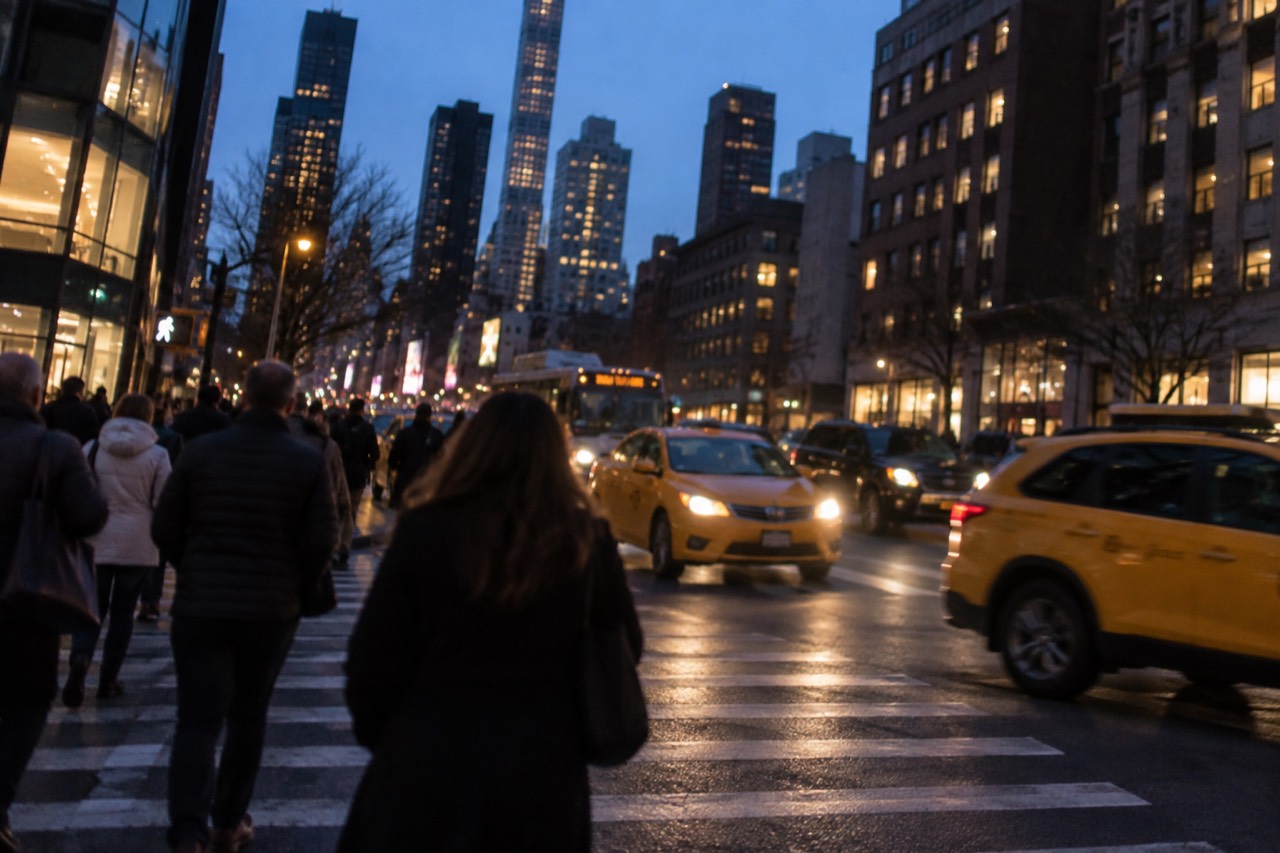
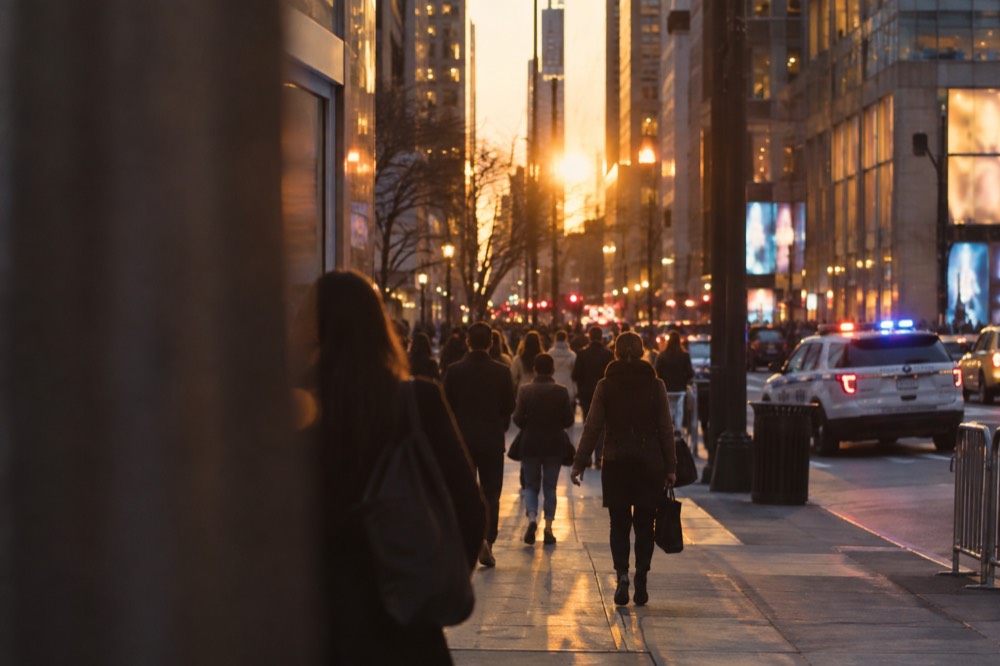
New York City in 2025 is one of the most heavily walked, heavily filmed, heavily policed cities on earth, and that shapes the safety picture more than any single headline. Times Sq-42 St, the busiest subway complex in the system, carried 61,203,303 riders in 2025, which is 71% more than Grand Central. A city moving that many people through that little space produces a steady hum of minor incident and a very low rate of the serious kind. The question underneath "is it safe" is really three questions: is the subway safe, are the streets safe at night, and are the tourist corridors safe. Each has a different answer, and none of them is answered by fear or by false reassurance. This page works through what is actually verifiable, in plain terms, with the New York City Travel Guide conventions of no invented figures and no blanket neighborhood verdicts.
Is New York Safe Right Now in 2025?
Yes, for the overwhelming majority of visitors New York is safe right now in 2025, and the safety picture for tourists is concentrated in the parts of the city that are busiest, best lit and most policed. The measurable indicators point the right way: subway fare evasion fell from 12.7% to 10.2% between 2024 and 2025, and weekend ridership has recovered to 88% of pre-pandemic levels.
That is a general answer, and general answers are where most safety writing goes wrong, so this page will get specific. The honest framing is risk-relative, not binary. Roughly 65 million people visited New York in 2025, and the overwhelming majority of them had no safety incident at all, because the things tourists do, walking Midtown, riding the subway between attractions, eating in busy neighborhoods, happen in the most supervised parts of the city.
What follows is not a claim that nothing bad ever happens. It is a claim about scale, and about behavior. The visitor who keeps their phone secured, stays aware at platform edges, and keeps to populated streets after dark is doing the three things that matter most. Everything else is detail.
For planning your days around the highest-traffic sights, the things to do in NYC page maps the classic circuit, which is also, not coincidentally, the safest-traffic circuit.
Which Parts of New York Should a Visitor Actually Think About?
The five boroughs are not one place, and no honest safety answer treats them as one. Manhattan's tourist core, Midtown, the Theater District, Lower Manhattan, is the most heavily patrolled and camera-covered stretch of the city. Brooklyn neighborhoods like Brooklyn Heights, Dumbo and Park Slope are quiet residential visitor areas. The honest rule is not "avoid X," it is: prefer streets with people on them.
This site's standing rule applies here as strongly as anywhere: never describe a neighborhood as dangerous as a blanket statement. Neighborhoods change block by block and hour by hour, and a verdict written in a guidebook is stale before it ships. What a visitor can rely on instead is structure. The places tourists actually go, the Empire State Building, Top of the Rock, the High Line, the Brooklyn Bridge promenade, sit inside dense, continuous foot traffic from early morning to late evening.
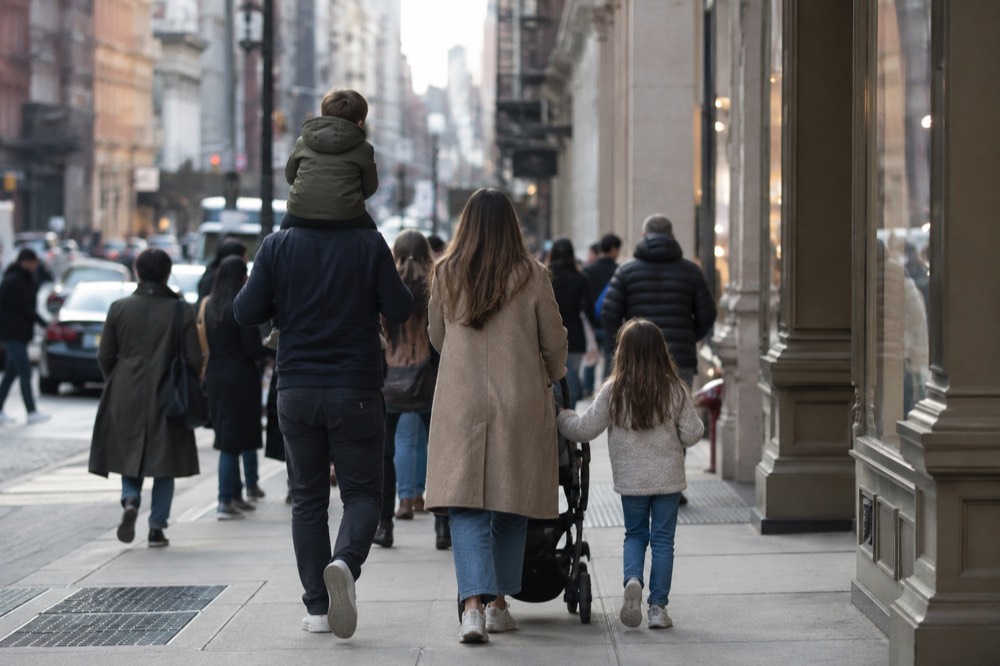
A few practical notes that hold across the city:
- The subway is the way locals move, and it is busier on weekends than recovery-era habit suggests. Average weekend subway ridership in 2025 was 4,831,140, which is 88% of 2019, while weekday ridership sits at 73%. The weekend train is the fuller one relative to normal, and fuller trains are the safer ones.
- Uptown and downtown, not north and south: knowing your direction on the platform removes the single most common disorientation moment, standing at the wrong end waiting for a train going the wrong way.
- Hotel location matters less than people fear. Midtown, the Upper West Side, the Upper East Side, Brooklyn Heights and Long Island City all put you on well-trafficked streets near 24-hour transit.
- Queens deserves a mention here, because two of its neighborhoods, Astoria and Long Island City, have become standard visitor bases, and both behave like the residential Brooklyn areas: busy commercial streets, quiet side streets, and subway lines that run full.
The deeper neighborhood-by-neighborhood rundown, including the areas worth a half-day each, lives on the is NYC safe page and the borough guides linked from it.
Is the New York Subway Safe to Ride in 2025?
Yes, the subway is safe to ride in 2025 for normal tourist use, and the ridership data supports that: 1,281,883,362 rides were taken in 2025, about 75% of the pre-pandemic peak, and fare evasion, one of the system's most-watched disorder indicators, fell from 12.7% to 10.2% between 2024 and 2025. The practical risks to a visitor are almost never violent.
The subway is where safety anxiety concentrates, and it is also where the verifiable data is best. The MTA publishes ridership figures directly, and the 2025 numbers show a system carrying over 1.28 billion rides with weekend recovery outpacing weekday. People vote with their taps, and the weekend vote is nearly back to 2019.
Practical subway safety is mostly transit literacy. Stand back from the platform edge until the train stops. Keep bags in front of you in crowded cars, not out of fear of theft so much as courtesy and control. If a car looks wrong to you, an unoccupied car at a busy hour is usually unoccupied for a reason, walk to the next one at the station. Use the off-hours waiting areas where stations have them.
Fares are tap-and-go with OMNY, and the weekly cap of $35 applies automatically with no pass to buy, which matters here for a different reason: a visitor who has sorted their fare in advance does not stand at the top of the stairs fumbling with a phone, which is the single most avoidable moment of exposure in the system. The NYC subway guide covers the fare rules in full.
| Situation | What the data says | What to do |
|---|---|---|
| Riding the subway at rush hour | Average weekday ridership 4,001,735, 73% of 2019 | Crowded but normal; keep bags closed and in front |
| Riding late at night | System runs 24 hours; ridership thins after midnight | Ride in cars with other passengers; wait in sight of the station booth |
| Fare payment | $3.00 single ride; $35 weekly OMNY cap, automatic | Tap the same card or device every time; no pass to buy |
| Feeling disoriented | Uptown/downtown signage on every platform | Confirm direction before boarding, not after |
Is It Safe to Walk Around New York at Night?
Yes, walking at night in New York is safe in the areas visitors actually walk at night: the Theater District, Midtown, Lower Manhattan, the Brooklyn Bridge promenade approaches and the main dining strips, all of which stay busy past midnight. New York's street life is its own safety mechanism, and a street with people on it is a safe street.
Night is when the city's density works for you. Broadway theaters empty thousands of people onto 45th Street at 11pm, and the restaurant strips of the West Village, Chinatown and Williamsburg stay populated until close. The weekend ridership recovery, 88% of 2019 on the subway, means the trains you would take home from those evenings run full.
A few specific night notes worth having:
- The Theater District after a show is one of the densest, best-lit pedestrian environments in the country. You will not be alone on those sidewalks.
- The Brooklyn Bridge promenade is open overnight and the view is real, but the Manhattan and Brooklyn approach streets quiet down late; the walk is better timed to sunset than to 1am.
- Parks are the exception to the night rule. Central Park's roads are open but its wooded interior, the Ramble especially, is not somewhere to wander alone after dark, in any city, in any year.
- Rideshare and yellow cabs are abundant; the honest late-night advice is that a $20 ride is cheaper than an uncomfortable walk, and there is no prize for toughness.
What Scams and Street Situations Should You Recognize?
The situations that cost visitors money in New York are almost all low-level and avoidable: the CD-and-handshake hustle near Times Square, costume characters demanding payment for photos, unlicensed ticket resellers outside theaters, and "free" friendship bracelets. None are dangerous in the violent sense, and all are defeated by the same two moves, keep walking, and never hand over your phone.
Times Square is the epicenter, and it is worth being specific because the patterns are stable year to year. Someone puts a CD in your hand and asks your name, then demands payment. Someone in a costume poses beside your child, then quotes a price. Someone offers a bracelet, ties it on before you agree, then names a fee. The move in every case is to not take the object, and if it lands in your hands anyway, set it down and keep walking. There is no confrontation behind these hustles; they run on hesitation.
Two more that show up downtown:
- Fake ticket sellers outside Broadway theaters and around the TKTS booth queue. Buy show tickets only from the booth itself, the theater box office, or a legitimate listing. The cheap Broadway tickets page covers the legitimate discount routes.
- The "Statue of Liberty cruise" that never lands. Statue City Cruises is the only ferry operator authorized by the National Park Service to dock at Liberty Island, and lookalike harbor cruises, some charging more than the real ferry, circle the islands without landing. If standing on Liberty Island is the point, the official ferry is the only product that does it.
None of this requires vigilance in the anxious sense. It requires knowing the six or seven scripts in advance, at which point they stop working on you.
Is New York Safe for Solo Travelers, Women, and Families?
Yes, New York in 2025 works well for solo travelers, women traveling alone, and families, and the reasons are structural rather than atmospheric: 24-hour transit, dense late-night foot traffic in entertainment districts, and a street culture of non-attention where nobody reacts to a person dining or walking alone. Families get an additional layer of staffed, timed-entry attractions.
Solo travel in New York is close to the national norm rather than the exception. A person eating alone at a counter, walking a museum alone, or standing at a platform alone draws no notice, and the things that make solo travel tense elsewhere, empty streets after dark, no way home, nowhere to ask for help, are absent. The subway runs all night, bodegas and delis sit on corners across the boroughs, and a phone with transit directions replaces most of what a companion would do.
For families, the practical safety picture is about logistics more than threat. Timed-entry attractions like SUMMIT One Vanderbilt keep crowds moving on a schedule, and stroller-and-toddler logistics are the real challenge, not the street. Children under 44 inches ride the subway free with a fare-paying adult, up to three of them, which makes the train a family-friendly tool rather than an ordeal.
For women traveling alone, the same rules as any large city apply, with the New York-specific note that help is always near: any subway station booth, any store, any hotel doorman. The city's density means you are rarely more than a few steps from an open business.
What Should You Do If Something Does Go Wrong?
If something goes wrong in New York, the response system is simple and fast: call or text 911 for emergencies, and use the city's non-emergency line for anything that needs city services but not a siren. Every subway station and every major attraction has staff whose job includes helping you. The aftermath of most incidents, a lost phone, a lifted wallet, is an errand, not a crisis.
The numbers worth saving before you need them:
- 911 for police, fire and medical emergencies. It works from any phone, including one without a SIM or a plan.
- The city's non-emergency line handles noise complaints, lost item reports and sanitation issues, anything that needs the city's attention without urgency. Hotel front desks will call on your behalf, and in a tourist district a doorman is often the fastest route to help.
For documents, photograph your passport, ID and cards on arrival and store the photos somewhere retrievable. A stolen wallet with photographed contents is a two-hour problem; one without backups is a two-day problem. Consulates for most countries cluster in Midtown and on the East Side, and every major attraction has a lost-and-found that genuinely reunites items, because the volume of found property in this city is enormous.
One more note on the aftermath of a lost card: because OMNY caps your weekly fare automatically at $35, a lifted or lost payment card cannot be run up on transit the way an old unlimited pass could be. Freeze the card through your bank's app, and the transit exposure is already bounded.
Common Questions About Safety in New York in 2025
The six questions below cover the gaps this page has not yet closed: taxis versus the subway, phones in public, tap water, winter conditions, and how 2025 compares with the recent past. Each answer is short, direct and sourced to the same verified material as the rest of the page.
Is new york safe right now in 2025?
Yes. For normal tourist use, New York in 2025 is safe: fare evasion fell from 12.7% to 10.2% between 2024 and 2025, weekend subway ridership recovered to 88% of 2019, and the sightseeing corridors are the densest, most supervised streets in the city. The practical risks are petty and avoidable, not serious.
Is the subway or a taxi safer at night?
Both are safe; they trade different conveniences. A rideshare or yellow cab is door-to-door and removes platform waiting entirely. The subway runs 24 hours and weekend trains run near-full, and a busy car with other passengers is a safe environment. If a station feels wrong, leave and take the next entrance or a cab; there is no penalty for changing your mind.
Is it safe to use my phone on the street in New York?
Yes, with the same habit you would use in any large city. Millions of people walk New York streets holding phones every day. The one move worth adopting is two-handed awareness at the top of subway stairs and on quiet blocks: finish the message, pocket the phone, then walk. Snatch-theft exists and targets inattention, not tourists specifically.
Is New York tap water safe to drink?
Yes. New York's tap water is safe to drink and is routinely ranked among the best municipal supplies in the country. There is no reason to buy bottled water for safety reasons.
Is winter in New York dangerous for visitors?
No, but it is worth dressing for. February averages 10.1 inches of snow, more than January's 8.8, and it is also the driest month. The real winter hazards are icy sidewalks and slush at crossings, so waterproof footwear matters more than heavy coats.
Is New York safer or less safe than a few years ago?
The verifiable indicators point in a good direction. Fare evasion fell from 12.7% to 10.2% between 2024 and 2025, and weekend ridership recovery to 88% of 2019 means the trains and streets are fuller than at any point since the pandemic, and fuller public space is safer public space. Headlines and street-level reality are different datasets.
The honest closing note is this: safety in New York in 2025 is not a feeling to be summoned, it is a set of habits, and they are small ones. Tap the same card every ride, keep the phone pocketed on empty blocks, prefer streets with people, and buy your tickets from the places that are actually selling them. Do that, and the city's own numbers, 1.28 billion rides, 65 million visitors, a fare-evasion rate moving the right way, do the rest.