Little Italy NYC: What the Neighborhood Is Really Like
Little Italy is the smallest of Manhattan's famous neighborhoods, a few blocks of Mulberry Street wedged between Chinatown and SoHo. Here is what it is actually like, who it suits, and what to skip.
Short answer
Little Italy NYC is a compact dining district along Mulberry Street between Canal and Houston, best visited for a meal or an evening stroll and easily combined with Chinatown and SoHo in one walk. It is not a full-day destination on its own.
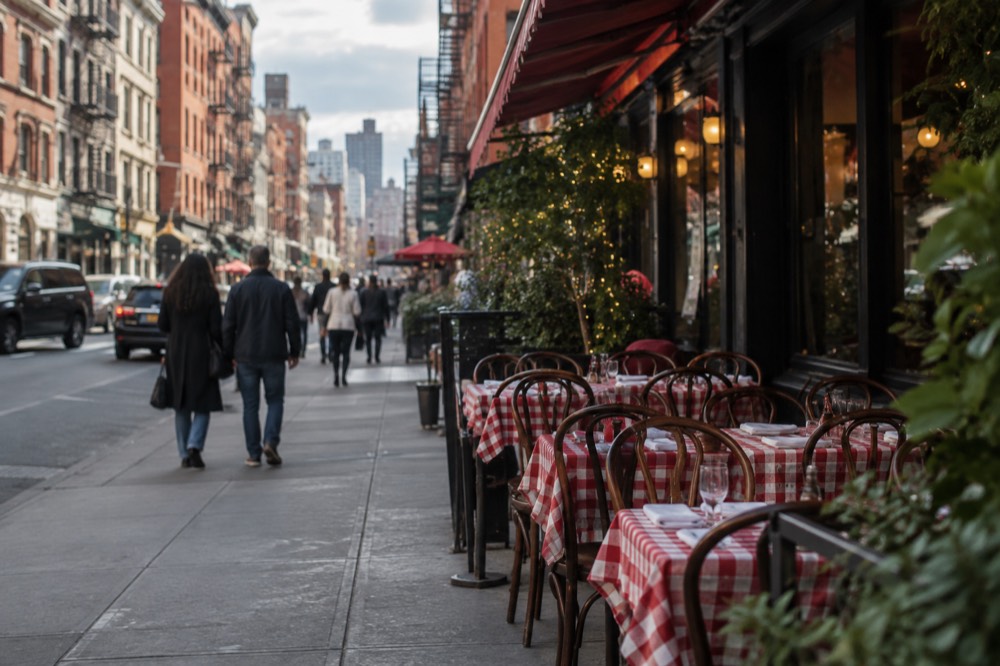
Mulberry Street between Canal and Houston is the whole of it. Little Italy, the Manhattan one, is a strip roughly a dozen blocks long and two or three wide, hemmed in by Chinatown on the south and east and SoHo on the north and west. Visitors sometimes arrive expecting a district, and what they find is a street. That is not a complaint. It is the single most useful thing to know before you go, because it shapes everything else: how long to stay, where to eat, and what to pair the visit with.
This page covers Little Italy as a day out and as a base, in plain terms. The short version: come hungry, come in the evening if you can, budget an hour or two unless you are eating a long meal, and walk one neighborhood over in either direction to fill the rest of the afternoon. For the wider picture of the city, start with our things to do in NYC page, or keep reading for the neighborhood itself.
Where Is Little Italy in NYC?
Little Italy sits in Lower Manhattan, centered on Mulberry Street between Canal Street to the south and Houston Street to the north, with Mott Street and Elizabeth Street forming its side streets. Chinatown wraps around its southern and eastern edges, SoHo begins at its northwest corner, and the N, R, W, 6, J, M and Z trains all stop within a ten-minute walk.
The boundaries matter more here than in most neighborhoods because they are so tight. Walk south down Mulberry and within a few blocks the signage switches to Chinese, the bakeries change, and you are in Chinatown without ever crossing an obvious line. Walk north up Mulberry past Houston and the cast-iron facades of SoHo take over. A first-time visitor who does not know this often thinks they have "done" three neighborhoods in an afternoon and wonders why everything blurred together.
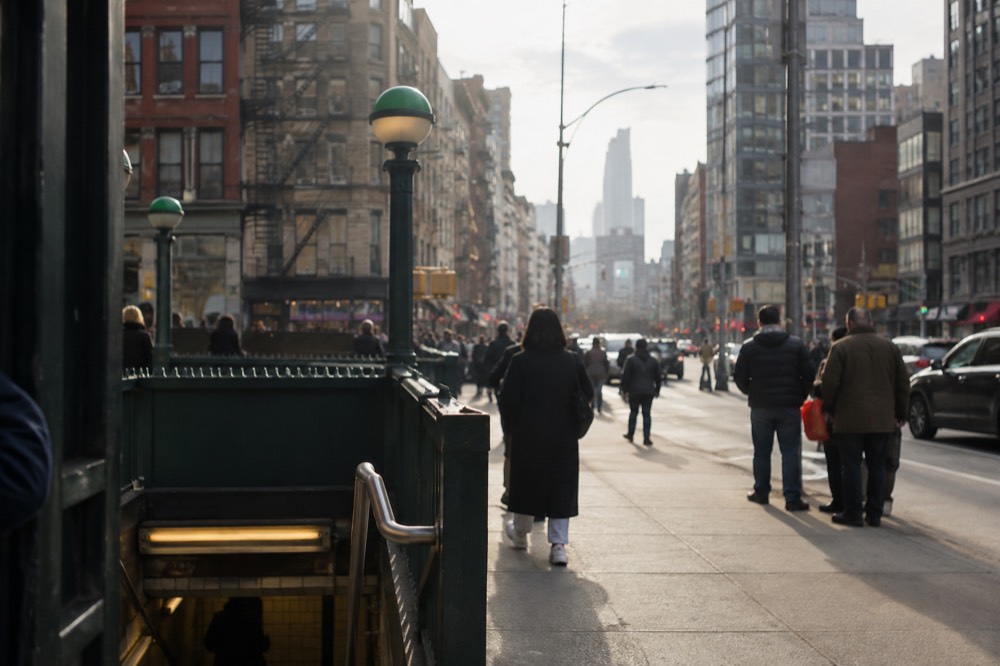
The subway access is genuinely good, which is one of the neighborhood's practical strengths. The 6 train stops at Spring Street, one block west of Mulberry, and at Canal Street at the neighborhood's southern tip. The N, R and W stop at Prince Street, a short walk northwest. The J, M, Z and N, R, W all serve Canal Street, which puts you at the corner where Little Italy and Chinatown meet. There is no station called Little Italy, and you do not need one.
| Subway line | Station | Walk to Mulberry Street |
|---|---|---|
| 6 | Spring St | 1 block east |
| 6 | Canal St | At the southern edge |
| N, R, W | Prince St | 3 blocks southeast |
| N, R, W | Canal St | At the southern edge |
| J, M, Z | Canal St | At the southern edge |
What Is Little Italy NYC Like as a Day Out?
Little Italy works as a two-hour stop built around a meal, not as a full-day destination. The core experience is Mulberry Street itself: Italian restaurants with outdoor tables, old-school red-sauce menus, pastry shops selling cannoli, and a street that gets liveliest in the evening. Most visitors pair it with Chinatown, SoHo or both.
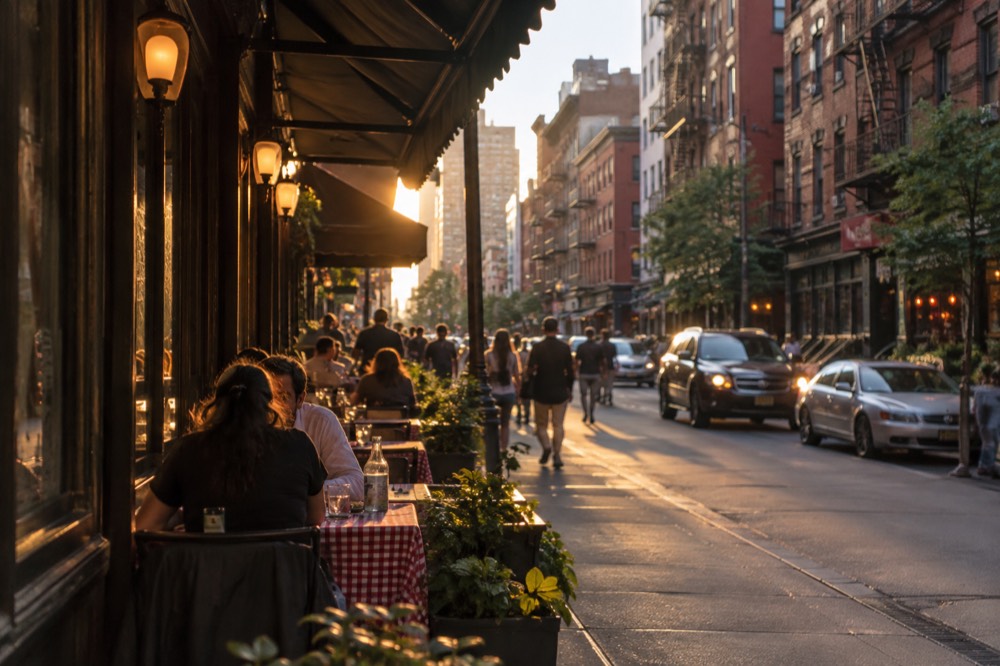
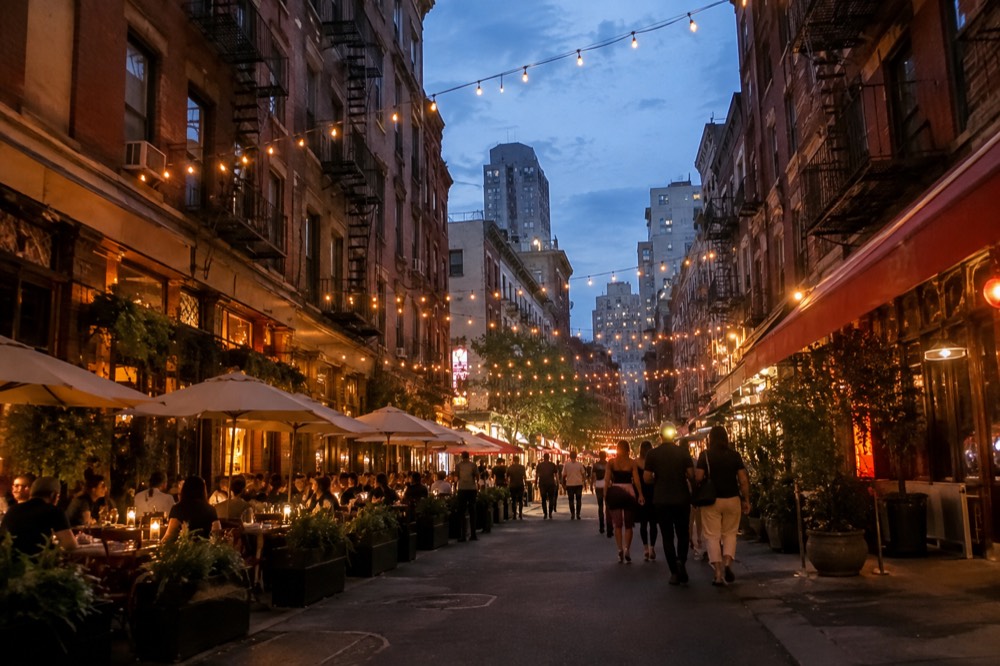
The street-level feel depends heavily on when you come. Midday, Mulberry is quiet enough that you can walk its length in fifteen minutes, pausing at pastry shops and reading menus. In the evening the outdoor tables fill, the string lights come on, and the street earns its postcard reputation. Weekend evenings are the busiest and most atmospheric, and also the most crowded. If atmosphere is the point, an evening visit wins. If you want to actually look at the buildings, come earlier.
What you get for your time is concentrated: food, a short walk, and photographs. There is no major museum, no observation deck, no park inside the neighborhood itself. What is nearby, though, is a strong list. Chinatown's markets and dumpling shops are blocks away. SoHo's shopping blocks start at Houston. The Staten Island Ferry and the Financial District are a longer walk or a short ride south. This is a neighborhood you slot into a day, not a day you build around it.
For visitors who want the neighborhood decoded rather than discovered, guided walks are the efficient route. A food tour covers the eating, a general walking tour covers the history, and there is a free, tip-based option on GuruWalk as well.
The three options above suit three different travelers. The tasting walk is for people whose main interest is the food, and six stops make a real meal. The SoHo, Little Italy and Chinatown walking tour is for shoppers and architecture fans who want the three neighborhoods in one guided sweep, light on food, heavy on history and photo stops. The free GuruWalk option, run by a guide working for tips, links the same three neighborhoods at no fixed price. One honesty note: several of the free walks in this part of Manhattan, including that one, are run by the same operator, so do not expect a wide choice of independent free-walk companies here.
Is Little Italy a Good Place to Stay?
Little Italy is a workable but niche base: a handful of hotels in and around Mulberry Street, central subway access to most of Manhattan, and restaurants downstairs, but a quiet street scene after dinner and limited options within the neighborhood itself. It suits travelers who want somewhere smaller-scaled and walkable. It does not suit visitors who want nightlife, big hotel amenities or a view.
The case for staying here is location and scale. You are a ten-minute walk from SoHo's shopping, five from Chinatown's food, and fifteen from the Lower East Side. The 6 train at Spring Street runs straight up Lexington Avenue to Grand Central territory and the Upper East Side museums. The N, R, W at Prince Street head uptown to Times Square and downtown to the harbor. For a first trip built around downtown Manhattan, the position is hard to beat.
The case against is what the neighborhood lacks after about 10pm. Mulberry Street empties once the dinner crowd leaves. There are no late-night bars of note, no music venues, no hotel with a rooftop scene you would cross town for. Visitors who base here end up going out in SoHo, the Lower East Side or the West Village and taking a short ride home. That is a perfectly good arrangement, but it should be a choice, not a surprise.
| If you want | Better base than Little Italy |
|---|---|
| Nightlife and late bars | Lower East Side, East Village |
| Design hotels and rooftop bars | SoHo, Hudson Yards |
| Classic sightseeing on foot | Midtown near Bryant Park |
| Cheaper rooms, more space | Long Island City, Harlem |
| Small-scale, walkable, food downstairs | Little Italy is a strong pick |
If the eating is the reason you are coming, a guided tasting walk turns a vague "we will find somewhere good" plan into a fixed route with a local steering it. The Chinatown and Little Italy food tour runs three hours with six tastings, from dumplings to cannoli, and the stops add up to a full meal.
What to Eat in Little Italy?
The honest eating answer splits in two: the red-sauce Italian restaurants along Mulberry Street, which serve long, sit-down meals in the classic Italian-American style, and the pastry shops, which are the quicker and arguably stronger reason to come. Cannoli made in front of you and espresso at a counter are the neighborhood's most reliable food experiences.
The restaurant row on Mulberry is the visual heart of the neighborhood and most of what people photograph. Menus lean Italian-American: pasta courses, veal and chicken preparations, shared antipasti, tablecloths. Prices are mid-range for Manhattan and higher than the equivalent food in Chinatown two blocks south. Reservations matter on weekend evenings, when the outdoor tables fill first and the walk-in wait grows.
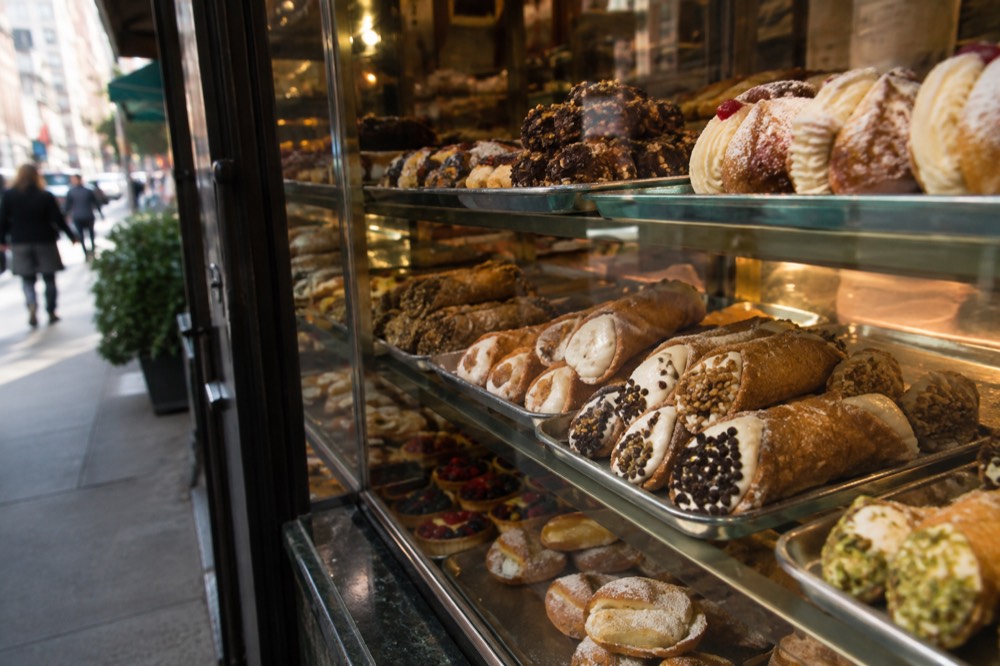
The pastry shops are where the neighborhood earns its keep for a casual visitor. A cannoli filled to order, rather than sitting pre-filled, is the difference most people remember. Several old bakeries operate within a few blocks of each other, and walking between them comparing cannoli is a legitimate, cheap, extremely pleasant activity that takes under an hour. Coffee counters serve espresso the way the neighborhood's older customers expect it, fast and standing.
A guided comparison saves the guesswork. The Chinatown and Little Italy food tour strings six tastings across both neighborhoods in three hours, dumplings on one side, cannoli on the other, with the stories of both in between. It is rated 4.9 from thousands of reviews and suits anyone who would rather eat a planned route than gamble on a menu.
How Do Little Italy and Chinatown Fit Together?
Little Italy and Chinatown share a border along Canal Street, and the practical move is to treat them as one visit: Chinatown for a market walk and dumplings, Little Italy for a sit-down meal or pastries, in either order. The two neighborhoods are walkable end to end in under twenty minutes, and a visitor who does one and skips the other is leaving half the afternoon unexplored.
The transition happens fast. South of Canal, the streets are Chinatown's: produce markets spilling onto sidewalks, fishmongers, bakery windows full of egg tarts and moon cakes. North of Canal along Mulberry, the awnings turn Italian. There is no gate and no empty zone, which is exactly why guided walks here cover both: the geography does the work.
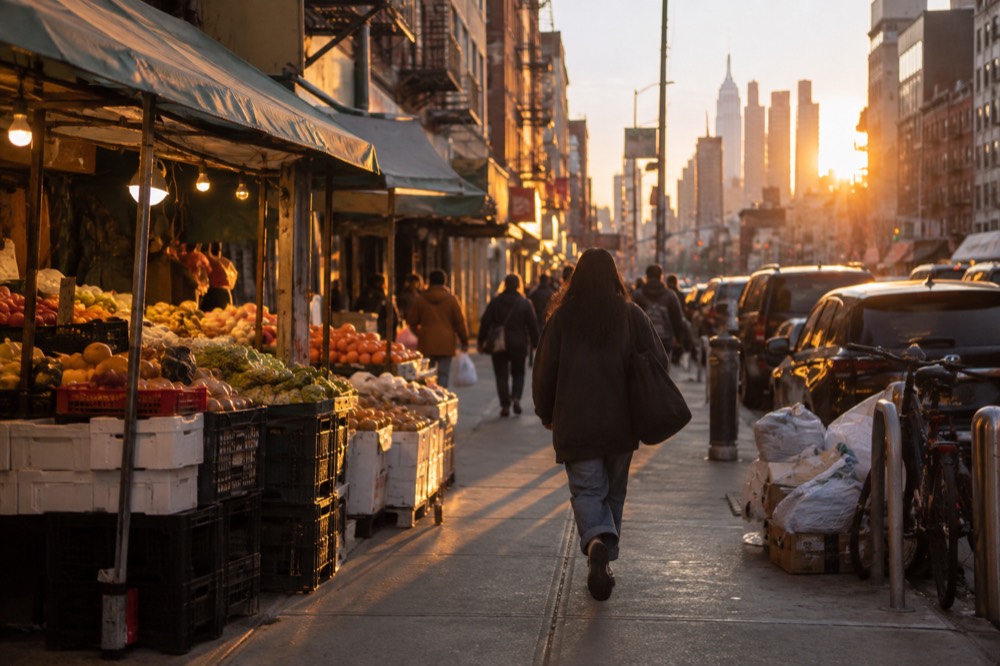
A food-focused pairing is the most common plan, and the guided version covers both neighborhoods with six tastings in one route. The SoHo, Little Italy and Chinatown walking tour takes the same geography with the emphasis on history and architecture instead, three neighborhoods in a two-hour guided sweep from SoHo's cast-iron blocks through Mulberry Street into Chinatown's lanes. The free SoHo, Little Italy, Chinatown walk on GuruWalk covers similar ground on a tip basis, run by a guide who works for whatever you decide to pay at the end.
| Walk | Duration | Focus | Price basis |
|---|---|---|---|
| Chinatown and Little Italy food tour | 3 hours | Six tastings, both neighborhoods | Paid, per person |
| SoHo, Little Italy, Chinatown walking tour | 2 hours | History, architecture, photo stops | Paid, per person |
| Free SoHo, Little Italy, Chinatown walk on GuruWalk | 2 hours | Three-neighborhood overview | Tip-based, pay what you choose |
How Do You Get to Little Italy?
The cheapest and usually fastest way to Little Italy is the subway: the 6 train to Spring Street or Canal Street, or the N, R, W to Prince Street, with a single ride costing $3.00. There is no MetroCard to buy any more, since the MTA stopped selling and refilling them on 1 January 2026. Tap the same card or device at every ride and the $35 weekly cap applies on its own.
The fare system changed more recently than most guidebooks admit, and getting it right saves both money and confusion at the turnstile. A single subway ride is $3.00. There is no 7-day unlimited pass to purchase, because the product that replaced it is automatic: once your taps on one card or device total $35 in a rolling seven-day window, further subway and local bus rides in that window are free. The catch is consistency. Tap your phone on Monday and the plastic card in your pocket on Tuesday, and the system counts them as two separate travelers, silently breaking your cap.
For most visitors this means doing nothing at all, which is the appeal. Arrive, tap in with the same card every time, and the fare ceiling takes care of itself. Children up to 44 inches tall ride free with a fare-paying adult, up to three per adult, which makes the subway a family bargain that taxis cannot touch. Taxis and rideshares work too, but in this part of Manhattan traffic on Canal Street makes the train faster at almost any hour.
When Should You Visit Little Italy?
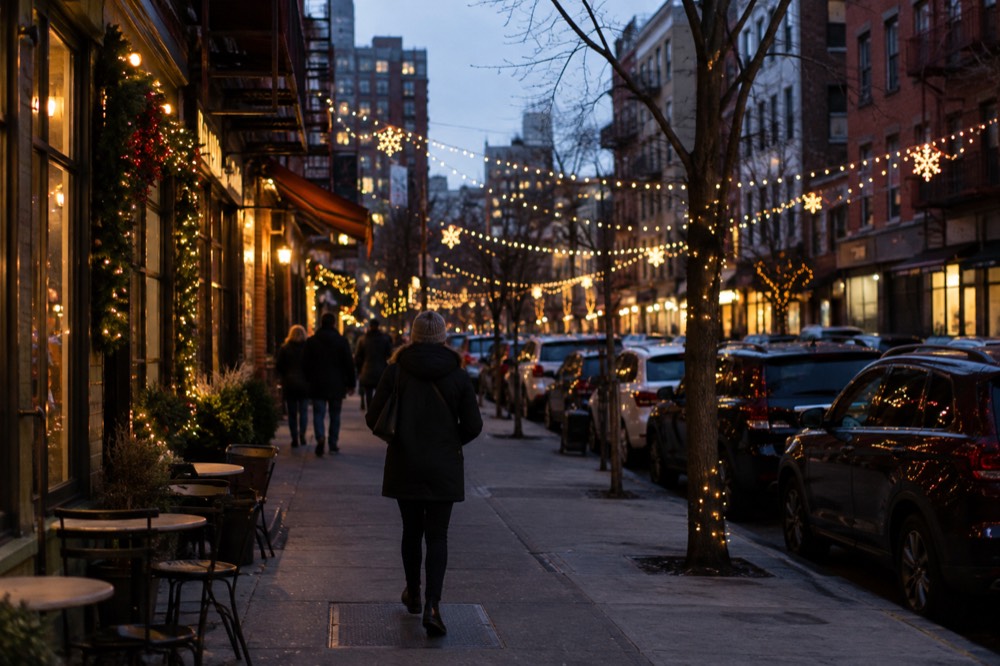
Evening is the best time for atmosphere and the worst for crowds, so the trade-off is simple: weekend evenings for the full string-lights scene with the most people, weekday early evenings for the same lights with a fraction of the wait, and midday for quiet pastry shopping and photographs. Summer outdoor tables run from roughly May through early autumn, and December brings its own draw when the holiday lights go up.
The street's character swings hard by clock. Between 11am and 4pm, Mulberry belongs to pastry shoppers and photographers, and you can walk it end to end without queuing. From about 6pm the restaurants take over, tables fill, and the street becomes what the postcards promise. If your plan is dinner, book ahead for a weekend and expect the room to be loud and full. If your plan is cannoli and photos, go early and you will have the sidewalks mostly to yourself.
Weather-wise, this is an outdoor-tables neighborhood, so the calendar matters more than it would for a museum district. Summer evenings are the peak experience but July is worth a caveat: New York's official climate normals put July as the wettest month of the year in Central Park, at 4.60 inches of precipitation on average, ahead of August and June. A summer visit plans around the chance of a downpour, and the pastry shops are the backup plan that makes a rainy hour pleasant rather than wasted.
| Time | What it is like | Best for |
|---|---|---|
| Midday, weekday | Quiet, walkable, bakeries open | Photos, pastries, unhurried browsing |
| Early evening, weekday | Lights on, tables filling | Dinner without the weekend crush |
| Weekend evening | Full street, string lights, crowds | The postcard scene, with reservations |
| December evenings | Holiday lights, cold-weather menus | A festive walk paired with SoHo |
Common Questions About Little Italy NYC
The questions visitors ask most cluster around size, time and food: how long Little Italy takes, whether it is worth a special trip, what to eat, and whether it pairs with Chinatown. The short answers: one to three hours depending on the meal, yes for dinner or a food tour, cannoli and a red-sauce dinner are the classics, and Chinatown is two blocks south and belongs in the same visit.
How long should I spend in Little Italy NYC?
One to two hours if you are walking through with pastries, two to three with a sit-down meal, and about three hours if you take a guided food tour that includes the neighborhood. It is too small to fill a day on its own, so plan the rest of the afternoon in Chinatown or SoHo.
Is Little Italy NYC worth visiting?
Yes, as an evening meal or a pastry stop paired with its neighbors, and the food tour version is one of the best-reviewed walks in the city. It is not worth a special trip as a standalone day out, because the neighborhood is a few blocks and offers food and atmosphere rather than attractions.
What is the most famous food in Little Italy?
Cannoli, filled to order at the old pastry shops, and the classic Italian-American dinner: pasta courses, veal and chicken dishes served at a leisurely pace on Mulberry Street. Espresso at a counter is the third classic, and the fastest one.
Is Little Italy walkable from Chinatown?
Completely. The two neighborhoods share the Canal Street border, and walking from the heart of one to the heart of the other takes ten minutes or less. Most visitors, and most guided walks, treat them as a single route.
What subway goes to Little Italy NYC?
The 6 train to Spring Street or Canal Street, the N, R, W to Prince Street, and the J, M, Z to Canal Street. Every one of them puts you within a ten-minute walk of Mulberry Street. A single ride costs $3.00, and the $35 weekly OMNY cap applies automatically if you tap the same card or device every time.
Should I stay in Little Italy or visit for the day?
Visit for the day unless you specifically want a small-scale, food-first base with central subway access. The neighborhood goes quiet after dinner, and most of what surrounds it, SoHo, Chinatown, the Lower East Side, is easy to reach from anywhere in Lower Manhattan anyway.
One last planning note. The New York City Travel Guide homepage covers the city-wide picture, transport and passes included, and the NYC food tours page goes deeper on tasting walks across the city if Mulberry Street has earned your appetite. Eat the cannoli while the shell is still crisp. That is the whole secret.