Things to Do in Queens: A Borough Guide for Visitors Who Want More Than Manhattan
Queens is the most diverse large county in the United States, and it eats, drinks and sightsees accordingly. This is what the borough offers a visitor, and who it suits.
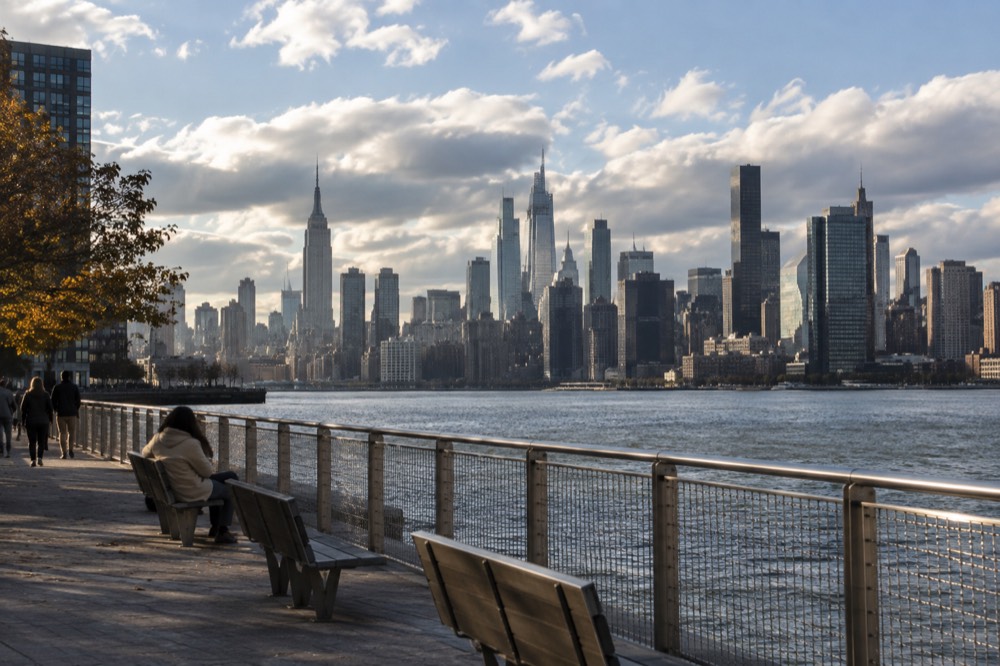
Short answer
Queens rewards visitors who trade Midtown's skyline for Flushing's food halls, Astoria's museums and Rockaway's beach. Plan a half day around one neighborhood, ride the 7 train, and eat everything.
The 7 train emerges from under the East River, climbs above the rooftops and runs the length of Queens like a sightseeing ride nobody charges for. From the elevated platforms in Sunnyside and Woodside you look straight into apartment windows, backyards, church domes and, in the distance, the Manhattan skyline you came to see. Most visitors never take that ride. They treat Queens as the blur between JFK and Midtown, which is a mistake, because Queens holds the best food in the five boroughs, a beach reachable by subway, and the single best free view of Manhattan.
This guide covers what the borough offers a visitor: which neighborhoods justify the trip out, what to eat once you are there, how the subway routing works, and whether Queens makes sense as a place to sleep. The short version is that Queens does not reward a checklist. It rewards picking one neighborhood, eating seriously, and riding the 7 home at sunset. If you are still building the wider itinerary, start with the full things-to-do rundown for NYC and slot Queens in as a day.
What Is Queens, and Why Do Visitors Skip It?
Queens is the largest borough by area and the one most visitors see only from a taxi window between JFK and Manhattan. It stretches from the East River waterfront to the Atlantic beaches at the Rockaways and functions less like one place than like a loose federation of villages, each with its own main street, its own language and its own food. Nothing here stands in a single square for a photo, so guidebooks default to Manhattan.
That is exactly why the borough rewards the traveler who goes.
The geography matters for planning. Western Queens, the part closest to Manhattan, is where Long Island City, Astoria and Sunnyside sit, all reachable from Midtown in under twenty minutes on the N, W, 7, E, M, F, G or R trains. Central Queens holds Jackson Heights and Corona, the latter wrapping around Flushing Meadows Corona Park. Eastern Queens is residential and slower to reach. The Rockaways hang off the south edge, a barrier beach island with its own subway line and a boardwalk culture that feels nothing like Coney Island's carnival.
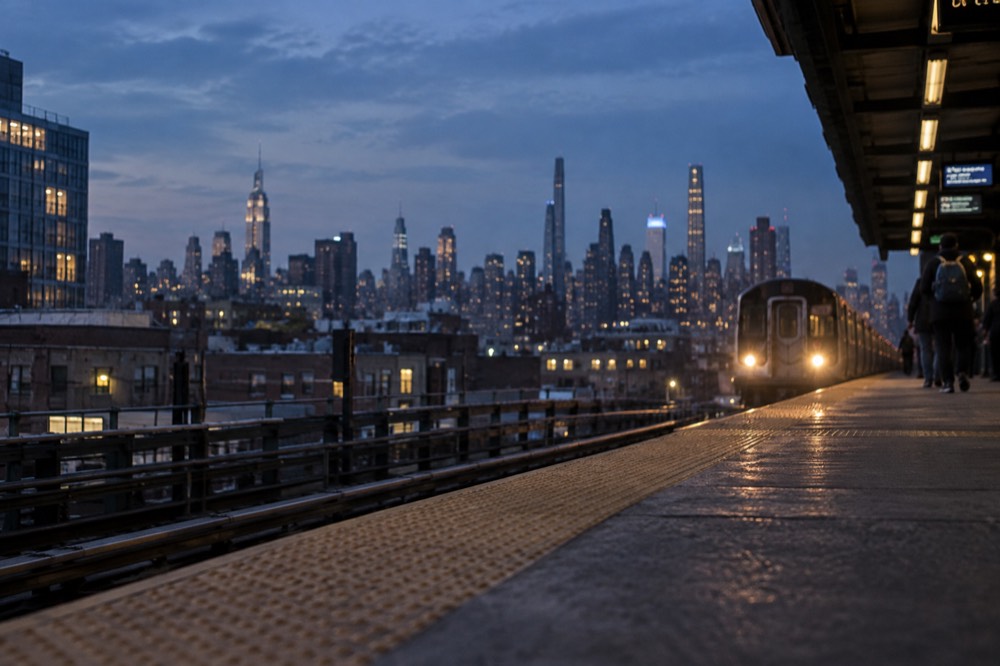
The honest framing is this: Queens is not a sights borough. There are museums here, and good ones, but the reason to come is texture. A dumpling crawl in Flushing. A Greek bakery in Astoria. A rooftop sunset in Long Island City that costs nothing. If your trip is four days and you need the Empire State Building, the Statue of Liberty and a Broadway show, Queens can wait. If your trip is a week or you have been to New York before, the borough becomes the best day of the visit.
One more thing worth knowing before you plan: the borough's diversity is not a slogan. Walk five blocks in Jackson Heights and you pass Latin American, South Asian and East Asian storefronts in sequence. The food scenes here are not curated for tourists. They exist for the neighborhoods, which is precisely why they are good.
Which Queens Neighborhoods Are Worth a Visitor's Day?
Four neighborhoods carry most of a visitor's interest. Long Island City delivers the skyline view, the museums and the waterfront walk. Astoria delivers Greek and Middle Eastern food plus a film museum. Jackson Heights delivers the most concentrated immigrant food scene in the city. Flushing delivers the best Chinese food in New York, full stop. Pick one per half day, not all four in one, because each rewards slow walking and serious eating rather than a drive-by.
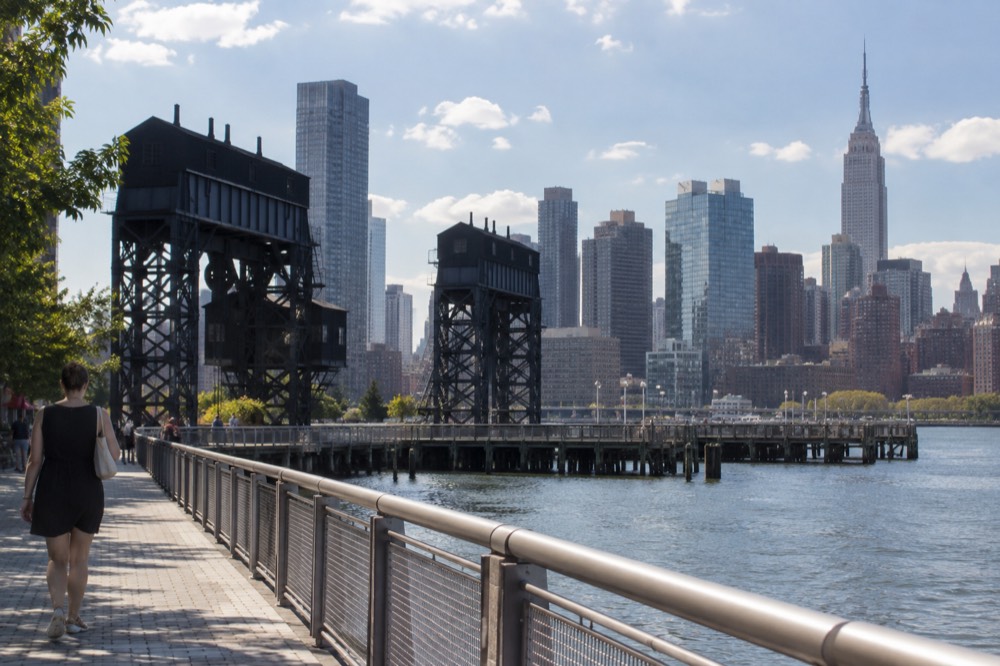
Long Island City is the easiest sell because it is one stop from Grand Central on the 7. Gantry Plaza State Park sits directly across the river from Midtown, with old gantry cranes framing the United Nations and the Chrysler Building, and it costs nothing. MoMA PS1, the contemporary art outpost of the Museum of Modern Art, operates in a converted schoolhouse a fifteen-minute walk away. The neighborhood also has the largest concentration of new apartment towers outside Manhattan, which means the view changes every year and the cafes multiply with it.
Astoria, next stop north on the N or W, is where Manhattan restaurant workers live and eat, and the food follows: Greek tavernas along Broadway and 30th Avenue, Middle Eastern bakeries, and a Brazilian stretch on 36th Avenue. The Museum of the Moving Image sits in a converted film studio building and covers cinema, television and video games, which makes it one of the few museums in the city that entertains teenagers without effort.
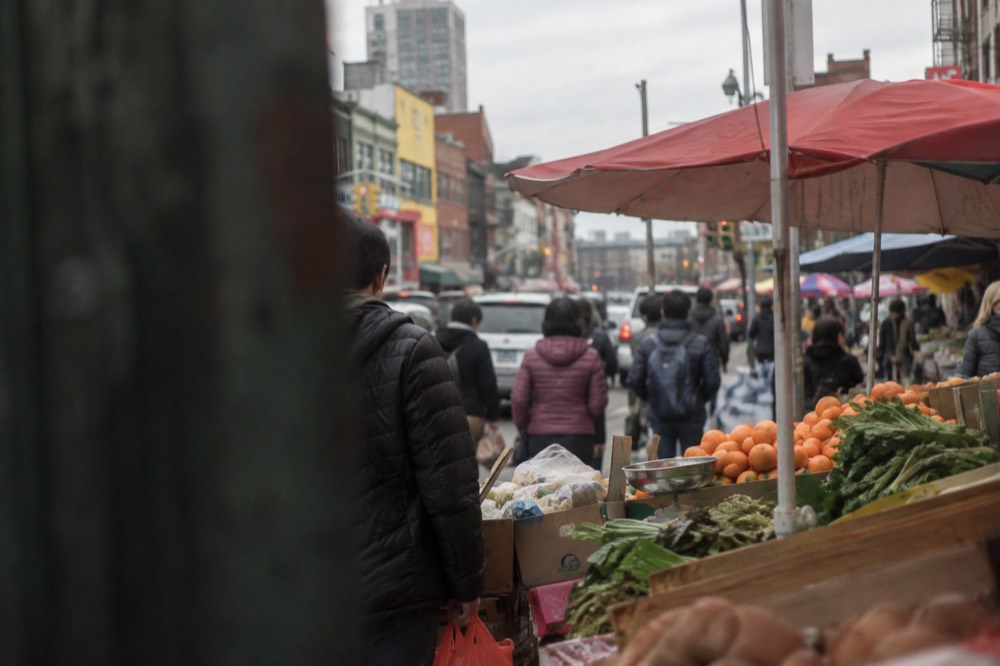
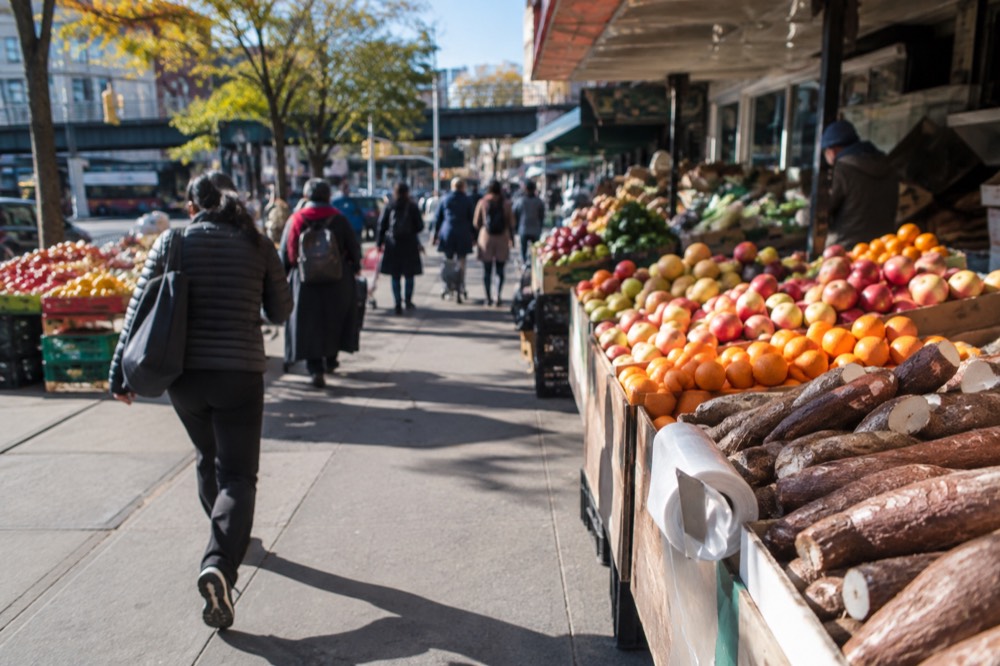
Jackson Heights and Flushing are the eating destinations. Jackson Heights centers on Roosevelt Avenue, where the 7 runs elevated overhead and the streets underneath hold Colombian bakeries, Tibetan momo counters, Indian sweet shops under the elevated tracks on 74th Street, and taco trucks after dark. Flushing's Chinatown now rivals and in many opinions beats Manhattan's, centered on Main Street and the Flushing Chinatown mall buildings where dozens of stalls share one roof. Go hungry, order by pointing, and expect to pay street prices.
Here is the comparison that matters when you only have one day:
| Neighborhood | Best for | Subway from Midtown | Eat this |
|---|---|---|---|
| Long Island City | Skyline views, contemporary art, waterfront walk | 7 to Court Sq or Vernon Blvd, ~10 min | Anything on the waterfront |
| Astoria | Greek and Middle Eastern food, film museum | N or W to Astoria Blvd or 30 Av, ~20 min | Grilled octopus, baklava, shawarma |
| Jackson Heights | Street food, immigrant food halls | 7 to Roosevelt Ave, ~25 min | Momos, arepas, chaat |
| Flushing | Chinese food, mall eating | 7 to Main St, ~35 min | Dumplings, hand-pulled noodles, hot pot |
| Rockaway Beach | Ocean, boardwalk, surf | A to Rockaway Park, or ferry | Tacos on the boardwalk |
If the eating part of this appeals but the planning does not, a guided tasting walk does the same job with a route attached. The Chinatown and Little Italy food tour runs in Manhattan rather than Queens, but it teaches the crawl-and-taste method that translates directly to Flushing or Jackson Heights: six stops, a guide who knows which counter to order from, and no menu anxiety. Check availability if a structured version suits you better than a self-planned crawl.
For orientation, the free walk is a different animal: on GuruWalk, the Financial District, Wall Street and 9/11 Memorial tour is a tip-based two-and-a-half-hour walk that covers the oldest blocks of the city. It is a Manhattan morning, not a Queens one, but it pairs naturally with an afternoon 7-train ride out to Long Island City, since the walk ends near the waterfront on the same side of the East River. Guides work for tips, so the price is what you decide at the end.
What Are the Best Things to Do in Queens with Kids?
Queens works well for children because its attractions are physical rather than precious: a giant steel globe you can walk under, a zoo sized for a morning, a beach with a boardwalk, and a science center built for touching things. Flushing Meadows Corona Park anchors the kid day, with the Queens Zoo, the New York Hall of Science and the Unisphere all inside one park, and the 7 train drops you at the door.
The Unisphere, the twelve-story stainless steel globe built for the World's Fair, is the park's centerpiece and the thing every child wants a photo under. Around it spread lawns, a zoo run by the Wildlife Conservation Society, the New York Hall of Science with its hands-on exhibits and rocket park, and the Queens Museum, whose showpiece is a scale model of the entire city. That model, the Panorama of New York City, lets a kid find their hotel, Central Park and every bridge in one room, which is quietly the best geography lesson in the five boroughs.
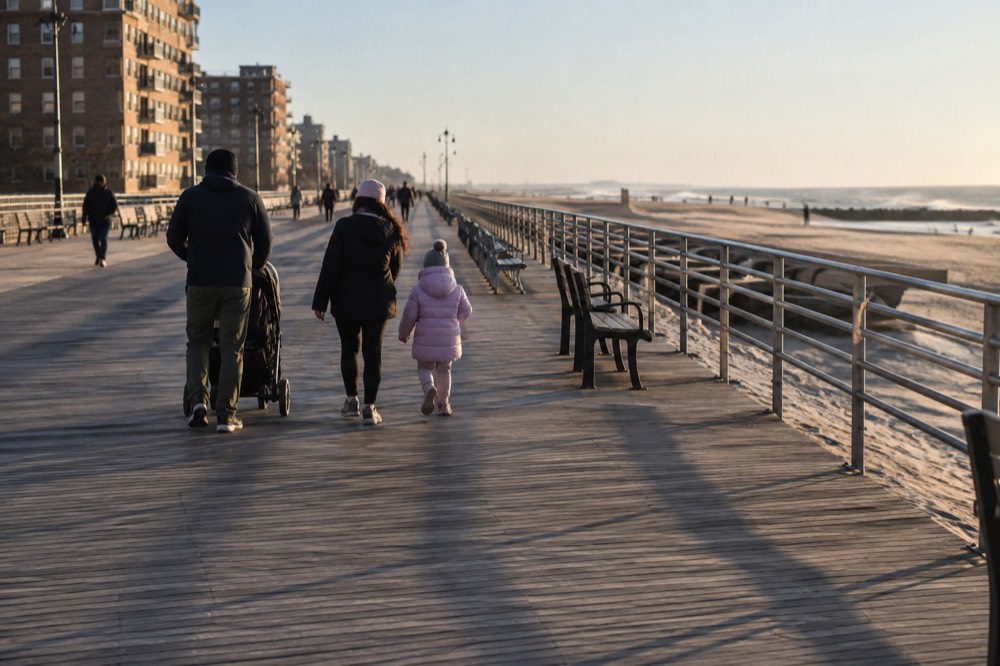
The Rockaways are the wildcard. An A train runs down a peninsula through wetlands to Rockaway Park, where a broad boardwalk, a surfing community and a line of taco and lobster shacks make a day that feels nothing like the rest of New York. In summer, go early: the train fills with beach gear and the boardwalk fills by noon. Off-season it empties out and becomes a long, cold, excellent walk. For more city-wide ideas by age group, the NYC with kids guide covers how a Queens morning fits a family week.
How Do You Get to Queens from Manhattan?
The subway is the honest answer, and the 7 train is the borough's spine. A single ride costs $3.00, and the OMNY system caps your weekly spending at $35 automatically when you tap the same card or phone for every ride, so a heavy sightseeing week stops charging you after about twelve taps. There is no 7-day unlimited pass to buy any more: the MetroCard was retired from sale on 1 January 2026, and the cap replaced it.
The routing is simpler than the map suggests. From Grand Central, the 7 runs to Hunters Point, Court Square and then elevated across the whole borough to Main Street in Flushing. From Times Square, the N and W run up to Astoria. The E, M, F and R tunnel into central Queens, with the E and F running express along Queens Boulevard to Jackson Heights and beyond. The A train to the Rockaways takes about an hour from Midtown and is worth the ride for the window view alone once it surfaces in Ozone Park.
| Destination in Queens | Lines | Notes |
|---|---|---|
| Long Island City / Gantry Plaza | 7, E, M, G | Vernon Blvd-Jackson Ave on the 7 is closest to the park |
| Astoria | N, W | Elevated section gives skyline views approaching Ditmars Blvd |
| Jackson Heights | 7, E, F, M, R | Roosevelt Ave station is the hub; the 7 runs above it |
| Flushing | 7 | Main St is the terminal; LIRR also serves it from Penn |
| Rockaway Beach | A | Take the Far Rockaway branch or transfer at Broad Channel |
| Mets games / Flushing Meadows | 7 | Mets-Willets Point stop, one stop before Main St |
Two fare details save visitors money and confusion. First, the cap only works if you tap the same physical card or the same phone every time; mixing devices resets nothing but silently breaks your cap tracking, so pick one and stick to it. Second, up to three children under 44 inches tall ride free with a paying adult, which makes the subway a family bargain that no rideshare can match. The full fare mechanics, including the airport runs, are laid out in the OMNY and subway guide.
Where Should You Eat in Queens?
Eat by neighborhood, not by restaurant list. Flushing for Chinese food across regional styles, from dumplings to hot pot to hand-pulled noodles. Jackson Heights for Tibetan, Colombian, Indian and Mexican counters packed along Roosevelt Avenue. Astoria for Greek tavernas and Middle Eastern bakeries. Corona for the old-school Italian ice and Ecuadorean corner spots. The rule that never fails: the counter with the shortest English menu and the longest line of locals is the counter you order from.
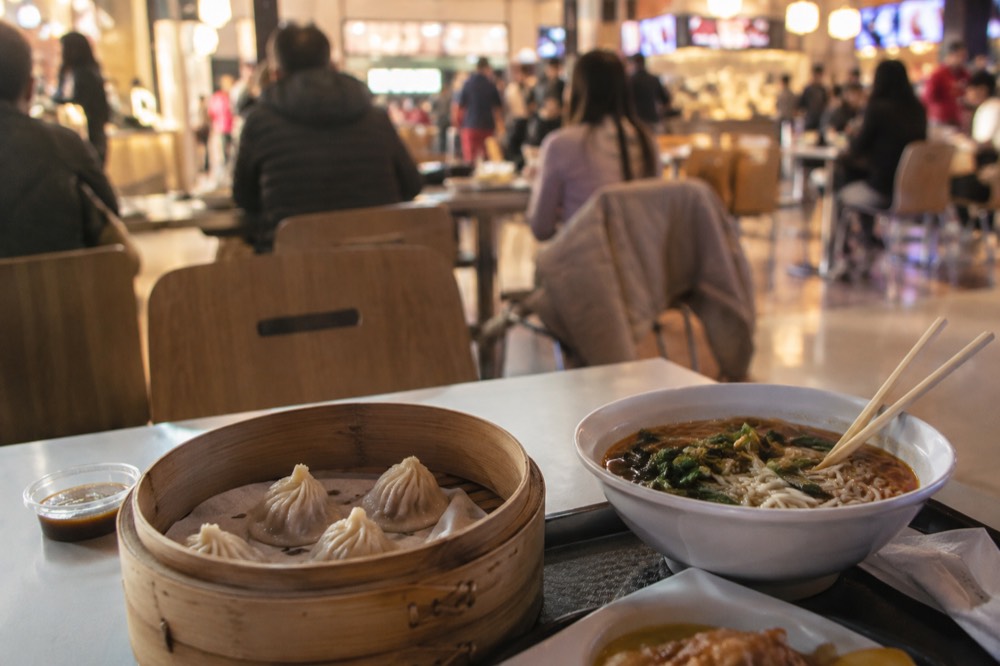
Flushing deserves the most words because it is the borough's crown. The Main Street strip and the surrounding blocks hold the city's largest Chinese community, and the food runs far beyond Cantonese: Xi'an noodle shops with hand-pulled biang biang, Dongbei braised pork, Taiwanese breakfast, and food courts where a filling meal costs less than a Manhattan coffee and croissant. The Golden Shopping Mall on Main Street is the classic starter, a warren of stalls where you point at what your neighbor is eating. Arrive before noon on a weekend or accept a wait.
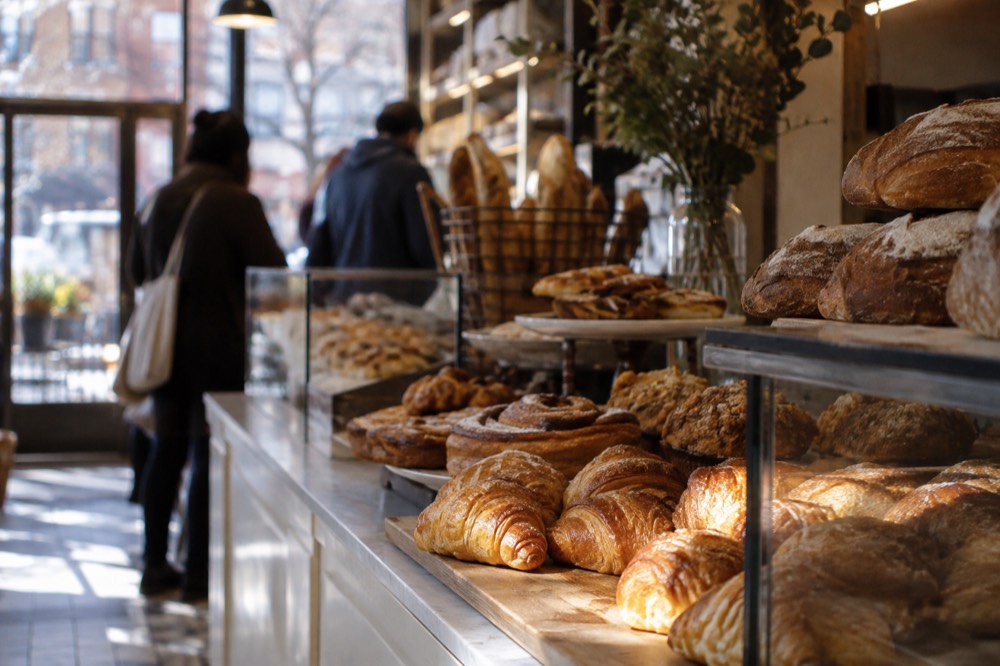
Jackson Heights works as the evening version of the same idea. Roosevelt Avenue under the elevated 7 tracks turns into a street-food corridor after dark, with taco trucks, arepa stands and momo counters. One block over, 74th Street between Broadway and 37th Avenue concentrates South Asian sweet shops and canteens. Astoria is the sit-down option: along Broadway and 30th Avenue the Greek tavernas grill whole fish, and the bakeries sell honey-drenched pastry by weight. Corona, just north of Flushing Meadows, holds the Lemon Ice King of Corona, a corner stand serving Italian ice since the middle of the last century, which is the correct dessert after a summer park day.
| Neighborhood | Signature food | Setting | Best time |
|---|---|---|---|
| Flushing | Regional Chinese, dumplings, noodles | Mall stalls and storefronts | Lunch, any day |
| Jackson Heights | Tibetan momos, tacos, chaat | Street counters, trucks | Evening |
| Astoria | Greek seafood, mezze, baklava | Table-service tavernas | Dinner |
| Corona | Italian ice, Ecuadorean food | Corner stands | Afternoon |
| Rockaway | Boardwalk tacos, lobster rolls | Beach shacks | Summer weekends |
If you want the crawl but not the logistics, a guided tasting walk solves it. The Manhattan walks below use the same format a Queens self-crawl imitates, and the SoHo, Little Italy and Chinatown walking tour is the lighter, cheaper version: three neighborhoods in two hours with history and photo stops rather than a full meal. It makes a good first-day orientation to how New York's downtown enclaves fit together before you ride out to see the Queens versions of the same story.
What Does a Perfect Day in Queens Look Like?
Start in Long Island City mid-morning, when the light is still behind you and the skyline photographs cleanly from Gantry Plaza. Walk the waterfront, spend an hour at MoMA PS1, then ride the 7 one stop to Sunnyside or straight through to Jackson Heights for a street-food lunch. Ride on to Flushing for an afternoon dumpling crawl and a walk through the World's Fair park on the way back.
End back on the Manhattan-facing waterfront, because the sunset behind the skyline is the borough's best free show.
The shape works because the 7 runs the whole route. One line, four neighborhoods, no transfers, and the elevated stretches give you a moving tour of the borough between stops. A realistic version with kids swaps the art for the Queens Zoo and the New York Hall of Science, and a summer version replaces the whole second half with the A train to Rockaway Beach and a boardwalk lunch.
Timing matters more in Queens than in Manhattan because the eating peaks are real. Flushing's food courts jam from noon, Jackson Heights peaks after dark, and Astoria's tavernas fill at 8pm. The single-day plan above deliberately sequences them: art before lunch, street food at lunch, Flushing in the afternoon when the mall crowds thin, dinner wherever the day left you. If you only take one day for the borough, take a Thursday or a Friday, when the weekend crowds have not yet arrived and everything is open.
Is Queens a Good Place to Stay?
Staying in Queens trades walkable sightseeing for space, lower room rates and some of the fastest subway access to Midtown in the city. Long Island City is the practical pick, one stop from Grand Central, with new hotels clustered around the waterfront. Astoria and Sunnyside offer quieter, cheaper rooms a few stops further out. The trade is real: you will ride the train every morning and evening, and a Manhattan night out ends with a ride home.
Long Island City is the case study. Two subway stops from Times Square by some routings, one from Grand Central, with a riverfront park and a growing hotel stock, it gives visitors the Manhattan skyline as a view rather than an address. The neighborhood is safe, quiet by Midtown standards and full of the cafes that apartment towers attract. The downside is that it is a residential-and-office district, so late-night dining thins out compared with the Theater District, and the walk back from the subway at midnight is longer than a Midtown hotel's.
| Stay in | Commute to Midtown | Room prices | Best for |
|---|---|---|---|
| Long Island City | 1-2 stops on the 7 | Mid-range | Skyline views, quick access |
| Astoria | ~20 min on the N or W | Lower | Food, neighborhood feel |
| Sunnyside / Woodside | ~15-20 min on the 7 | Lower | Quiet, authentic, cheap |
| Midtown Manhattan | 0 | Highest | First visits, short trips |
The airport logic matters too. JFK sits inside Queens, so a Queens base shortens both arrival and departure days, and the AirTrain-plus-subway run into the borough costs the same $11.75 it costs to Manhattan. If your flight leaves early, sleeping in Long Island City or Astoria removes the pre-dawn crossing. The trade remains the same: every sightseeing morning starts with a train ride. Some travelers love that rhythm. Some find it tiresome by day four.
What Are the Best Free and Cheap Things to Do in Queens?
Most of Queens is already free or close to it. Gantry Plaza State Park, the Unisphere, the Rockaway boardwalk, the Jackson Heights street scene and the Roosevelt Avenue food crawl all cost nothing to enter, and the eating is priced for residents rather than tourists. The museums carry admission but sit well below Manhattan's headline prices, and the single best free experience in the borough is the view: the Manhattan skyline from the Long Island City waterfront at sunset.
Start with Gantry Plaza, four piers of waterfront park with the old gantry cranes as framing devices. Photographers set up at golden hour because the sun sets behind Midtown, and the park never charges or gates. From there the free list runs long: walk the Astoria waterfront under the Hell Gate Bridge, wander the Jackson Heights garden apartment blocks, which are a designated historic district of a type found nowhere else in the city, and ride the 7 elevated simply for the view, which turns any fare into a sightseeing ticket.
The Rockaways are the free day trip. The beach is public, the boardwalk is long, and the ferry and the A train both reach it for a single fare. Bring nothing but a towel and cash for the taco shacks. In winter the same beach becomes a cold, empty, cinematic walk, and the surfers in thick wetsuits become the entertainment. For a full rundown of no-cost options across the city, the free things to do in NYC guide places the Queens waterfront and Rockaway stops in context.
For a guided version of free, the tip-based walks on GuruWalk are the honest option, and the Financial District, Wall Street and 9/11 Memorial walk is the one most visitors pair with a Queens day, since it covers the colonial-era street plan and the harbor end of Manhattan in two and a half hours with no fixed fee. You pay the guide what the walk was worth. Six of the ten New York free walks on the platform belong to a single operator, so do not expect a wide choice of independent free-tour companies: the options are real but concentrated.
Common Questions About Things to Do in Queens
Most questions about Queens come down to three worries: is it worth the subway ride, is it safe, and where do you eat. The answers are yes, yes with the usual city caution, and Flushing first, Jackson Heights second, Astoria for dinner. Queens is not a compact sightseeing district, so every good plan for the borough starts with picking one neighborhood and one meal, then letting the 7 train handle the rest. Below are the specific questions visitors ask most.
How many days should I spend in Queens?
One full day covers one arc well: Long Island City, Jackson Heights and Flushing along the 7 line, or the Rockaways as a standalone beach day. Two days lets you add Astoria and the Flushing Meadows park museums. More than two is for travelers with a specific reason, such as a food-focused trip or a Mets game.
Is Queens safe for tourists?
Queens is a residential borough of roughly two and a half million people, and its main visitor areas, Long Island City, Astoria, Jackson Heights and Flushing, are busy, well-trafficked and ordinary in their street life. The standard city caution applies everywhere: mind your phone at the subway platform edge, keep bags closed in crowds. No visitor neighborhood in Queens warrants a blanket warning.
What is the best time of year to visit Queens?
Spring through early fall. The Rockaway beach season runs summer, Flushing's food halls are year-round but best without a winter coat, and the waterfront parks reward warm evenings. July and August bring heat and the year's heaviest rain, since July averages 4.60 inches of precipitation in Central Park, more than any other month, so pack for humidity and the occasional downpour.
Can you see the Manhattan skyline from Queens?
Yes, and from some angles better than from Manhattan. Gantry Plaza State Park in Long Island City is the classic spot, with the Midtown skyline across the river and the sunset behind it. The Astoria waterfront and the Pulaski Bridge crossing also deliver strong views, and the elevated 7 train gives a moving panorama for the price of a fare.
Is Flushing or Manhattan's Chinatown better for food?
Flushing, for most purposes. It is larger, more regionally varied and priced for residents rather than visitors. Manhattan's Chinatown is more compact and easier to fold into a downtown sightseeing day, which is why a guided downtown food walk pairs naturally with a separate self-guided Flushing afternoon.
Do you need a car in Queens?
No. The subway covers every visitor destination in the borough, and the 7 train alone links Long Island City, Jackson Heights, Flushing Meadows and Flushing. Parking is scarce in the western neighborhoods and unnecessary everywhere the trains reach. A car only earns its keep for scattered errands in eastern Queens, which no visitor itinerary requires.
The last word is the practical one. Queens does not hand you a plan, it hands you ingredients: one skyline park, one museum quarter, three food neighborhoods, a beach and a train that strings them together. Pick two ingredients, book nothing except maybe a table in Astoria, and let the borough fill the day. The New York City Travel Guide covers the rest of the city when you are ready to plan beyond the river.