Upper West Side, New York: What the Neighborhood Is Like, Where to Stay and What to Do
The Upper West Side is the calmer, family-heavy strip of Manhattan between Central Park and the Hudson River, built around two of the city's big cultural institutions and some of its easiest walking. This is what it is actually like as a place to sleep and as a place to spend a day.
Short answer
The Upper West Side suits travelers who want Central Park at their door, two major museums within walking distance and a residential pace, while paying for it with a longer commute to downtown sights. It is one of the best bases in Manhattan for families and museum-goers, and a weaker one for nightlife chasers.
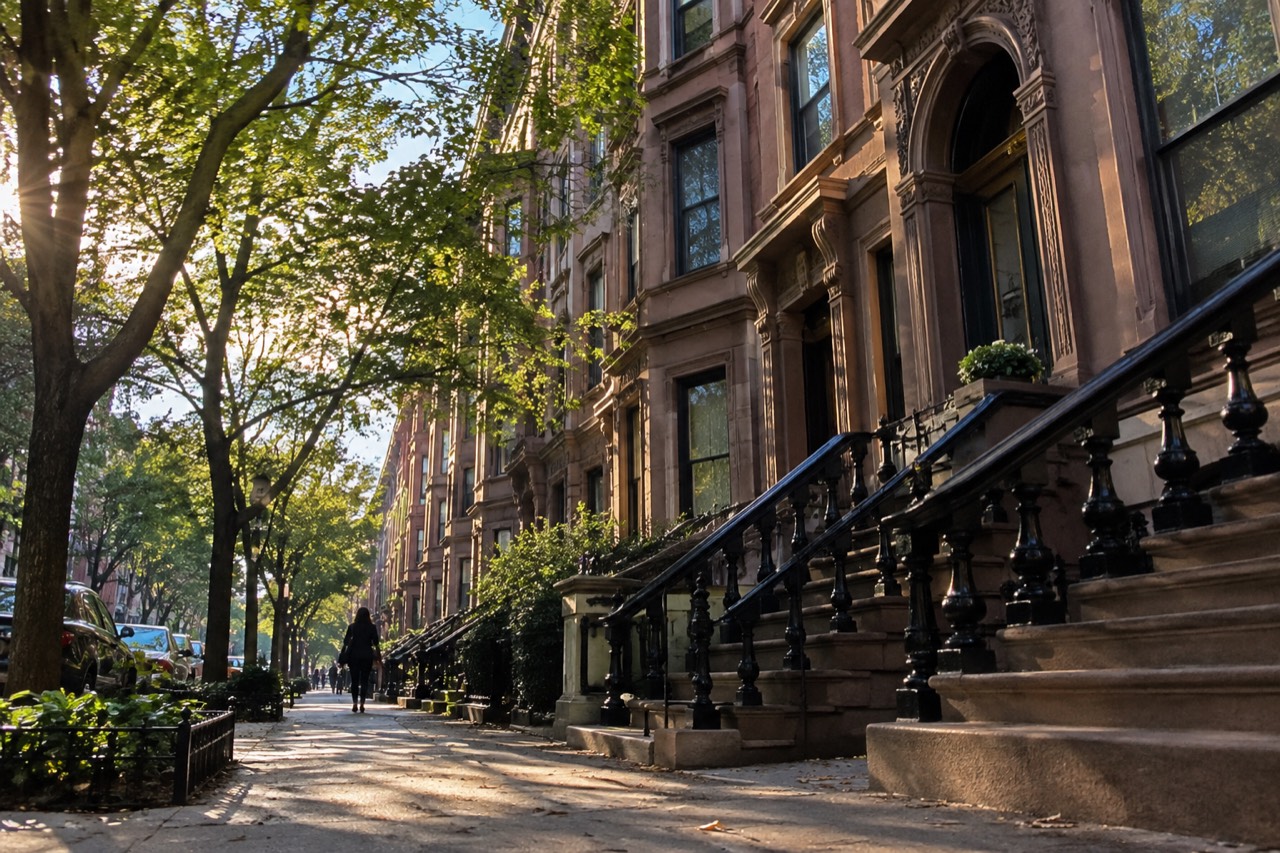
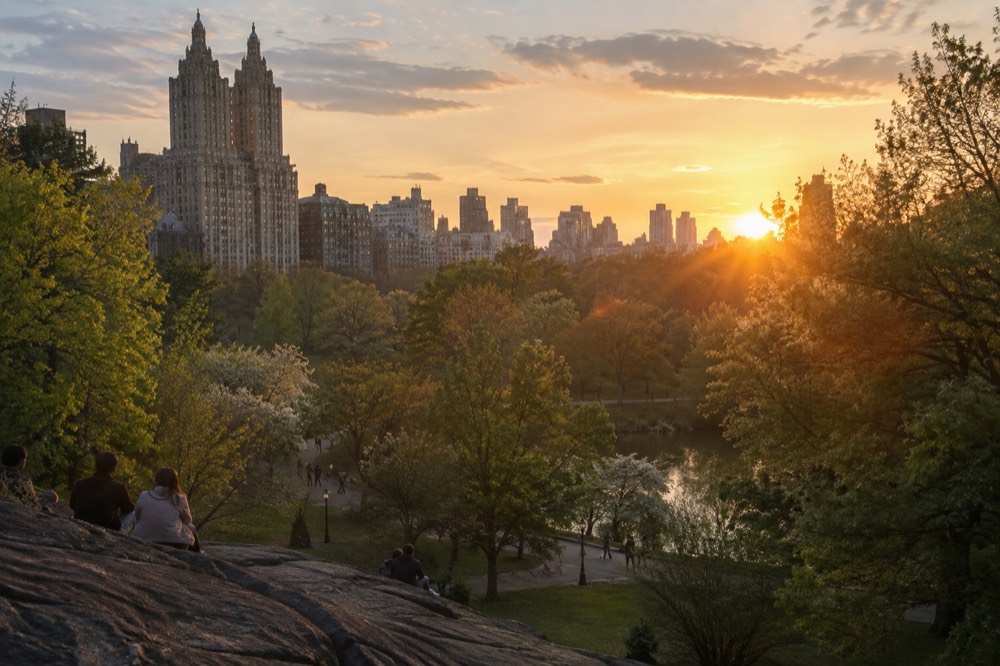
The Upper West Side sits between two greens: Central Park on the east, Riverside Park on the west, with dozens of blocks of apartment buildings, institutions and Broadway's busy retail spine packed between them. It is the part of Manhattan where the grid softens, where 72nd Street and 86th Street carry crosstown traffic past brownstones rather than office towers, and where the day runs on school schedules and museum hours rather than the Theater District's clock. For a visitor choosing a base, that character is the whole trade: quieter, greener, and a longer commute to downtown sights than Midtown offers. This guide covers what the neighborhood is like, whether it works as a place to stay, what to do with a day there, and how the transit maths actually breaks down.
Where Is the Upper West Side and What Kind of Neighborhood Is It?
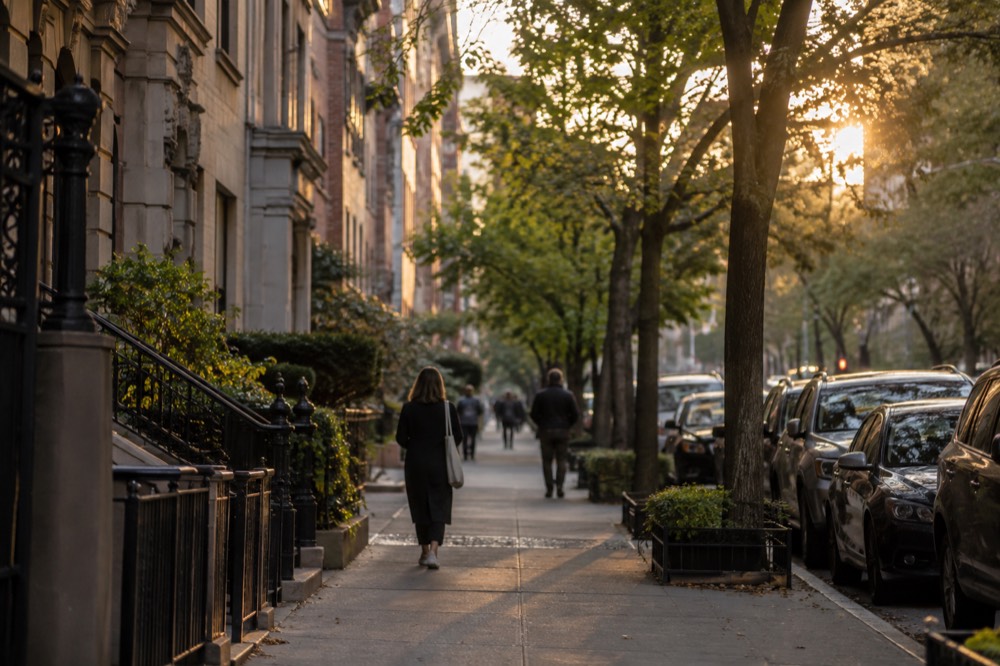
The Upper West Side is the Manhattan neighborhood bounded by Central Park on the east, the Hudson River on the west, 59th Street on the south and Harlem at its northern end. It is overwhelmingly residential: apartment buildings, brownstones, schools and cultural institutions rather than offices, which is why its streets empty in a way Midtown's never do.
Broadway cuts diagonally through it as the main shopping and eating street, and the 1, 2 and 3 trains run up its spine. For a fuller map of how it fits with the rest of the five boroughs, see our overview of New York City's neighborhoods.
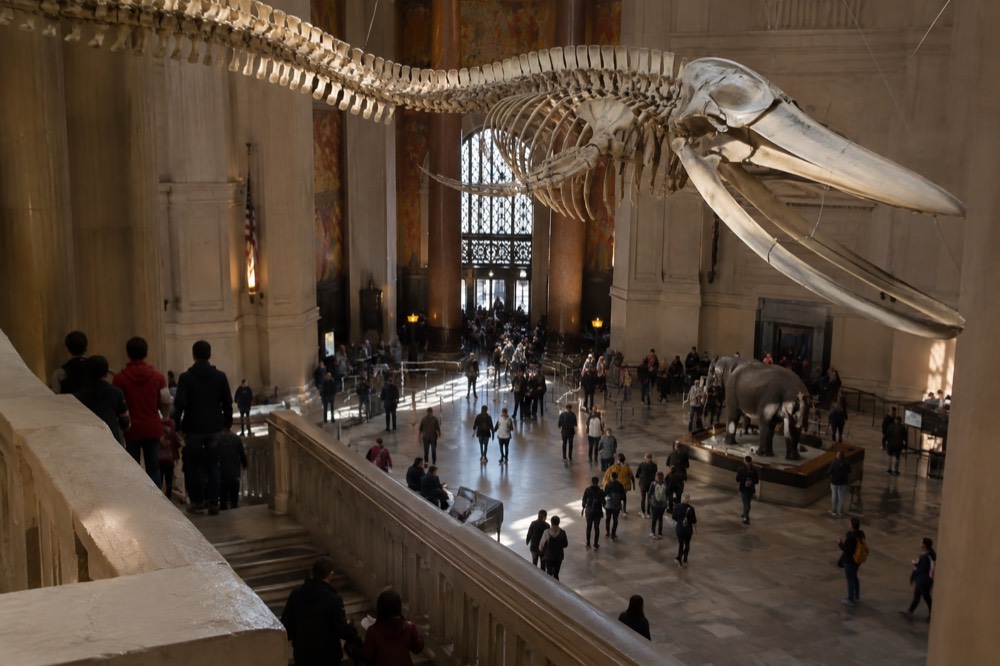
Two anchors define it. The American Museum of Natural History sits opposite the park at 79th Street, and Lincoln Center for the Performing Arts sits at the neighborhood's southern end. Between and around them, the side streets off Central Park West and West End Avenue hold some of the city's most consistent residential architecture, blocks of late-19th-century brownstone and large pre-war apartment buildings that give the area its look. Walking a single block of West 73rd or West 77th between Columbus and Amsterdam tells you more about the neighborhood than any description can.
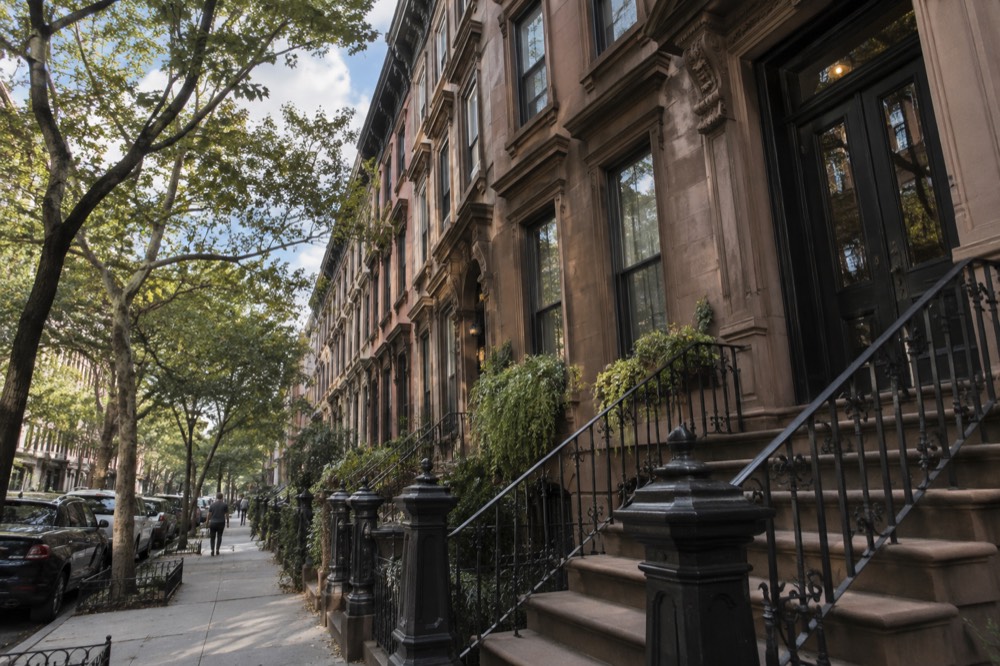
The pace is the reason people choose it. Sidewalks are busy on Broadway but navigable, restaurant tables are easier to book than downtown, and the park is a crosswalk rather than a subway ride away. The honest counterweight: it is a neighborhood of mornings and early evenings. Late-night options thin out fast after the theater crowds at Lincoln Center head home, and the blocks off Broadway go genuinely quiet by New York standards, which residents consider the point and some visitors consider a drawback. It is worth deciding which camp you are in before you book a hotel.
Is the Upper West Side a Good Place to Stay in New York?
For families, museum-goers and anyone who values sleep and green space, the Upper West Side is one of the strongest bases in Manhattan. You trade proximity to downtown nightlife for larger hotel rooms at comparable rates, Central Park access on foot, and two express subway lines that reach Midtown quickly. It suits first-timers who plan around the park and the museums, and repeat visitors who have already done Times Square. Solo travelers chasing bars and shows until 2am will find the East Village or Midtown Manhattan a better fit.
The transit case is better than many visitors assume. The local 1 train and the express 2 and 3 run the length of the neighborhood, and the A, B, C and D lines sit along Central Park West. Times Square is a short express hop from 72nd Street. Lower Manhattan takes closer to half an hour, and a day in Brooklyn should be planned as a deliberate trip rather than an impulse.
One planning note worth the attention of anyone stretching a budget: because the neighborhood's attractions are so concentrated, an Upper West Side base pairs naturally with a multi-attraction pass if your itinerary also includes the observation decks and the Statue of Liberty ferry. Our is the New York CityPASS worth it breakdown covers when that maths works and when it does not. The short version: passes reward packed itineraries and punish loose ones, so run the numbers against your actual wishlist rather than the marketing claim.
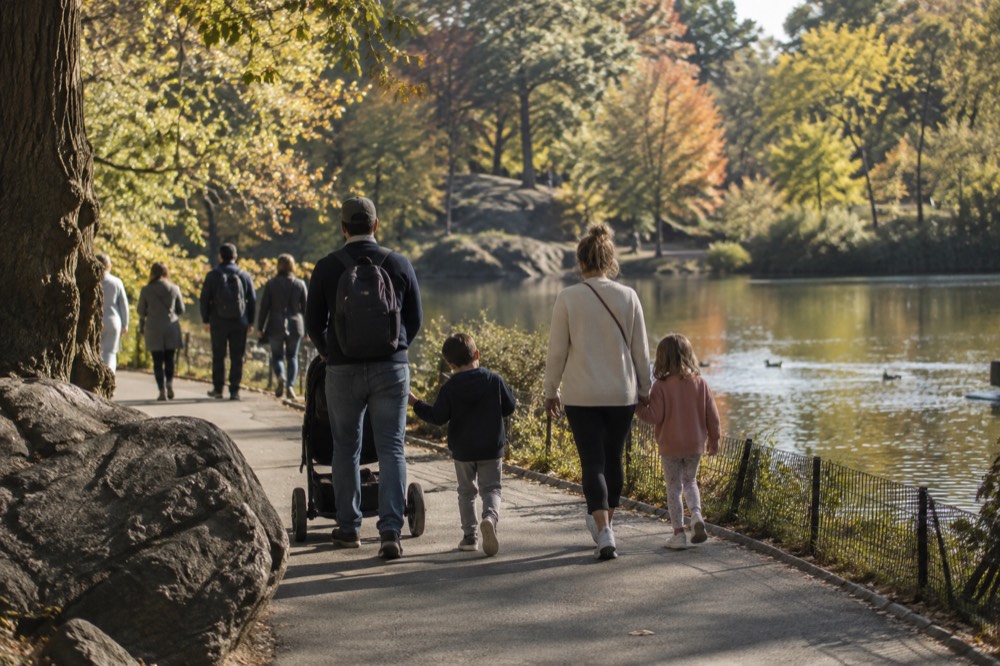
Families in particular should weigh the neighborhood seriously. The combination of a playground-rich park, a dinosaur museum, stroller-width sidewalks and a supermarket on every second corner removes most of the friction that makes Manhattan hard work with small children. School-age kids get the planetarium; toddlers get the park; parents get restaurants where a 6pm dinner is normal rather than an inconvenience. Very few parts of the city offer that whole package within a ten-minute walk.
What Are the Best Things to Do on the Upper West Side?
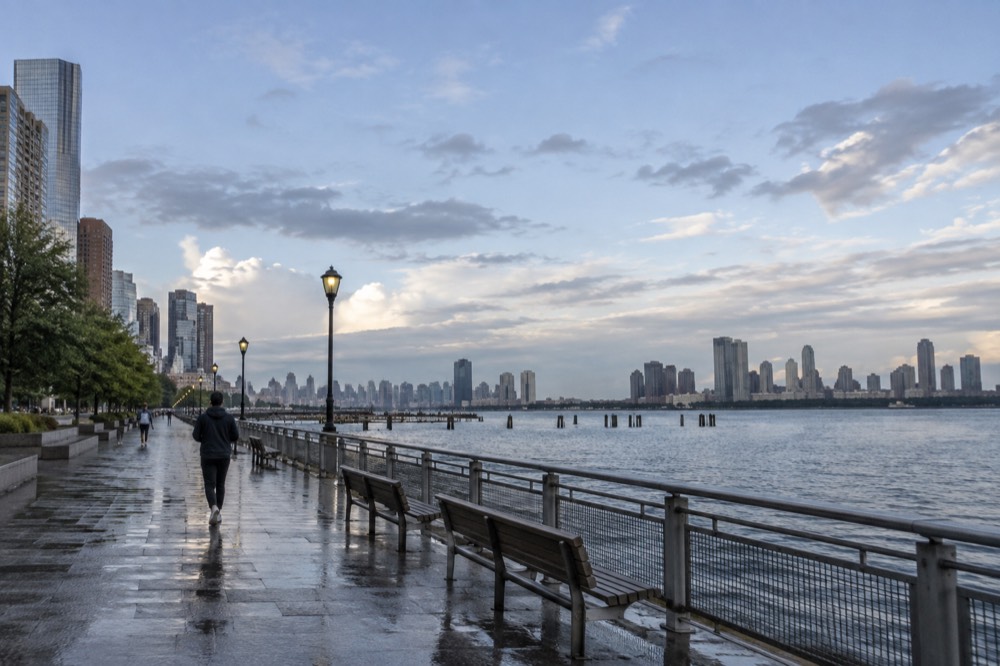
The headline attractions are the American Museum of Natural History and the western half of Central Park, and both can fill half a day each on their own. Around them sit Strawberry Fields and the park's west-side entrances, Riverside Park's Hudson River promenade, and Lincoln Center's plaza, all free to walk.
A realistic full day is a morning in the museum, an afternoon in the park, and an early evening performance or a long dinner, all without setting foot on a subway.
The American Museum of Natural History is the neighborhood's biggest draw. Its admission policy is worth knowing before you go: general admission is pay-what-you-wish for New York State residents with ID, and everyone else pays a fixed price. If you plan to add the planetarium show or a giant-screen film, the bundled ticket sold through the listing works out cheaper than buying the extras at the door. Give the dinosaur halls and the great blue whale the time they deserve; visitors who budget ninety minutes for this museum routinely regret it.
The park side matters as much as the museum side. The Upper West Side's entrances put you closest to Strawberry Fields, the Lake, Bethesda Terrace and the Ramble, which is the wooded middle section where first-time visitors most often get turned around. The park's paths loop and cross in ways that defeat even confident map readers, and a guide both fixes the navigation and supplies the stories behind the design.
If museums and the park are the day's twin anchors, the timing question is worth settling in advance. The natural history museum is busiest in the middle of the day and quietest near opening, so an early start there, lunch on Amsterdam Avenue, and the park in the afternoon when the light is better is the sequence most visitors land on by day two. In summer, flip it: park in the cooler morning, museum in the heat of the afternoon.
Upper West Side Attractions at a Glance
| Attraction | What it is | Nearest subway | Cost basis |
|---|---|---|---|
| American Museum of Natural History | Dinosaur halls, planetarium, giant-screen films | 81 St-Museum of Natural History (B C) | Fixed price; pay-what-you-wish general admission for NY State residents with ID |
| Central Park (west side) | Strawberry Fields, the Lake, Bethesda Terrace, the Ramble | 72 St (1 2 3) or 81 St (B C) | Free to walk |
| Riverside Park | Hudson River parkland and promenade | 72 St (1 2 3) | Free |
| Lincoln Center plaza | Performing arts campus, fountain plaza, open to walk | Lincoln Center (1) | Free to wander; performances ticketed |
| The Met, via crosstown bus or park walk | Metropolitan Museum of Art on the East Side | 86 St crosstown or walk through the park | $30 adults, $22 seniors, $17 students; children 12 and under free |
A note on that last row: the Met sits on the East Side at Museum Mile, but from the Upper West Side it is a pleasant crosstown trip, and one Met ticket covers both the Fifth Avenue building and The Met Cloisters on the same day, which makes it a natural pairing with an Upper Manhattan afternoon. Check the museum's gallery closures page before planning a visit around a specific wing, because a long list of galleries is currently affected by renovation. The Met is also the most-misquoted ticket in New York travel writing: it is a fixed $30 for visitors, and pay-what-you-wish only for New York State residents and NY, NJ and CT students, who must still pay something.
Where Should You Eat on the Upper West Side?
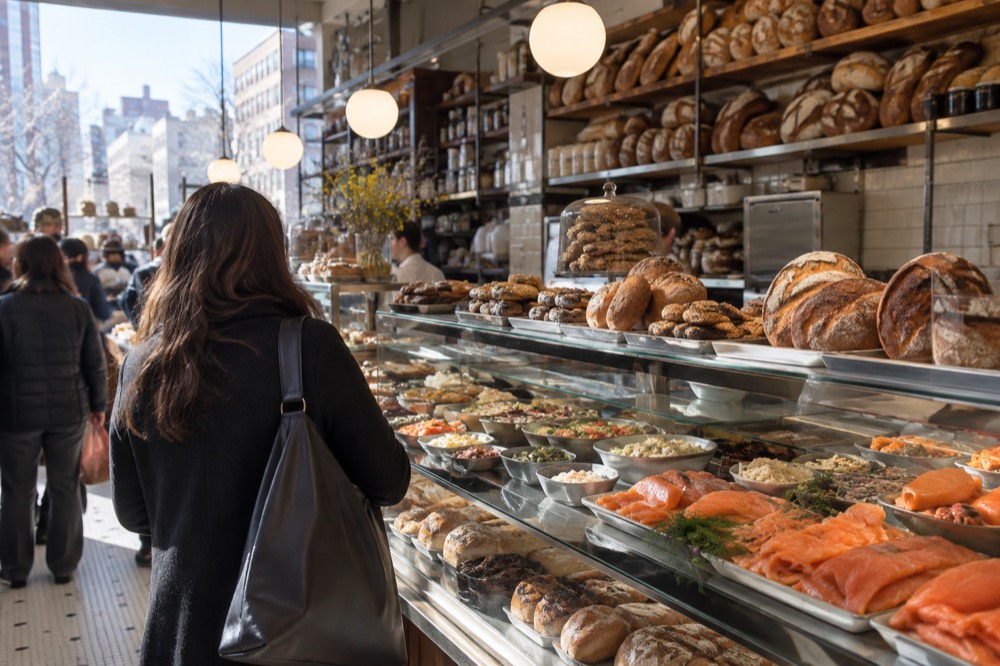
The Upper West Side's food identity is casual and old-school rather than destination dining: bagels and appetizing counters, family Italian restaurants, diners that never close, and a dense run of options along Broadway and Amsterdam Avenue. The strongest eating streets are Broadway between 72nd and 86th, and Amsterdam Avenue in the same band, where restaurant density per block beats most of Manhattan.
Fine dining clusters near Lincoln Center for pre-theater, but the neighborhood's real strength is the reliable, unfussy meal.
Appetizing is the tradition to know about. The Upper West Side is one of the historic centers of the city's appetizing counters, the smoked-fish-and-bagel shops that grew up alongside the Jewish delis of the early 20th century, and a lox-and-bagel breakfast here is as close to a neighborhood institution as eating gets. Diners occupy the other pole: wide, patient, open long hours, and exactly what a family needs at 8pm after a museum day. The rest of the planning pages sit on New York City Travel Guide.
If your trip has a food-tour-shaped gap, the honest note is that the celebrated guided food walks of Manhattan sit downtown, in Chinatown, Little Italy and Greenwich Village, not on the Upper West Side. A visitor who wants dumplings and cannoli with a guide attached plans that as a separate half-day, and it is a good one: the neighborhoods sit close together and the walk between stops is short.
Eating on the Upper West Side vs the Food-tour Neighborhoods
| Upper West Side | Chinatown / Little Italy | Greenwich Village | |
|---|---|---|---|
| Strength | Bagels, appetizing, diners, family Italian | Dumplings, cannoli, old immigrant food streets | Pizza slices, old bakeries, bohemian legacy |
| Best format | Wander and pick | Guided tasting walk pays off | Guided tasting walk pays off |
| Time needed | Built into your day | About 3 hours | About 3 hours |
| Kid-friendly | Very | Yes, with stops close together | Yes, easy pace |
How Do You Get to and Around the Upper West Side?
From JFK, the subway-and-AirTrain combination costs $11.75 per person and reaches the neighborhood via the E, J or Z to Jamaica and then a transfer to the A, which serves the west side of Central Park. From LaGuardia, the free Q70 bus plus one subway fare is $3.00 total, the cheapest airport run in the city. From Newark, the NJ Transit train plus AirTrain is $16.80 from Penn Station New York.
Once there, the 1, 2 and 3 trains run the spine and the A, B, C and D run the park edge.
The fare system changed more than most guides admit. The MetroCard is retired: as of 1 January 2026 the MTA no longer sells or refills them, and the old 7-day unlimited pass no longer exists. The replacement is automatic: tap the same credit card, debit card or phone at every turnstile and once you have spent $35 in a seven-day rolling window, every further subway and local bus ride that week is free. No pass to buy, no decision to make. The one rule that matters is consistency, because tapping your phone on Monday and the plastic card in your pocket on Tuesday silently breaks the cap.
Airport-to-Upper West Side Costs at a Glance
| Airport | Cheapest rail route | Cost per adult | Notes |
|---|---|---|---|
| JFK | Subway plus AirTrain via the A | $11.75 | AirTrain adds $8.75 on top of the $3.00 fare |
| LaGuardia | Free Q70 bus plus subway | $3.00 | Cheapest airport transfer in New York |
| Newark | NJ Transit plus AirTrain from Penn Station | $16.80 | Weekday shuttle buses replace the terminal AirTrain 05:00-15:00, so allow extra time mornings |
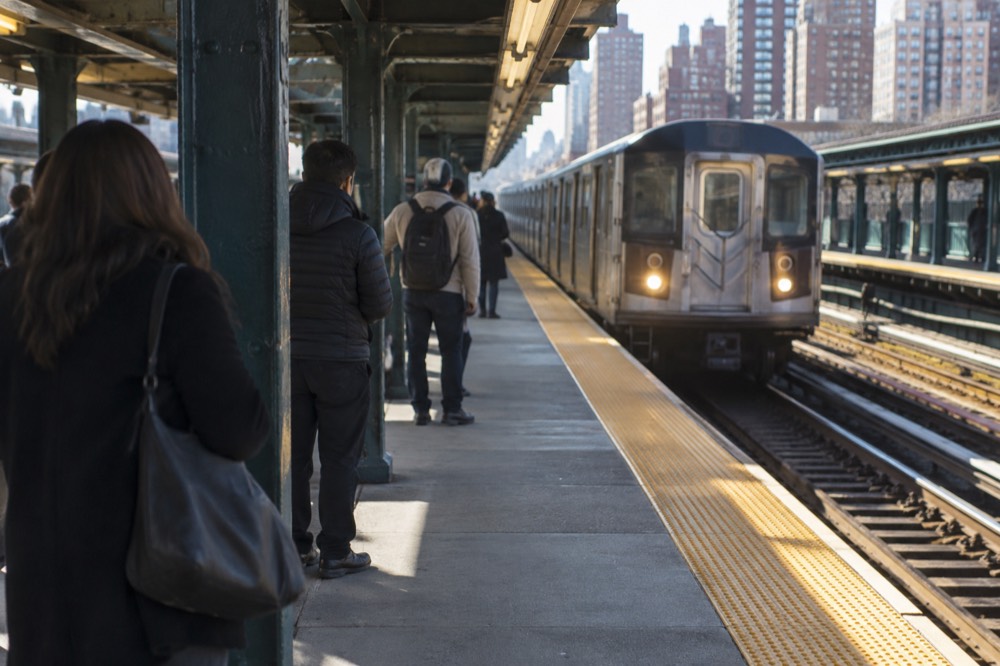
A word on the neighborhood's own stations. The local stops along Broadway, at 72nd, 79th, 86th and 96th Streets, put a subway entrance within a few blocks of almost anywhere you would sleep, and the 81st Street station empties directly into the natural history museum's corner of the park. Because the neighborhood is flat and gridded, walking is genuinely competitive with the train for anything under a dozen blocks, and Riverside Park's riverfront path is the best walking commute in Manhattan on a good evening.
Who Is the Upper West Side for, and Who Should Skip It?
Choose the Upper West Side if your trip is built around Central Park, the Natural History museum, Lincoln Center and long walks, or if you are traveling with children who need a playground more than a cocktail bar. Skip it if your nights matter more than your mornings, if you plan to spend most evenings in the East Village or Williamsburg, or if walking to Broadway theaters is the priority.
Families, museum-first travelers and repeat visitors are its natural constituency. For a first visit built around the classic checklist, our things to do in NYC guide covers the full circuit, and our NYC for first-timers page helps you decide the base question before you book anything.
The honest comparison is with the other residential candidates. The Upper East Side mirrors it across the park with Museum Mile instead of the natural history museum, a slightly quieter street life and comparable transit. Brooklyn gives you more space for the money in neighborhoods like Williamsburg, at the cost of a river between you and the park. Midtown wins on convenience and loses on character and sleep, and the trade between the two is the single most common base decision visitors face.
How the Upper West Side Compares as a Base
| Base | Best for | Weakest for | Commute to Times Square |
|---|---|---|---|
| Upper West Side | Families, park-first trips, museum days | Late-night dining, downtown nightlife | Short express ride from 72nd Street |
| Midtown | Theater, first-timers, minimum transit | Character, quiet, value | On foot |
| Upper East Side | Museum Mile, quieter streets | Dining density, west-side sights | Crosstown or a transfer |
| Williamsburg, Brooklyn | Food and nightlife, space for money | Central Park, morning spontaneity | L train plus a transfer |
One last framing thought before the practical questions. The Upper West Side rewards a slow trip. Visitors who book it and then sprint to Midtown every morning waste its main advantage, which is that the two things people cross the city for, a great park and a great museum, are already here. Plan at least one day that never leaves the neighborhood, walk from the park to the river on any side street, and the base pays for itself.
Common Questions About the Upper West Side
The questions visitors ask most about the Upper West Side come down to five things: whether it is safe, whether it is boring, whether it is expensive, how far it is from the main sights, and whether it beats Midtown or the Upper East Side as a base.
The short answers: it is a quiet residential neighborhood, it trades nightlife for park and museum access, it sits in Manhattan's mid-price band, Midtown is a short express ride away, and it wins for families while losing for nightlife-first trips. The details are below.
Is the Upper West Side safe for tourists?
Yes, in the ordinary sense that a busy residential Manhattan neighborhood with heavy foot traffic and multiple subway lines is safe to walk day and night. Like anywhere in New York, keep phones and bags attended, but the Upper West Side does not require special caution. Our broader is NYC safe guide covers the citywide picture with sourced figures.
How far is the Upper West Side from Times Square?
A short ride on the 2 or 3 express train from 72nd Street to Times Sq-42 St, or a few minutes more on the local 1. That express link is one of the neighborhood's strongest arguments as a base.
Is the Upper West Side boring at night?
It is quiet rather than boring. Lincoln Center runs evening performances, Broadway and Amsterdam avenues keep restaurants and bars open into the evening, and the diner culture runs late. What it lacks is the dense late-night bar scene of the East Village or Williamsburg, so nightlife-first travelers should base elsewhere.
Is the Upper West Side expensive?
By national standards, yes, it is Manhattan. By Manhattan standards it sits in the middle band: generally below Midtown's hotel pricing for comparable space, with a deep supply of casual, moderately priced food along Broadway. We never quote hotel nightly rates, because they move constantly; compare live prices for your dates.
Upper West Side or Upper East Side: which is better?
Park-and-dinosaur families should pick the Upper West Side, which puts Central Park's best entrances and the American Museum of Natural History at the door. Art-first travelers may prefer the Upper East Side, which fronts Museum Mile including the Metropolitan Museum of Art. The two are a short crosstown ride apart, so you can visit both from either.
What subway lines serve the Upper West Side?
The 1, 2 and 3 run up the middle of the neighborhood along Broadway, with the 2 and 3 as express. The A, B, C and D serve Central Park West stations including 81 St-Museum of Natural History. Every ride is $3.00, and the $35 weekly OMNY cap applies automatically when you tap the same card or device.