Madison Square Garden Tour: What an Arena Visit Actually Includes
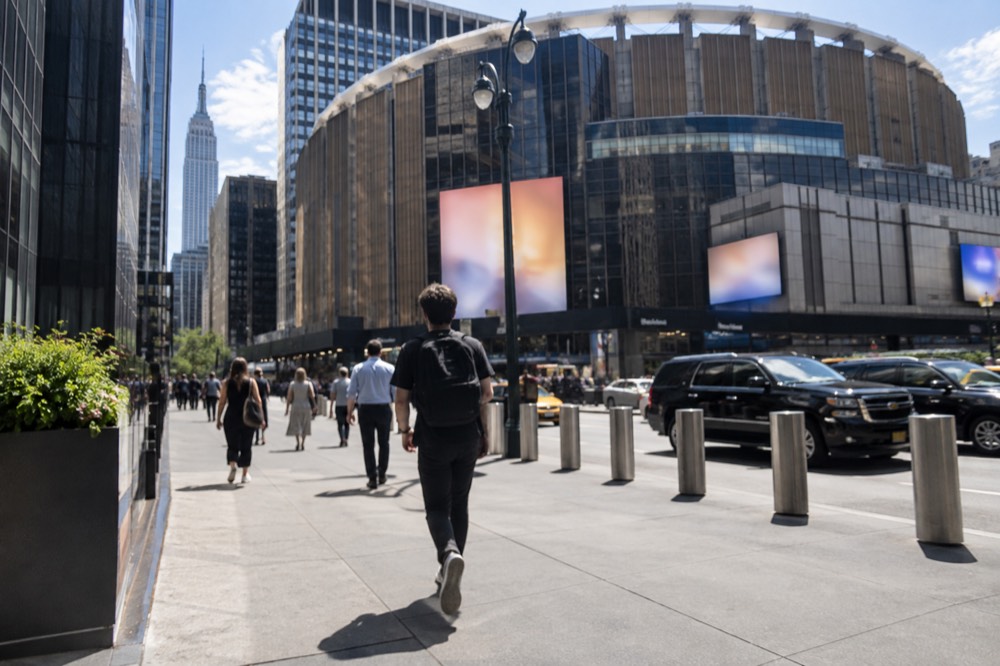
Madison Square Garden sits on top of Penn Station in Midtown Manhattan, which makes it one of the few world-famous arenas you can visit between two subway rides. Here is what a tour of the building involves, how to get there, and how to judge whether it belongs on your list.
Short answer
A Madison Square Garden tour is a guided walk through the arena above Penn Station, typically running about an hour and covering the seating bowl, luxury areas and memorabilia of the venue that hosts the Knicks and Rangers. Pricing is set by the operator and changes with demand, so check the live listing. The arena is directly on top of one of the city's biggest transit hubs, which makes it one of the easiest big attractions in New York to reach.
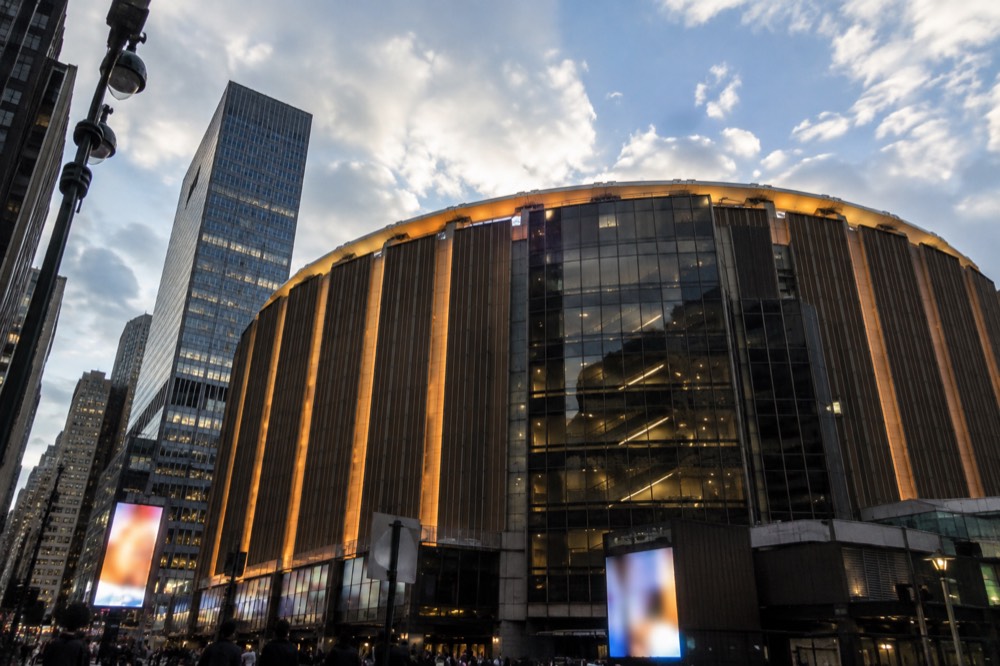
Madison Square Garden calls itself the World's Most Famous Arena, and unlike most boastful nicknames this one has a fair claim. The building hosts the New York Knicks and the New York Rangers, sits directly above Penn Station, and sits within walking distance of the Empire State Building, Koreatown and the High Line's northern end. Very few arenas anywhere are this woven into a city's daily commuter traffic: every day, hundreds of thousands of people pass underneath it without ever stepping inside.
That accessibility is the honest pitch for a Madison Square Garden tour. You are not trekking to a stadium in the suburbs. You are visiting a working arena in the middle of Manhattan, between a subway ride and lunch. This guide covers what the tour involves, how to reach the building, what a visit costs to combine with the attractions around it, and how to decide whether it earns a place in a crowded itinerary. For the wider picture of the city's attractions, start with our things to do in NYC overview.
What Is the Madison Square Garden Tour?
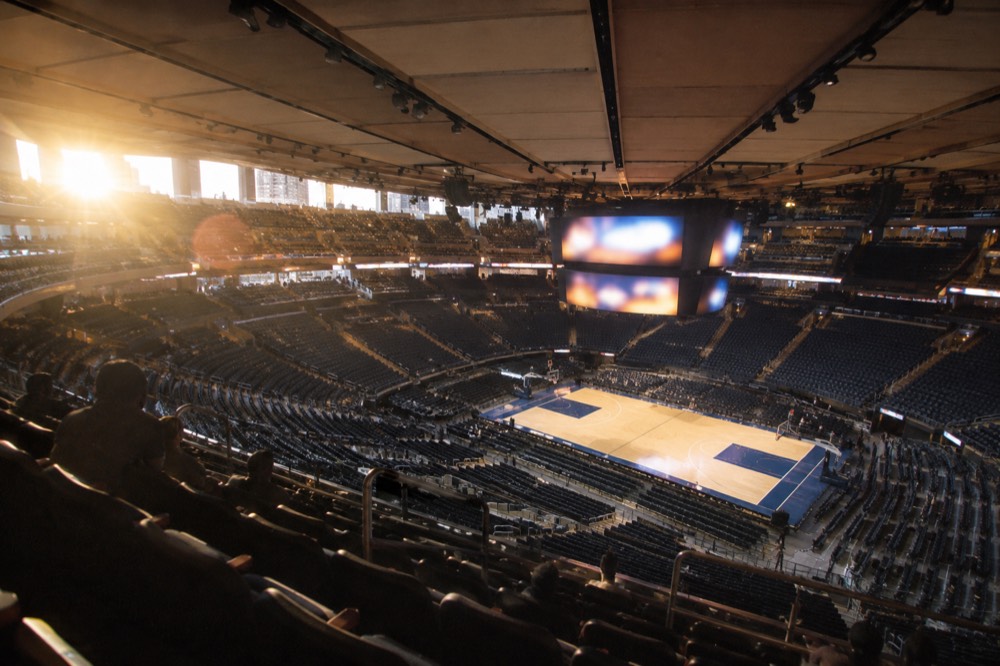
The Madison Square Garden Tour is a guided walk through the arena's interior, taking in the main seating bowl, premium seating areas and memorabilia from the building's history in sports and concerts. A guide leads it rather than leaving you to wander, because much of the building is operational event space. Tours are suspended or reshuffled on event days, so the calendar, not the clock, is the thing to check before you commit to a date.
The appeal is partly architectural and partly historical. The current Garden is the fourth building to carry the name, and the tour's exhibits and storytelling lean on that lineage: the boxers, the concerts, the basketball and hockey franchises that have made the venue a default stop for visiting fans. For a Knicks or Rangers follower, the emotional return on an hour inside the building is obvious. For a neutral visitor, the tour works best as a piece of New York storytelling rather than a spectacle, closer in spirit to a backstage visit than to an observation deck.
Who it suits: sports fans first, concert-goers second, and architecture-curious travelers third. Who it does not suit: visitors looking for a view, since the arena is enclosed, or families with very young children who will not manage an hour of standing and walking. If your main interest is the skyline rather than the stage, the money and time are better spent a few blocks east, a trade-off we come back to below.
How Do You Book a Madison Square Garden Tour and What Does It Cost?
Tour tickets are sold as timed entries with pricing set dynamically by the operator, which means the number moves with demand and there is no honest fixed figure to quote. Booking in advance is the practical rule: slots are limited because the building is a working arena, and the calendar bends around Knicks and Rangers home games and concert load-ins. Check the live listing for your date before planning the rest of your day around it.
The honest framing on cost is this: an arena tour is a mid-priced, mid-length attraction in a city where the headline observation decks run from $44 to $79 for a timed adult ticket, and the classic museum tickets run $30 at MoMA, the Guggenheim and the Whitney. The Garden tour sits in the same general band, and unlike the decks it does not price by time of day. What it does share with the decks is the timed-entry model, so the practical advice is identical: pick your slot early, arrive ahead of it, and treat the booking as fixed once made.
A few practical notes worth knowing before you book:
| Consideration | What to expect |
|---|---|
| Booking model | Timed entry, advance purchase, limited slots |
| Schedule risk | Tours reshuffle or pause on event days, so verify your date |
| Duration | Roughly an hour of guided walking, arena dependent |
| Physical demands | Standing and walking, stairs and escalators, not a seated visit |
| Best fit | Sports fans, concert fans, New York history buffs |
Event days are the single biggest variable. When the Knicks or Rangers are home, or when a concert is being loaded in, the arena's priorities shift to the show and tour access narrows. Checking the team and event calendar for your dates before you book the tour is the single most useful ten minutes of planning you can spend on this visit.

How Do You Get to Madison Square Garden?
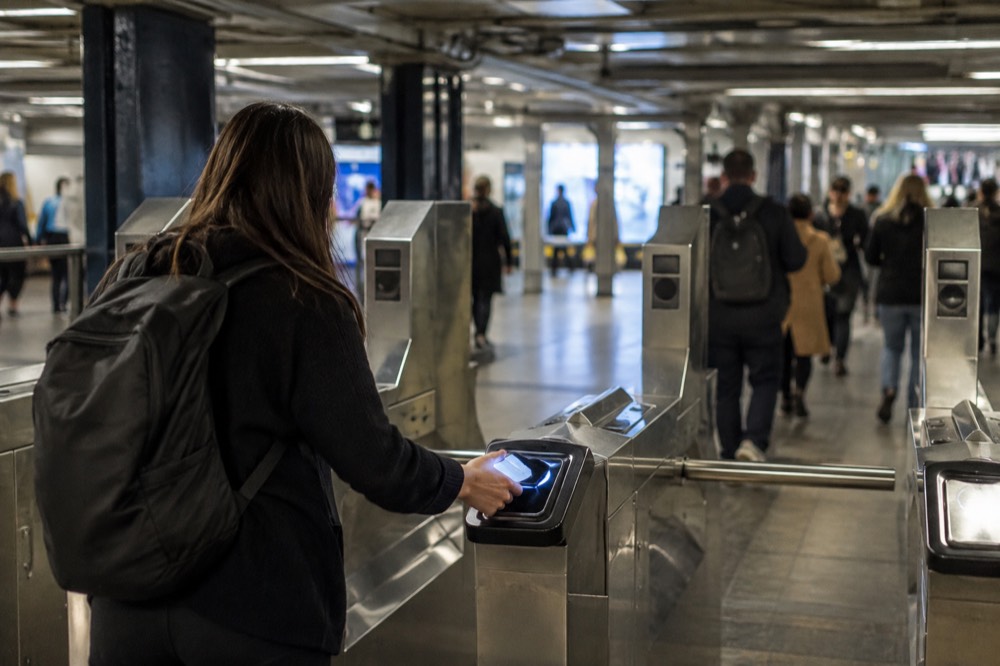
Madison Square Garden sits directly on top of Penn Station, one of the busiest rail hubs in North America, so almost every subway line in the city can deliver you within a short walk. The fare is $3.00 per ride, paid by tapping a card or phone at the turnstile, and the system caps you automatically at $35 in a rolling seven-day window. There is no pass to buy in advance any more, and no discount for trying.
The transit story around the Garden changed fundamentally on 1 January 2026. That was the day the MTA stopped selling and refilling MetroCards entirely, retiring the 7-day unlimited pass that a decade of New York guides told visitors to buy on arrival. The replacement is not a product but a rule: tap the same card or device every ride, and once your taps total $35 in a seven-day period, the rest of that period is free. The cap starts with your first tap, not on a Monday, and mixing your phone with the plastic card in your pocket breaks the cap silently, which is the detail that catches the most visitors out.
For the full mechanics of the fare system, see our guide to getting around New York, and for the tap-and-cap rules in detail, the MTA's own page at mta.info/fares/omny is the source of record.
If you are arriving from the airports, the cost spread to reach the Garden's front door is wide, and worth knowing before you land:
| Airport | Best transit option | Cost per person |
|---|---|---|
| LaGuardia | Free Q70 LaGuardia Link bus to the subway, then the E, F, M, R or 7 to Midtown | $3.00 |
| JFK | E, J or Z train to Jamaica, or A to Howard Beach, plus AirTrain | $11.75 |
| Newark | NJ Transit train from the airport to Penn Station New York | $16.80 |
The LaGuardia run is the cheapest airport transfer in the city, because the Q70 bus is free and you pay only the single subway fare. Newark's is the most expensive of the three, and note that AirTrain service between the EWR terminals and the rail station is currently replaced by shuttle buses on weekdays between 5am and 3pm, so allow extra time on a morning arrival. Once you are at Penn Station, you are, quite literally, under the arena.
Is the Madison Square Garden Tour Worth It?
For a sports fan, yes, plainly: an hour inside the World's Most Famous Arena is a reasonable spend against anything else in the city, and no other New York stop delivers the same thing. For a general visitor with three days or fewer, the tour is a niche pick, because the observation decks, the major museums and the harbor deliver more spectacle per hour. The deciding question is simple: does the building mean something to you before you arrive?
Work it through as a trade-off. If you have five days or more, an arena tour slots easily into a Midtown morning, paired with the Empire State Building or the shops along 34th Street. If you have two days, every hour competes with the Met, the Statue of Liberty ferry, and at least one borough beyond Manhattan, and the Garden drops down the list. The building's strongest practical asset is location: it shares a block with almost nothing else you came to see, but it sits between Midtown's two great sightseeing corridors, so it rarely costs you a detour.
There is also a category confusion worth naming. A tour is not a game. If what you actually want is the atmosphere of the arena, the loudest and often cheapest way to get it is a ticket to an event, and the same logic applies across the river in Brooklyn, where a Nets ticket at Barclays Center is priced on the live listing and can cost less than a Manhattan arena tour. A Rangers or Knicks night at the Garden is its own experience and usually its own budget; a tour is the daytime version for people who want the building explained.
What Else Can You Do Near Madison Square Garden?
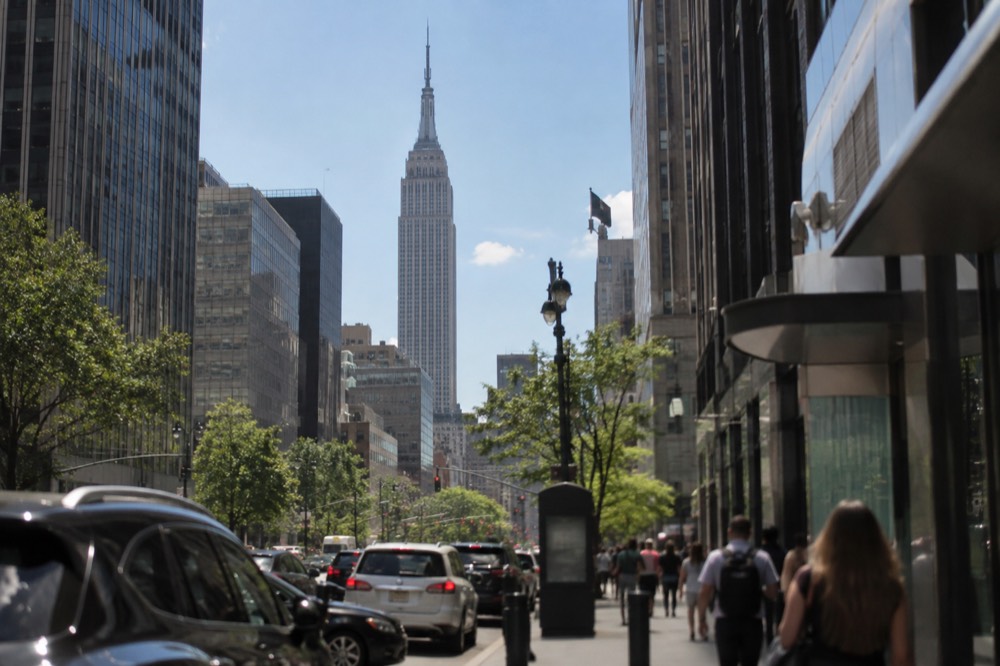
The blocks around the Garden carry an unusual density of headline attractions: the Empire State Building is a ten-minute walk east, SUMMIT One Vanderbilt and Grand Central Terminal sit a few stops or a short walk beyond that, and the High Line's northern entrance is a stroll down 34th Street toward the river.
This is the rare part of New York where you can stack an indoor arena tour, an observation deck and an elevated park into one day without a single long transit ride.
The Empire State Building is the obvious companion, and its 86th-floor deck with the second-floor museum experience carries a box-office price of $75.12 as published in the CityPASS comparison table, with online timed tickets starting lower. SUMMIT One Vanderbilt, next to Grand Central, is the modern alternative, with timed tickets from $47.91 for visitors 13 and up, mirror rooms and glass ledges rather than open-air parapets. If you want the deck that puts the Empire State Building itself in the photograph, Top of the Rock is the pick, at a box-office price of $71.86. All three use timed entry, so book the deck first and fit the arena tour around it, not the other way round.
Food is the other nearby argument. Koreatown sits one block east of the arena, a dense strip of restaurants stacked several floors high, and it is where Midtown office workers actually eat. If you would rather have the eating guided, the food-tour belt starts a little further downtown: a Chinatown and Little Italy tasting walk with six dishes runs three hours and starts from $99 per person, with a 4.9 rating across 3,358 reviews on the listing.
For a full rundown of the surrounding district's sights, our Midtown Manhattan guide covers the walkable set in detail.
| Attraction near the Garden | Type | Adult price anchor |
|---|---|---|
| Empire State Building (deck plus museum) | Observation deck | $75.12 box office |
| SUMMIT One Vanderbilt | Observation deck | from $47.91 |
| Top of the Rock | Observation deck | $71.86 box office |
| Edge at Hudson Yards | Observation deck | $62.06 box office |
| Museum of Modern Art | Museum | $30 |
| Intrepid Museum | Museum | $38 |
Those price anchors are box-office figures and starting prices, not guarantees: every deck in that table uses dynamic timed pricing, and the number you pay depends on the date and slot you pick. Use the table to rank the options, then confirm the live figure for your own date before you build the day around it.
MSG or Barclays Center: Which Arena Should You Visit?
Madison Square Garden is the historic Manhattan original, while Barclays Center in Brooklyn is the newer building with the easier ticket, and the choice between them is really a choice between a tour and a game. A Nets ticket at Barclays is frequently cheaper than a daytime arena tour in Manhattan, and a live game beats a quiet arena for atmosphere. If watching sport matters most, Brooklyn wins on price; if the legend is the point, the Garden wins.
Barclays sits above the Atlantic Avenue subway hub in Prospect Heights, reachable by several lines, and a Nets game doubles as a Brooklyn night out, with the restaurants and bars of the surrounding neighborhood before and after. The arena comparison is also a borough comparison: a Barclays evening pushes you out of the Manhattan tourist bubble in a way the Garden, sitting above Penn Station, never can. Our things to do in Brooklyn guide covers what to build around it.
The Garden's counter-argument is resume. This is the building that has hosted the championship runs, the title fights and the concert residencies that fill the memorabilia cases, and a tour is the only way to see any of it in daylight. Plenty of visitors split the difference: tour the Garden in the afternoon, then catch a game at Barclays, or vice versa. If you do both in one trip, you have seen the two newest chapters of New York arena history in a single week.
If a live event appeals, check Nets ticket availability at Barclays Center.

Should You Bundle the Garden Visit with a City Pass?
No city pass currently includes a Madison Square Garden tour, so the pass decision is really about everything around the arena rather than the arena itself. The New York CityPASS costs $149 for adults and covers your choice of five attractions from an eleven-attraction menu over nine consecutive days, including the Empire State Building, Top of the Rock, the Statue of Liberty ferry and the 9/11 Memorial and Museum.
If your Midtown day pairs the Garden tour with two or three of those heavy hitters, the arithmetic can work strongly in your favor.
The passes are worth a careful look because the neighborhood around the Garden is pass country. CityPASS's own published math claims a regular price of $307.04 for the five most popular picks, a saving of $158.04, though the real saving depends entirely on which five you choose and whether you use them all. The Go City products work differently: the All-Inclusive version starts from $169 with consecutive-day validity, while the Explorer starts from $89 and gives you 30 days from your first attraction to spend your choices. Loose plans suit the Explorer; locked itineraries suit neither.
One warning that most competitor guides still get wrong: The Sightseeing Pass ceased trading in 2025 and no longer sells New York passes, and any page still recommending it is advertising a dead product. Treat "New York Pass" as a synonym for Go City's All-Inclusive option, since the two share a parent and inventory. The full comparison lives in our New York CityPASS guide.
| Pass | Adult price | What it covers | Validity |
|---|---|---|---|
| New York CityPASS | $149 | Choice of 5 attractions from 11 | 9 consecutive days |
| Go City Explorer | from $89 | Choose-your-count attractions | 30 days from first use |
| Go City All-Inclusive | from $169 | Unlimited attractions | Consecutive calendar days |
| The Sightseeing Pass | Not sold | Ceased trading in 2025 | n/a |
When Is the Best Time to Take a Madison Square Garden Tour?
The best time for a Madison Square Garden tour is a weekday morning outside the busiest stretches of the Knicks and Rangers seasons, when event conflicts are fewest and tour schedules run fullest. Summer is the safest calendar window for availability because basketball and hockey are dark, though concert load-ins still shuffle access. Arrive by late morning and you can finish the tour, eat in Koreatown, and still reach an observation deck before the sunset queue forms.
Seasonality in New York rewards planning more than luck. July is the city's wettest month by the official Central Park climate normals, averaging 4.60 inches of precipitation, ahead of August at 4.56 and June at 4.54, which matters here for one specific reason: an arena tour is one of the best rain-proof attractions in Midtown, entirely indoors and attached to a rail hub. February, counter to most visitors' expectations, is both the snowiest month, averaging 10.1 inches against January's 8.8, and the driest by total precipitation at 3.19 inches, so a winter visit is colder than you expect but statistically no wetter.
Crowd logic around the Garden runs backwards from the obvious assumption. Weekday subway ridership in 2025 averaged just over 4 million and stands at only 73% of pre-pandemic levels, while weekend ridership has recovered to 88%, so the weekday trains around Penn Station are, relative to normal, the emptier ones. If you are choosing between a Tuesday and a Saturday for your arena visit, the Tuesday now wins on both transit comfort and tour availability.
Common Questions About Madison Square Garden Tours
The questions below are the ones visitors ask most often about touring the Garden, answered briefly and honestly: tours run about an hour, tickets are timed and priced dynamically by the operator, event days reshape access, and the building sits on top of Penn Station with a $3.00 subway fare to reach it. No city pass includes the tour itself, so the live listing is your planning tool throughout.
How long does a Madison Square Garden tour take?
The tour runs roughly an hour of guided walking through the arena's public and premium spaces. Because the building is a working venue, the exact route and duration flex with what is happening that day, so build a two-hour window around your slot to be safe.
Can you tour Madison Square Garden on a game day?
Event days narrow or reshape tour access, since a Knicks or Rangers home game or a concert load-in takes priority over visitor access. Check the arena's event calendar for your date before booking, and treat any same-day purchase as unreliable.
How much does a Madison Square Garden tour cost?
Tour pricing is set dynamically by the operator and moves with demand, so there is no honest fixed figure to publish. Check the live listing for your date, and treat any number printed in an older guide as stale.
What subway goes to Madison Square Garden?
The arena sits directly above Penn Station, served by the 1, 2, 3, A, C and E trains among others. The fare is $3.00 with a contactless tap, and the $35 weekly OMNY cap applies automatically once your taps reach that total in a rolling seven-day window.
Is Madison Square Garden worth visiting if you are not a sports fan?
It depends on what you want from the hour. The tour is strong New York storytelling inside a genuinely historic venue, but if spectacle is the priority, the observation decks a short walk away deliver more visual payoff per dollar for a general visitor.

The Verdict on a Madison Square Garden Tour
The honest verdict is that the Madison Square Garden tour earns its hour for fans and loses it for rushed first-timers. The building's location above Penn Station makes it the easiest specialist attraction in Manhattan to reach, but accessibility is not the same as priority. Book it early if the arena's history matters to you, and spend the hour elsewhere if it does not.
The Garden tour is a specialist attraction with a generalist location, and that is the whole tension. Nobody stumbles into it the way they stumble into Times Square, but nobody has to plan a pilgrimage to reach it either, because the building stands on top of the region's biggest rail hub with a $3.00 fare attached. Fans of the Knicks, the Rangers or arena history should book it without hesitation, and should book early, because a working arena only ever has limited daytime to sell.
Everyone else should run the honest arithmetic. A Midtown day that pairs the tour with the Empire State Building and dinner in Koreatown is a good day by any standard. A rushed two-day first visit that sacrifices the Statue of Liberty ferry or the Met for an hour in an empty arena is a planning error, and the fact that the arena sits above Penn Station does not change that. Use the calendar, check the live listing, tap the same card on every subway ride, and let the building earn its hour.
For everything else the city holds, the New York City Travel Guide homepage is the place to start, and the wider tour menu, from harbor cruises to food walks, is collected in our New York tours overview.