SUMMIT One Vanderbilt: Tickets, Prices and What a Visit Is Really Like
SUMMIT One Vanderbilt is the newest and most theatrical of New York's observation decks, a stack of mirrored rooms and glass ledges bolted to the side of Grand Central Terminal. This guide covers the real cost, the timed-entry system, what is actually inside, and whether it beats the older decks.
Short answer
SUMMIT One Vanderbilt sits atop One Vanderbilt next to Grand Central Terminal. Adult tickets start from $44 plus a $3 online processing fee per order, the deck is open daily from 08:00 to 24:00 with last entry at 22:30, and most visits run about 90 minutes. It is the best pick for photos and modern design rather than classic skyline views.
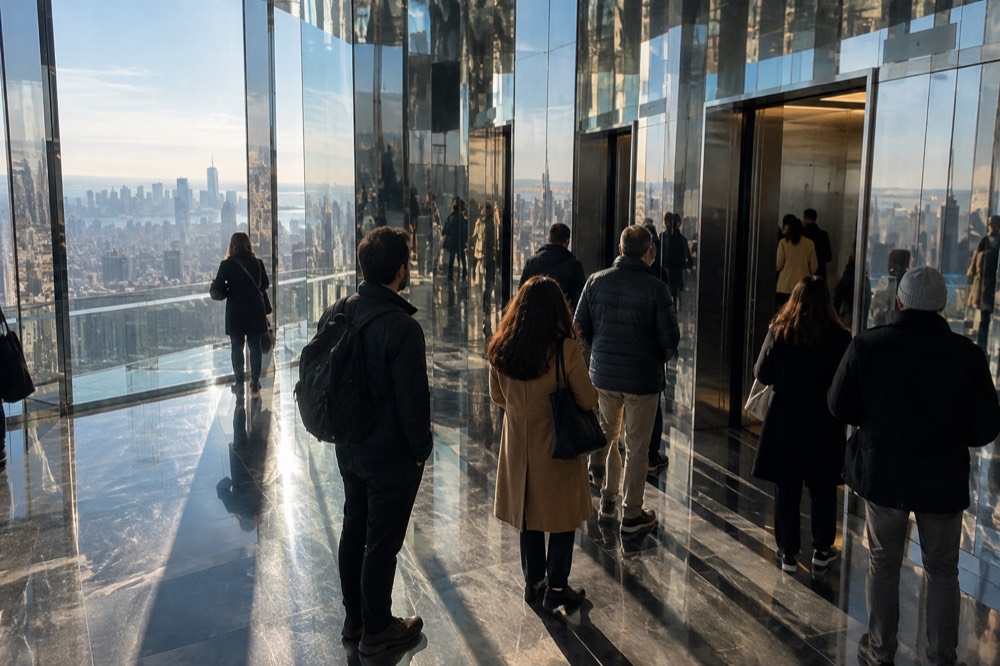
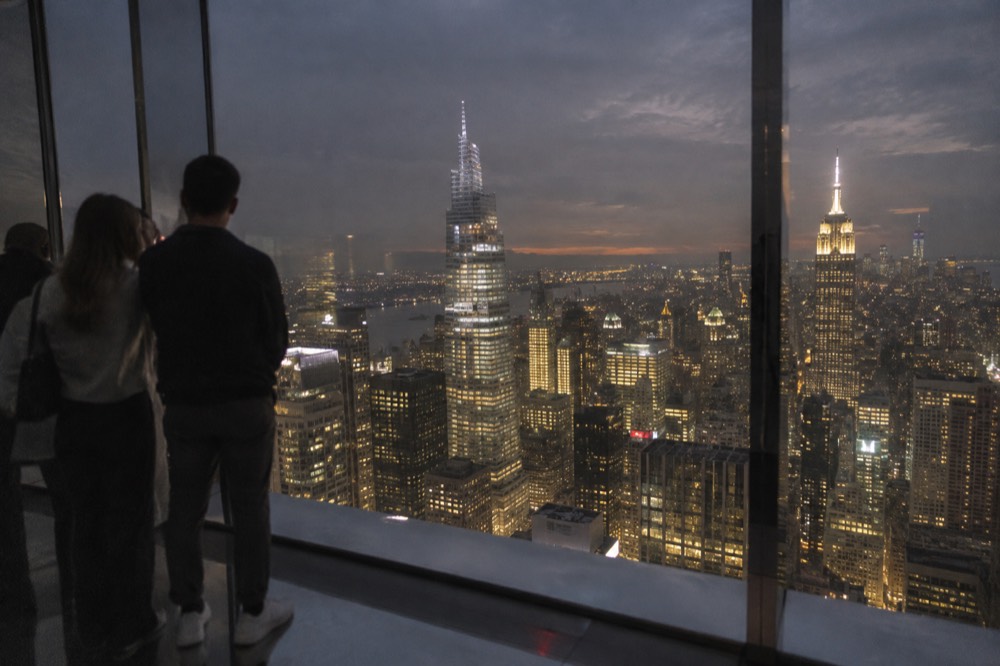
The elevator ride up One Vanderbilt does something the other New York decks do not: it programs the ascent. Light, sound and glass turn a 90-second lift into part of the show, and by the time the doors open you are already inside the experience. SUMMIT One Vanderbilt opened as the newest of the city's five major observation decks, and it competes on theatre rather than height alone.
That framing matters when you are deciding where to spend $40-$50 and ninety minutes. The older decks sell the view. SUMMIT sells the view wrapped in an art installation, with mirrored rooms, levitating glass ledges and a design brief that reads more like a contemporary art museum than a tourist attraction. Some visitors love that. Others find the mirrors get between them and the skyline.
This guide walks through the practical questions: what tickets cost, what is actually inside, how long a visit takes, when to go, and how the deck compares with the Empire State Building, Top of the Rock, Edge and One World Observatory. The short version: SUMMIT is the strongest pick for photographs and for anyone who wants an experience rather than a lookout, and it pairs naturally with a Grand Central visit since the two buildings share a corner.
Where Is SUMMIT One Vanderbilt and How Do You Get There?
SUMMIT One Vanderbilt sits on top of One Vanderbilt, the tower directly west of Grand Central Terminal at 42nd Street and Vanderbilt Avenue in Midtown Manhattan. The entrance is on the Concourse level of Grand Central: the 4, 5, 6, 7 and S trains all stop at Grand Central-42 St, and Times Sq-42 St is a short walk west along 42nd Street. Arrive 15 minutes before your timed slot, because the entry queue forms inside the terminal.
The location is SUMMIT's quiet advantage. Every other major deck in the city requires some planning to reach: the Empire State Building sits on 34th Street, Top of the Rock is embedded in Rockefeller Center, Edge is far west at Hudson Yards, and One World Observatory is all the way downtown. SUMMIT is attached to the single best-connected transit hub in Manhattan.
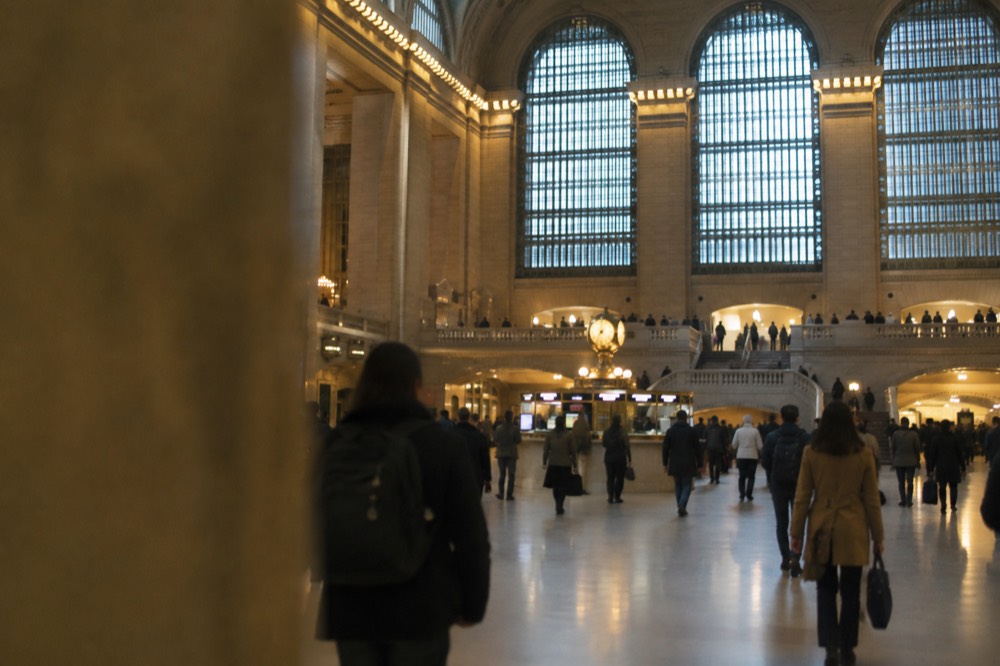
It also stacks well with other sightseeing. Grand Central itself deserves an hour, from the celestial ceiling to the whispering gallery, and our Grand Central Terminal guide covers what to look for. The Chrysler Building is blocks away, and Bryant Park and the New York Public Library sit at the other end of 42nd Street. If you are building a Midtown day, SUMMIT slots into it with almost no transit time lost.
One practical note on arrival: the entrance is inside Grand Central, not on the street. Follow signs for One Vanderbilt or SUMMIT from the main concourse. Visitors with timed tickets join a line for the elevators, and bags go through screening, so treat the posted entry time as the moment you join the queue rather than the moment you step into the mirrors.
How Much Do SUMMIT One Vanderbilt Tickets Cost?
Adult tickets (13 and up) start from $44, youth tickets for ages 6-12 from $38, and every online order adds a $3 processing fee. Pricing is dynamic and tied to your time slot: sunset windows cost more than mid-morning ones, and the cheapest tickets are usually early weekday slots. The Ascent experience, which adds the glass elevator ride up the building's face, starts from $68. Children under 6 are not admitted, except infants in a carrier.
Dynamic pricing is the thing to internalize here. There is no single flat SUMMIT price the way a museum charges; the same ticket costs different amounts depending on the day and the hour, the same way an airline seat does. Booking a 9am Tuesday slot can cost meaningfully less than the same seat at 6pm on a Saturday.
| Ticket type | Starting price | What it covers | Notes |
|---|---|---|---|
| General admission (13+) | from $44 | All SUMMIT floors, mirrors, ledges, Air | Plus $3 processing fee per online order |
| Youth (6-12) | from $38 | Same as general admission | Under 6 not admitted except carried infants |
| SUMMIT + Ascent | from $68 | General admission plus the glass elevator ascent up the exterior | Weather dependent, dress for it |
| Flex or premium windows | Higher | Same content, prime time slots | Sunset slots price highest |
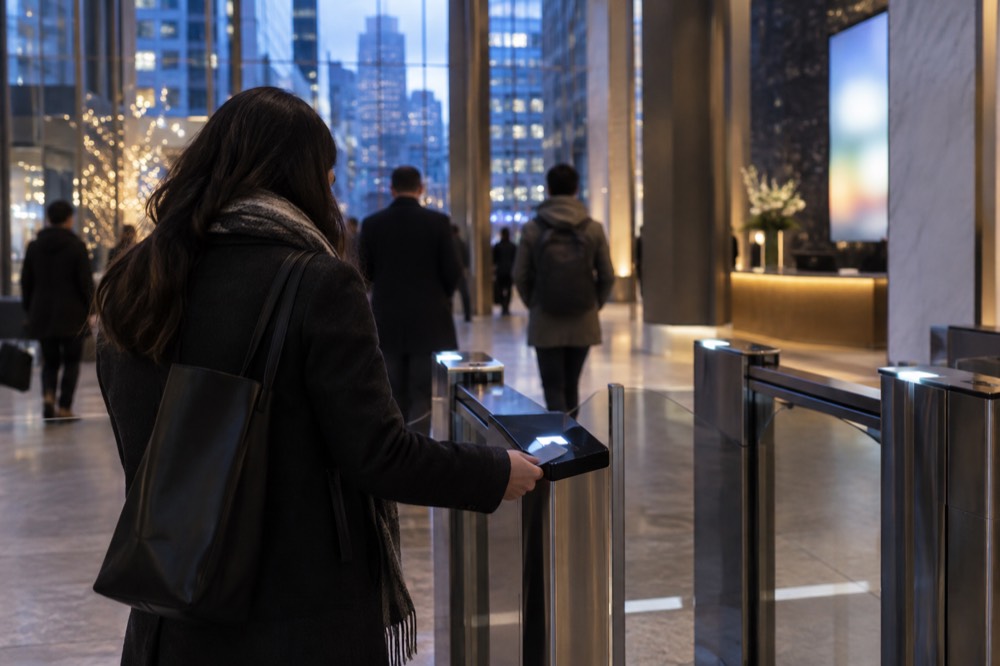
Two honest caveats. First, the published "from" prices are the floor, not the typical: expect popular weekend and sunset slots to run well above the starting figure, and check the live listing for the date you actually want. Second, if you are visiting several big attractions, the arithmetic can change. A CityPASS or Explorer Pass bundles SUMMIT-class decks with museums and the ferry, and our New York CityPASS guide works through when the passes pay off. The general rule: a pass beats individual tickets only if you genuinely use most of its entries.
Booking ahead is close to mandatory at peak times. Timed entry spreads visitors across the day, and the sunset windows, roughly 90 minutes before official sunset, sell out first, especially in summer and around holidays. If your heart is set on golden hour, book the moment your dates are fixed rather than the week of.
What Is Actually Inside SUMMIT One Vanderbilt?
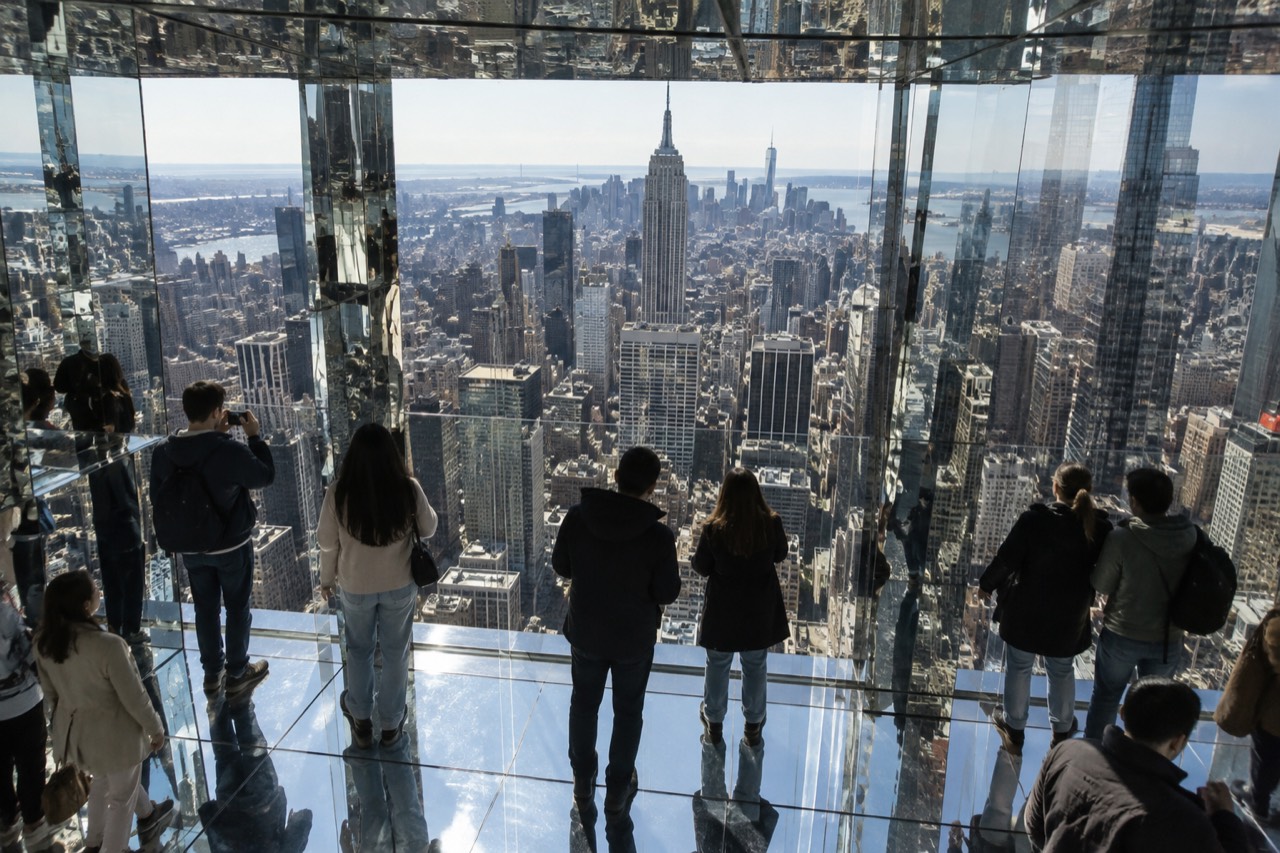
SUMMIT is a multi-floor experience built around three mirrored rooms collectively called Air, glass ledges that project outward from the building, and an art installation that doubles as a photo set, spread across the tower's top floors. It is designed as an environment to move through rather than a single observation floor: you walk from mirror room to mirror room, with the Manhattan skyline refracted infinitely around you. Most visits run 60 to 90 minutes inside.
The mirrors are the headline, and they divide opinion more than any guide admits. On a clear day the effect is genuinely striking: the room, the sky and the skyline multiply into a tunnel of reflections, and photographs that would be ordinary on a plain deck become surreal here. On a crowded afternoon, you are photographing other tourists as much as the city, because every surface reflects everyone in the room.
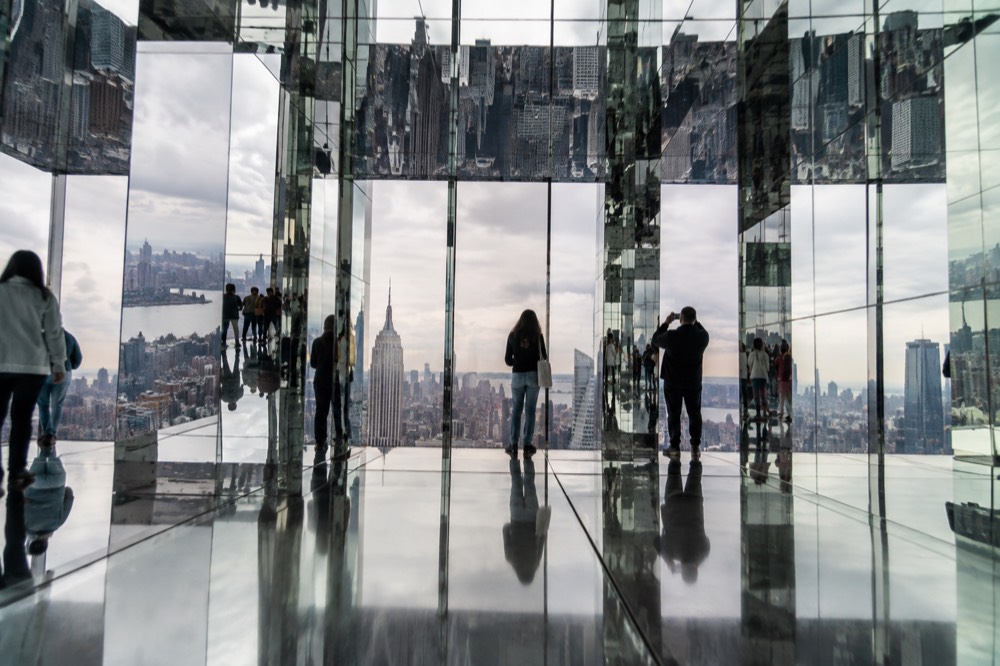
Practical rules follow from the design. Dress with the mirrors in mind, because the reflective floor photographs everything, and shorts or skirts read awkwardly in a room of mirrors; the operator's guidance says as much, and it is not a joke. Glass and metal surfaces mean no tripods and no professional photo equipment. The ledges, glass boxes that extend beyond the building's edge, hold a small number of people at a time and often have a short queue on busy days.
The Ascent option deserves a separate word. It is a glass-sided elevator that climbs the outside face of One Vanderbilt, giving an open-air sensation that the interior floors cannot match. It adds cost and it is weather dependent, but for visitors who want one memorable moment rather than a long wander, it concentrates the whole experience into two minutes.
Beyond the mirrors, the upper levels include a terrace section and, in winter, a small seasonal installation that has included an indoor alpine lodge theme. The café and bar up top are real but priced like a hotel, so treat them as a splurge rather than a lunch plan. The exit route, like most decks, funnels you through a gift shop.
How Long Does a Visit Take, and When Is the Best Time to Go?
Most visits run 60 to 90 minutes, which the operator itself lists as the expected duration, and the best time to go is either the first entry slot of the morning for thin crowds or the 90 minutes before sunset for the strongest photographs. The deck is open daily from 08:00 to 24:00 with last entry at 22:30, so an evening visit after dinner is entirely possible.
Weekday mornings are the quiet windows; Saturday afternoons are the busiest.
The timing decision is really a photography decision. SUMMIT's mirrored rooms are at their best with strong directional light, which means late afternoon into sunset. But the same windows are when everyone else comes, and the mirrors do not hide crowds, they multiply them. The trade-off is simple: go early for emptiness, go at golden hour for the pictures, and accept that you cannot have both on a summer weekend.
| Time window | Crowd level | Light and view | Best for |
|---|---|---|---|
| 08:00-10:00 | Lowest | Low sun, east-facing glare possible | Empty mirror rooms, relaxed pace |
| 10:00-15:00 | Moderate to busy | Flat midday light | Families, no photo ambitions |
| 15:00-sunset | Busiest | Best light, golden hour into dusk | Photographs, the signature experience |
| After 20:00 | Thins out | Night skyline, lit mirrors | Evening plans, second visit feel |
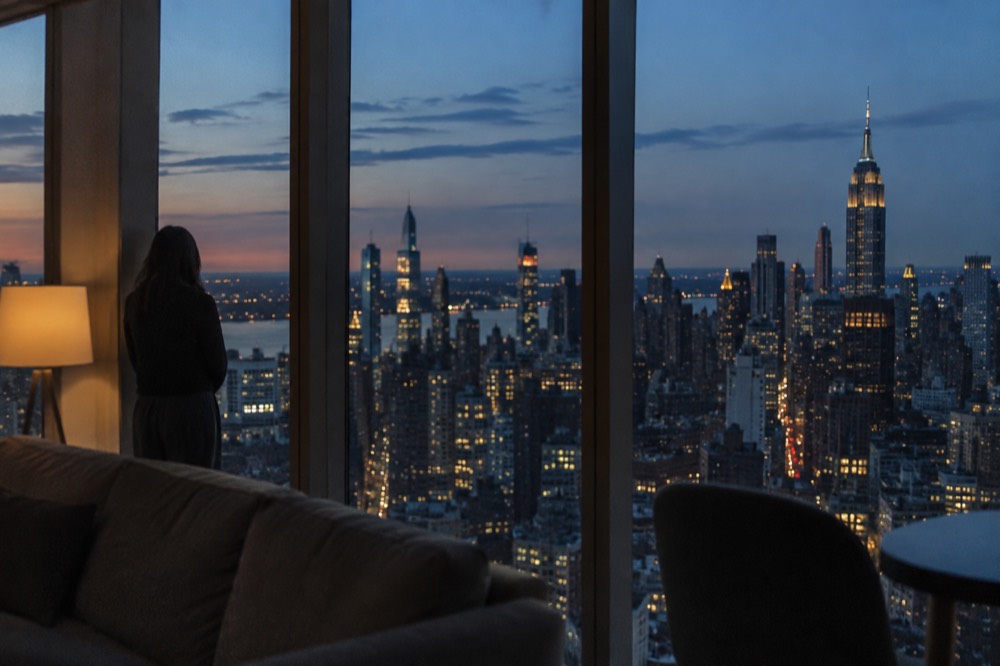
Weather matters more at SUMMIT than at enclosed decks, because so much of the experience depends on light. A grey, hazy day flattens the reflections and mutes the skyline. Check the forecast for the afternoon of your visit, and if you have flexibility, keep your slot movable: the operator's cancellation terms are shown on the live listing before you pay, so read them when booking rather than after.
One scheduling note worth planning around: because the entrance is inside Grand Central, an evening slot pairs naturally with dinner in Midtown or a Broadway show, both of which sit within a 15-minute walk. A late slot after 20:00 gives you the night skyline with a fraction of the crowd.
Is SUMMIT One Vanderbilt Worth It Compared with the Other Decks?
SUMMIT is worth it if you want an immersive, design-led experience and strong photographs, and it is the wrong pick if you want the classic postcard view of the Empire State Building or Central Park framed in the shot. It cannot show you the Empire State Building from the Empire State Building, and it cannot frame Central Park the way Top of the Rock does.
But for spectacle, mirrors, glass and theatre, it is the most distinctive deck in the city and the easiest to reach.
The honest comparison is about what each deck puts in the frame. Top of the Rock is the only deck that photographs the Empire State Building itself with Central Park behind it. The Empire State Building gives the historic open-air 86th-floor experience. Edge offers the glass floor and the highest outdoor platform in the Western Hemisphere. One World Observatory owns the downtown view over the harbor. SUMMIT offers none of those signature shots, but no other deck offers the mirror rooms.
| Deck | Location | Signature feature | Best for |
|---|---|---|---|
| SUMMIT One Vanderbilt | Grand Central, Midtown | Mirrored Air rooms, Ascent elevator | Photos, design, an experience |
| Empire State Building | 34th Street | Open-air 86th floor, history | The classic deck, night re-entry |
| Top of the Rock | Rockefeller Center | Empire State Building in the frame, park views | The postcard shot |
| Edge | Hudson Yards | Glass floor, outdoor skywalk | Thrills, west side views |
| One World Observatory | World Trade Center | Downtown and harbor views | Lower Manhattan itineraries |
If you are only doing one deck and it is your first trip to New York, the classic answer still leans toward Top of the Rock or the Empire State Building, because those are the views you have seen in photographs your whole life. Our Empire State Building vs Top of the Rock comparison works through that choice in detail. SUMMIT is the pick for a second visit, for a rainy or grey day when the mirrors do more work than the view, or for travelers who prioritize the experience over the checklist.
For families, note the age rule: children under 6 cannot enter SUMMIT at all, except carried infants, which is stricter than most decks. The mirrors also disorient some younger kids and some adults with vertigo, so if anyone in your group struggles with glass floors or infinite reflections, an open-air deck like the Empire State Building's 86th floor may suit better.
Booking Tips, Rules and Common Mistakes at SUMMIT One Vanderbilt
Book timed tickets in advance, choose your slot deliberately because entry windows are enforced, and read the dress guidance before you go: the mirrored floors photograph everything, and the operator itself advises against shorts and skirts for that reason. Arrive 15 minutes early for screening, and if you want the Ascent elevator, check the weather that day because it runs only in decent conditions.
The most common mistakes are expecting golden-hour photos from a midday slot and arriving at the street address rather than the Concourse entrance.
A few specifics make the difference between a smooth visit and a frustrating one.
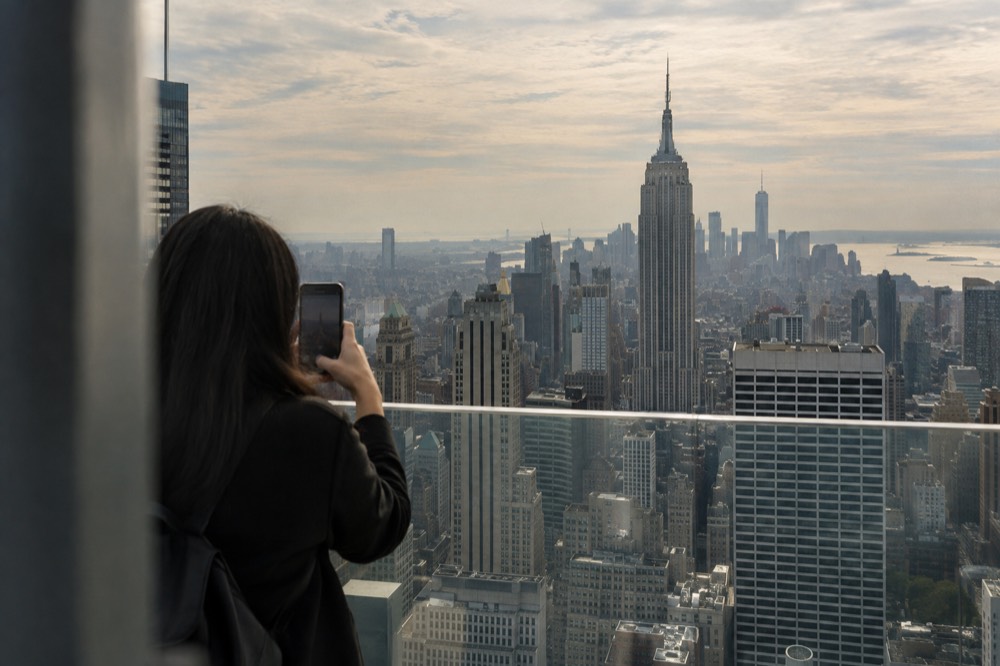
Book the slot you actually want, not the cheapest one. The price spread between an 8am slot and a sunset slot on the same day can be substantial, but the experiences are not comparable. If photographs are the point, pay for the light. If you are going to see the rooms and be done, take the cheap morning slot and enjoy the emptiness.
Read the cancellation terms at booking time. Timed-entry attractions in New York vary widely on refunds and changes, and the terms that apply are the ones on the listing you booked from, not a general policy page. Booking through a major tour platform usually adds a layer of cancellation flexibility that direct booking does not always match.
Do not plan a tight appointment after your slot. The entry queue, the elevators, the screening and the walk-through of three floors routinely add 30 minutes to the posted experience, and the mirror rooms are the kind of place that quietly absorbs time. Give yourself a buffer, especially before a Broadway curtain.
Pair SUMMIT with what is around it rather than treating it as a standalone trip. Grand Central is the obvious companion, but the deck also sits within walking distance of the Chrysler Building's exterior, Bryant Park, the New York Public Library and the Theater District, so a Midtown afternoon needs no subway rides at all. For a fuller plan, our things to do in NYC guide places SUMMIT in the context of a whole itinerary.
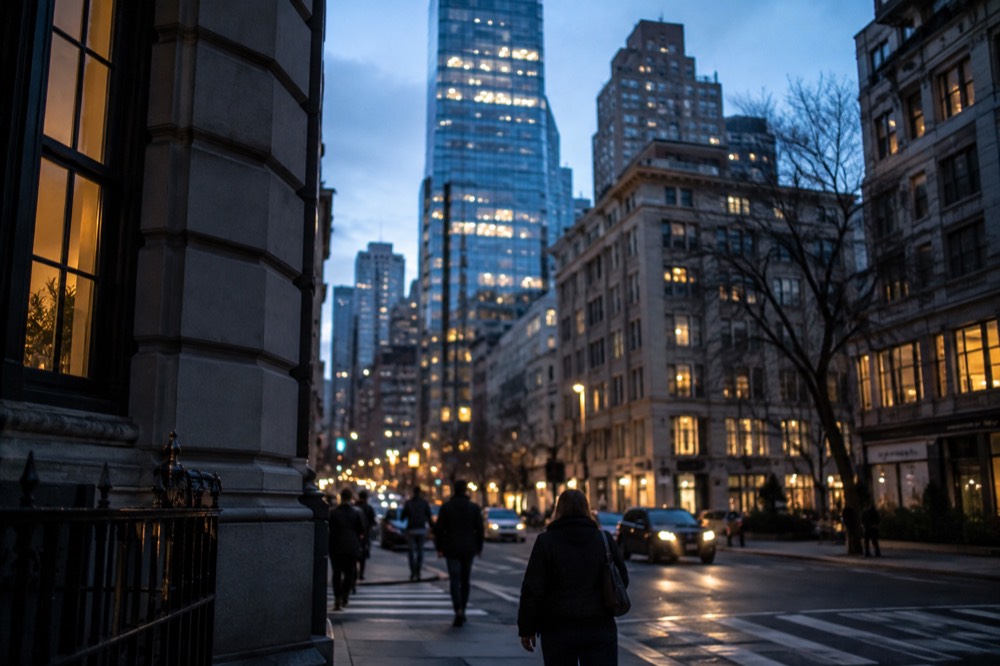
Finally, the question this whole site exists to answer honestly: is it worth it? For most visitors who choose it deliberately, yes. SUMMIT delivers something the other four decks do not attempt, and it does so in the most accessible location in Midtown. It is not the best deck for the classic view, and it is not the cheapest. It is the most memorable, and for a city where you can see the skyline from a hundred rooftops, memorable is a reasonable thing to buy.
Common Questions About SUMMIT One Vanderbilt
These are the questions visitors ask most about SUMMIT One Vanderbilt, answered with the current published facts: tickets start from $44 for adults plus a $3 processing fee per order, the deck is open daily from 08:00 to 24:00 with last entry at 22:30, visits run 60 to 90 minutes, and children under 6 are not admitted except as carried infants. Each answer is short and current; the detail sits in the sections above.
How much are SUMMIT One Vanderbilt tickets?
Adult tickets (13+) start from $44 and youth tickets (6-12) from $38, with a $3 online processing fee added per order. Pricing is dynamic, so sunset and weekend slots cost more than early weekday ones. The Ascent elevator experience starts from $68.
How long does a visit to SUMMIT One Vanderbilt take?
Plan for 60 to 90 minutes on the decks themselves, plus time for the entry queue, elevator rides and security screening. If you have an appointment or a show afterward, give yourself a 30-minute buffer on top of the visit.
What are SUMMIT One Vanderbilt's hours?
The deck is open daily from 08:00 to 24:00, with last entry at 22:30. Evening slots after 20:00 are a good way to see the night skyline with thinner crowds.
Is SUMMIT One Vanderbilt worth it?
It is worth it if you want an immersive, design-led experience and strong photographs, since no other New York deck has the mirrored rooms. If your priority is the classic Empire State Building or Central Park view, Top of the Rock or the Empire State Building itself serve those better.
Can children visit SUMMIT One Vanderbilt?
Ages 6-12 can enter with a youth ticket, but children under 6 are not admitted, except for infants carried in a baby carrier. The mirrored floors and glass ledges can also disorient some younger visitors, so consider an open-air deck for a sensitive child.
What should you wear to SUMMIT One Vanderbilt?
The mirrored floors reflect everything, and the operator advises against shorts and skirts for exactly that reason. Wear something you are comfortable being photographed in from every angle, and bring a layer if you are booking the Ascent elevator, which is exposed to outdoor conditions.
For everything else on the site, start with the New York City Travel Guide homepage, which links the full set of attraction guides, itineraries and transport explainers, or go straight to our NYC observation decks roundup to compare all five decks in one place.
The deck that plays best with SUMMIT in a single day is, honestly, none of them: the strongest pairing is SUMMIT plus Grand Central plus a walk, because the tower and the terminal share a corner and the whole visit fits inside a couple of hours. Save the second deck for another trip, or for a grey day when the mirrors matter more than the miles of skyline.