Empire State Building vs Top of the Rock: Which Observation Deck Should You Pick?
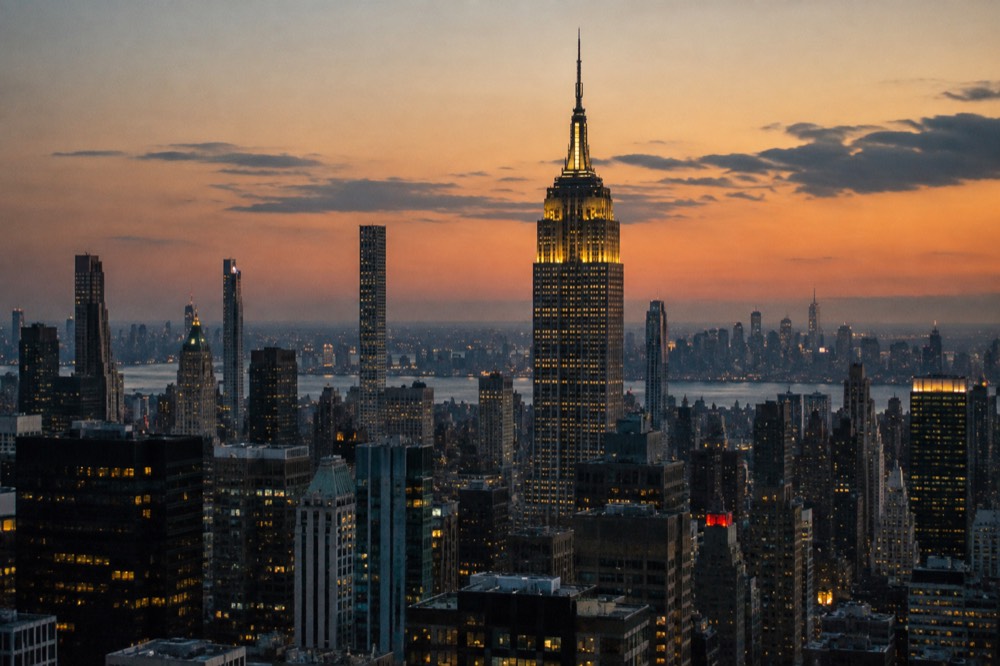
Two of New York's five observation decks sit a ten-minute walk apart in Midtown, and they answer different questions. The Empire State Building puts you inside the landmark; Top of the Rock puts the landmark in your photograph.
Short answer
Choose Top of the Rock if photographing the Empire State Building and Central Park matters most, and choose the Empire State Building if standing inside the icon, with open-air decks and a same-night re-entry option, matters more. Adult admission starts from $44 at the Empire State Building plus a $5 booking charge, and from $42 at Top of the Rock, with both decks using timed entry.
Two decks, ten minutes apart, and one genuinely different decision. The Empire State Building's 86th-floor observatory is an open-air deck wrapped around a landmark most visitors have known since childhood. Top of the Rock, six levels above Rockefeller Center, is the deck that puts that landmark in the frame, alongside the rectangle of Central Park behind it. The choice between them is not about which is taller. It is about whether you want to be inside the icon or looking at it.
Both use dynamic timed pricing, so every figure in this comparison is a "from" price, not a flat rate. Both are on the New York CityPASS menu, which changes the arithmetic for anyone doing the classic sightseeing circuit. And both have quirks, from the Empire State's same-night re-entry perk to Top of the Rock's glass panels that sit between you and an unobstructed photo. This guide lays out the numbers, the views, the hours and the trade-offs, sourced from the operators' own published pricing and the box-office figures CityPASS publishes for its savings maths.
If you are still building the wider itinerary, start with the full things to do in NYC page, which places both decks in context against everything else the city offers.
Which Is Better, the Empire State Building or Top of the Rock?
Neither deck is objectively better; they do different jobs. Top of the Rock is the photographer's deck, because it is the only major observatory that puts the Empire State Building in the frame, with Central Park behind it. The Empire State Building is the landmark deck: open-air terraces on the 86th floor, a companion museum, and an AM/PM ticket that lets you come back the same night. Pick by what you want, not by height.
The single question that settles most arguments: do you want a photograph with the Empire State Building in it? If yes, Top of the Rock is the only correct answer, because from the Empire State's own deck the building is beneath your feet and invisible. You will get the harbor, the bridges, the Hudson and the grid, but not the tower.
If the answer is that you want to stand in the building, feel the wind on the 86th floor and walk the exhibit galleries that tell its story, then the Empire State delivers something its rival cannot. The open-air portion matters more than people expect. Top of the Rock's lower decks sit behind glass panels, which protect you from the wind but put a reflective surface between your lens and the view. The Empire State's 86th floor is open air, with only a safety fence, which is why sunset photographs up there look so different.
There is also a practical split. The Empire State Building stays open later in the evening during the published autumn window, and its AM/PM Experience bundles a morning or afternoon visit with a same-night return. Top of the Rock runs the longest day of any deck in the city, opening at 08:00 and taking last entry at 23:10, which makes it the easiest to slot into a packed schedule. For more on how these two compare against the rest, the NYC observation decks overview covers all five.
How Do the Prices Compare?
Adult admission starts from $44 at the Empire State Building, plus a $5 booking charge per transaction, and from $42 at Top of the Rock, with no separate booking fee. Both decks price dynamically by date and time slot, so sunset windows cost more than midweek mornings. The Empire State's 86th-plus-102nd-floor combo starts from $79 plus the same $5 charge, and its AM/PM Experience, the CityPASS version, carries a box-office price of $75.12.
The headline numbers are close enough that price should not decide this. What differs is what the ticket includes. The Empire State's standard ticket covers the 86th-floor observatory and the second-floor museum galleries. The combo adds the enclosed 102nd floor, which is a glass-box view rather than an open-air one, and not every visitor thinks it is worth the difference. The AM/PM Experience is the interesting one: it pairs your daytime visit with a bonus same-night re-entry, effectively two visits for one ticket.
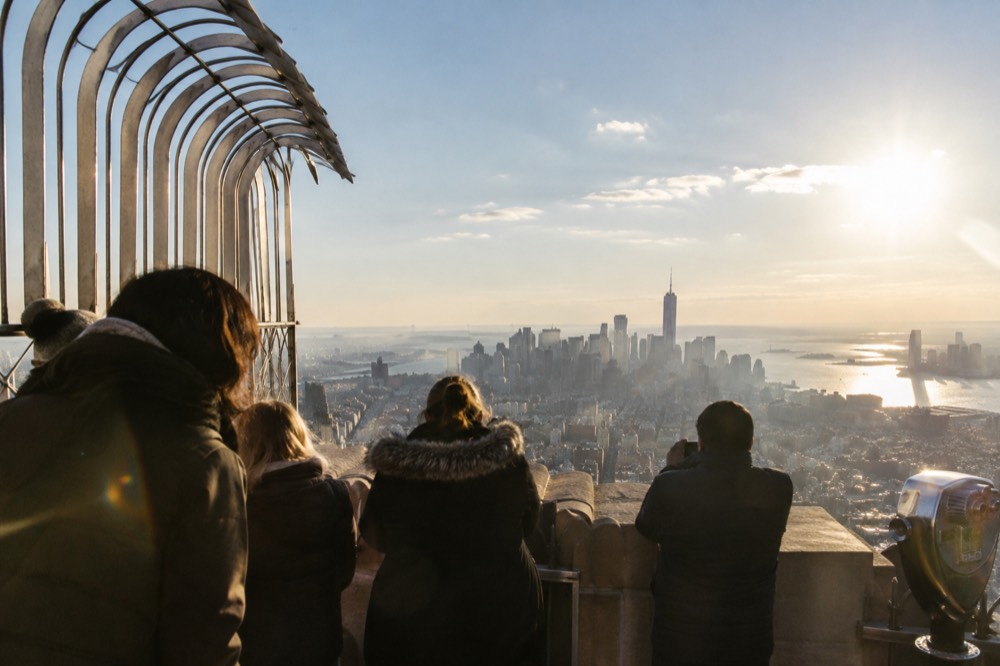
Top of the Rock's ticket covers all three observation levels, including the upper open-air deck above the glass panels. Its box-office price as published by CityPASS is $71.86, with the operator's own quoted range running $46-$72 depending on slot. The Empire State's box-office range is quoted at $72-$75 for the AM/PM version. Treat all of these as dated snapshots: the live listings are the only source of the price on your actual date.
| Cost item | Empire State Building | Top of the Rock |
|---|---|---|
| Adult admission, from | $44 (86th floor) | $42 (all three levels) |
| Booking/processing charge | $5 per transaction | None published |
| Premium combo | 86th + 102nd from $79 + $5 | Add-ons The Beam and Skylift quoted from $57 each |
| CityPASS box-office figure | $75.12 (AM/PM Experience) | $71.86 |
| Same-night re-entry | Included in AM/PM Experience | Not offered |
| Dynamic pricing | Yes, by date and slot | Yes, by date and slot |
One warning that applies to both: buy from the operator's own channel or a reseller you trust, and never from a street-corner ticket seller. Timed entry means your slot is your slot, and a resold or altered barcode is a real risk in the Theater District and around Fifth Avenue.
What Are the Views Like from Each Deck?
Top of the Rock faces the Empire State Building and Central Park, so its signature shot is the tower with the park's green rectangle behind it, best from the upper open-air level. The Empire State Building faces everything else: the harbor, the Statue of Liberty in the distance, the Brooklyn Bridge, the Hudson and East Rivers, and the street grid running north to the park's southern edge.
From the Empire State you cannot see the Empire State, which is the whole trade.
Stand on the 86th floor and the city is below you in every direction, with no glass between you and the wind on the open-air terraces. Downtown, the harbor opens up and on a clear day you can pick out the Statue of Liberty. Uptown, Central Park appears as a dark green slab at the end of the canyon of 5th Avenue and its neighbors. The four compass points each have a different character, and the deck's layout lets you walk the full circuit.
Top of the Rock's geometry is different. The deck sits lower than the Empire State's, at the top of 30 Rockefeller Plaza, but its position north-east of the tower is what makes it. The view south delivers the Empire State Building dead center, with the downtown skyline behind it. The view north delivers Central Park in full, from the southern edge to the reservoirs, a view no other major deck frames as completely. The middle observation level sits behind glass; the top level is open air, and that is the one photographers should aim for.

| View | Empire State Building (86th) | Top of the Rock |
|---|---|---|
| Empire State Building itself | No, you are on it | Yes, center frame to the south |
| Central Park | Southern edge only, from above | Full park rectangle to the north |
| Statue of Liberty | Distant, to the south-west | Distant, smaller on the horizon |
| Brooklyn Bridge | Visible to the east | Visible to the south-east |
| Open-air deck | Yes, full circuit behind safety fencing | Yes, upper level; middle level is behind glass |
| Photography obstruction | Fencing only | Glass panels on the middle level |
If you are choosing on photography alone, the sequence most serious shooters follow is Top of the Rock at sunset for the Empire State and the park, then the Empire State after dark for the lit-up grid. The AM/PM ticket exists precisely for the second half of that plan.
What Are the Opening Hours and the Best Time to Visit?
Top of the Rock runs the longest day: daily 08:00-24:00 with last entry at 23:10. The Empire State Building is open 365 days, and in the published autumn window runs 10:00-23:00 with the entry door closing at 22:00. For the view, go at sunset, but book the slot weeks ahead because everyone else has the same idea; the honest budget alternative is a weekday morning, which is cheaper and far quieter.
Both decks are year-round operations, but hours shift seasonally, so treat any printed timetable as a snapshot. The figures above come from the operators' own pages for a specific published window, and the live listings show the hours in force on your date. Check before you plan an evening around it.
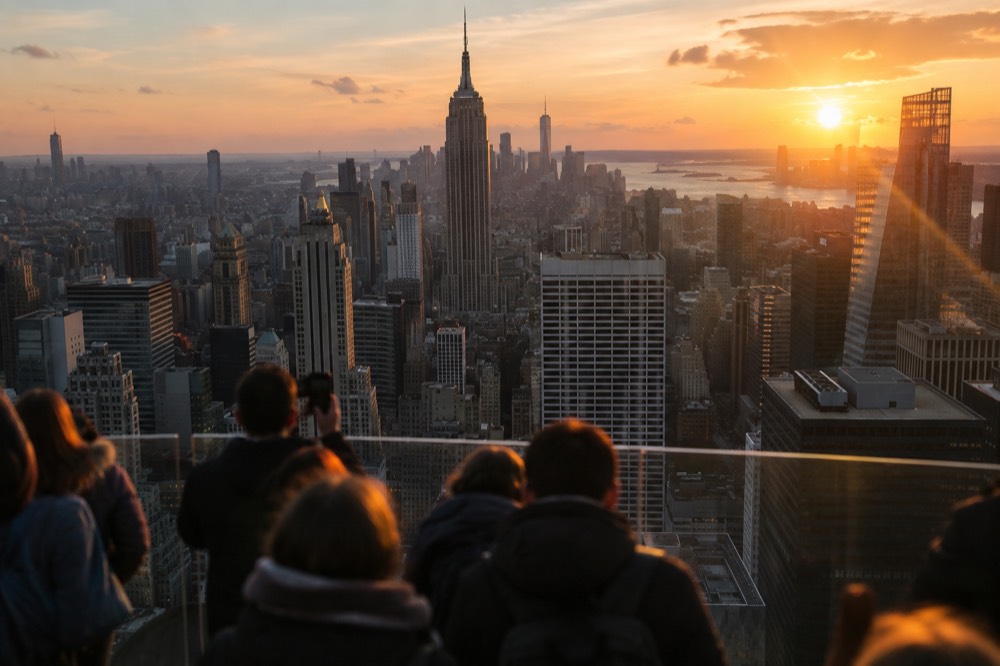
Timing has three dimensions: light, crowds and price. Sunset is the best light and the worst availability, and dynamic pricing reflects that. Night is the underrated slot: the city reads differently with the grid lit, the deck thins out after the sunset crowd leaves, and the Empire State's same-night re-entry perk makes a night return free if you bought the AM/PM version. Morning is the quiet, cheap option, and the only one where you are not queueing for a rail spot.
Weather matters more than most itineraries admit. There is no dry season in New York; the spread between the driest and wettest month is only about 1.4 inches of precipitation. If the forecast turns, a deck with an enclosed level, the Empire State's 102nd floor or Top of the Rock's glassed middle deck, salvages the booking. If visibility is genuinely poor, both decks will sell you the ticket anyway, so check the forecast before you commit rather than after.
Which Deck Suits Which Traveler?
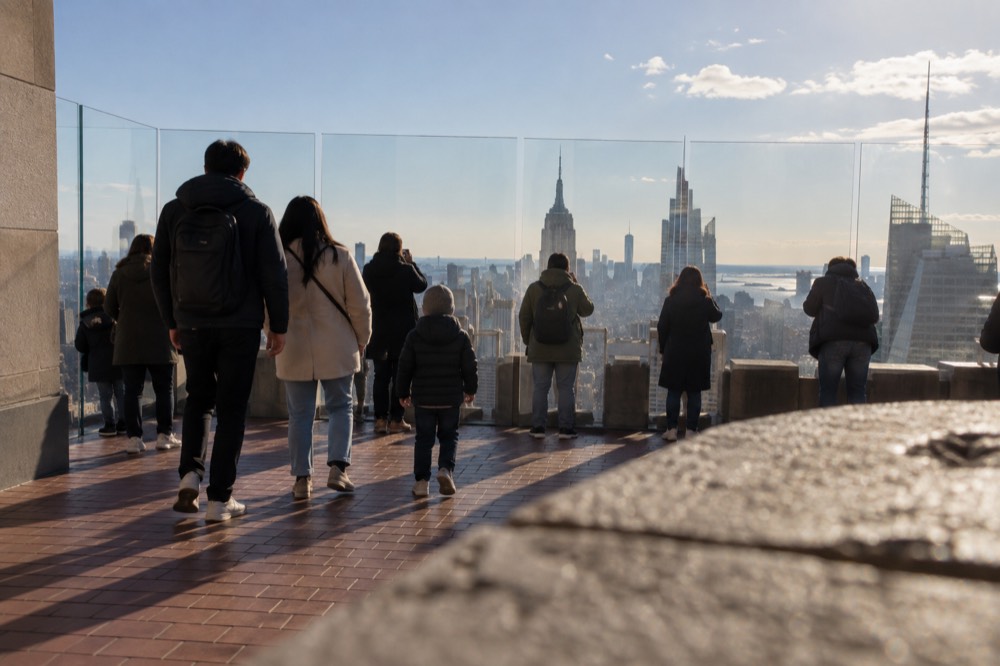
Families with young children and anyone nervous about heights tend to prefer Top of the Rock, because the glassed middle level contains the kids and the upper deck is a manageable open space. Photographers chasing the Empire State shot must go Top of the Rock.
Visitors who want the landmark itself, the open-air wind and a museum that explains the building, should pick the Empire State, and sunset-or-later visitors get more from its AM/PM re-entry ticket.
Break it down by what your day already looks like. If you are pairing the deck with Rockefeller Center, which sits directly below Top of the Rock, the choice makes itself: you ride up from the plaza you are already standing in, and the Rockefeller Center guide covers what else fills that block. If you are coming from the Theater District or Herald Square, the Empire State is the closer stop, and its 34th Street corner plugs easily into a Macy's or Koreatown walk.
| Traveler type | Better pick | Why |
|---|---|---|
| Photographer wanting the icon in frame | Top of the Rock | Only major deck with the Empire State in view |
| First-timer who wants to "do" the landmark | Empire State Building | Open-air 86th floor plus the museum |
| Family with small children | Top of the Rock | Glassed middle level, contained upper deck |
| Sunset-then-night visitor | Empire State Building | AM/PM ticket includes same-night re-entry |
| Central Park-focused itinerary | Top of the Rock | Full park rectangle to the north |
| Rainy-day salvage | Either | ESB 102nd floor or TotR glassed level |
Budget travelers should note that neither deck is the cheap option in this city. One World Observatory downtown starts from a lower price point than both, and the honest comparison across all five decks, including SUMMIT One Vanderbilt and Edge, is that three of them price identically at their entry level while One World undercuts them. That comparison belongs on the observation decks overview rather than repeated here, but it is worth knowing before you assume these two Midtown decks are the only choices.
Do City Passes Change the Maths?
Yes, materially. New York CityPASS, at $149 adult and $129 child, covers your choice of five attractions from an eleven-attraction menu, and both the Empire State Building (as the AM/PM Experience, box office $75.12) and Top of the Rock (box office $71.86) are on it.
If you plan to visit both decks plus the Statue of Liberty ferry and two museums, the pass beats buying separately, and it is valid for nine consecutive days from first use.
The pass arithmetic only works if you use what it covers. CityPASS's own published comparison prices the five-attraction adult bundle at $307.04 bought individually, a claimed saving of $158.04. Your real saving depends on which five you pick: choosing the two cheap museums and skipping the decks cuts the gap, while stacking both decks, the ferry and the pricier museums widens it. The New York CityPASS guide runs the full breakdown.
One product warning that most competitor guides still get wrong: The Sightseeing Pass ceased trading in 2025 and no page on this site recommends or links it. If you see it listed on another guide, that guide has not been checked recently. The two products that matter are CityPASS and Go City, whose Explorer version starts from $89 adult and whose All-Inclusive version starts from $169.
What About Queues, Security and Accessibility?
Both decks run airport-style security screening and timed entry, so the queue you experience is mostly the elevator line rather than the ticket line, and booking a slot online removes the ticket booth entirely. The Empire State Building's queue is the longer of the two on average because its volume is higher, and both decks are fully wheelchair accessible, with elevators to every public observatory level and staff assistance available on request.
The practical advice is the same for both: arrive a few minutes before your slot, not an hour early, because arriving early just puts you in the pre-security line with nothing to do. Both buildings handle the vertical movement well, with the Empire State using its famous art-deco elevators and Top of the Rock using the Sky Shuttle, and neither requires stair climbing to reach the decks.
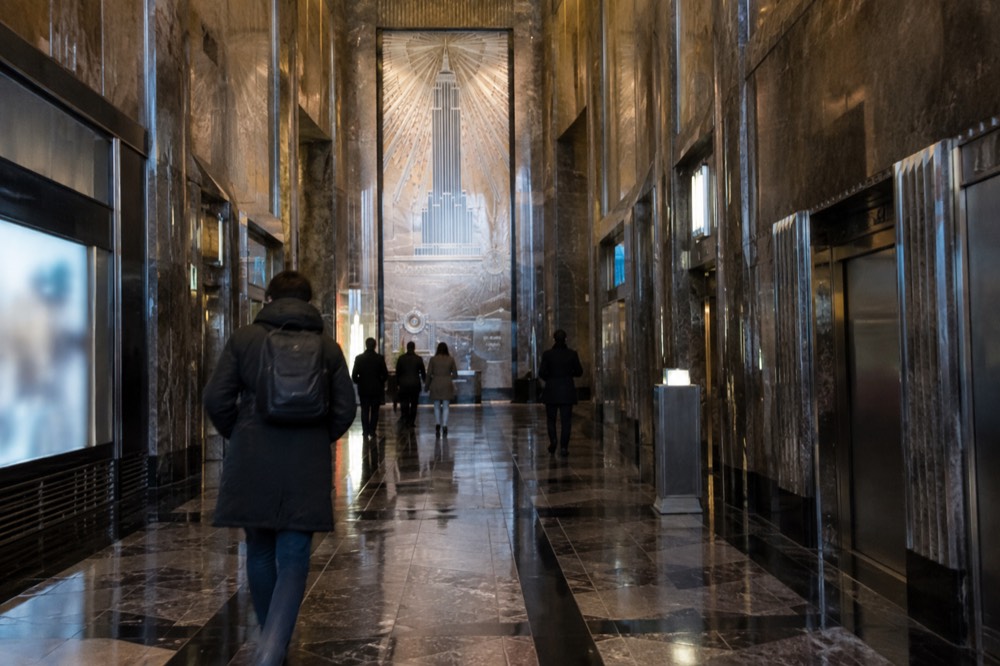
Accessibility details are published by each operator and change with renovations, so check the live listing or the operator's accessibility page for current specifics rather than relying on a guide's snapshot. The same applies to bag policies, which both operators restrict and which are enforced at screening. Travel light, because there is no coat check worth counting on at either deck in summer and no storage for luggage at all.
For visitors working these decks into a wider route, the Empire State Building tickets guide and the Top of the Rock tickets guide carry the full detail for each building, including the add-ons this comparison only touches on.
Can You Do Both Decks in One Trip?
Yes, and many visitors do, but not back to back. The pairing that works is Top of the Rock at sunset for the Empire State Building and Central Park in golden light, then the Empire State Building after dark for the lit grid, either later the same night using the AM/PM ticket's re-entry or on a separate evening. Doing both within the same hour wastes the second one, because the light has not changed.
The ten-minute walk between them runs up 5th Avenue past some of the most photogenic retail blocks in the city, so the transfer itself is not dead time. Give the pair a full evening: Rockefeller Center and its plaza first, the ride up for sunset, the walk down 5th Avenue as the lights come on, then the Empire State's night deck. That is a complete Midtown evening and the single best way to answer this comparison with your own eyes.
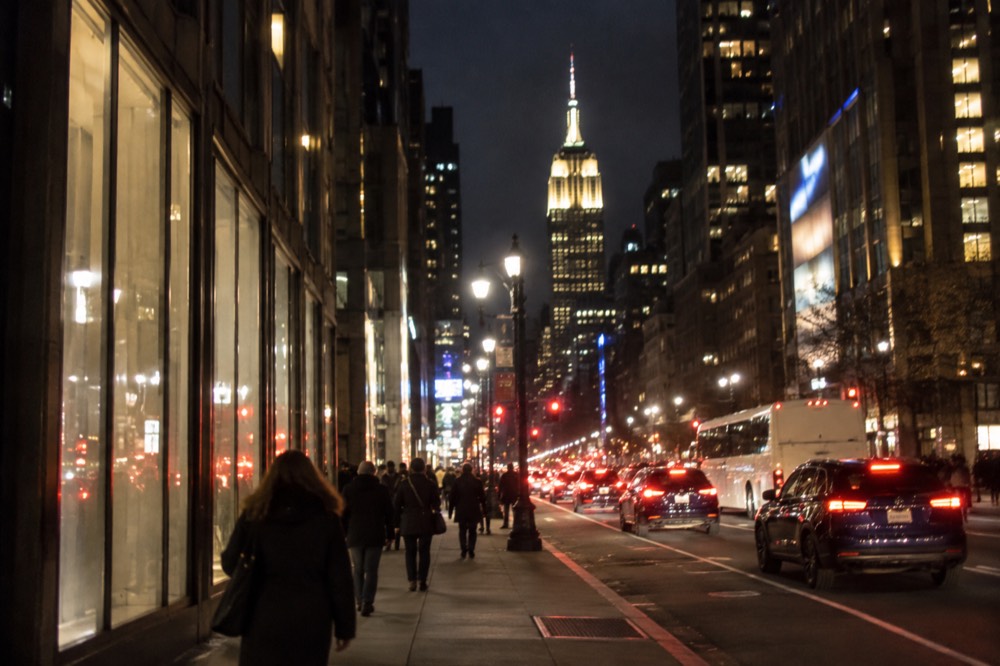
If you only have one evening, pick by what you will regret missing. The Empire State lit at night, seen from Top of the Rock, is the postcard. The city lit at night from inside the Empire State, with the wind on the 86th floor, is the memory. Photographers almost always choose the first. Everyone else splits roughly down the middle.
Common Questions About the Empire State Building vs Top of the Rock
The short answers: Top of the Rock is better for photographing the Empire State Building and Central Park, the Empire State Building is better for standing inside the landmark with open-air decks and a museum, prices start within two dollars of each other, both use timed entry, and CityPASS covers both if you are doing the classic circuit. The detailed questions below cover the specifics travelers ask most.
Is Top of the Rock or the Empire State Building better?
It depends on what you want. Top of the Rock is the only major deck that puts the Empire State Building in your photograph, with Central Park behind it to the north. The Empire State Building offers open-air terraces on the 86th floor, a companion museum and a same-night re-entry ticket. Photographers should pick Top of the Rock; visitors who want the landmark experience should pick the Empire State.
Which is cheaper, the Empire State Building or Top of the Rock?
Adult admission starts from $44 at the Empire State Building plus a $5 booking charge per transaction, and from $42 at Top of the Rock. Both price dynamically by date and time, so sunset slots cost more and weekday mornings cost less. The gap is small enough that the view, not the price, should decide.
Can you see the Empire State Building from Top of the Rock?
Yes, and that is the deck's signature view. Looking south from the observation levels, the Empire State Building sits center frame with the downtown skyline behind it. From the Empire State's own decks you cannot see the building at all, because you are standing on it.
Is the Empire State Building's 102nd floor worth the extra cost?
The 86th-plus-102nd combo starts from $79 plus the booking charge. The 102nd floor is an enclosed glass-box view, while the 86th is open air. Many visitors find the open-air 86th floor the better experience and skip the combo, but the enclosed level is the rainy-day fallback and the choice for anyone who wants the higher number.
Do both decks appear on the New York CityPASS?
Yes. CityPASS lets you choose five attractions from an eleven-item menu, and both the Empire State Building, as the AM/PM Experience, and Top of the Rock are on it. The adult pass costs $149 and is valid for nine consecutive days from first use.
Which deck is better at night?
Both are strong after dark, but they show different things. Top of the Rock gives you the Empire State Building lit up in the frame; the Empire State gives you the street grid glowing beneath you with the wind on the open-air deck. The Empire State's AM/PM ticket includes same-night re-entry, which makes a night return effectively free.
Whichever deck wins your evening, book the slot before you leave home. Sunset windows at both sell out first, the operators' dynamic pricing rewards early booking, and a reserved time is the difference between riding straight up and standing in the pre-security line watching the light fade. More planning help, including how these decks fit a first visit day by day, lives on the New York City Travel Guide homepage and the NYC for first-timers guide.