Cold Spring NY: The Route, the Stops and How Much of the Day It Really Takes
Cold Spring sits on the east bank of the Hudson River, about an hour up the Metro-North Hudson Line from Grand Central, and it has become the default answer to the question of where New Yorkers go when they want a village day without a car.
Short answer
Take the Metro-North Hudson Line from Grand Central to Cold Spring, walk downhill from the station to Main Street, and plan on a day of shops, river views and a hike up Breakneck Ridge if your legs are up for it.
Cold Spring sits on the east bank of the Hudson River, and it has quietly become the standard answer to a very New York problem: you want mountains, a river and a walkable main street, but you do not want to rent a car. The village is small enough to cover on foot in an afternoon and close enough to Manhattan that the train ride is part of the day rather than the cost of it. This guide covers the route from Grand Central, what to do when you step off the platform, and the honest arithmetic of how much daylight you actually have.
The trip works for three kinds of traveler: the hiker who wants Breakneck Ridge or Bull Hill, the browser who wants antique shops and coffee, and the photographer who wants Storm King Mountain framed across the water. They all take the same train. Some of them are limping by the evening ride home.
Where Is Cold Spring NY and Why Do New Yorkers Go?
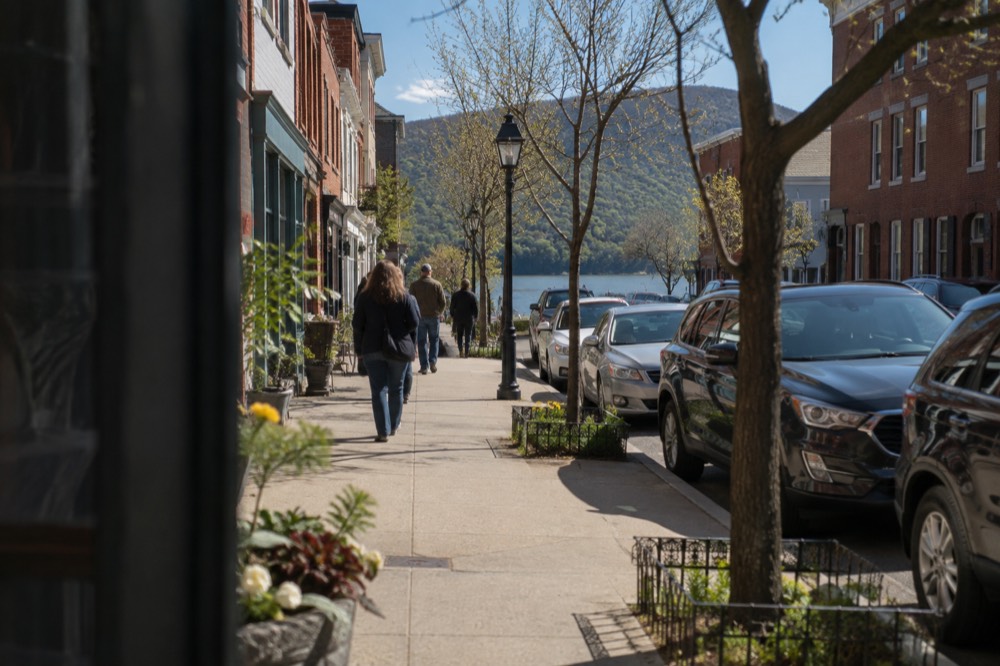
Cold Spring is a small riverside village in the Hudson Highlands, reached by the Metro-North Hudson Line out of Grand Central Terminal, and it draws New Yorkers because it delivers walkable streets, serious hiking and big river views without a car or a long drive. The village hugs the east shore of the Hudson where the highlands pinch the river, so the topography does the work that a resort town would otherwise need to manufacture. The station sits above Main Street, which runs downhill to a waterfront park with the river spread out in front of it. Everything a visitor needs sits within a ten-minute walk of the platform.
That geography is the whole pitch. From the dock at the foot of Main Street, the view west takes in Storm King Mountain and, on a clear day, the ridge lines that make this stretch of the Hudson feel nothing like the city you left an hour ago. The village itself is compact, with 19th-century buildings housing bookshops, antiques and places to eat, and the pace slows noticeably the moment you leave the platform.
It is worth being honest about what Cold Spring is not. It is not a secret. Weekend trains fill with day-trippers in good weather, and the small village absorbs them imperfectly. Go early, go on a weekday if you can, and the place feels like a discovery. Arrive at 1pm on a Saturday in October and you will queue for lunch with everyone else who read the same recommendation. The full day trips guide covers the wider set of options if the crowd math puts you off.
How Do You Get from Manhattan to Cold Spring Without a Car?
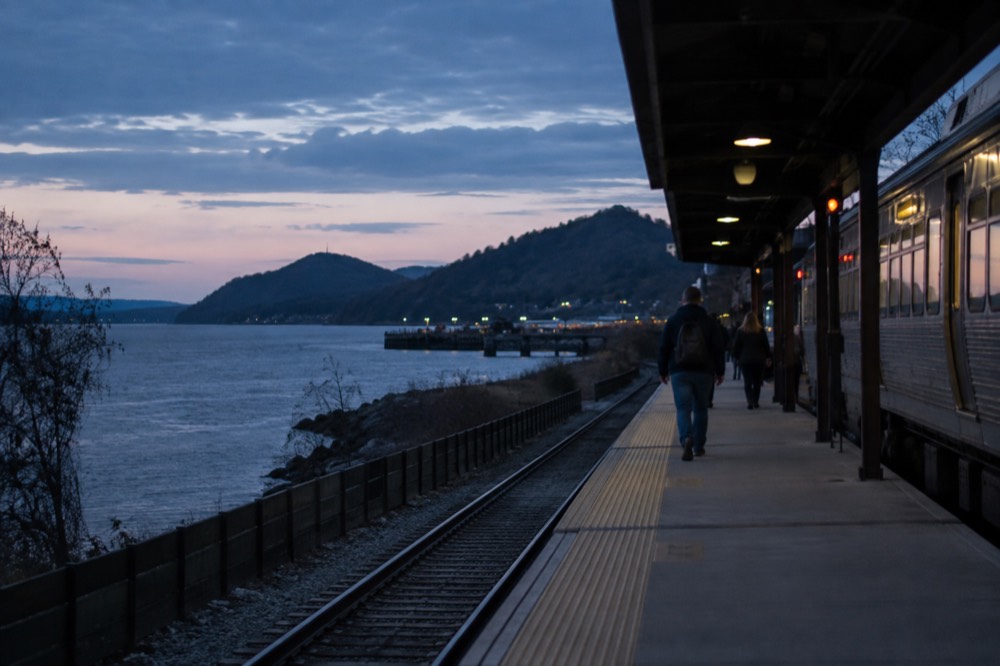
The direct answer is the Metro-North Hudson Line from Grand Central Terminal to Cold Spring station, a ride that follows the river for most of the way and drops you a short walk above the village Main Street, with no transfer needed once you are aboard. There is no transfer once you are on a Hudson Line train that stops at Cold Spring, though not every train on the line does, so the schedule matters more than the route. Off-peak round-trip fares cost materially less than peak, and the MTA posts the current fare table and timetable on its own site, which is the place to check before you travel, because fares change and this guide will not carry a number that goes stale.
A few practical points that are stable:
- Trains leave from Grand Central Terminal, which is worth arriving early for anyway. The station itself is one of the city's great interiors, and the Grand Central guide covers what to look at while you wait.
- Sit on the left side of the train heading north. The Hudson opens up on that side after the city falls away, and the stretch through the highlands is the scenic payoff of the trip.
- Check whether your train stops at Cold Spring before you board. Some Hudson Line trains run express past the smaller stations.
- Buy your ticket before boarding, on the MTA app or at a machine, to avoid the on-board surcharge.
One thing worth saying plainly, because almost every other New York guide gets it wrong: you cannot buy a 7-day unlimited MetroCard any more. The MTA stopped selling and refilling MetroCards on 1 January 2026. That does not directly affect a Metro-North trip, which is a separate railroad fare, but if you are taking the subway to Grand Central first, the correct fare tool is OMNY: tap the same credit card, debit card or phone at every turnstile and rides cap automatically at $35 in a rolling seven-day window, with no pass to buy. Returning visitors who absorbed the old advice should unlearn it.
| Leg | Mode | Notes |
|---|---|---|
| Midtown to Grand Central | Subway | Tap the same card or phone every ride; $35 weekly cap applies automatically |
| Grand Central to Cold Spring | Metro-North Hudson Line | Check that the specific train stops at Cold Spring; buy before boarding |
| Cold Spring station to Main Street | On foot | Downhill, a few minutes; the village is fully walkable |
| Cold Spring to trailheads | On foot or short cab | Breakneck Ridge and Bull Hill trailheads sit north of the village along Route 9D |
For travelers who want the Hudson Valley without doing the rail logistics themselves, a guided coach option exists, and it pairs a different corner of the valley with a walk across one of the longest elevated pedestrian bridges in the world:
That coach tour runs about seven hours from Manhattan and covers Sleepy Hollow plus the Walkway Over the Hudson, a different slice of the valley than Cold Spring but the same river. It suits visitors who want the region interpreted rather than explored solo. If you would rather compare it against the full spread of paid experiences in and around the city, from Hudson Valley coach days to observation decks and Broadway nights, the picks below cover the range:
What Is There to Do in Cold Spring NY?
The honest answer is that Cold Spring's activity list is short and concentrated: a walkable Main Street of shops and eating places, a waterfront park on the river, and some of the most dramatic trailheads in the Hudson Highlands within a short ride of the station. The village does not have blockbuster attractions, and that is the point. A day here is assembled from a slow coffee, a browse, a riverside sit, and, for the energetic, a steep hike with a payoff view over the river bend at Breakneck. Visitors who want an itinerary of sights will be finished by early afternoon; visitors who want a rhythm will not run out of day.
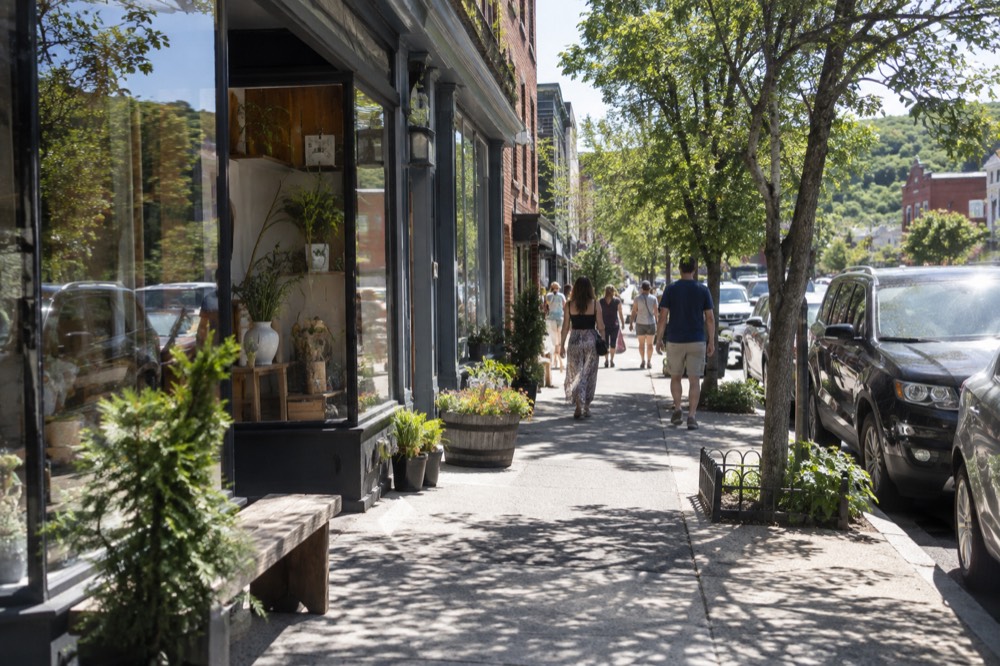
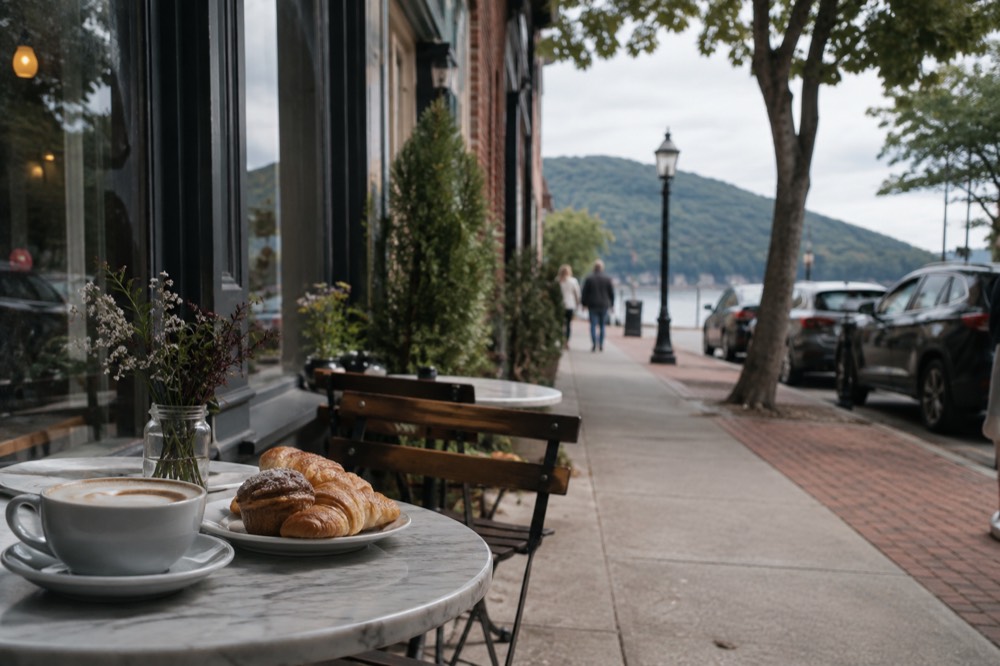
Main Street runs downhill from the station to the water and holds most of what you will do between meals. Expect a bookshop with a serious local-history shelf, antiques and homeware stores that reward slow looking, and a rotating cast of coffee and lunch spots. The street is genuinely pleasant to walk, with 19th-century facades and a scale that feels deliberately preserved rather than themed. Prices are village prices, not city prices, but the gap has narrowed as the day-trip crowds have grown.
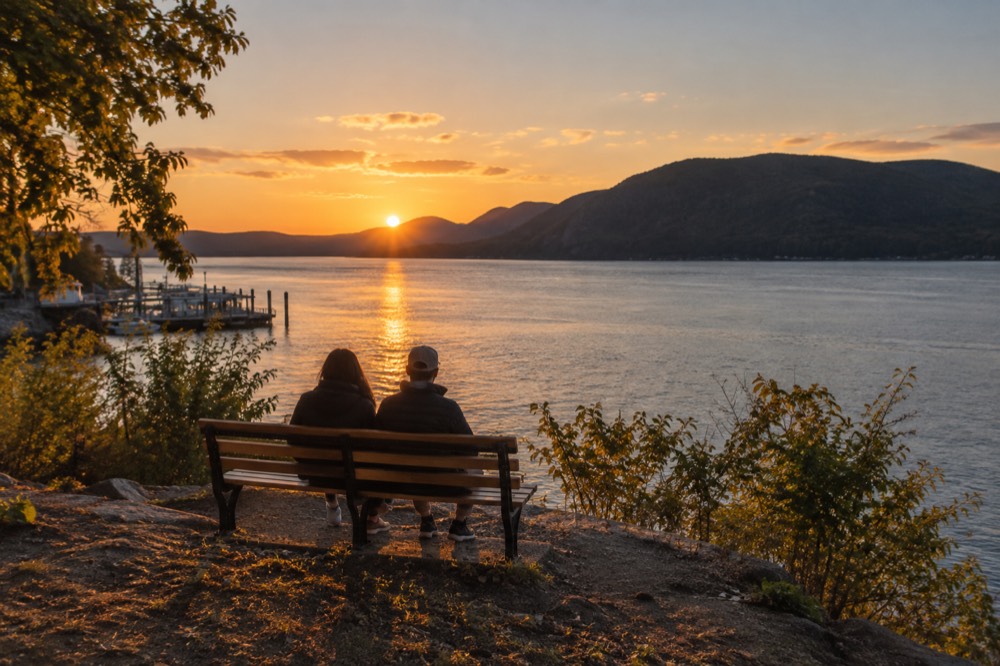
At the foot of Main Street, the waterfront park is where the village meets the river. It is the spot for the Storm King view, and it is where half the train's passengers end up within an hour of arrival, eating whatever they bought uphill. Bring nothing and it still works: the bench-and-rail space is free, the water is wide, and the mountains on the far bank do the entertaining.
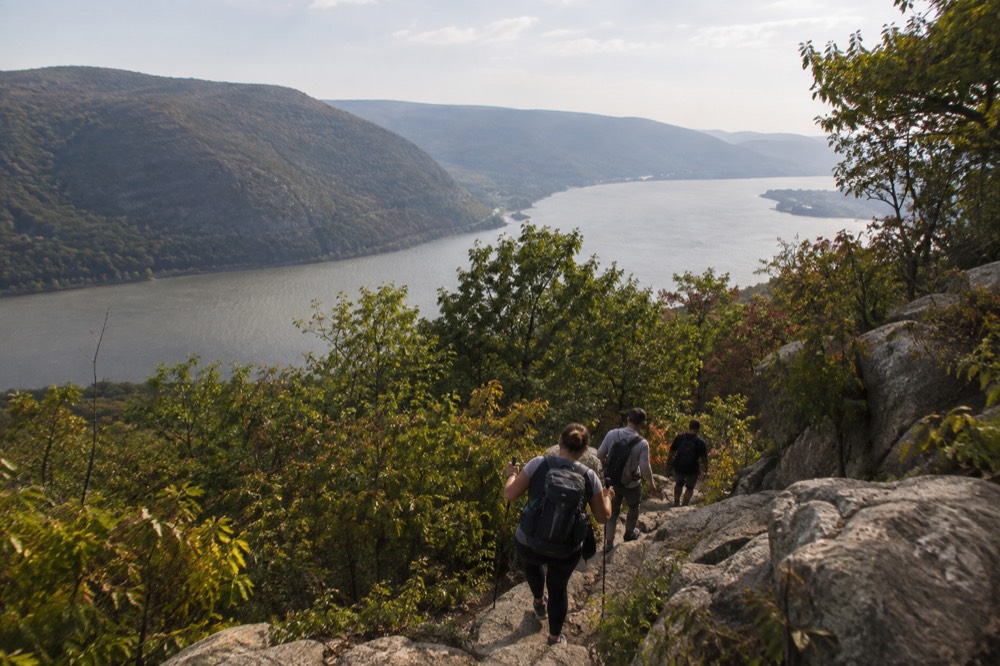
For hikers, this is the serious part of the day. The trailheads for Breakneck Ridge and Bull Hill (also called Bear Hill in some older guides) sit a few miles north of the village along Route 9D, reachable on foot along the road for the determined or by a short cab for everyone else. Breakneck in particular is famous for its rock-scramble ascent and its view over the river bend, and it is a real hike, not a stroll: steep, exposed in places, and demanding of shoes and water. If your plan is Breakneck, plan the whole day around it, because the descent takes as long as you think it will not.
How Long Does the Cold Spring Day Trip Really Take?
A Cold Spring day trip realistically consumes most of a day: plan on a morning train out, four to six hours in and around the village depending on whether you hike, and a late-afternoon or early-evening train back, so the full excursion runs roughly nine to eleven hours door to door. That estimate holds for the shop-and-waterfront version of the day. The hiking version runs longer, because Breakneck or Bull Hill adds hours of ascent, descent and recovery, and because you need to get between the village and the trailhead as well. The trap is the return leg: Hudson Line trains to Cold Spring are not frequent in the late evening, and a missed train can turn a pleasant day into an unplanned wait on a quiet platform.
The arithmetic that decides your day:
| Day type | Time in the village | What it fits | Realistic door-to-door |
|---|---|---|---|
| Browse and waterfront | 3-4 hours | Main Street, lunch, the river park, coffee | Around 8-9 hours |
| Village plus short walk | 4-5 hours | Everything above plus a riverside stroll | Around 9-10 hours |
| Full Breakneck hike | 6-8 hours | Trailhead transit, the ascent and descent, a late meal | 10-12 hours |
Two rules make the day work. First, check the last few return trains before you commit to a long dinner, and have a target train in mind an hour before it. Second, if you are hiking, know your descent time honestly. The ridge does not forgive optimism, and Route 9D in the dark is a different walk than the one you planned.
If reading that table makes you tired rather than excited, the guided route is a legitimate alternative. The Sleepy Hollow and Walkway Over the Hudson coach day handles the schedule, the driving and the interpretation, and it runs roughly seven hours from Manhattan, which is a shorter commitment than a full Breakneck day:
When Is the Best Time of Year to Visit Cold Spring NY?
The best months for Cold Spring are late April through June and September through October, when hiking weather is reliable and the village is at its most attractive, with October the single busiest month because Hudson Valley foliage draws heavy weekend crowds. The trade-off is simple: peak season delivers the best of the place and the most people in it. A weekday in the shoulder months, or a winter visit for the quiet and the bare-ridge views, gives you a slower, easier version of the same village. What to avoid is a peak Saturday in October if you dislike queues, and the middle of a July afternoon if a steep, exposed rock scramble is on your plan.
The climate record for Central Park, the nearest long-run verified data, says something that surprises most visitors: July is the wettest month in the New York area, averaging 4.60 inches of precipitation, ahead of August at 4.56 and June at 4.54. Summer visitors who assume the warm months are the dry ones are planning against the actual record. On the winter side, February averages 10.1 inches of snow against January's 8.8, making February both the snowiest and the driest month by total precipitation. Neither statistic rules out a visit; both should shape what you pack. The rest of the planning pages sit on New York City Travel Guide.
| Season | Village experience | Hiking conditions | Crowd level |
|---|---|---|---|
| Spring (Apr-Jun) | Green, lively, café weather | Excellent before summer heat | Moderate, rising in June |
| Summer (Jul-Aug) | Full and warm | Hot and exposed on the ridge; July is statistically the wettest month | High on weekends |
| Fall (Sep-Oct) | Peak foliage, peak appeal | Ideal | Highest, especially October weekends |
| Winter (Nov-Mar) | Quiet, some closures | Icy on the rock scrambles; check conditions | Low |
Winter deserves a fair word. The village in the cold months is quiet, some seasonal businesses run reduced hours, and the bare trees open up views you cannot get in summer. The trade is short daylight and the possibility of ice on the trails, which turns Breakneck from demanding into inadvisable. A winter Cold Spring trip is a coffee, bookshop and river-view day, and a good one, provided you plan it as that.
What Should You Eat on a Cold Spring Day Trip?
Plan for one real meal and two stops: the village has a compact, walkable eating scene along Main Street and near the water, strong on café breakfasts, casual lunches and a pub-style dinner that fits the last-hours-before-the-train window. Reservations matter on weekends for the sit-down places, and less so on weekdays or in the off-season. The honest strategy is to eat lunch early or late relative to the crowd surge, because every table in a village this size fills when a train arrives. For hikers, the meal planning runs the other way: eat before the trail, carry more water than feels reasonable, and save the big meal for the return to Main Street.
What works by the shape of your day:
| You are... | Eat like this | Timing note |
|---|---|---|
| The browser | Coffee and pastry on arrival, a proper lunch, ice cream by the water | Lunch before noon beats the surge |
| The hiker | Real breakfast, trail snacks and serious water, late meal back in the village | Do not plan lunch mid-hike on Breakneck |
| The family | Early lunch, riverside snack, dinner only if the train schedule allows | Check the last trains before booking a table |
Names change, kitchens close and open, and a guide that prints a restaurant list dates itself the week it publishes. The durable advice is structural: Main Street is short, you can read every menu on it in twenty minutes of walking, and the water is at the bottom, so you can shop, eat and end at the view without retracing steps.
Is Cold Spring Worth It Compared with Other Hudson Valley Day Trips?
Cold Spring earns its place among Hudson Valley day trips when your priority is a car-free combination of village and mountain, but it is the pick for walkers and hikers rather than for visitors who want major sights, and alternatives like Beacon, Sleepy Hollow or a guided coach loop serve different itineraries better. The distinguishing feature is concentration: train, street, water and trail in one small radius, with nothing to book and nothing to drive. Beacon, a few stops further up the same rail line, leans cultural, anchored by a major contemporary art museum. Sleepy Hollow leans historical and seasonal. Cold Spring leans outdoors and unhurried, and it is the only one of the three where a serious mountain hike is the headline.
The comparison in brief:
| Day trip | Best for | Reached by | The catch |
|---|---|---|---|
| Cold Spring | Village stroll, river views, hard hiking | Metro-North Hudson Line | Crowds on peak weekends; trails are demanding |
| Beacon | Contemporary art, galleries, riverfront town | Same Hudson Line, further north | Museum-first day, less of a hike scene |
| Sleepy Hollow | History, folklore, autumn atmosphere | Guided coach or rail with planning | Seasonal best in fall |
| Storm King Art Center | Large-scale outdoor sculpture | Coach or car arrangements | Timed entry; see the Storm King guide |
The wider Hudson Valley day trips guide breaks these down in detail. The short version for choosing: if your ideal day ends with a view from a ridge, Cold Spring. If it ends inside a gallery, Beacon. If you want both history and the valley scenery without handling the logistics, the guided coach route that covers Sleepy Hollow and the Walkway Over the Hudson does the planning for you, with the bonus of walking out over the river on a former rail bridge, one of the longest elevated pedestrian spans in the world.
For context on what the region's guided day trips actually deliver, the Hudson Valley coach tour runs about 7 hours from Manhattan and pairs Sleepy Hollow with the Walkway, a different slice of the valley than Cold Spring but the same river:
What Should You Pack and How Should You Plan the Train Home?
Pack for walking and weather: comfortable shoes regardless of the itinerary, serious hiking shoes plus water and layers if Breakneck is on the plan, and a plan for the return built around a specific Hudson Line train chosen an hour or more before you need it. The train home is the one part of the day that punishes improvisation. Evening service on the Hudson Line to and from Cold Spring thins out, the platform is exposed, and the difference between catching the 6pm and the 8pm train is two hours of standing around a village that has largely closed. Decide your train before dinner, work the meal backward from it, and keep the MTA's own schedule page as the source of truth on the day, because timetables change with the season.
A short packing list by day type:
| Item | Browse day | Hike day | Winter visit |
|---|---|---|---|
| Comfortable walking shoes | Yes | Hiking boots, no exceptions | Waterproof boots |
| Water bottle | Optional | Essential, more than feels needed | Yes |
| Layers | Light jacket | Windproof layer for the exposed ridge | Serious cold-weather kit |
| Cash or cards | Cards fine everywhere | Cards fine | Same |
| Charged phone | Yes | Yes, plus offline map of the trails | Yes, cold drains batteries |
The last practical note is the one that ties the whole day together: Cold Spring rewards an early start more than any other single decision you make. The first trains out of Grand Central deliver you to a village still waking up, with Main Street to yourself and the whole day in front of you. The midday arrivals get the crowds the early risers leave behind. Set the alarm, buy the ticket the night before, and the day tends to arrange itself.
If a village-and-mountain day sounds good but you would rather fold the Hudson Valley into a wider New York trip, the things to do in NYC page is the full inventory, and this guide is one of the day trips from NYC covered in depth.
Cold Spring NY or a Guided Hudson Valley Tour: Which Fits Your Trip?
Choose the independent Cold Spring trip if you want flexibility, a low fixed cost and a hiking or browsing day at your own pace, and choose a guided Hudson Valley coach tour if you want the region interpreted, the transport handled and a full itinerary without any planning on your part. The two are not really competitors. Cold Spring is a do-it-yourself day with a train ticket as the only logistics. A guided tour buys you context, timing and access to places that are awkward by rail, at the price of a fixed schedule and a group pace. Travelers with a short stay and a long wishlist often get more from the guided day; travelers with a free Saturday and good shoes get more from Cold Spring.
Where a tour earns its cost: the coach handles places that sit awkwardly on the rail network, the guide supplies the history a walk on your own will not, and the schedule is pre-solved, which matters if your trip is short. Where Cold Spring wins: it costs a train fare rather than a tour price, you set the pace, and the hike, if you take it, is yours alone.
For a different shape of evening after a day in the valley, the city's own headline experiences are worth having on the radar too. A ticket to the Empire State Building observation deck pairs naturally with a day that started in the mountains: the 86th floor open-air deck plus the companion museum experience, with timed entry you pick when booking.
And if the evening should belong to Broadway instead, MJ the Musical traces Michael Jackson's rise through the songs that defined him, staged in the Theater District with a running time of about two and a half hours including intermission. It is a big, loud, polished night that suits fans of the songbook and anyone who wants serious choreography with their show tunes.
Common Questions About Cold Spring NY
Do you need a car to visit Cold Spring NY?
No. The village is a short walk downhill from the Metro-North station, and everything on Main Street and the waterfront is pedestrian. A car only helps for reaching trailheads like Breakneck Ridge quickly, and even those are reachable on foot along Route 9D or by a short cab ride from the village.
How long is the train from Manhattan to Cold Spring?
It is a direct ride on the Metro-North Hudson Line from Grand Central, but the duration varies by train because some run local and some skip smaller stops. Check the specific departure on the MTA schedule, and confirm that the train you board stops at Cold Spring before you commit.
Is Cold Spring NY good for hiking?
Yes, seriously so. The Hudson Highlands trailheads north of the village include Breakneck Ridge and Bull Hill, both with steep climbs and river views. Breakneck is a rock scramble with real exposure, so treat it as a full hike with boots, water and honest time planning, not a stroll.
What is the best time of year for a Cold Spring day trip?
Late April through June and September through October for the best combination of weather and scenery, with October the busiest because of foliage. Weekdays in any season are quieter. Winter visits work as village and coffee days, though the trails can ice over.
Can you do Cold Spring as a half-day trip?
It is tight but possible if you take an early train out and an early afternoon return, covering Main Street and the waterfront without a hike. Most visitors find a half-day sells the place short, and the train frequency makes the timing fragile, so a full day is the better plan.
Is Cold Spring good in winter?
As a quiet village day, yes: the shops and cafés run through winter, the river views are unchanged, and the crowds are gone. The rock-scramble trails become hazardous with ice, so plan a winter visit around the village rather than the ridge.