Hudson Valley from NYC: The Route, the Stops and How Long It Really Takes
The Hudson Valley begins where the city's sprawl gives up, and you can be standing in it an hour after leaving Manhattan. Here is how to build the day.
Short answer
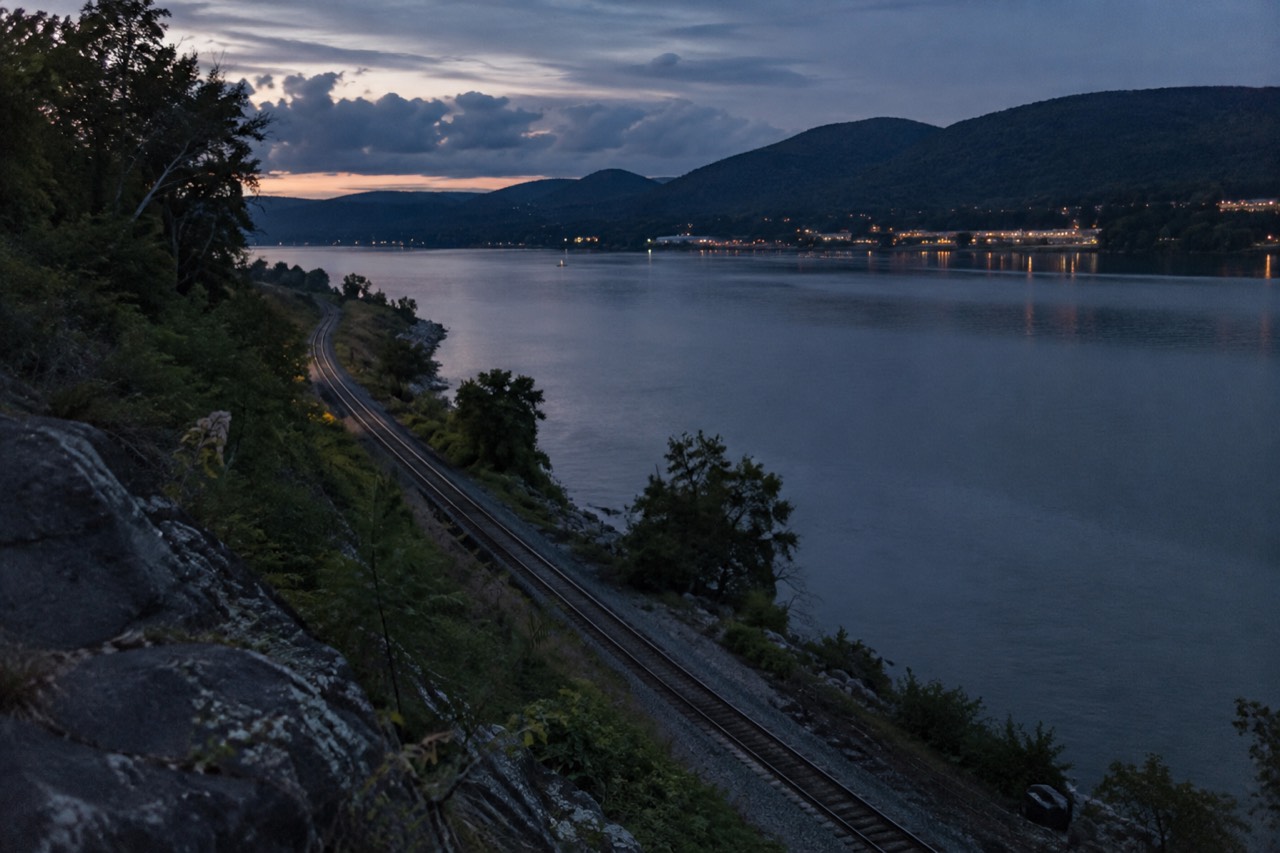
The Hudson Valley starts roughly 50 miles north of Manhattan and is best done as a day trip by Metro-North along the river, by car along Route 9 or the Palisades Parkway, or on a guided coach tour. Cold Spring, Beacon, Sleepy Hollow and Storm King are the stops that fit one day.
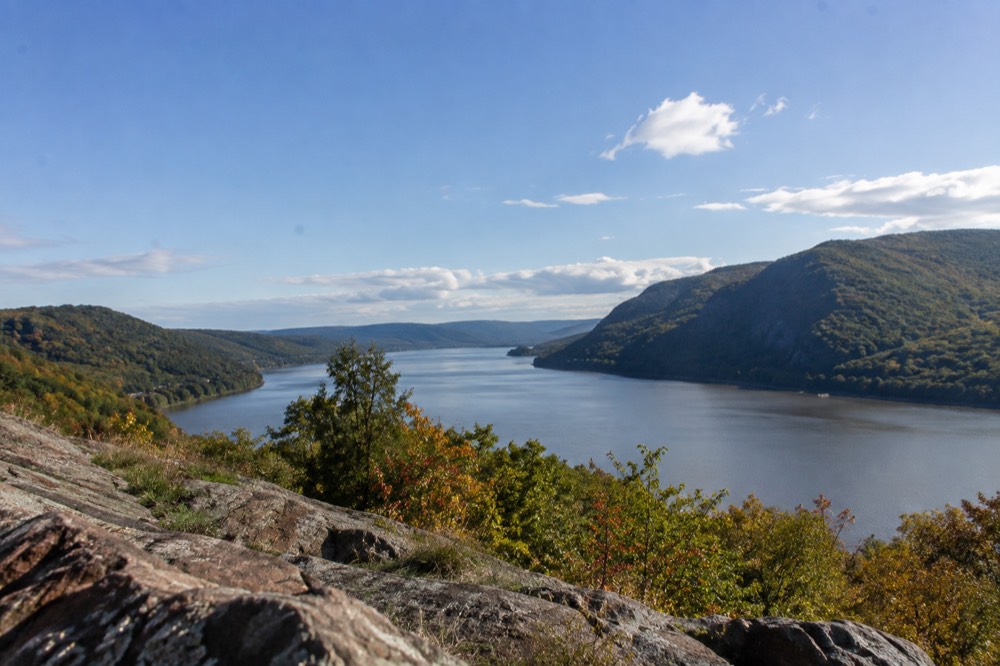
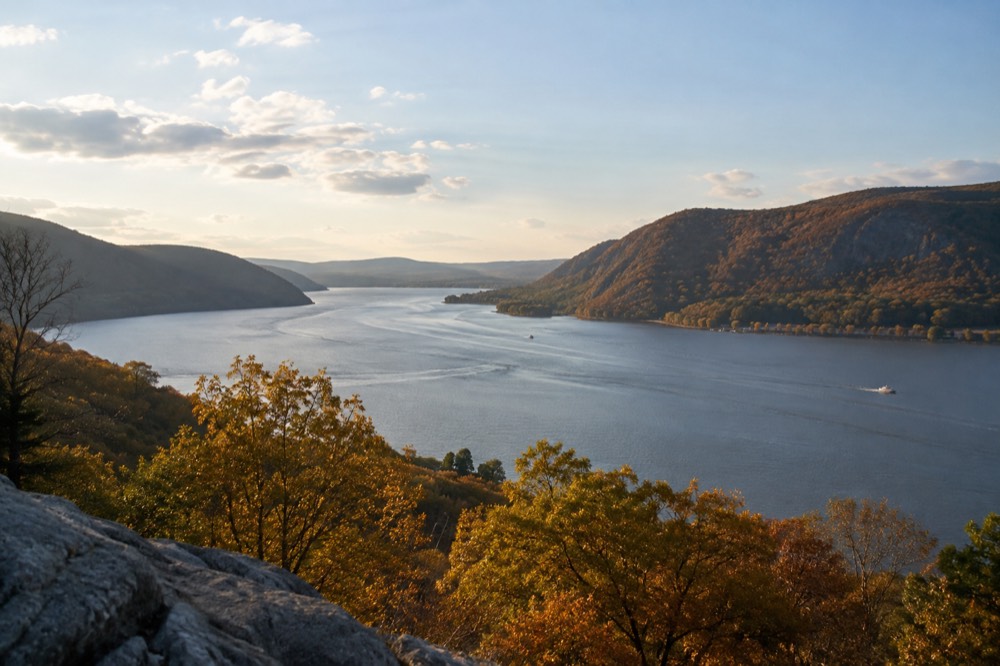
The Hudson River changes character about fifty miles north of Midtown. The banks turn steep and wooded, the towns shrink to a main street and a station, and the skyline is suddenly made of hills instead of towers. That shift is the whole appeal of the Hudson Valley as a day trip from NYC: the contrast costs you almost nothing in travel time but delivers an entirely different landscape.
This guide covers the practical build of the day, which stops fit together, whether the train, a rental car or a guided coach makes sense, and what the trip actually costs. It draws on the site's New York City Travel Guide research and verified fare and climate data, and it links out to the deeper pages on individual stops where we have them. If you are still assembling the bigger picture of what the city and its surroundings offer, start with the things to do in NYC hub and work outward.
How Far Is the Hudson Valley from NYC?
The Hudson Valley begins roughly 50 miles north of Manhattan, and the closest popular stops sit within a one-to-two-hour travel window each way depending on whether you take the train or drive. The valley itself runs north from the edge of the city all the way toward Albany, so it is really a corridor of separate day trips, not one destination.
For a single day out of New York City, pick one town or one park, not the whole region.
Distances matter less than the shape of the corridor. The river runs basically north-south, the rail line and the parkways hug it, and the worthwhile stops string along it in a line. That linearity is what makes planning easy and what ruins overambitious itineraries: every stop you add costs a leg of travel along the same axis, and there is no shortcut across the river except the handful of bridges.
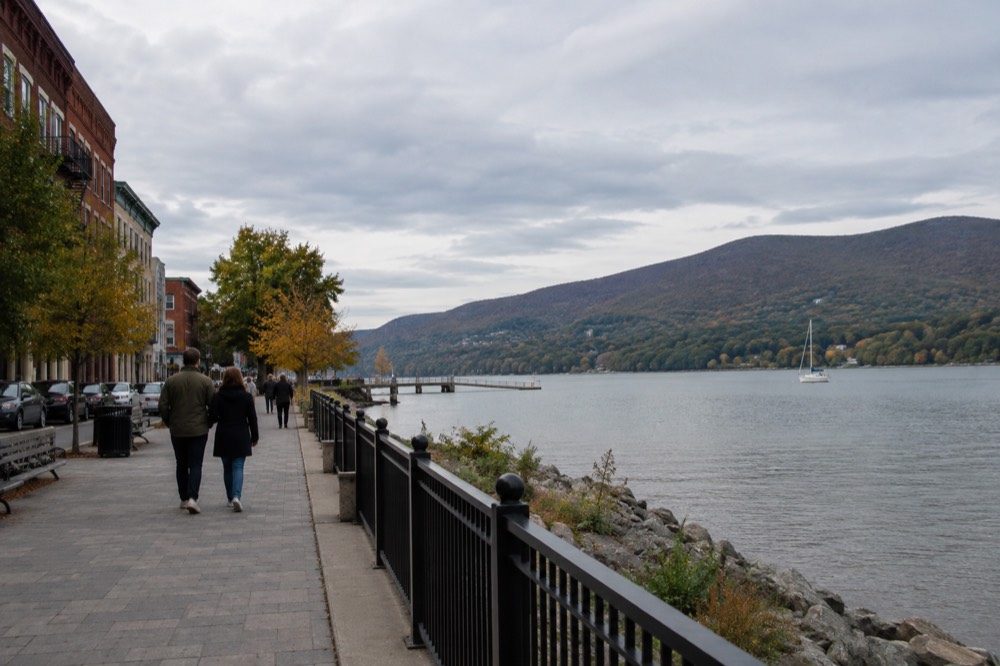
A realistic day gives you either one anchor stop with a town attached, or two stops within a short drive of each other. Cold Spring plus Storm King works. Beacon plus Cold Spring works, because they sit across the river from each other near the Newburgh-Beacon Bridge. Sleepy Hollow plus the Walkway Over the Hudson works as a guided loop. Sleepy Hollow plus Storm King, on public transport in one day, does not.
The anchor stops, roughly south to north, with their characters:
| Stop | Character | Best for | Fits one day from NYC? |
|---|---|---|---|
| Sleepy Hollow | Historic village, Headless Horseman lore | Autumn atmosphere, cemetery walk | Yes, with a tour or early start |
| Cold Spring | Antique-shop village on the river | Easiest train day trip, no car needed | Yes |
| Beacon | Small city, contemporary art museum | galleries, Main Street, hiking | Yes |
| Walkway Over the Hudson | Elevated pedestrian bridge over the river | The signature view of the valley | Yes, paired with Sleepy Hollow |
| Storm King Art Center | Large outdoor sculpture park | Land art, photography, a half day alone | Yes, with a car or tour |
| West Point | Military academy, riverside setting | History, the bus tour of the grounds | Yes, by car |
If you want to compare this trip against other escapes from the city, the full day trips from NYC guide ranks the options by travel time and cost.
What Are the Best Hudson Valley Day Trip Stops from NYC?
Cold Spring is the best no-car stop, a walkable antique village a short walk from its Metro-North station. Beacon is the best art stop, pairing a major contemporary museum with a genuinely good Main Street. Sleepy Hollow and the Walkway Over the Hudson make the best combined loop, and Storm King Art Center is the best single-purpose stop for anyone who cares about sculpture or landscape photography. Choose one anchor, not several.
The honest framing is that each of these stops is a different trip. Cold Spring and Beacon are the low-effort versions: you board a train at Grand Central, ride up the east or west bank of the river, and step off into the middle of town. No parking, no navigation, no car rental. Sleepy Hollow, the Walkway and Storm King sit where public transport gets thin, and that is exactly why the guided coach tours exist.
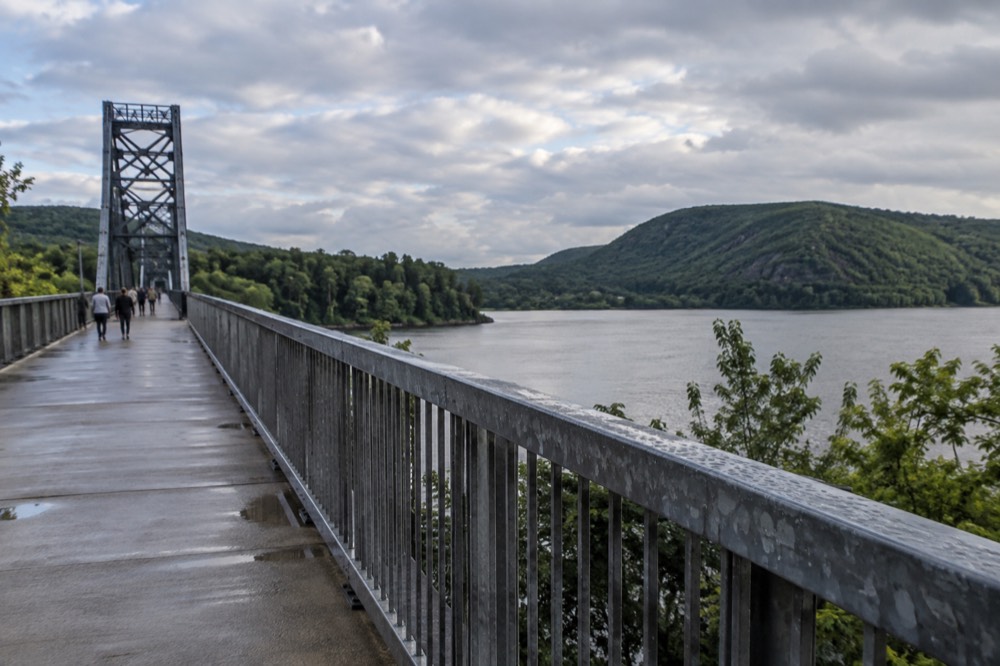
The Walkway Over the Hudson deserves its place on the list on its own merits: it is one of the longest elevated pedestrian bridges in the world, running high above the river between Poughkeepsie and Highland. Standing in the middle of it, you get the valley's defining image, water and ridge in both directions, from a vantage nothing on the shore can match.
For travelers who prefer to let someone else handle the driving, these are the day trips out of Manhattan that the site covers:
The two Washington options in that set are longer days than the Hudson Valley loop, with roughly 11 to 15 hours door to door, so they suit visitors with a long stay rather than a single free day. The shopping tour is a different animal entirely: a coach run to the Woodbury Common outlets, which you can read about in detail on the Woodbury Common Premium Outlets page.
Should You Drive, Take the Train, or Book a Hudson Valley Tour from NYC?
Take the train to Cold Spring or Beacon, drive to Storm King or anywhere you want to pair with the Walkway, and book a guided tour if you want Sleepy Hollow and the Walkway in one day without renting a car. The train wins on simplicity and drops you inside the towns, and the coach tour wins on cramming two anchor stops into one organized block. There is no single right answer.
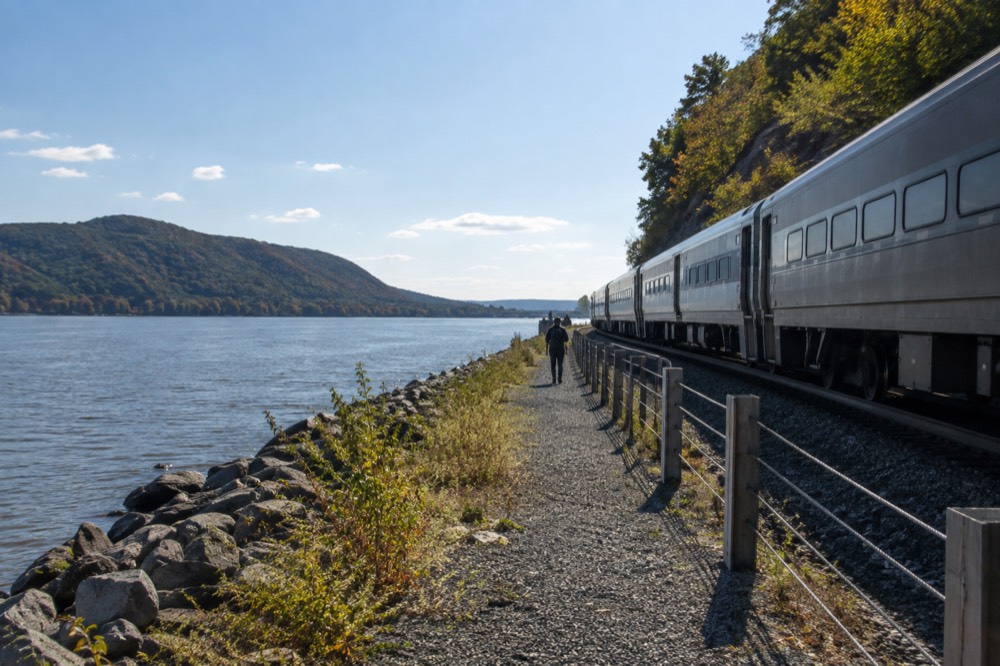
The train logic is simple. Metro-North's Hudson Line runs out of Grand Central up the east bank of the river, and it is one of the most scenic commuter rail rides in the country, with the water in view for much of the way. Cold Spring's station sits at the foot of Main Street. Beacon's sits a short walk or shuttle from the museum. You buy a ticket, you ride, you arrive inside the destination. The fare is a rail fare, higher than the subway and priced separately, so do not expect your OMNY card to cover it.
One thing worth knowing before you plan any New York transport, city or regional: the old advice about buying a 7-day unlimited MetroCard for the subway legs of your trip no longer works. As of 1 January 2026 the MTA no longer sells or refills MetroCards at all, and the weekly value now comes from automatic OMNY fare capping at $35, applied with no pass to buy. The MTA explains the retirement on its own fares page. That matters for the subway rides to Grand Central on either end of your valley day, not for the train itself.
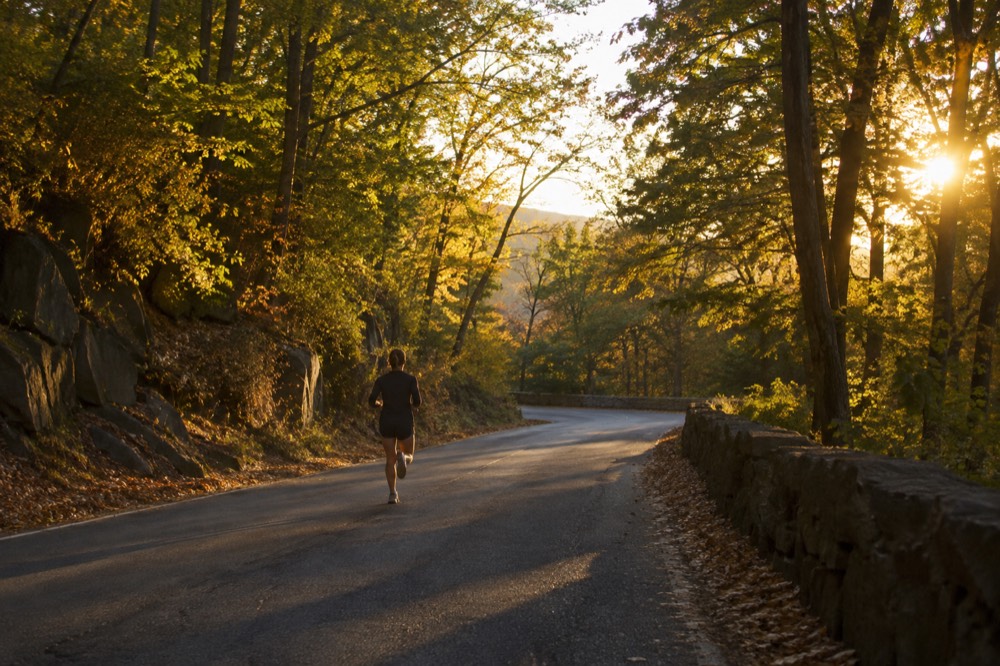
The car logic is equally simple but in the opposite direction. Storm King, West Point and the pairing of Sleepy Hollow with stops further north are all awkward or impossible on public transport in a single day. A rental car gives you the reach, and car hire is a day-trip-only tool on this site: within the city itself the subway is always the honest answer. The tradeoffs are parking, tolls and the fact that you cannot look at the river while you drive beside it.
The tour logic covers the middle case. The guided option below leaves from Manhattan and strings the legend-heavy village of Sleepy Hollow together with the Walkway Over the Hudson in one seven-hour loop, with a coach doing the parts of the route the train does not serve:
It suits families and folklore fans especially well, and autumn is its strongest season, when the village leans into its Headless Horseman identity. The listing shows departure details and current pricing.
Cold Spring and Beacon: The Easiest Hudson Valley Day Trips by Train
Cold Spring and Beacon are the two Hudson Valley stops you can do entirely on foot after stepping off the train, which makes them the lowest-friction day trips from Manhattan. Cold Spring is a preserved antique-village main street with river views at the end of it. Beacon is a larger small city with a major contemporary art museum as its anchor. Both sit about an hour to an hour and a half from Grand Central by rail.
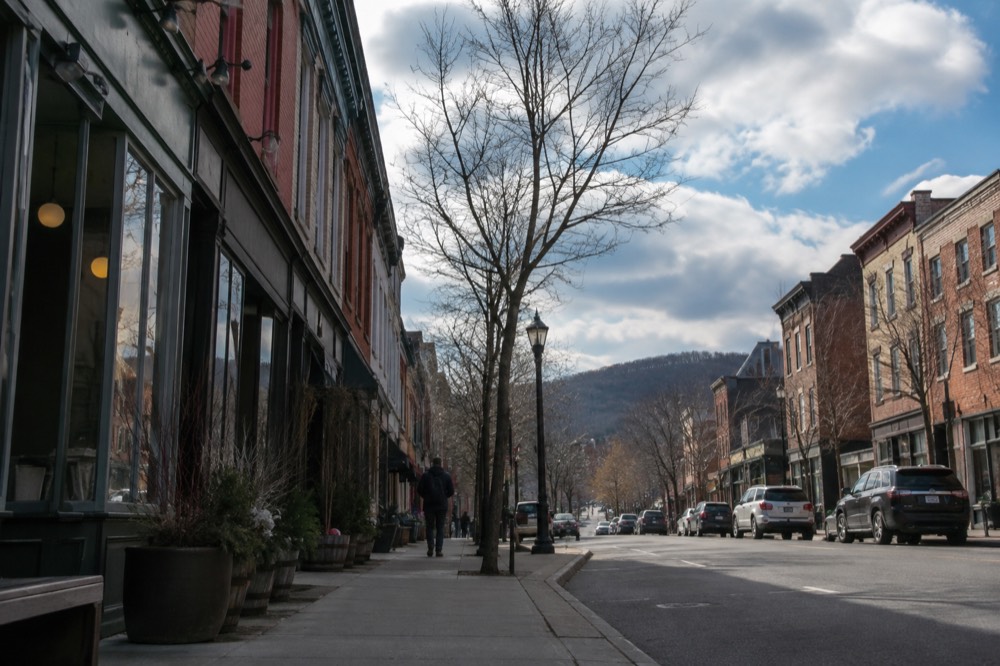
Cold Spring is the one to pick when the goal is simply to be somewhere that is not New York. Main Street runs downhill from the station to the river, lined with antique shops, bookstores and places to eat, and the setting is the Hudson Highlands rising straight up across the water. There is a hike up Breakneck Ridge nearby for the energetic, but the town itself rewards slow wandering more than it rewards a checklist.
Beacon's appeal is concentrated around its art institutions. You arrive, walk or shuttle to the museum, spend the middle of the day there, then give the remaining hours to Main Street, which has genuinely good restaurants rather than pure tourist retail. It is the stop for visitors who want culture rather than charm, and it pairs badly with Cold Spring on the same day despite the proximity, because two full stops is one too many for a relaxed pace.
The practical difference between them, for planning:
| Cold Spring | Beacon | |
|---|---|---|
| Getting there | Metro-North Hudson Line, station in the village | Metro-North Hudson Line, station on the edge of town |
| Anchor | Main Street, antiques, riverfront | Contemporary art museum, galleries |
| Walking from the station | Everything within a few blocks | Museum needs a shuttle or a longer walk; Main Street walkable |
| Best for | A slow, charming day | A cultural day with better food |
| Time needed | Half a day plus travel | Most of a day plus travel |
The site has a deeper page on Cold Spring, NY if this is the direction you are leaning.
Sleepy Hollow and the Lower Valley: The Folklore Loop
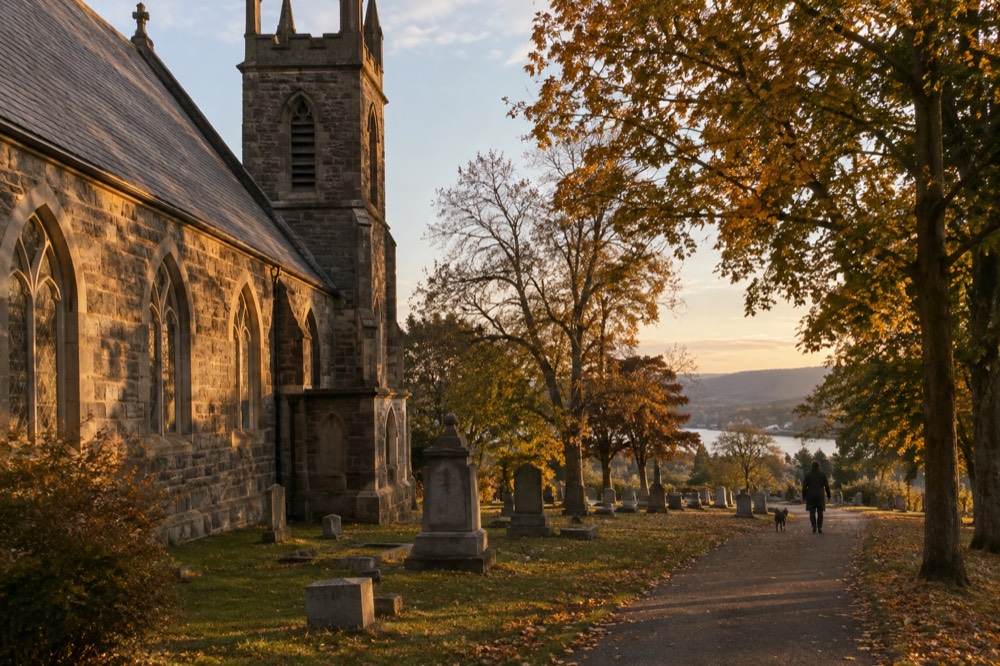
Sleepy Hollow is the Hudson Valley stop with a story attached, the village Washington Irving made famous, and its draw is atmosphere: a historic cemetery, old churchyards and a landscape that still looks like the setting of a ghost story. It sits close enough to Manhattan to be the first proper valley stop, and it combines naturally with the Walkway Over the Hudson on a guided loop, since the two are awkward to link by public transport in one day.
The honest advice is to go in autumn if you can. The village's Headless Horseman identity is not incidental, it is the product, and October is when the lantern-lit cemetery tours and seasonal events run at full intensity. The rest of the year it is a quiet historic village with a famous cemetery, which is still worth a couple of hours but reads differently.
Because the folklore stops and the Walkway sit in the part of the valley where train coverage thins out, the guided tour is the efficient way to do both:
The tour's own listing carries the departure point, the full stop list and current pricing, and it books with free cancellation, so you can lock a date while your plans are still loose. For travelers who would rather self-drive, the village is a short hop from the major routes north, and parking is far easier than anything you would attempt in Manhattan.
When Is the Best Time of Year for a Hudson Valley Day Trip?
October is the best month for a Hudson Valley day trip, because fall foliage peaks in the valley through mid-to-late October and the region's landscape stops, the ridges and the river, are at their most photogenic then. Late spring through early summer is the second-best window, with everything green and the riverside towns at their liveliest. Winter trips work for the folklore stops but not for the outdoor ones.
The climate data for the region backs up the seasonality with a couple of surprises. Drawing on the official NOAA 1991-2020 normals for Central Park, the nearest long-run station: July is actually the wettest month of the year in New York, averaging 4.60 inches of precipitation, ahead of August and June. And February out-snows January, averaging 10.1 inches of snow against January's 8.8, while also being the driest month overall. The assumption that summer is dry and January is the snow month gets both wrong.
| Season | What the valley gives you | Watch out for |
|---|---|---|
| Spring (April-May) | Green hills, quiet towns, mild hiking | Unpredictable rain, muddy trails |
| Summer (June-August) | Long days, riverside dining, full opening hours | July is the wettest month; weekend crowds |
| Fall (September-October) | Peak foliage mid-to-late October, harvest events, the Sleepy Hollow season | The busiest trails and book-up at tours |
| Winter (November-March) | Snow-dusted scenery, quiet museums, folklore atmosphere | February is the snowiest month; outdoor stops limited |
How Much Does a Hudson Valley Day Trip from NYC Really Cost?
A budget train day trip to Cold Spring or Beacon can be done on a two-figure spend beyond the rail fare, mostly food and coffee, since the towns themselves are free to walk. A car day adds rental, fuel, tolls and parking. A guided tour runs from around $135 per person for the full Sleepy Hollow and Walkway loop, bundling the coach, the guide and the timings into one price.
The comparison worth making is not tour versus nothing, it is tour versus the DIY equivalent. A guided loop that reaches stops public transport serves badly has a real value in the driving it removes. A tour to a town the train reaches directly is harder to justify.
| Trip style | What you pay for | Rough per-person shape | Hidden costs |
|---|---|---|---|
| Train to Cold Spring or Beacon | Rail fare, meals, optional museum entry | Low: fare plus food | Nothing significant; weekend schedules run thinner |
| Rental car day | Rental, fuel, tolls, parking | Moderate, sharable across a group | Toll crossings of the river, museum parking |
| Guided Hudson Valley coach tour | Transport, guide, planned stops | From about $135, tour-dependent | Meals, which are usually your own |
| Helicopter alternative | None: this is a ground destination | Not applicable | N/A |
Note that the table deliberately omits a DIY price for the Sleepy Hollow and Walkway pairing, because doing it without a car is the very thing that makes the guided version worthwhile. The tour listing shows the current price and inclusions, and the numbers above for the guided option reflect the site's verified roster figures.
Which Hudson Valley Day Trip Should You Actually Pick?
Pick Cold Spring if you want the simplest escape and no logistics. Pick Beacon if art is the point. Pick Sleepy Hollow and the Walkway, ideally on a guided loop, if you want the trip that most feels like the Hudson Valley, with the folklore, the bridge and the big river views. Pick Storm King if you are driving and landscape-scale sculpture justifies the day on its own. Resist the urge to stack them.
The failure mode of a first Hudson Valley trip is trying to see the corridor. The region rewards depth: one town walked properly, one viewpoint earned, one long lunch. The tourists who cram three stops spend their day in the car and remember none of it.
And if the answer to "which one" is actually "none of them, I want a bigger day," the long-haul coach tours cover that case:
The DC and Philadelphia pairing is the most ambitious single-day tour out of Manhattan that this site covers, a full two-city itinerary for visitors who want a second American city without the planning. For a shorter, shopping-first alternative, the Woodbury Common outlets trip is the lighter day of the set.
If your travel dates are loose, the guided Sleepy Hollow loop below is the one Hudson Valley day trip that a visitor cannot easily reproduce alone:
That one, the two-city epic, suits a different traveler entirely: someone with a long stay, a tolerance for a very long day on a coach, and a genuine wish to see the nation's capital. It is 15 hours door to door, so treat it as a deliberate choice rather than a default.
Common Questions About Hudson Valley Day Trips from NYC
The questions below are the ones visitors ask most often about the trip, and the short answers are: the train is easiest, October is best, one anchor stop per day is the right number, and the guided tour earns its price exactly where public transport fails. Each answer below is the honest, sourced version, not the version that sells a product.
Can you do the Hudson Valley as a day trip from NYC?
Yes. The southern and central Hudson Valley sits within a one-to-two-hour travel window of Manhattan, and Cold Spring and Beacon are reachable by rail with the station inside or beside the town. Stops further north, or pairings like Sleepy Hollow with the Walkway Over the Hudson, work best by car or on a guided coach tour.
What is the easiest Hudson Valley town to visit without a car?
Cold Spring. Its Metro-North station sits at the top of Main Street, and everything worth seeing, the shops, the eateries, the riverfront, is within a short walk of the platform. Beacon is the runner-up, with a walkable Main Street and a shuttle or longer walk to its museum.
Is the Hudson Valley worth visiting in fall?
Autumn is the valley's strongest season. Foliage peaks through mid-to-late October, the harvest and Halloween events run at full intensity, and Sleepy Hollow in particular builds its calendar around the season. Book tours and tables early, because October weekends are the busiest of the year.
How many Hudson Valley stops can I fit in one day?
One anchor stop, or two that sit close together such as Beacon and Cold Spring on opposite banks near the same bridge. Anything more turns the day into driving. The guided tours exist precisely because pairing stops like Sleepy Hollow and the Walkway Over the Hudson in one day is hard to do yourself without a car.
Is it better to take the train or drive to the Hudson Valley?
Take the train if your destination is Cold Spring or Beacon, because the rail line delivers you into the town and the ride up the river is scenic in itself. Drive if your destination is Storm King, West Point or any pairing that public transport serves badly. Book a coach tour if you want the multi-stop loop without doing the driving.
What does a Hudson Valley day trip cost?
The train-and-town version costs your rail fare plus food, since the towns themselves are free to walk. A rental-car day adds rental, fuel, tolls and parking, which a group can share. The guided Sleepy Hollow and Walkway Over the Hudson loop runs from about $135 per person, which covers the coach and the guide. Current prices for every option sit on the live listings.