The Best Speakeasies in NYC: Where to Drink Behind Hidden Doors
New York never really gave up its hidden bars. The best speakeasies in NYC are still behind phone booths, down unmarked staircases, and past fake storefronts, and the ones worth visiting reward planning more than luck.
Short answer
The best speakeasies in NYC are the ones that still hide: unmarked doors in the East Village and Lower East Side, hotel-bar hideaways in Midtown, and a handful of Brooklyn back rooms. Expect craft cocktails at premium prices, small rooms, and house rules on entry. Reserve ahead where the bar allows it, arrive early on weekends, and treat the secrecy as part of the product rather than an obstacle.
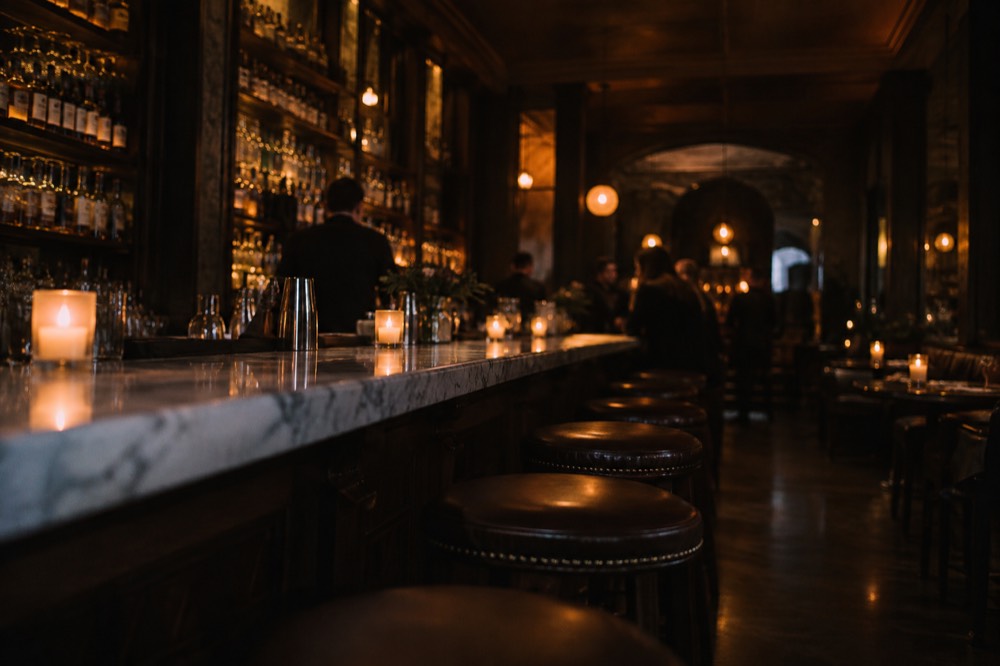
Prohibition ended long ago, but New York kept the architecture. The city that ran an estimated tens of thousands of illegal drinking dens during the dry years never lost its taste for a bar you have to find before you can enter, and today's version is a deliberate revival: craft cocktail programs, low ceilings, no sign on the street, and a door that does not announce itself. The scene is genuinely good, and genuinely fussy. Some rooms take reservations, some take walk-ins only, and a few will not seat your group of six no matter how nicely you ask.
This guide covers the bars worth the effort, how entry actually works, what a night costs, and how to route an evening so you are not standing on a sidewalk at 11pm with nowhere to go. For the broader nightlife picture, see things to do in NYC at night, and for the full sightseeing picture, start with things to do in NYC.
What Makes a Bar a Speakeasy in New York?
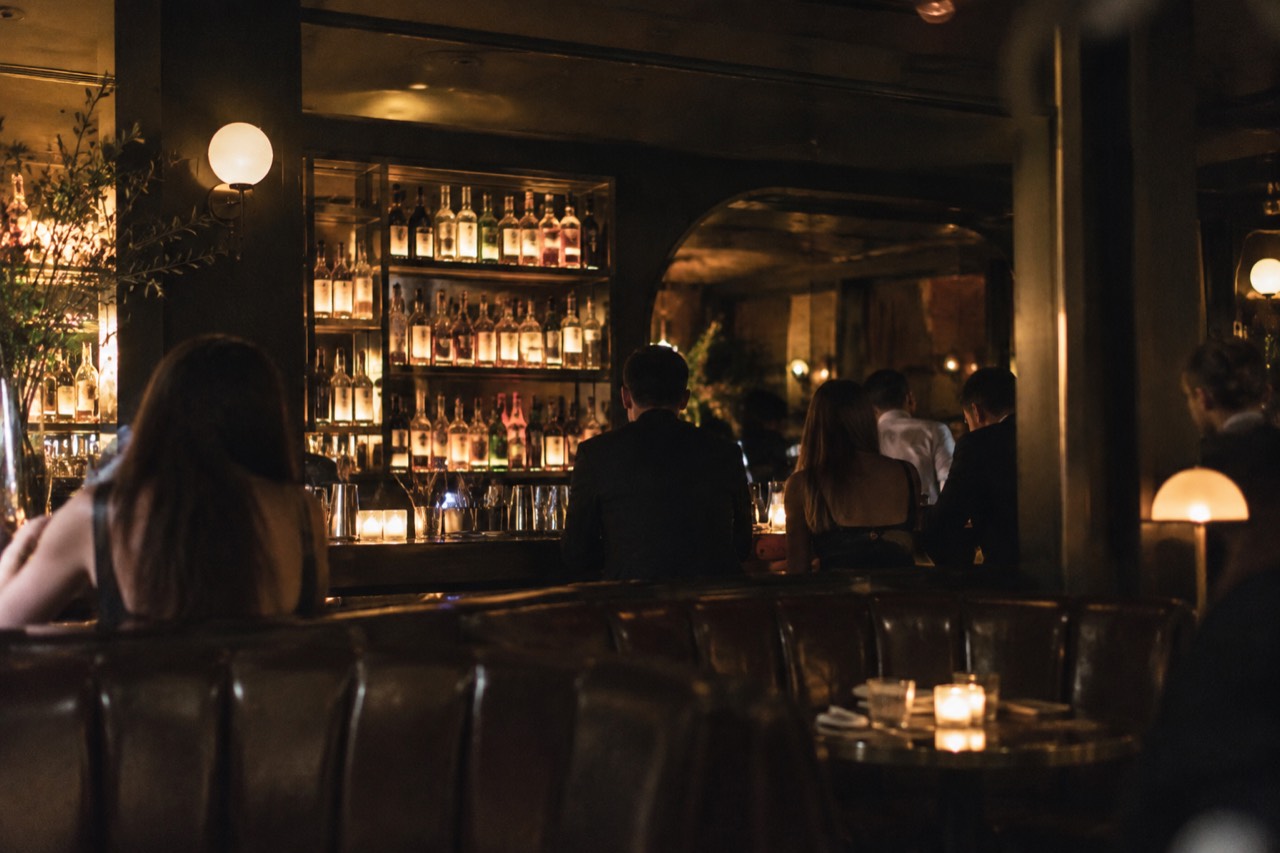
A true New York speakeasy hides its entrance, limits its capacity, and lets the drinks do the talking. The formula is consistent across the city: no visible signage, a disguised or unmarked door, a small dark room, and a cocktail menu built by bartenders who treat the drink as the product. The name borrows from the Prohibition-era illegal bars, but the modern versions are fully licensed, fully legal, and often fully booked.
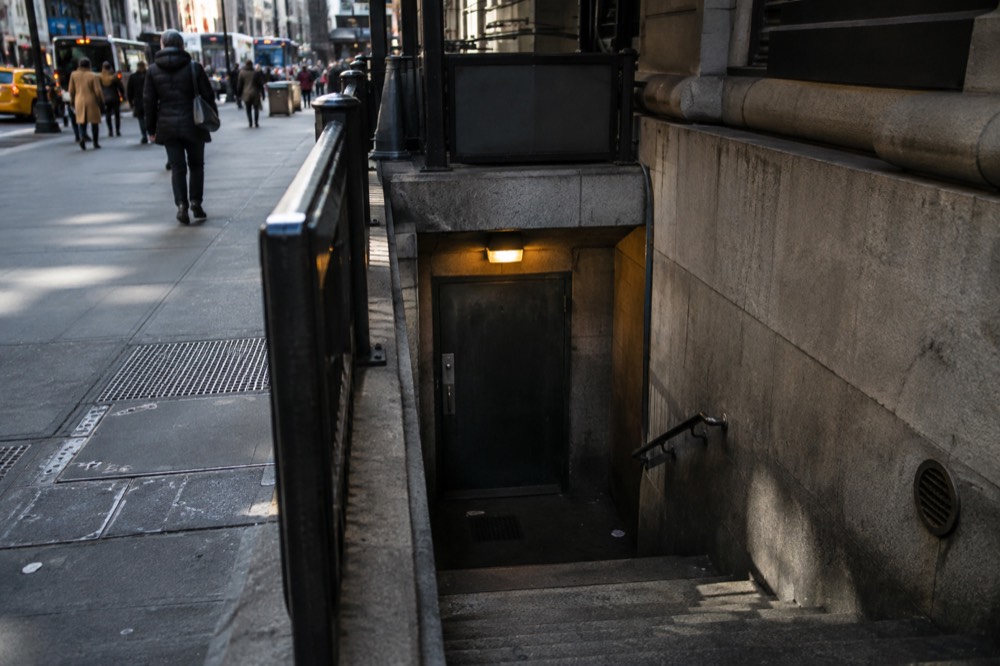
The disguise takes different forms. Some bars sit behind a working storefront: you enter a shop, or a phone booth, or a hot dog joint, and the bar is behind it. Others are simply unmarked doors on a residential-looking block, a staircase down, or a doorbell with no label. A few are hidden inside otherwise ordinary bars or hotels, which is the easiest version to find because the front building is on the map.
What separates a good one from a themed one is the bar program. The best of these rooms were central to the craft cocktail revival that spread from New York to the rest of the world, and the menus still reflect it: house-made syrups, rare spirits, ice cut to spec, and drinks you cannot order by shouting a brand name. A speakeasy that is only dark and hard to find is a novelty. One that pours a better drink than the bright bar on the corner has earned the secrecy.
Capacity is the real constraint. These rooms are small by design, often a few dozen seats, and that is the point: intimacy is the product. It also means the practical advice in the sections below matters more than the list of names does.
The Best Speakeasies in NYC, and Where to Find Them
The strongest speakeasies in NYC cluster downtown: the East Village and the Lower East Side hold the densest concentration of hidden rooms, with more in the West Village, Chelsea, and a handful in Brooklyn. The names below are the established ones, the bars locals still recommend to visitors, and each has a distinct personality. None of them advertises on the street, so the address is something you look up before you leave your hotel, not something you find by wandering.
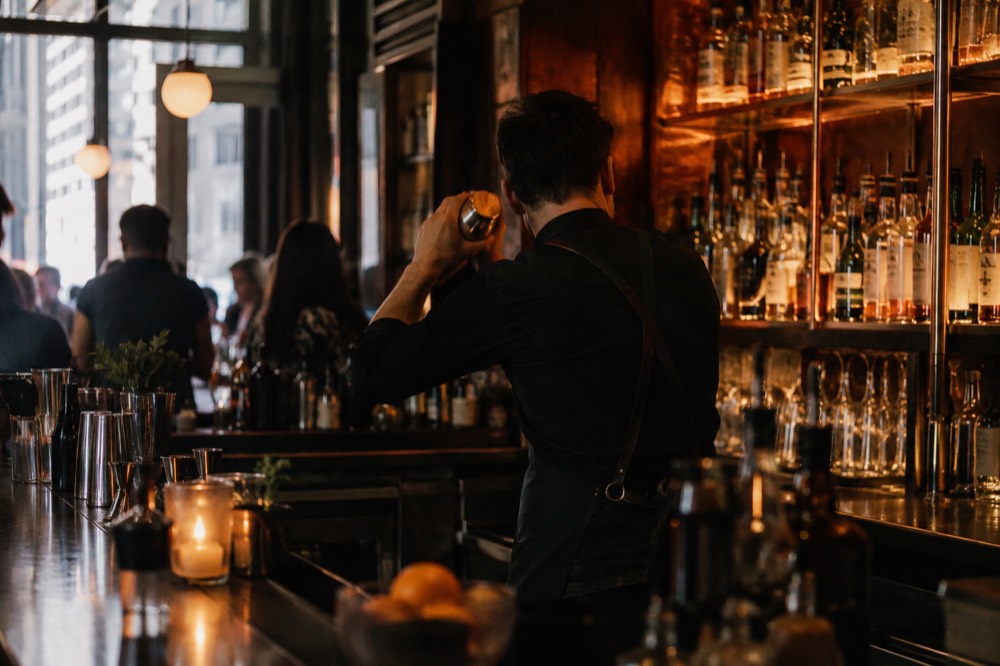
The downtown core is where the modern speakeasy revival took hold, and it is still the best hunting ground. The East Village alone holds several of the most famous rooms in the world, including the bar entered through a phone booth inside a hot dog shop and the tiny Japanese-influenced room that helped define the category. The Lower East Side adds its own set, including a back room with a genuinely Prohibition-era pedigree and a ramp of a bar on a block that looks like nothing at all.
The West Village holds the more romantic end of the scene: leather banquettes, candlelight, and bars that feel like someone's very well-stocked living room. Chelsea and the Flatiron district contribute the parlor-style rooms, dim, plush, and built for long conversations. Brooklyn's contribution is real but smaller, concentrated in brownstone neighborhoods like Cobble Hill and Carroll Gardens, where the rooms are roomier and the queues shorter.
| Bar | Neighborhood | The Hook | Getting In |
|---|---|---|---|
| Please Don't Tell (PDT) | East Village | Entered through a phone booth inside a hot dog shop | Reservations by phone; walk-ins at the bar |
| Attaboy | Lower East Side | No menu; bartenders build the drink after asking what you like | Walk-in only, small room, go early |
| Death & Co | East Village | The craft-cocktail landmark with a deep spirits list | Reservations accepted; walk-ins when possible |
| Employees Only | West Village | The classic revival bar, kitchen open late | Walk-in, expect a wait after 9pm |
| Raines Law Room | Chelsea / Flatiron | Parlor seating, pull-the-bell service | Reservations recommended |
| Little Branch | West Village | Subterranean, jazz on the stereo, serious drinks | Walk-in only, tiny |
| The Back Room | Lower East Side | Prohibition-era back room, drinks served in teacups | Walk-in most nights |
| Clover Club | Cobble Hill, Brooklyn | Bigger room, polished cocktails, food menu | Reservations recommended |
Two cautions on this list. First, scenes change: rooms close, move, or change their entry system, so check each bar's current website or social feed the week you travel. Second, the East Village rooms sit within a few blocks of each other, which makes a one-neighborhood crawl the smart play rather than a cross-city trek. The East Village and Lower East Side guides cover what to do in those neighborhoods before the drinking starts.
How to Actually Get Into a Speakeasy in NYC
Most speakeasies in NYC use one of three entry systems: advance reservations by phone or online, walk-in with a wait, or a door with a specific ritual attached. Reservations go to the organized, walk-ins go to the early, and the ritual doors reward travelers who read the bar's instructions before arriving. The universal rules: go before 9pm on weekends, keep your group small, and never expect the bar to bend its house rules for a party of eight.
Reservations are the easiest path and the one most visitors skip. Several of the best rooms take bookings, some by online form, some famously by telephone, and a reservation converts an uncertain night into a certain one. Book the week you arrive, not the month before, since many rooms hold seats back for same-day callers. If the bar you want takes reservations and you are going on a Friday or Saturday, use the system.
Walk-in rooms work on arrival time. A room with twenty seats that fills at 9pm is empty at 6:30pm, and the difference between a 30-minute wait and no wait is often forty-five minutes of timing. Treat an early dinner nearby as part of the plan rather than a compromise: the East Village and Lower East Side rooms sit inside some of the best eating neighborhoods in the city.
The ritual doors are the ones people tell stories about. Enter the shop, pick up the phone, walk through the closet, ring the bell: whatever the bar's published instruction is, follow it exactly. The staff are not performing secrecy to be difficult, they are managing a small room's capacity, and the travelers who arrive having read the instructions get treated as adults who did the reading.
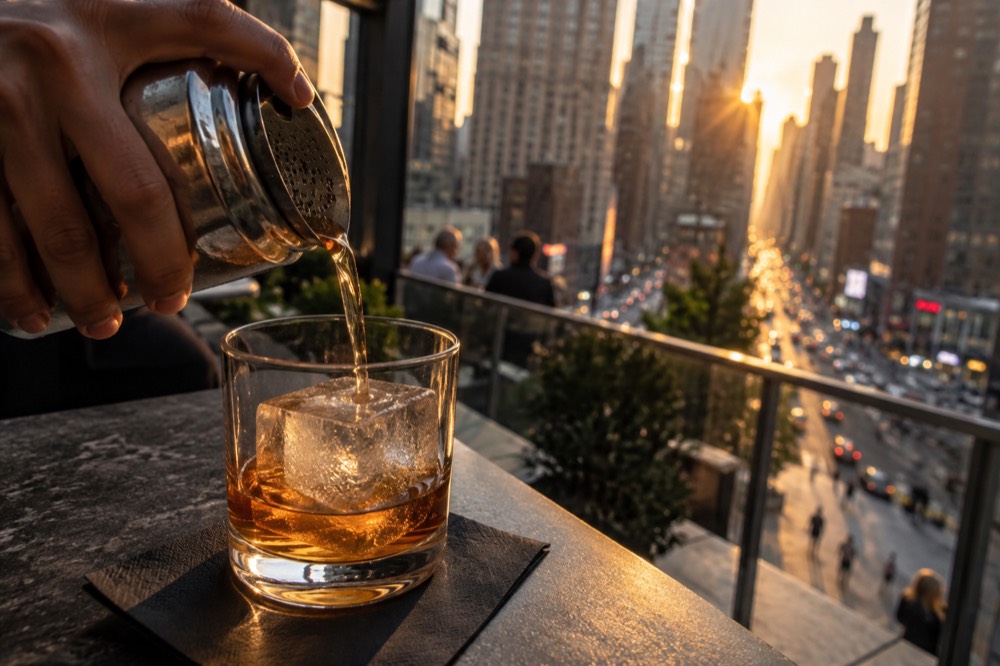
One more thing that helps: build the sightseeing day so the evening is free. A pass that bundles the big daytime attractions, including the observation decks, lets you finish the tourist half of the day by late afternoon and reach your first bar rested rather than wrecked.
If you are pairing the day with a view before the drinks, SUMMIT One Vanderbilt tickets put you above Midtown in the late afternoon light, and the venue sits a short subway ride from the downtown bar blocks. Book a timed slot, see the city fold beneath the mirrored rooms, and be at your first hidden door by eight.
What Cocktails Cost at a New York Speakeasy
Expect premium cocktail pricing: plan on roughly $20-$30 per drink at the established speakeasies, with some rare-spirit pours well above that, and check each bar's current menu because prices move. Add a tip on top, budget two drinks per person for a normal visit, and treat a four-person night at two bars as a three-figure evening. The drinks are expensive because the labor behind them is real, but the math deserves doing before you sit down.
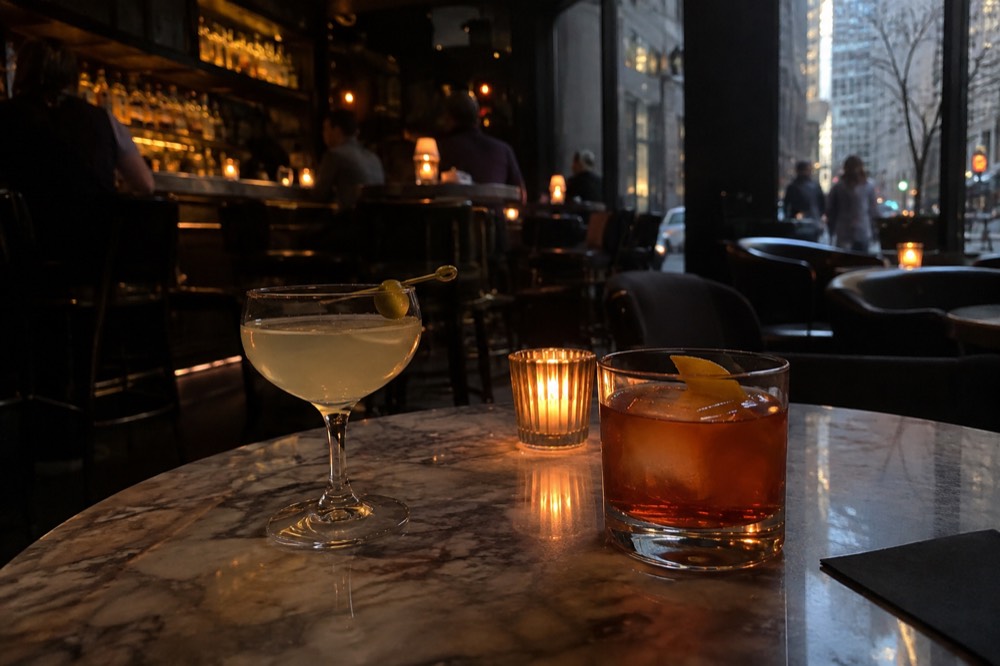
The price reflects the program. A bartender making syrups, cutting ice, and measuring every pour is doing more work than a bar backing a beer fridge, and the good speakeasies charge accordingly. What you get for the money is a drink built to a spec, often a menu you cannot replicate at home, and the room itself, which is part of what the price buys.
The honest budgeting advice is to count drinks, not dollars. Two cocktails per person is a normal visit, three is a long one, and a couple doing two rooms at two drinks each is looking at a serious but predictable spend. Groups should decide the budget before the first round, because the "one more?" conversation is much harder to have responsibly in a room this dark and this comfortable.
Tipping follows the same rules as any New York bar: standard practice is around 18-20 percent, and the speakeasy bartenders, who are the reason the room exists, are the last people to undertip. Some bars add service automatically for larger tables, so check the check before adding a second tip.
| Night | Realistic Budget Per Person | What It Covers |
|---|---|---|
| One bar, two drinks | $50-$70 | Two cocktails plus tip, no food |
| Two bars, four drinks | $100-$130 | A full evening, no dinner |
| Dinner plus two bars | $120-$180 | Food in the neighborhood plus four drinks |
These are planning ranges, not promises: menus change, and a bar with a deep whisky list can take your evening well past the top of any table. Check the current menu when you confirm the address.
Dress Code and Etiquette at NYC Speakeasies
Most New York speakeasies have no formal dress code, but the rooms reward smart casual and punish the obviously touristy: think dark, neat, and quiet rather than formal. The etiquette matters more than the clothes: keep groups small, keep voices down, do not photograph other guests, and do not ask the bartender to make something off-menu that they clearly do not want to make. Behaving like a guest rather than a customer is what keeps these rooms pleasant.
The dress question is asked constantly and answered simply: no jacket required, but the vibe is intentional. Dark colors fit the rooms, sneakers are fine at most downtown addresses, and beachwear or stag-night costumes will get you a look at the door. Hotel-adjacent rooms in Midtown lean slightly sharper than the downtown basements, but even there the rule is "put together," not "suited."
Etiquette is where visitors actually go wrong. The rooms are quiet by design, and a group of six laughing at bar volume changes the room for everyone in it. Phones are tolerated but flash photography of the room and its guests is not; the people at the next table paid for discretion as much as you did. Sitting at the bar is the best seat in most of these rooms anyway, because the bartenders are the show.
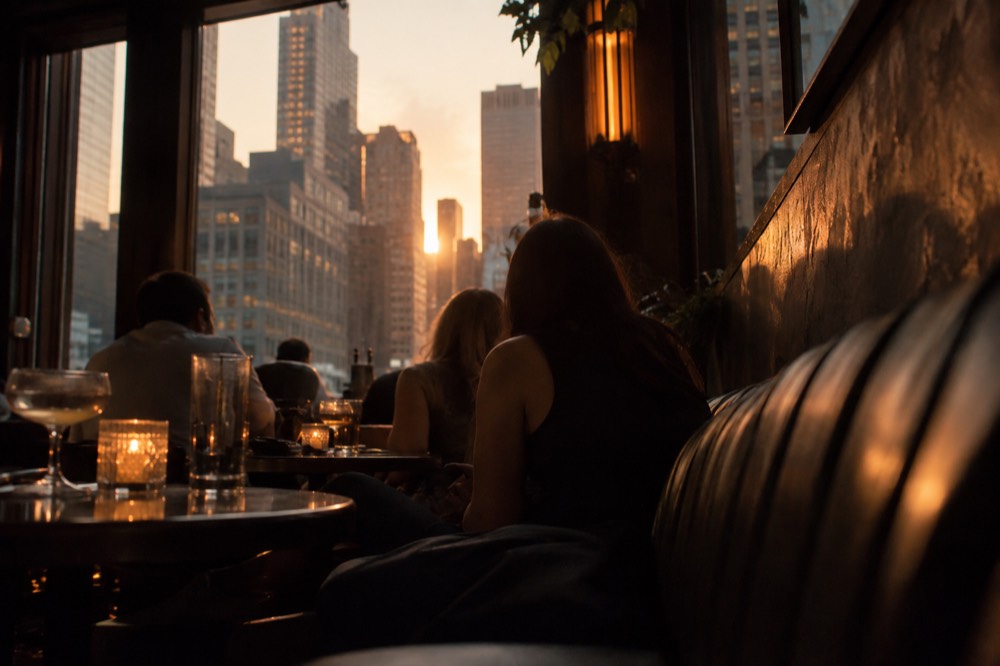
The last rule is the one about requests. Asking your bartender what they recommend is the correct move, especially in the no-menu rooms where the whole transaction starts with a conversation about what you like. Asking for a vodka Red Bull is the incorrect move, and no guide can help you after that.
Getting Home: The Subway After Midnight
The subway runs all night, and that is the honest answer for getting home from any speakeasy in the city: it is safe, it is cheap, and since the MetroCard retired it runs entirely on tap-to-pay with an automatic weekly cap. A single ride costs $3.00, and once your card or phone has paid $35 in a seven-day window, the rest of your rides that week are free with no pass to buy.
Nothing else comes close on price.
The practical detail that matters at 1am: the cap only works if you tap the same card or the same device every time. Switching between your phone and the plastic card in your other pocket breaks the count silently, so pick one and stick to it for the whole trip. Children under 44 inches tall ride free with a paying adult, up to three per adult, which is the fact families with teens-too-tall-to-be-free should know in advance.
The late-night service caveat: trains run less often after midnight, so check the line before you leave the bar rather than assuming a two-minute wait. The downtown speakeasy blocks sit on well-served lines, and the Brooklyn rooms connect back to Manhattan on a handful of direct routes. Ride-hailing exists and works, but for a city with a 24-hour subway, the train is the default, not the fallback.
A Speakeasy Crawl Route Through Downtown Manhattan
The best speakeasy crawl in NYC is a one-neighborhood walk, and the East Village to Lower East Side stretch is the strongest: four or five hidden rooms inside a fifteen-minute walk, surrounded by late-night food for the between-bars stretch. Do two rooms well rather than four badly, put the reservation room in the middle of the night, and end within walking distance of a subway line home.
The bars cluster, and the cluster is the whole trick.
Start with an early dinner. The neighborhoods around the best hidden bars are also the city's best eating neighborhoods, and a food walk is the natural warm-up: the Chinatown and Little Italy food tour covers six tastings across two of them and finishes within walking distance of the East Village rooms, which is about as convenient as a crawl warm-up gets.
From there the shape of the night writes itself. First room at 7pm, when the walk-in bars are still empty and the bartenders have time to talk. Second room at 9pm, the one you reserved, so the busiest hour of the night is the one you do not have to wait for. Stop while the night is still good: the third bar is where good evenings go to die, and the dumpling shops open late are the correct final stop, not another cocktail.
| Time | Move | Why It Works |
|---|---|---|
| 5:30pm | Early dinner or food walk near the bar blocks | Walk-in rooms are empty and unhurried before 8pm |
| 7:00pm | First speakeasy, walk-in room | Bartenders have time to talk; no wait at the door |
| 9:00pm | Second speakeasy, the reserved one | The busiest hour is covered by your booking |
| 11:00pm | Late-night food, then the subway home | End near a line; trains run all night, less often after midnight |
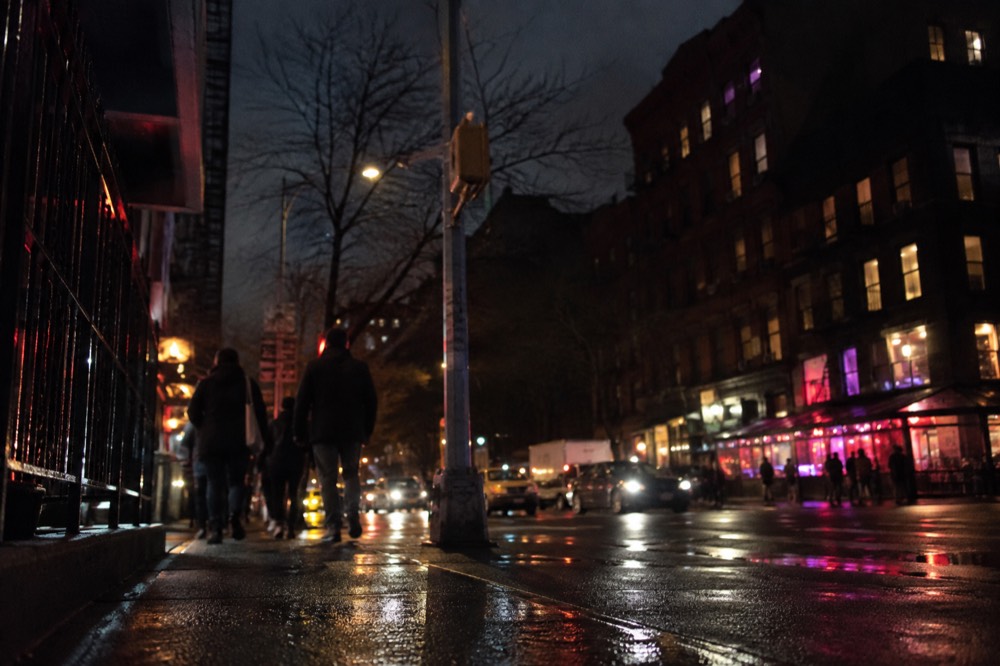
Brooklyn deserves its own evening rather than a detour. The Cobble Hill and Carroll Gardens rooms are bigger, calmer, and easier to seat a group in, and they pair with a walk across the Brooklyn Bridge at sunset or a wander through Brooklyn Heights. Treat it as a second night, not a second half of the first one, and see the things to do in Brooklyn guide for the daytime half of that plan.
Common Questions About Speakeasies in NYC
The questions visitors ask most are about access, cost, and legality: yes, every bar on this list is fully licensed and legal despite the hidden entrances; yes, you generally need to be 21 with valid ID, which staff will check; and no, you cannot just walk into the famous rooms on a Saturday night and expect a seat. Reservations, early arrival, and small groups solve most problems. The answers below cover the specifics.
Do I need a password to get into a speakeasy in NYC?
Almost never. The password idea comes from the Prohibition era and from movies. Modern New York speakeasies are licensed bars, and the "hidden" part is the entrance, not a secret handshake. A few rooms have a door ritual, like picking up a phone in a shop, but the ritual is published on the bar's own site. Follow the instructions and you are in, subject to capacity.
Are speakeasies in NYC actually legal?
Yes. Every established speakeasy in this guide is a fully licensed, regulated bar. The hidden door is a design choice, a tribute to the Prohibition-era originals, not a legal workaround. You are drinking in a normal bar with a normal liquor license; it just happens to be behind a phone booth.
How old do you have to be?
21, with valid government-issued photo ID, and the good rooms check rigorously. New York's drinking age applies to hidden bars exactly as it applies to regular ones. An expired ID or a photo of an ID on your phone will not work; bring the physical card.
Can you visit a speakeasy without a reservation?
Often yes, if you go early. Several of the best rooms are walk-in only by design, and even the reservation rooms usually hold some seats for walk-ins at the bar. The rule of thumb: before 8pm on a weeknight, walk-ins work almost anywhere; after 9pm on a Saturday, only luck and small group sizes do. Check the bar's site for its system before you go.
What should I order at a speakeasy?
Whatever the bartender recommends, after telling them what you generally like. The best rooms either have a short, opinionated menu or no menu at all, and the conversation with the bartender is the ordering process. If you know you want a specific classic, a well-made Negroni or Old Fashioned is a fair test of any room. Avoid energy-drink mixers; it is that kind of bar.
Are speakeasies worth it with a group?
Small groups, yes; large groups, rarely. Most rooms seat a few dozen people total, and a party of six can be the biggest table in the house. For a birthday or a bigger night, pick the larger Brooklyn rooms or a parlor-style venue that takes group reservations, and book it well ahead. Splitting a big group across two nearby bars also works in the East Village, where the rooms cluster.
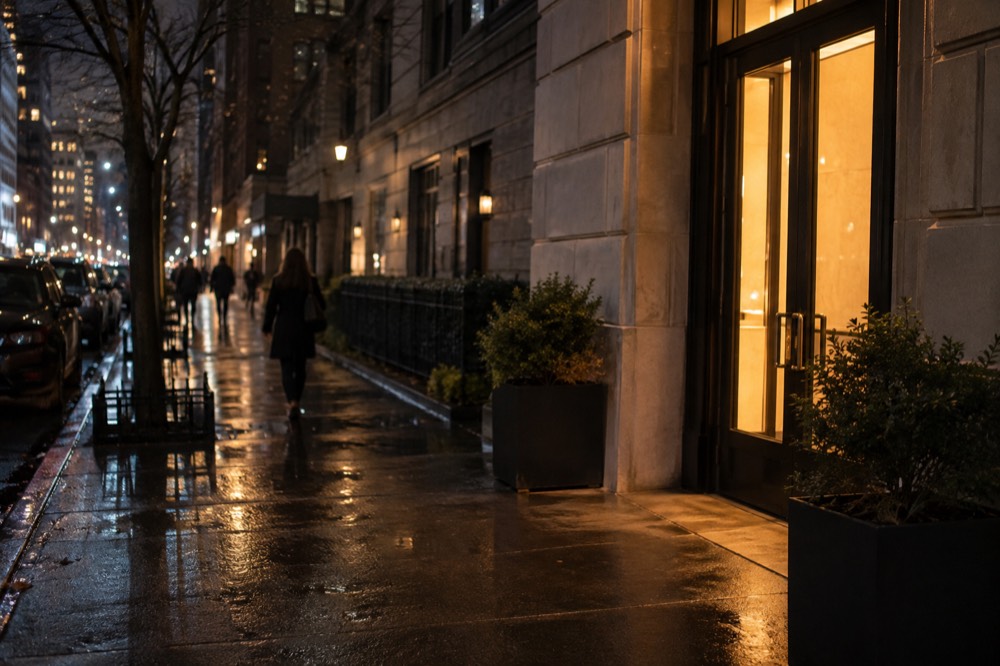
The last word belongs to the doorbell. The best speakeasies in NYC are not a puzzle to defeat but a room to be invited into, and the travelers who enjoy them most are the ones who arrive early, dress like they meant it, order what the bartender suggests, and leave while the night is still on the good side of late. For everything else the city holds after dark, the New York City Travel Guide covers the daylight hours too, and the subway, cap-free of passes and running all night, will get you home.