Lower East Side, New York: What the Neighborhood Is Like, and Who It Suits
The Lower East Side is Manhattan's densest collision of old and new: tenement blocks and synagogues, dive bars and natural-wine rooms, all packed into a rectangle east of the Bowery. This guide covers what the area is actually like as a day out and as a base, honestly, including what it is not good at.
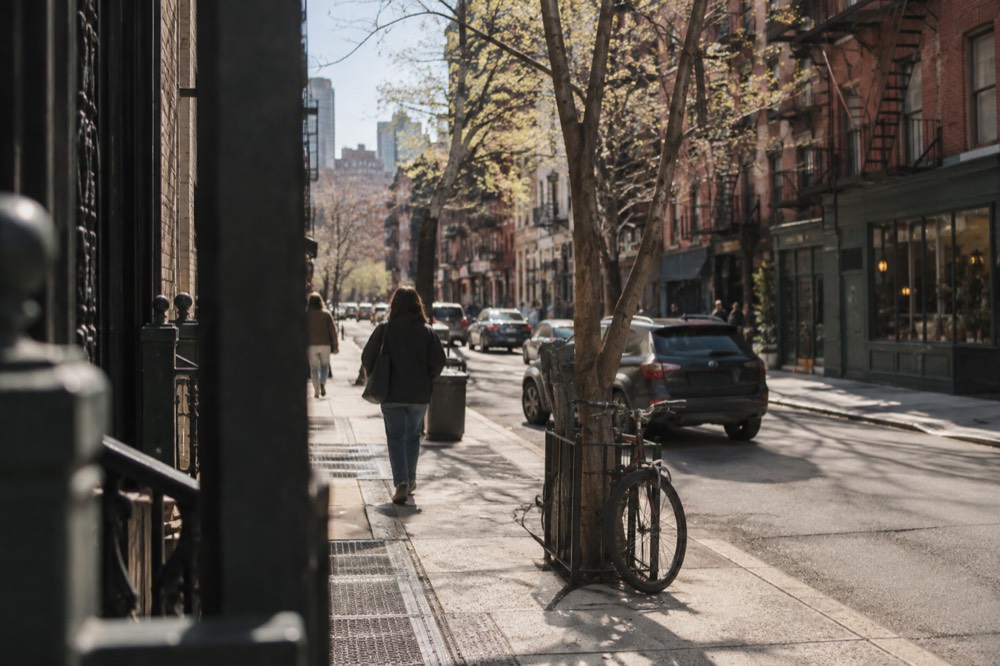
Short answer
The Lower East Side sits on Manhattan's Lower East side east of the Bowery, roughly between Houston Street and the Manhattan Bridge approaches. It is one of the city's great food and nightlife neighborhoods, walkable, well connected by the F train at Delancey Street-Essex Street, and best suited to travelers who want energy late at night rather than quiet and grand sightseeing.
Houston Street is the line. Below it, and east of the Bowery, the Manhattan grid dissolves into the older, narrower street plan the city absorbed long before it thought about numbered avenues: Orchard, Ludlow, Rivington, Stanton. This is the Lower East Side, and for over a century it was the first address in America for waves of new arrivals, a fact you can still read off the buildings themselves. The tenements are five and six stories of brick with fire escapes bolted to their faces, built tight and cheap, and a remarkable number of them are still standing.
Today the neighborhood runs on food, bars and music venues, with the Tenement Museum as its historical anchor and a residential base that skews young. It is loud on Friday nights, quiet on Sunday mornings, and easy to reach on the subway. If you want a fuller map of how it fits the borough, our overview of New York neighborhoods puts it in context.
Where Is the Lower East Side, Exactly?
The Lower East Side occupies the rectangle of Manhattan bounded roughly by Houston Street on the north, the East River and the FDR Drive on the east, the Brooklyn Bridge approaches on the south, and the Bowery on the west. Its neighbors are the East Village to the north, Chinatown to the south and west, and Two Bridges beyond it along the river. The heart of the visitor-facing neighborhood is the block grid between Essex Street and Ludlow Street. Keep those edge streets in mind. Real estate listings stretch the name in every direction, but the streets that feel like the Lower East Side are the narrow tenement blocks around Orchard and Ludlow, plus the Essex Market complex at Delancey Street.
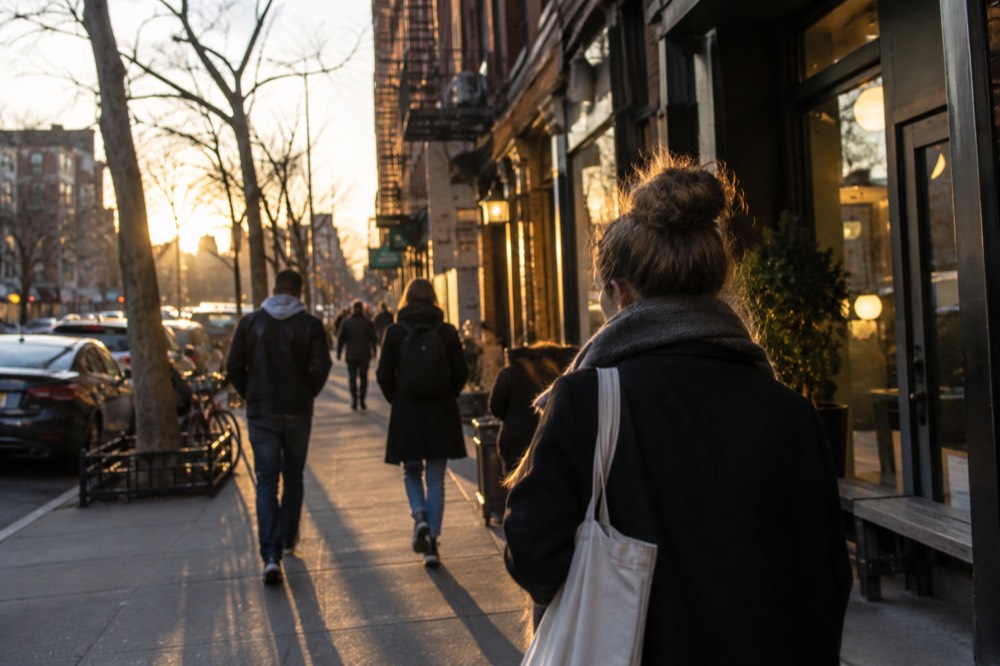
The name is literal geography, not branding. This is the southeastern corner of Manhattan below Houston, and for most of the neighborhood's history it was the cheapest land in the city, which is precisely why so many arriving immigrants landed here. The boundaries people argue about today are the same ones argued about for a century, because the Lower East Side has always bled into Chinatown, the East Village and the old Jewish quarter without a clean seam.
Walking it takes less time than you would expect. Orchard to Essex is three short blocks. The whole visitor core, from Houston down to Canal-adjacent blocks, is a fifteen minute walk end to end, which is why so many people end up here by accident after starting the day in Chinatown.
What Makes the Lower East Side Different from Other New York Neighborhoods?
The Lower East Side is defined by its tenement fabric and its immigrant history, and nearly everything that distinguishes it flows from those two things. Where Midtown rebuilt itself in steel and glass, this neighborhood kept its low brick buildings, so the streets feel compressed and human-scaled. It is one of the few Manhattan areas where the historic streetscape, the food traditions and the nightlife scene all belong to one continuous story.
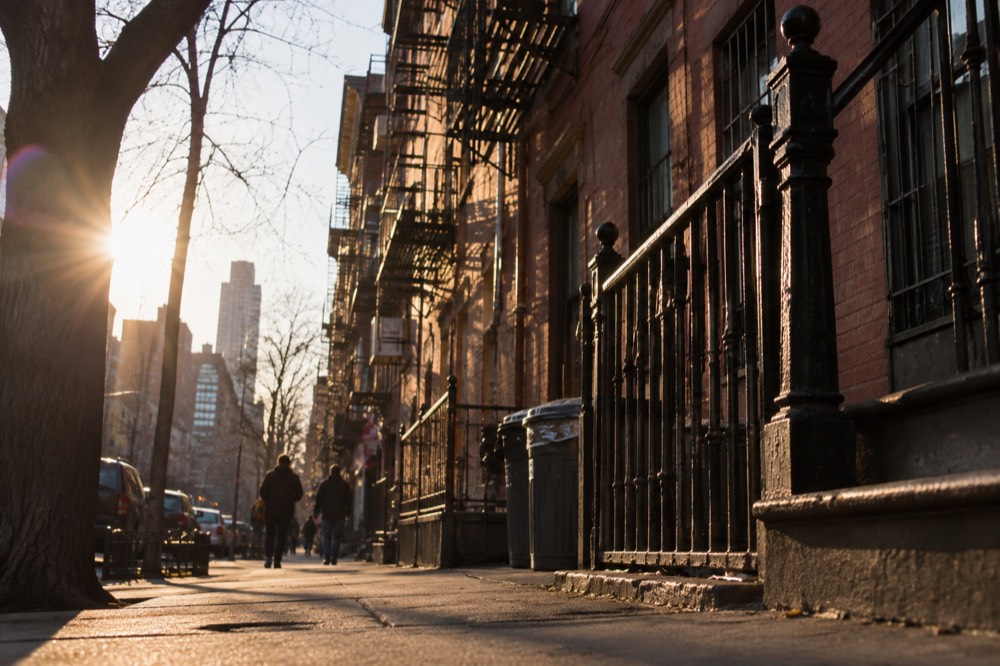
Three things set it apart in practice.
First, the physical history is legible. You do not need a plaque to understand what this place was. The building stock tells you: narrow lots, deep shafts for air, fire escapes as a legal afterthought. The Tenement Museum, on Orchard Street, occupies an actual surviving tenement and interprets the lives of the families who lived in it. It is a migration-history site, and it is the single best use of an hour in the neighborhood for anyone who wants to understand why the area looks the way it does.
Second, the food identity is layered rather than displaced. Old appetizing counters and bagel traditions, later waves of Puerto Rican and Dominican cooking around Loisaida, and a dense band of contemporary restaurants and natural-wine bars sit within blocks of each other. The neighborhood does not preserve its food history under glass, it keeps cooking on top of it.
Third, the nightlife density is real and it shapes the day. Rivington and Ludlow streets at 11pm on a weekend are a different neighborhood from the same blocks at 9am on a Tuesday. Anyone deciding whether to stay here needs to weigh that honestly, which is the next section's job. It also has more eating and drinking options per block than almost anywhere else in the city.
For a structured introduction to the adjacent districts, a guided option covers the trio of streets that bracket the Lower East Side on the west side, and there is also a free, tip-based Financial District walk on GuruWalk that ends within walking distance for anyone building a full downtown day.
The walk across these neighborhoods is genuinely short. The tenement blocks run into Chinatown's grid with no announcement, and SoHo's cast-iron frontage begins a few blocks up Lafayette. Anyone planning a first downtown day should read our master list of things to do in NYC before committing hours.
Is the Lower East Side a Good Place to Stay in New York?
The Lower East Side works best as a base for travelers whose trip is oriented around food, bars and nightlife rather than classic sightseeing, and who accept noise and smaller rooms as the price of location. It is a poor fit for families wanting early nights, anyone sensitive to late-weekend street noise, or visitors who want to walk to most major attractions from their hotel door.
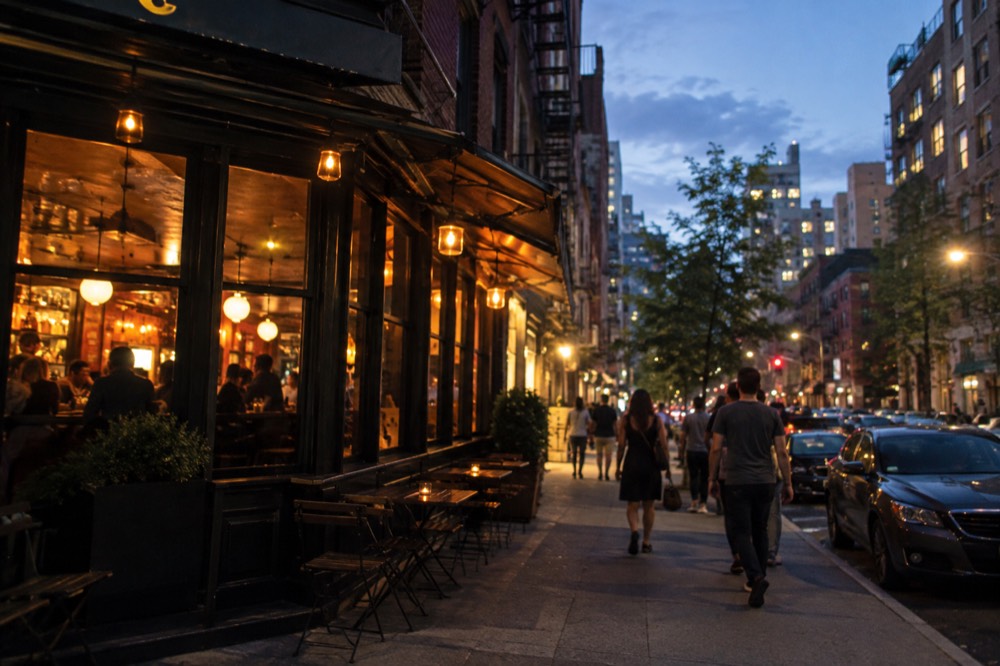
The honest trade is this: you get one of the city's best eating and going-out neighborhoods on your doorstep, and you give up proximity to the big-ticket sights, most of which sit in Midtown or around the harbor. Midtown and the Theater District it is not, and it does not try to be.
How it compares as a base:
| If you want... | Lower East Side fit | Better alternatives |
|---|---|---|
| Nightlife and late dinners within a short walk | Excellent, one of the best in Manhattan | East Village, Williamsburg |
| Walking to Broadway shows and Times Square | Weak, roughly 30-40 minutes by subway | Midtown, Theater District |
| Family base with quiet nights | Poor on weekends, small rooms | Upper West Side, Battery Park City |
| Food-focused trip | Excellent, dense and varied | Chinatown, Greenwich Village |
| Cheapest available beds | Middling, cheaper than Midtown but not cheap | Long Island City, hostels elsewhere |
The subway link is the F train at Delancey Street-Essex Street, with the J and Z at the Bowery-adjacent Essex Street complex and the M alongside on weekends, plus the Grand Street B and D stop on the neighborhood's western fringe. That is enough connectivity for a confident traveler and slightly awkward for anyone who wants one-seat rides to the West Side.
If you are weighing this area against others, our guide to where to stay in NYC breaks the whole decision down by trip type.
If the food angle is what tipped you toward this neighborhood in the first place, the tasting walk above is the natural way to spend an afternoon here, and it doubles as an orientation to the blocks south of Houston.
What to Do on the Lower East Side: The Honest Checklist
The core Lower East Side itinerary is the Tenement Museum, a wander through the Essex Market food hall, time on Orchard Street, and one of the small museums or synagogues, with a meal or a drink as the actual centerpiece of the day. Beyond that, the neighborhood's attraction list is short compared with Midtown's. Plan half a day here, not a full one, and pair it with Chinatown or the East Village.
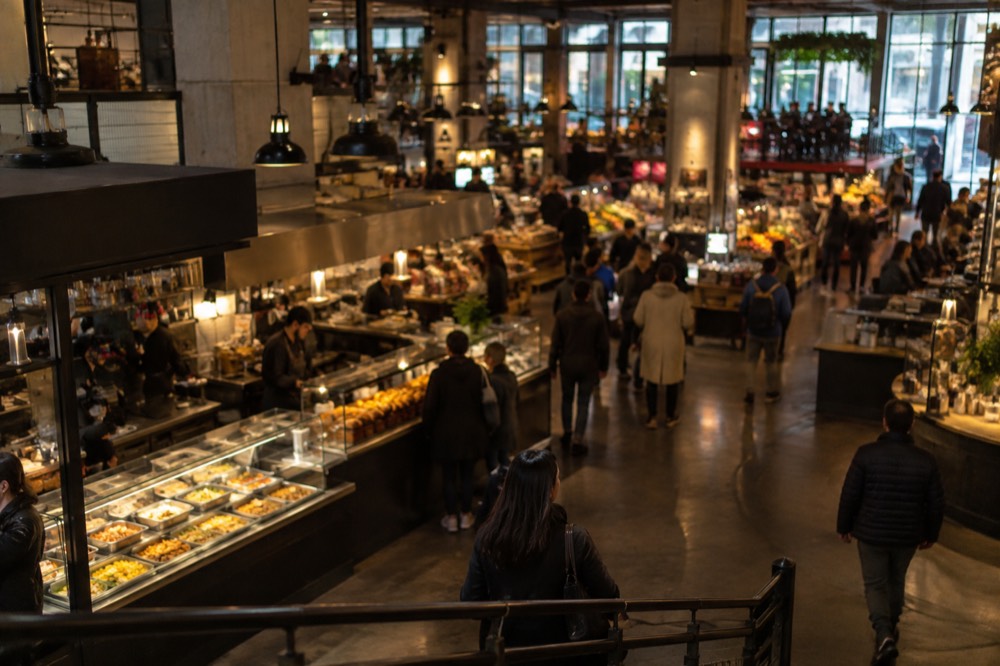
The essentials, ranked by how much they reward the walk:
| Stop | What it is | Time to allow | Notes |
|---|---|---|---|
| Tenement Museum | Historic tenement with guided apartment tours | 1-2 hours | Timed tours, book ahead, a migration-history site not an entertainment venue |
| Essex Market | Public market hall with vendors and counters | 45-60 minutes | Good in bad weather, food options throughout |
| Orchard and Ludlow streets | Shopping and window-walking | 30-60 minutes | Vintage, vinyl, small boutiques |
| Eldridge Street Synagogue | Landmark 19th-century synagogue, now a museum | 45 minutes | Check visiting hours before going |
| Sara D. Roosevelt Park | Neighborhood park along Chrystie Street | 15-30 minutes | A local park, not a destination park like Central Park |
The Tenement Museum deserves its anchor status. Tours walk you through apartments restored to different eras of the building's occupancy, and the museum treats the subject, mass migration through one building, with the seriousness it deserves. Ellis Island was the inspection point, but this neighborhood was where most of those arrivals actually lived, and the museum tells that half of the story. For the arrival half, our Ellis Island guide covers the official ferry and museum.
Essex Market is the neighborhood's second anchor and the best rainy-day stop on these blocks. It is a market, not an attraction, so arrive hungry rather than camera-first.
For a guided sweep that frames the Lower East Side inside its neighbors, the SoHo, Little Italy and Chinatown walking tour starts from the historic context of the blocks and makes an easy half-day spine, since the three neighborhoods sit contiguously.
Where to Eat on the Lower East Side
Eating is the main event on the Lower East Side, and the neighborhood's strength is range rather than any single marquee restaurant: old-school appetizing and bagel traditions, a dense band of contemporary restaurants along Orchard and Ludlow, and the edge of Chinatown's grid overlapping the southern blocks. Expect waits at popular spots on weekends, small dining rooms, and a crowd that arrives late.
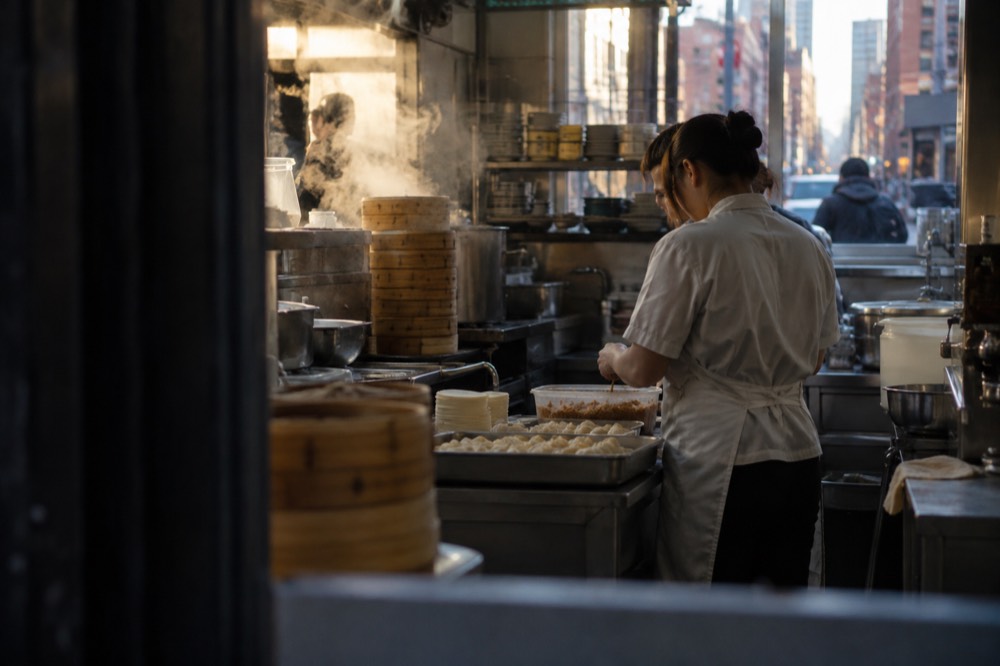
You do not need a reservation for a good meal here, but you do need flexibility, because the best-known rooms fill and the next-best room is often one door down. Dinner at 8pm or later is considered a normal hour in this neighborhood, so plan accordingly.
A structure for thinking about it:
| Eating style | Where it concentrates | Best time | Ballpark per person |
|---|---|---|---|
| Classic appetizing, bagels, smoked fish | Along Houston Street's northern edge | Morning | $10-$25, check the counter |
| Contemporary restaurants and wine bars | Orchard, Ludlow, Rivington streets | Evening, 7pm onward | $40-$80 before drinks, check menus |
| Market counters | Essex Market | Lunch | $10-$30 depending on the vendor |
| Chinatown-adjacent dumplings and noodles | South of Canal-adjacent grid, steps away | Any time | $10-$25, check the room |
The planning ranges above are honest ranges, not operator promises: menus shift, and the only reliable current price is on the door or the listing.
If you would rather have the neighborhoods decoded while you eat, the Chinatown and Little Italy food tour runs six tastings that add up to a real meal, with the stories of both districts folded in. It starts in the grid that runs directly into the Lower East Side's southern edge, so it slots naturally before or after time on Orchard Street. Pair it with our broader look at NYC food tours if eating your way through the city is the trip's organizing idea.
How to Get to the Lower East Side on the Subway
The main subway stop for the Lower East Side is Delancey Street-Essex Street, served by the F train at all hours with the M and J trains adding service at the same complex, and the whole neighborhood sits within a ten minute walk of it. The single fare is $3.00, and if you ride more than a handful of times the OMNY system caps your weekly spending at $35 automatically, with no pass to buy.
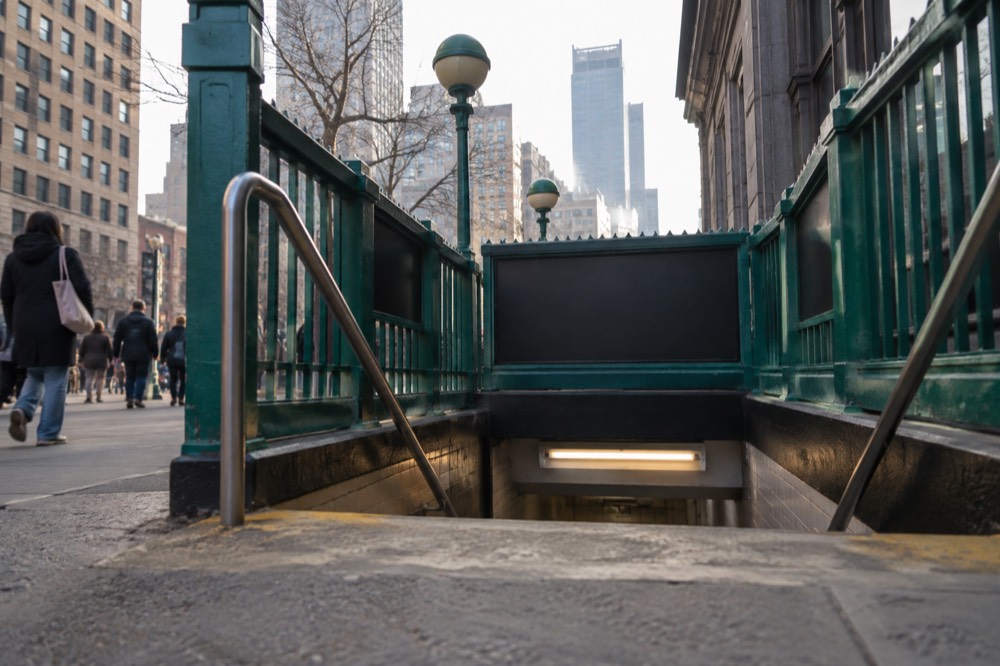
There is no longer any 7-day unlimited MetroCard to purchase, anywhere, since MetroCard sales ended. The MetroCard point deserves emphasis because most published guides still get it wrong. As of 1 January 2026 the MTA no longer sells or refills MetroCards at all. The weekly value travelers used to buy as a physical pass now arrives automatically: tap the same credit card, debit card, phone or OMNY Card every ride, and once your fares total $35 within a rolling seven-day window, the rest of that period is free. The one rule that trips people up is consistency, because tapping your phone one ride and the plastic card in your pocket the next silently breaks the cap. The MTA's own fare page spells out the details at mta.info/fares/omny.
From the major arrival points: from Midtown it is a direct F ride downtown, typically 15-20 minutes. From Brooklyn the J, M or F crossings deliver you to the same complex. From the World Trade Center area, any line to West 4th Street or Broadway-Lafayette transfers you onto the F or a short walk. Cabs and rideshares work, but for trips within Manhattan the subway is almost always faster at peak times, and the honest local answer to getting around New York generally remains the train, not a rental car.
Is the Lower East Side Safe for Visitors?
The Lower East Side is a busy, well-populated Manhattan neighborhood that is generally comfortable for visitors by day and night, and it does not carry the reputation it had in the late 20th century. The realistic annoyances are late-night noise, crowded sidewalks on weekends, and standard big-city attention to your phone and bag in dense crowds. Treat it as lively rather than risky.
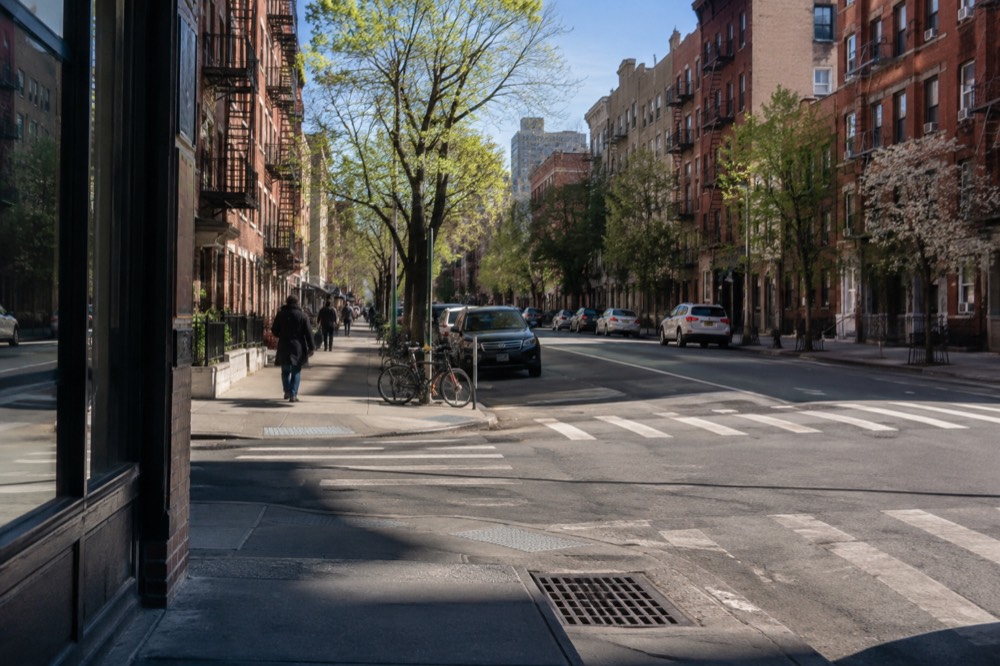
No New York neighborhood should be described as uniformly safe or dangerous block by block, and this one is no exception in either direction. Practically: the main commercial streets are lit and foot-trafficked late, which is the condition that matters most after dark. The quieter side blocks between tenements are perfectly ordinary residential streets, just darker and emptier at 2am, the same as anywhere. Normal urban habits, keep your bag closed, stay aware at ATMs, know where your phone is in a crowd, are sufficient here. For the citywide picture with context, our Is NYC safe? guide covers the numbers and the honest framing.
One note that is specific to this neighborhood's character: the nightlife is the reason some people stay here and the reason others leave. On Friday and Saturday nights the blocks around Ludlow and Rivington run loud until the small hours. If your hotel is above or beside a bar street, that is not an anomaly, it is the neighborhood working as intended. Anyone with a 7am flight should book accordingly.
What Is a Perfect Day on the Lower East Side?
A strong Lower East Side day starts with a morning walk along Orchard Street before the shops open, moves to the Tenement Museum for a timed late-morning tour, takes lunch at Essex Market, spends the afternoon drifting south into Chinatown or north into the East Village, and ends with dinner on Ludlow or Orchard followed by live music or a comedy set. It is a walking-and-eating day by design.
| Time | Activity | Why this order |
|---|---|---|
| 9:00-10:30 | Coffee and a walk on Orchard and Rivington | Streets are quiet, light is good, bakeries open |
| 11:00-12:30 | Tenement Museum tour | Timed entry, book ahead; mornings fill less |
| 12:30-13:30 | Lunch at Essex Market | One block from the museum, fast, weatherproof |
| 14:00-17:00 | Chinatown, or the East Village, or SoHo | All contiguous, pick one and walk |
| 18:00-20:00 | Dinner on Ludlow or Orchard | The neighborhood's peak hours |
| 20:00 onward | Live music, a comedy show, or a wine bar | The reason you stayed through the evening |
It is not a sightseeing checklist day, and it works best when nothing is scheduled too tightly. The flexibility in the afternoon slot is the point. The Lower East Side borders three other distinct neighborhoods, and a ten minute walk in any direction changes the century you are standing in: cast-iron SoHo to the northwest, Chinatown's grid to the southwest, the East Village to the north. If a structured afternoon appeals more than wandering, the free, tip-based walks on GuruWalk include a SoHo, Little Italy and Chinatown route that covers exactly that hinge of streets, and you pay the guide what you think the walk earned at the end.
The Financial District walk listed in the same free category pairs well if you want to extend the day toward the harbor, though it is a different part of town and deserves its own morning rather than a rushed add-on.
When Is the Best Time to Visit the Lower East Side?
The neighborhood is at its best from late April through June and September through early November, when the sidewalk eating, the walking between neighborhoods and the rooftop-bar season all work at once. Weekdays are noticeably calmer than weekends at every point in the year, and Sunday mornings are the quietest, most local-feeling hours the area offers. Winter is workable but narrow.
The cold months contract the neighborhood's pleasures, since most of them are outdoor-adjacent and the street life shrinks with the daylight. The climate data backs the seasonal instinct. In Central Park's official NOAA normals, July is actually the wettest month of the year at 4.60 inches of precipitation on average, edging out August and June, which surprises visitors who book summer expecting dry heat. If a July trip is on the calendar, plan the Lower East Side day with an indoor fallback, and the Essex Market half of the neighborhood is that fallback. Our month-by-month NYC weather guide carries the full table.
For holiday-season travelers, December brings the area's own small traditions and easy walks into the wider downtown decorations circuit, covered in our Christmas in NYC guide, though you trade the al fresco evening culture for coats and early sunsets.
Common Questions About the Lower East Side
The questions visitors ask most about the Lower East Side cluster around four things: whether it is worth the detour from Midtown, whether it is safe and quiet enough to sleep in, how it differs from the East Village, and how much time it deserves. The short answers: yes for food and nightlife, it is lively rather than quiet, the East Village is quieter, and half a day plus an evening is the right dose.
The details below expand each answer.
Is the Lower East Side worth visiting?
Yes, if your interests include food, nightlife, music or immigration history. The Tenement Museum alone is among the best small museums in the city, and the eating and bar density per block is exceptional. If your trip is strictly about the classic sightseeing circuit, the Empire State Building, the harbor, Midtown's museums, the Lower East Side is an optional add-on rather than a must.
Is the Lower East Side safe at night?
The commercial core around Orchard, Ludlow and Rivington streets is busy and well-lit late into the night, and the neighborhood is generally comfortable for visitors. The realistic nighttime issues are noise and crowds, not crime. Side residential streets are quieter and darker at very late hours, the same as anywhere in Manhattan, so normal city awareness is sufficient.
How is the Lower East Side different from the East Village?
They sit side by side north and south of Houston Street and share a tenement fabric, but the East Village skews toward rock venues, cheap eats and a grungier-in-a-good-way bar culture, while the Lower East Side carries the immigrant-history weight, the Tenement Museum and a denser band of contemporary restaurants. In practice visitors walk between them without noticing the border.
How many hours should I spend there?
Half a day plus an evening suits most trips: a museum tour, a market lunch, a wander, then dinner and something live afterward. Travelers staying elsewhere in Manhattan can comfortably fold a Lower East Side afternoon into a day that starts in Chinatown or SoHo, since all three run together on foot.
What subway goes to the Lower East Side?
The F train stops at Delancey Street-Essex Street in the heart of the neighborhood, with the M and J serving the same complex on varying schedules, and the B and D stopping at Grand Street on the western edge. The fare is $3.00 per ride, and OMNY caps a week of subway and local bus taps at $35 automatically.
Is it a good neighborhood for families?
As a visit, yes, especially the Tenement Museum and Essex Market. As a place to stay, it is a weaker fit, because weekend nightlife runs loud and late, hotel rooms run small, and the classic family attractions are a subway ride away rather than on the doorstep.
One last planning note. The Lower East Side rewards travelers who leave slack in the schedule, because its best moments are unscripted: the counter you stop at because the line is short, the record shop you duck into, the second hour at a table that nobody is rushing you off. Build the day around two anchors, the museum and a dinner reservation, and let the blocks between them do the rest. That is the neighborhood working as intended, and it is the reason people who love it keep coming back to this corner of Manhattan, as we cover across New York City Travel Guide.