New York in November: Weather, Events and What to Actually Do
November is the month New York switches over: the fall foliage finishes, the ice rinks open, and the city starts rehearsing for the holidays without the December crowds or December prices.
Short answer
November in New York averages a high of 54°F and a low of 42°F, with about 3.58 inches of rain and barely any snow. It is one of the better-value months to visit: hotel demand dips after Thanksgiving week, the big attractions are fully open, and the holiday installations arrive mid-month.
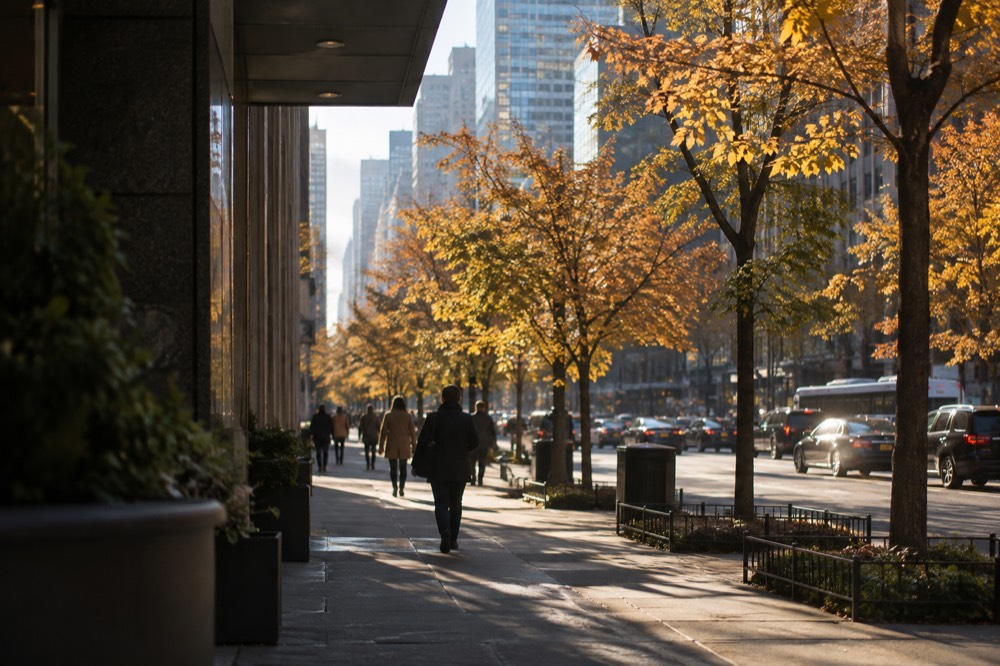
November in New York averages a high of 54°F and a low of 42°F, with about 3.58 inches of rain spread across the month and almost no snow. Those are not guesses: they are the NOAA 1991-2020 climate normals for Central Park, the official baseline every forecast is measured against. The month splits cleanly in two. The first half still belongs to fall, with the last of the foliage in the park and sidewalk tables outside. Somewhere in the second half the ice rinks open, the department store windows go up, and the city quietly starts becoming the Christmas postcard it stays through New Year's.
The practical case for November is that you get the holiday city before the holiday crowds arrive in full. The Macy's Thanksgiving Day Parade pulls enormous numbers into Midtown for one morning, and the weekend around it is busy, but the weeks on either side are among the softer periods of the whole year for hotel pricing. Museum lines shorten. Observation deck slots are easier to book at sunset. If you have ever walked across the Brooklyn Bridge on a warm afternoon in July, you know what you are trading away, and November gives some of it back.
This guide covers the weather in detail, what is open and what it costs, the events worth planning around, packing, and how the transit system now works, because that last one changed recently and most guides have not caught up.
What Is the Weather Really Like in New York in November?
November in New York averages a high of 54°F and a low of 42°F, but the trend inside the month matters more than the average: early November often still feels like fall, with afternoons in the 50s, while late November regularly spends the whole day in the 40s. The month averages 3.58 inches of rain and just half an inch of snow, so rain is far likelier than snow.
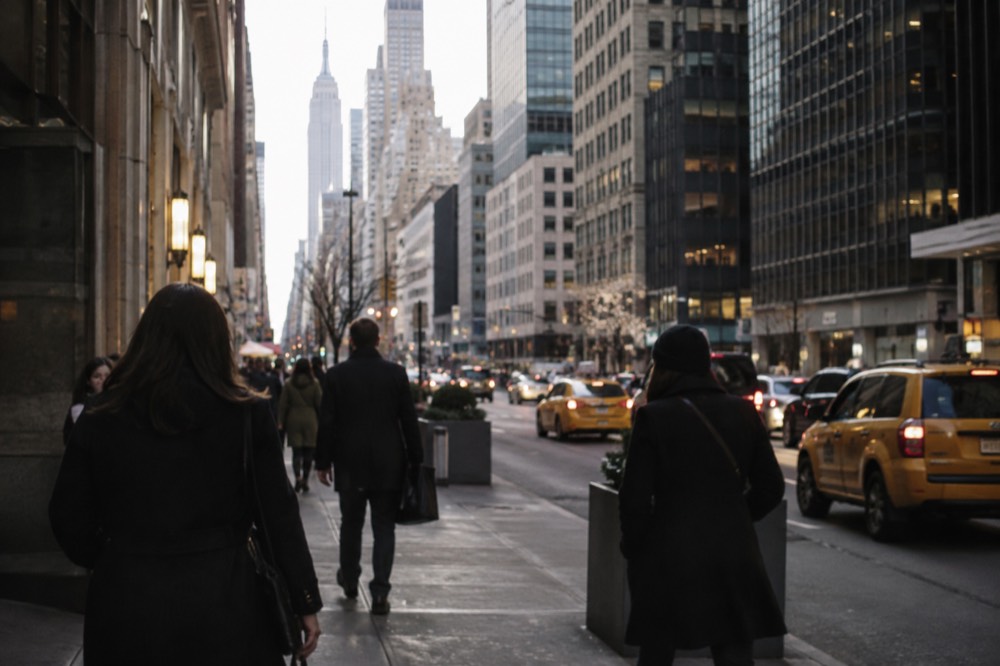
The daily swing is the thing to plan around. A 54°F afternoon can follow a 42°F morning, and the wind off the Hudson or the harbor cuts harder than the thermometer suggests. The classic November day in New York is bright, dry, and colder than it looks in photos, because the low sun angle flatters everything. Locals switch to proper coats around mid-month, and visitors in just a fleece usually regret it by the second evening. A proper snowfall in November is the exception rather than the rule, and most years you will see none at all.
Rain is the realistic nuisance, not snow. At 3.58 inches, November sits slightly below the annual monthly average, and it is a month of drizzle and gray afternoons rather than downpours. When a real storm system does come through in late November, it can produce the season's first snow, but the 1991-2020 normal for the month is 0.5 inches, which is to say: most Novembers, you will see no snow at all.
Here is how the surrounding months compare, straight from the NOAA normals for Central Park:
| Month | Avg high | Avg low | Precipitation | Snowfall |
|---|---|---|---|---|
| September | 76.2°F | 62.3°F | 4.31 in | 0.0 in |
| October | 64.5°F | 51.4°F | 4.38 in | 0.1 in |
| November | 54.0°F | 42.0°F | 3.58 in | 0.5 in |
| December | 44.3°F | 33.8°F | 4.38 in | 4.9 in |
One counterintuitive detail from the same dataset: February, not January, is New York's snowiest month, at 10.1 inches against January's 8.8. So if you are weighing November against a winter trip partly on snow odds, know that November's snow risk is close to zero and the real snow months start in December.
Is November a Good Time to Visit New York?
November is one of the best-value months to visit New York, and the reason is timing rather than weather: the big sights are fully open and fully staffed, the holiday installations appear from mid-month onward, and the visitor crush that defines December has not arrived yet. The trade-off is shorter daylight, evenings that feel cold by 6pm, and one genuinely crowded morning when the Thanksgiving parade takes over Midtown.
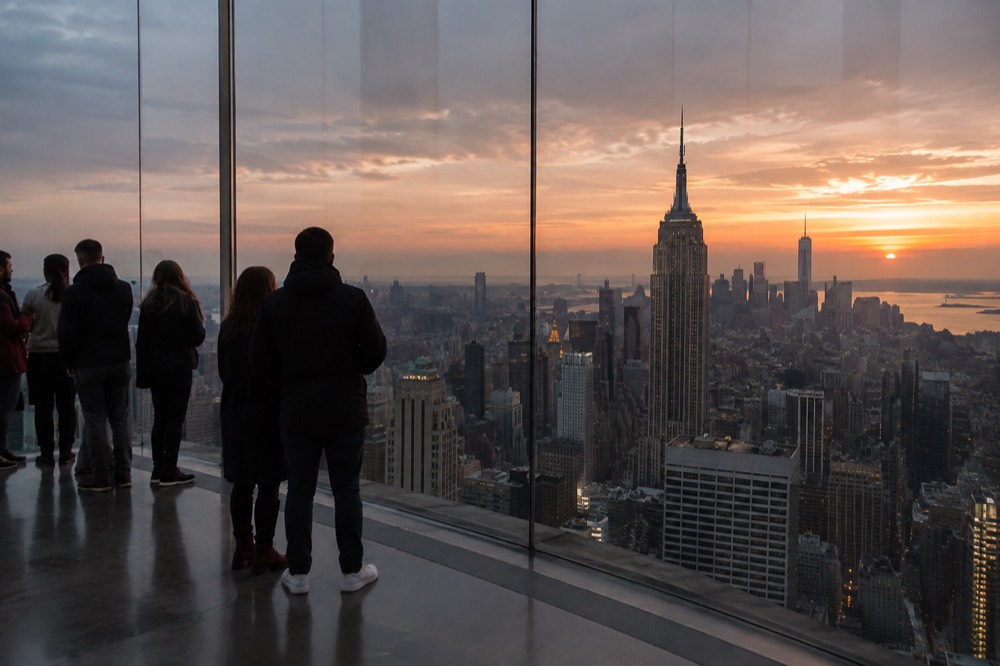
The light is a real consideration. Daylight saving ends in early November, and from then on the sun sets before 5pm for the rest of the month. That sounds like a downside, but it is secretly useful for one specific category: observation decks. A 4:30pm deck ticket in November catches the whole sunset arc, gold to blue to lit skyline, without the summer competition for those slots. Sunset deck visits are the single most sought-after time slot at every observation deck in the city, and in November they are simply easier to get.
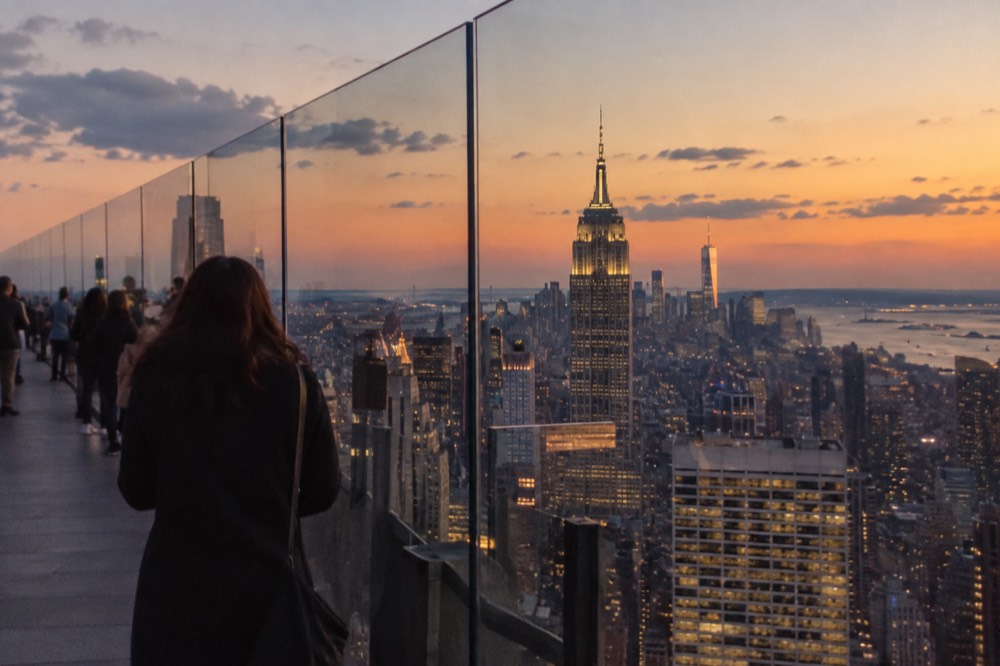
The crowd pattern has a shape worth knowing. The first three weeks of November are quiet by New York standards. Thanksgiving week flips the city: the parade on Thanksgiving morning draws enormous crowds to the blocks around Herald Square and Central Park West, and the Friday and weekend after are heavy everywhere, because the holiday season officially opens. If your dates are flexible and you want the festive city without the peak, the week before Thanksgiving is the sweet spot: decorations are up, hotel rates have not spiked yet, and the locals have not started their own holiday visits.
For a fuller comparison of where November sits against the rest of the year, see the site's guide to the best time to visit NYC, and if you are extending either direction, the NYC in the fall guide covers October and early November in more depth.
What Should You Actually Do in New York in November?
The November itinerary should lean on three things the month does better than any other: sunset observation decks, because darkness arrives early and the skyline lights up before dinner; indoor-heavy neighborhoods like Chelsea Market and the museum stretch on Fifth Avenue, because rain is likelier than snow; and the holiday installations that appear from mid-month, including the ice rinks and the store windows, which are free to walk past and at their best before December's crowds.
Start with the decks. Every one of the five major observation decks is open through November, and all of them use dynamic timed pricing, meaning the price moves with the date and slot. The published adult starting prices give you a floor, not a flat rate. Here is the landscape:
| Observation deck | Adult price starts from | Notes |
|---|---|---|
| Empire State Building (86th floor) | $44 + $5 booking charge | Open 365 days; box-office AM/PM Experience is $75.12 |
| Top of the Rock | $42 | Daily 08:00-24:00, last entry 23:10 |
| SUMMIT One Vanderbilt | $44 (13+), +$3 per order | Daily 08:00-24:00, last entry 22:30 |
| Edge at Hudson Yards | $34-$45 + $2 per ticket | Hours vary; check the listing before booking |
| One World Observatory | $39-$44 + fees | Daily 09:00-21:00 |
In November specifically, the argument for Top of the Rock and SUMMIT is the early sunset: you can book a 4:15pm slot, watch the sun go down over New Jersey, and still be at a 7pm dinner reservation. SUMMIT One Vanderbilt sits next to Grand Central, which makes it the easiest deck to bolt onto a Midtown day, and its mirror rooms are the most photogenic interior of the five.
Second, plan for rain without planning for a washout. Half a day of drizzle is the realistic November risk, and the city has an unusually deep bench of indoor options that are destinations in themselves, not consolation prizes. The Metropolitan Museum of Art, the American Museum of Natural History, MoMA, the Guggenheim and the Whitney are all open through November, and the High Line's neighbor Chelsea Market puts a whole food hall under one roof. The site's rainy day activities in NYC guide lists more, but the short version is: museum mornings, market lunches, deck at sunset.
Third, walk the holiday installations, which cost nothing. The store windows along Fifth Avenue go up through the second half of November, the rinks open, and the street-level festive atmosphere arrives weeks before the peak visitor season. This is the month where you can see the Christmas city forming without the December queue at every turn.
If you are doing the classic five-attraction circuit, decks plus the ferry plus a museum or two, the pass math is worth a look before you buy anything individually. The New York CityPASS bundles five attractions from an eleven-attraction menu for $149 adult and $129 child, valid for nine consecutive days from first use. The menu includes the Empire State Building, Top of the Rock, the Statue of Liberty ferry, the American Museum of Natural History, the 9/11 Memorial & Museum, Edge, the Guggenheim, the Whitney, the Intrepid and a Circle Line cruise. Whether it beats buying separately depends entirely on whether you will use all five, and November's shorter days make that a genuine question rather than a formality.
How Much Does a November Trip to New York Cost?
The main fixed costs of a November sightseeing week are the observation decks at roughly $42-$44 and up, the major museums at around $30-$43 adult, and the official Statue of Liberty ferry at $26.00, all priced the same in November as any other month. What changes is the soft cost: hotel rates in the first three weeks sit below the December peak, and the free tier of the city is as available as ever.
The attraction prices do not move much by season, because the decks and museums use date-based dynamic pricing that responds to demand day by day rather than month by month. What does move is everything around them. Here is the honest cost picture for the big-ticket items:
| Attraction | Adult price | Free or discounted windows |
|---|---|---|
| The Met | $30 ($22 seniors, $17 students) | Pay-what-you-wish for NY State residents and NY/NJ/CT students only, with proof |
| MoMA | $30 | Free Friday evenings 17:30-20:30, NY State residents only, reserved in advance |
| 9/11 Memorial & Museum | $36 | Free Mondays, tickets released 07:00 ET on the website |
| Whitney Museum | $30 | Free for anyone 25 and under, every day |
| Statue of Liberty ferry (official) | $26.00 | Under 4 free; crown access $26.30 but sells out months ahead |
| Intrepid Museum | $38 | NYC residents 50% off every day |
Two of those rows deserve a warning, because they are the most commonly garbled facts in New York travel writing. The Met is not pay-what-you-wish for tourists: out-of-state visitors pay a fixed, mandatory $30, and the pay-what-you-wish option belongs to New York State residents and NY/NJ/CT students, who must show proof and still have to pay something. And the Statue of Liberty ferry must be the official Statue City Cruises operation out of Battery Park or Liberty State Park: plenty of lookalike harbor cruises circle the islands and never land, some charging more than the real ferry, and a ticket to one of those does not put you on Liberty Island. Everything else covered here is indexed on New York City Travel Guide.
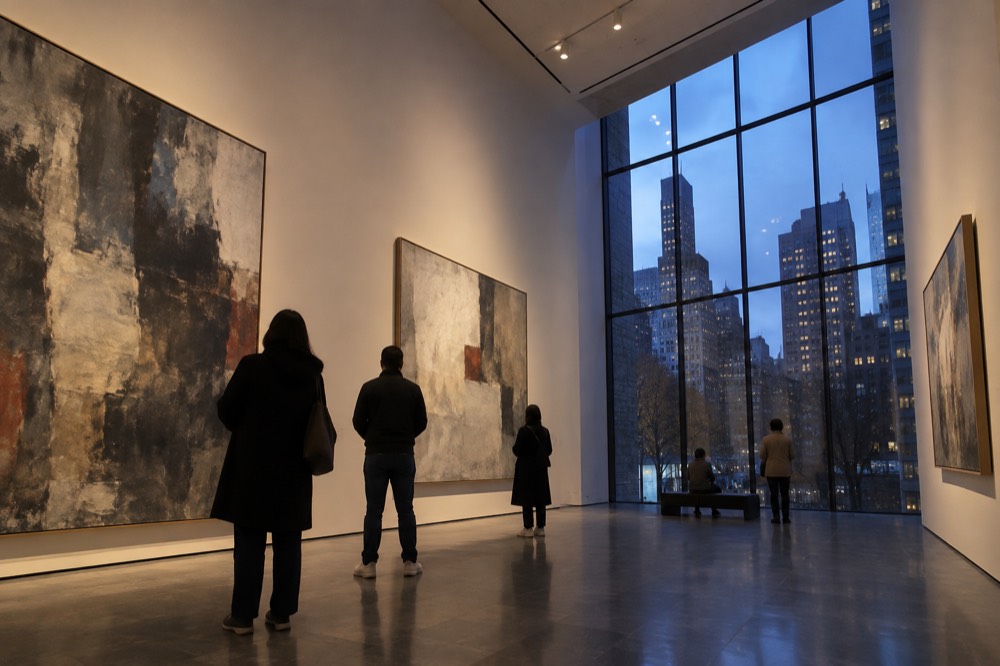
The Met ticket also carries a detail most guides omit: it includes same-day entry to both Met locations, meaning Fifth Avenue and The Met Cloisters on the same ticket. The Cloisters in Upper Manhattan sit inside Fort Tryon Park, and a cold, bright November afternoon up there, with the Hudson below and the medieval cloisters around you, is one of the city's better-kept itineraries. Note that the Met is running a long list of gallery closures right now, including parts of the American Wing, the Costume Institute and the roof garden, so check the museum's closures page before you plan a visit around a specific wing.
For the fuller budget picture, including what hotels, food and transit add to the week, the site's cost of a trip to NYC guide breaks it down line by line.
What Should You Pack for New York in November?
Pack for a city that is dry and cold rather than wet and freezing: a proper coat, a scarf and gloves for late month, shoes that can take a puddle, and enough layers to handle a 40°F morning and a 54°F afternoon in the same day. You do not need serious winter gear in November, and the month's 3.58 inches of rain arrives mostly as light rain rather than storms.
The layering logic is simple. Mornings and evenings run in the low 40s, afternoons in the low-to-mid 50s, and the wind in the canyons of Midtown or on the bridges makes the effective temperature lower than the reading. A warm coat over a sweater over a shirt covers the whole month. Add gloves and a scarf if your dates fall after mid-month. Boots are overkill; water-resistant shoes with decent tread are not, because the rain, when it comes, tends to hang around on the pavement. A compact umbrella is enough, since you will not face storms.
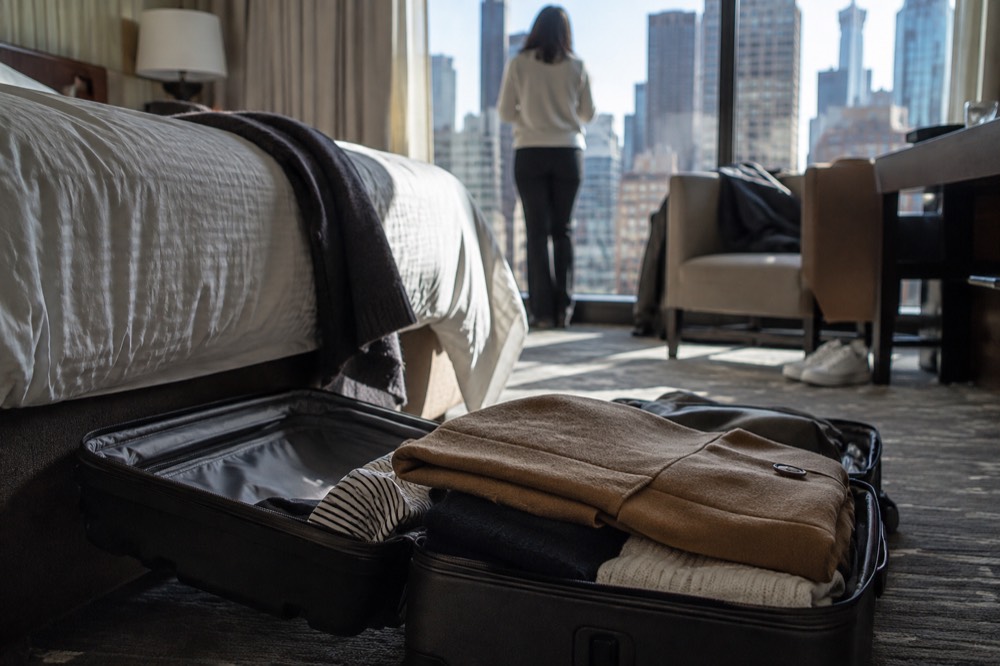
The one November-specific item worth its space is something reflective or bright if you plan to be out after dark, which in November means after 5pm. The parade morning, the rinks and the window walks all happen in low light, and the crowds on the sidewalk are dense. Otherwise the packing list is the site's standard cold-season list, covered in full in what to pack for NYC.
How Do You Get Around New York in November?
Getting around New York in November means the subway, full stop, and it now means tapping a card rather than buying any kind of pass, because the MTA stopped selling and refilling MetroCards on 1 January 2026. A single subway or local bus ride costs $3.00, and the weekly value comes from an automatic $35 OMNY fare cap that applies after twelve paid rides in a rolling seven-day period, with no pass to buy and nothing to activate.
This is the single biggest piece of advice on this page that most competing guides still get wrong. The old "buy a 7-day unlimited when you land" routine now sends you looking for a product that no longer exists. The replacement is invisible: you tap the same credit card, debit card, phone or watch at every turnstile, and once your taps add up to $35 within a seven-day window, every further subway and local bus ride in that window is free. The catch is that you must tap the same card or device every time, because mixing your phone and the plastic card in your pocket breaks the cap silently, and each person in a group needs their own card or device to earn their own cap.
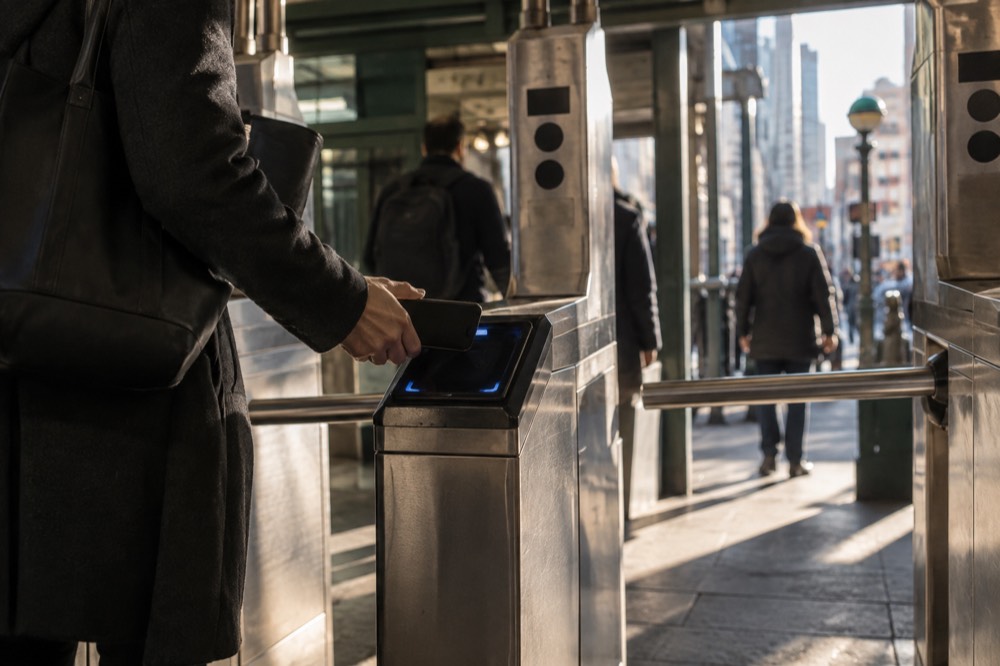
For a November visitor the arithmetic is easy. A sightseeing day in New York typically means four to six rides, so a week of active sightseeing blows past the $35 cap comfortably, and everything after that is free. The paper single-ride OMNY ticket from a machine costs $3.50 and does not include subway-to-bus transfers, so it is strictly worse than tapping a card unless you have no card at all.
The airport runs are priced very differently from each other, and the differences surprise people:
| Airport | Cheapest rail option | Cost |
|---|---|---|
| LaGuardia | Free Q70 LaGuardia Link bus + subway | $3.00 total |
| JFK | Subway + AirTrain (E, J, Z to Jamaica, or A to Howard Beach) | $11.75 total |
| Newark | NJ Transit train + AirTrain from Penn Station | $16.80 total |
LaGuardia, the airport people assume is awkward, is the cheapest run in the city because its link bus is free. JFK, the airport with the dedicated rail line, costs nearly four times as much end to end because the AirTrain adds $8.75 on top of the subway fare. If you are landing at Newark on a weekday morning, note that AirTrain service between the terminals and the rail station is currently replaced by shuttle buses from 5am to 3pm, so allow extra time. The site's NYC subway and OMNY guides cover the system in more depth.
What Events Happen in New York in November?
November's event calendar is dominated by one morning, the Macy's Thanksgiving Day Parade on Thanksgiving morning, which takes over the Upper West Side and Midtown with giant balloons and marching bands, and by the slow arrival of the holiday season: ice rinks open, store windows go up, and the Rockefeller Center tree arrives in Midtown in preparation for December. Beyond the holidays, November is a strong theater month, with new shows having settled in after the fall openings.
The parade is the one date you plan around. It happens on Thanksgiving morning, rain or cold or both, and the route runs from the Upper West Side down to Herald Square. Two strategies work: arrive very early for a spot along Central Park West, or skip the morning entirely and let the parade happen without you, because the rest of the city is oddly quiet while everyone is watching it. The site's Macy's Thanksgiving Day Parade guide covers viewing spots and timing in detail.
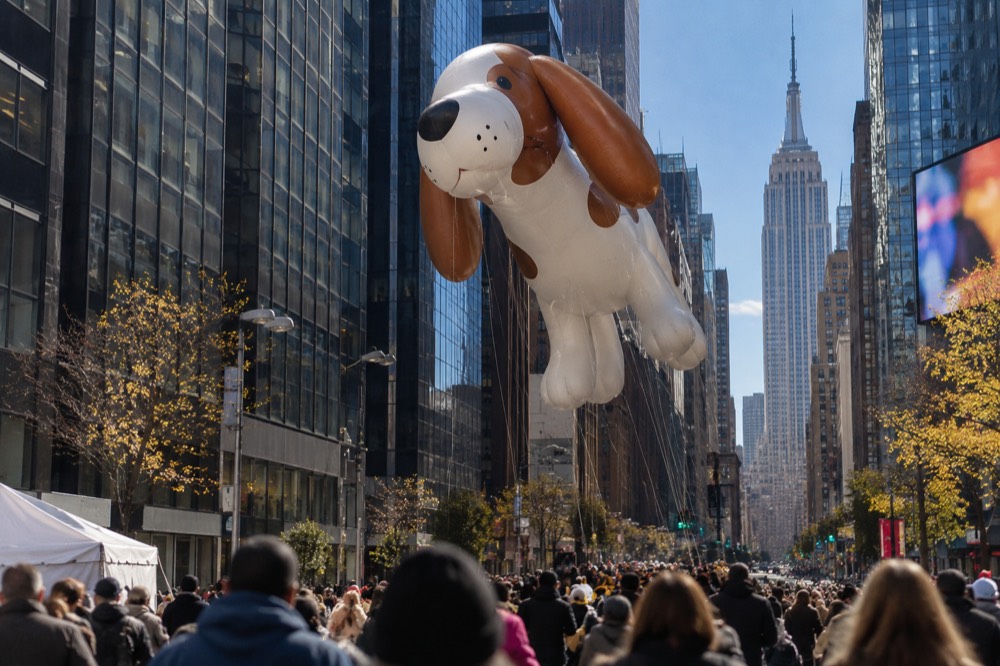
Everything else in the month is about the city dressing itself. The rinks open, the Fifth Avenue windows are unveiled one by one, and the tree arrives at Rockefeller Center, though its lighting is a December event, not a November one. If the festive city is the reason you are coming, November gives you the look without the December gridlock, and the Christmas in NYC guide picks up where this month leaves off.
Theater is the other November category worth flagging. The fall season's new shows have opened, review-driven demand is settling, and the discount infrastructure works in your favor: the TKTS booths at Times Square and Lincoln Center sell same-day tickets at 20-50% off face value with an $8 per-ticket service fee, and the digital lotteries on Broadway Direct and Lucky Seat typically offer seats in the $30-$50 range. One correction worth knowing: there is no TKTS booth at South Street Seaport any more, whatever an older guide told you. The booths are at Duffy Square in Times Square and the David Rubenstein Atrium at Lincoln Center, and current inventory is on tdf.org.
For an evening with the skyline rather than a stage, the harbor lights cruise is the November-appropriate version: the city switches its lights on before the boat leaves the pier, which in November means the whole cruise happens in the dark and the lit skyline is the entire show.
Common Questions About New York in November
The questions visitors ask about November in New York cluster around four worries: whether it is too cold, whether anything is closed, whether it is expensive, and whether the holiday stuff is running yet. The short answers: it is cold but manageable with a real coat, nothing major closes for the season, the first three weeks are among the better-value windows of the year, and the holiday installations arrive from mid-month, with the tree lighting itself held in December.
Is November a good time to visit New York?
Yes, for most travelers. The weather is cold but dry, averaging a 54°F high and 42°F low, the major attractions are fully open, and the first three weeks of the month sit below the December peak for crowds and hotel pricing. You also get the holiday city forming: rinks, windows and lights, without peak-season lines.
Is it cold in New York in November?
It is cold by the second half of the month. Early November afternoons often reach the mid 50s, while late November can spend all day in the 40s. Mornings and evenings run colder than the daily average suggests, and wind on the bridges and avenues adds to it. A proper coat, gloves and a scarf cover it.
Does it snow in New York in November?
Rarely. The NOAA 1991-2020 normals for Central Park put November snowfall at 0.5 inches for the whole month, so most Novembers see no accumulating snow at all. Rain is the realistic weather risk, at 3.58 inches across the month, and it usually arrives as light rain rather than storms.
What should I pack for New York in November?
A warm coat, layers for a 12-degree swing between morning and afternoon, gloves and a scarf if your dates fall after mid-month, water-resistant shoes, and a compact umbrella. You do not need serious winter gear. The sun sets before 5pm after the clocks change, so you will be out in the dark more than you expect.
Is New York expensive in November?
Attraction prices are the same as any month, but the first three weeks of November are a soft period for hotels between the fall season and the December peak. Thanksgiving week is the exception, when parade crowds push demand up sharply. Free options, including the 9/11 Memorial plaza, the Staten Island Ferry's harbor views and the store windows, are at their best in late November.
Are the Christmas things to do in NYC running in November?
From mid-month, yes: the ice rinks open, the Fifth Avenue store windows are unveiled, and the Rockefeller Center tree arrives in the city. The tree lighting itself is a December event, so November visitors see the tree arrive and the decorations go up, but not the switch-on. The Macy's Thanksgiving Day Parade is the month's one unmissable scheduled event.
The honest summary of November is that it rewards visitors who plan for the light: book the deck for 4:30pm, the museum for the morning, the parade for one morning only, and let the early dark do the rest. The city spends the whole month turning itself on, and you get to watch it happen from the front row.