NYC in the Fall: Weather, Events and What Actually Worth Doing
Fall is the season New Yorkers themselves claim, and the numbers back them up: September and October sit in the sweet spot between summer humidity and winter wind, the parks turn, and the calendar stacks up the parade, the marathon and Halloween.
Short answer
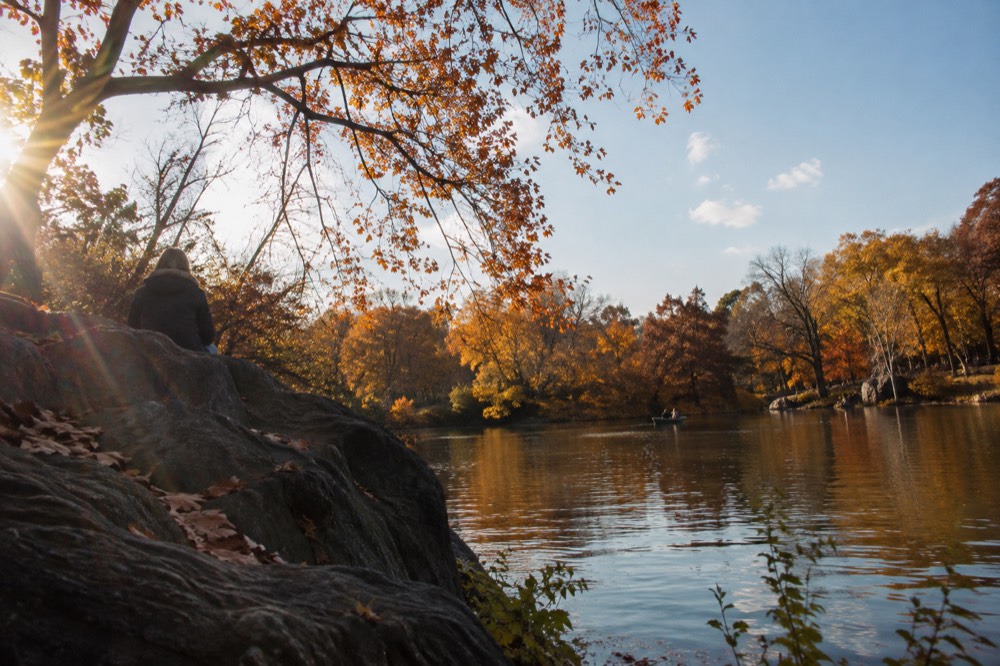
NYC in the fall runs warm-to-crisp: average highs fall from 76°F in September to 64°F in October and 54°F in November. Book observation decks and the Statue of Liberty ferry ahead, expect rain (fall months carry some of the year's heaviest rainfall), and plan around the Macy's parade, the marathon and Halloween.
September through November is the stretch of the New York year that locals defend hardest, and the climate record explains why. Average highs slide from 76.2°F in September to 64.5°F in October and 54.0°F in November, which means jacket weather arrives without the bite. The parks turn color, the outdoor tables stay out, and the calendar loads up: Halloween in Greenwich Village, the TCS New York City Marathon in early November, and the Macy's Thanksgiving Day Parade closing the season. This guide covers the weather month by month, the events worth planning around, and the booking decisions that matter most in autumn.
What Is the Weather Like in NYC in the Fall?
Fall weather in New York moves from warm to crisp in steady steps: average highs run 76.2°F in September, 64.5°F in October and 54.0°F in November, with lows falling from 62.3°F to 42.0°F. Rain is the real variable, not cold. September and October average 4.31 and 4.38 inches of precipitation, among the wetter months of the year, while snow is effectively absent until December.
Those figures come from the NOAA 1991-2020 climate normals for Central Park, the official 30-year benchmark, cross-checked against the National Weather Service's own Central Park publication. You can read the full table at the NWS Central Park normals. The practical reading: September often feels like summer's long tail, with afternoons warm enough for the High Line and evenings that need nothing heavier than a shirt. October is the month people picture when they picture fall, foliage and all. November turns honest, and by Thanksgiving week you want a real coat after dark.
The rain point deserves emphasis because it runs against instinct. Visitors book autumn to dodge summer storms, but the normals put July first at 4.60 inches, then August at 4.56, June at 4.54, and October right behind at 4.38. Fall is only marginally drier than summer, and September beats spring months like April. Plan indoor backups, not as a formality but as a real second pillar of the itinerary. The rainy day activities guide exists for exactly this.
| Month | Avg high | Avg low | Precipitation | Snowfall |
|---|---|---|---|---|
| September | 76.2°F | 62.3°F | 4.31 in | 0.0 in |
| October | 64.5°F | 51.4°F | 4.38 in | 0.1 in |
| November | 54.0°F | 42.0°F | 3.58 in | 0.5 in |
When Do the Leaves Actually Turn in Central Park?
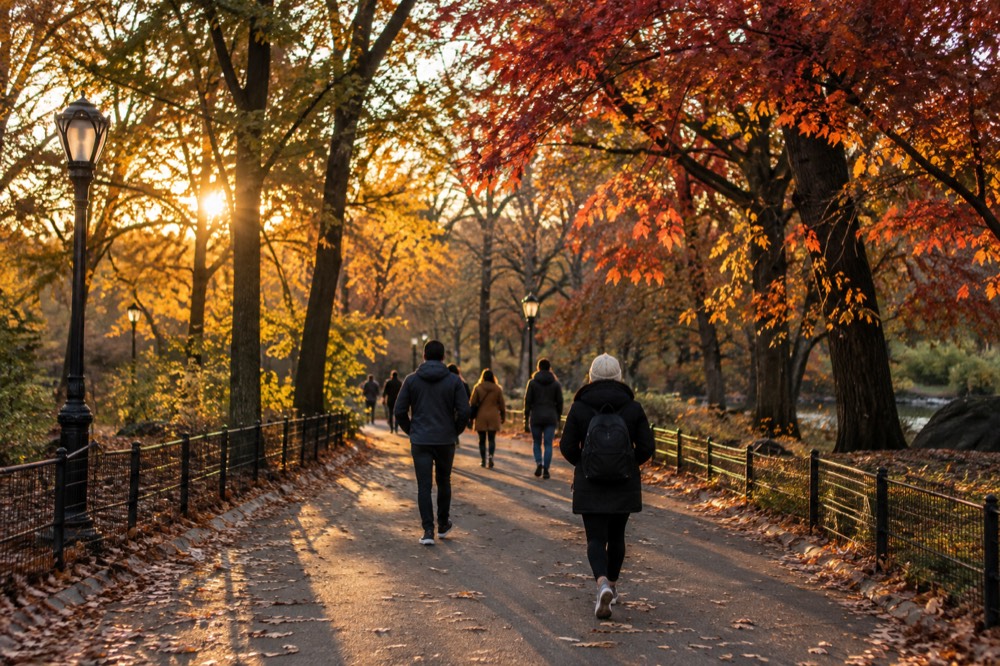
Peak fall foliage in Central Park typically lands in late October through mid-November, later than upstate New York because the city holds heat: pavement, buildings and the park's own microclimate keep nights warmer and slow the turn. Color usually starts in the north end of the park in mid-to-late October, with the whole park glowing by early November and bare branches arriving in the third week of November.
The park's size works in a leaf-peeper's favor. It holds enough variety that something is always at peak somewhere: the Mall's elm canopy, the Ramble's tangled deciduous blocks, the shoreline of the Lake. Because the turn is staggered, a visit in almost any week of late October or early November will catch color, which removes the guesswork that plagues single-weekend foliage trips in New England. A Central Park walking route planned around the Mall, Bow Bridge and Bethesda Terrace covers the strongest blocks in a couple of hours.
For a bigger canvas, the Hudson Valley day trips peak earlier, usually mid-October, and the contrast is worth the train ride. The valley's cold nights push color faster than the city does. If foliage is the whole point of your trip, split the difference: upstate mid-October, the city from late October on.
What Should You Book Ahead for a Fall Trip?
Book ahead, in this order: the Statue of Liberty ferry, timed observation decks, Broadway seats for weekend performances, and any November hotel window around the marathon and Thanksgiving. Fall is shoulder season but not slow season. The crown of the Statue of Liberty sells out roughly 90 days or more ahead, deck pricing climbs with demand for sunset slots, and the marathon fills Midtown hotels the first weekend of November.
The Statue of Liberty deserves the earliest action. Crown tickets are name-bearing, limited to four per household, checked against photo ID, and released on a rolling basis that reported sells out around 90 days and often months ahead. The general ferry ticket, $26.00 for adults, is easier but still worth booking once dates are fixed. Statue City Cruises is the only operator authorized by the National Park Service to land on the islands; lookalike cruises circle the statue and never dock, and some charge more than the real ferry. The full ticket breakdown is in the Statue of Liberty tickets guide.
Observation decks use dynamic timed pricing, so the "from" figures move with demand, and fall sunsets are peak demand. The Empire State Building starts from $44 plus a $5 booking charge, Top of the Rock from $42, SUMMIT One Vanderbilt from $44, Edge from $34-$45, and One World Observatory from $39-$44. The comparison that matters is not price, since three of the five cluster tightly, but what each one frames: Top of the Rock puts the Empire State Building itself in the shot, SUMMIT is the playful one, Edge hangs off the side of Hudson Yards. The full rundown lives in the observation decks guide.
If your fall list stacks several of these, a pass can beat individual box-office prices, and the maths is worth doing before you buy anything singly.
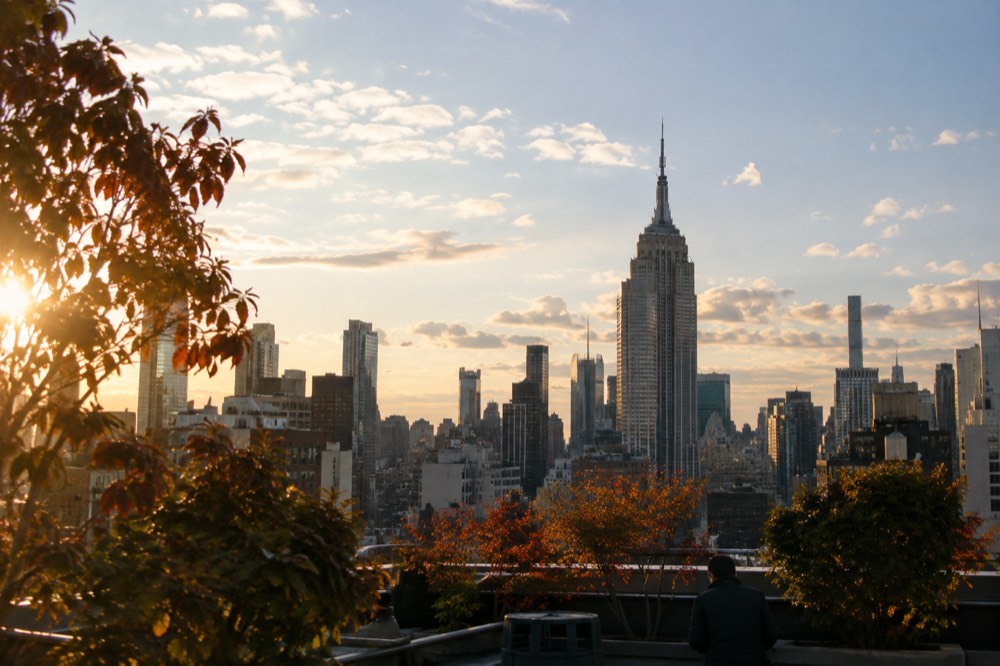
The CityPASS case is easiest to see in the box-office column CityPASS itself publishes: the Empire State Building AM/PM Experience at $75.12, Top of the Rock at $71.86, the Statue of Liberty ferry at $26.00, the 9/11 Memorial & Museum at $36.00. Five adult choices from that menu bought individually add up fast, against a $149 adult pass that runs nine consecutive days from first use. The catch is honest and simple: the pass pays only if you genuinely use all five. A two-attraction itinerary loses money on it.
The same logic applies to the pass's smaller sibling, the Explorer Pass, if your plans are looser and you would rather choose as you go. Either way, the decision point is the same: count your likely attractions first, then compare the pass price against the box-office column before committing.
Is Fall a Good Time for the Big Museums?
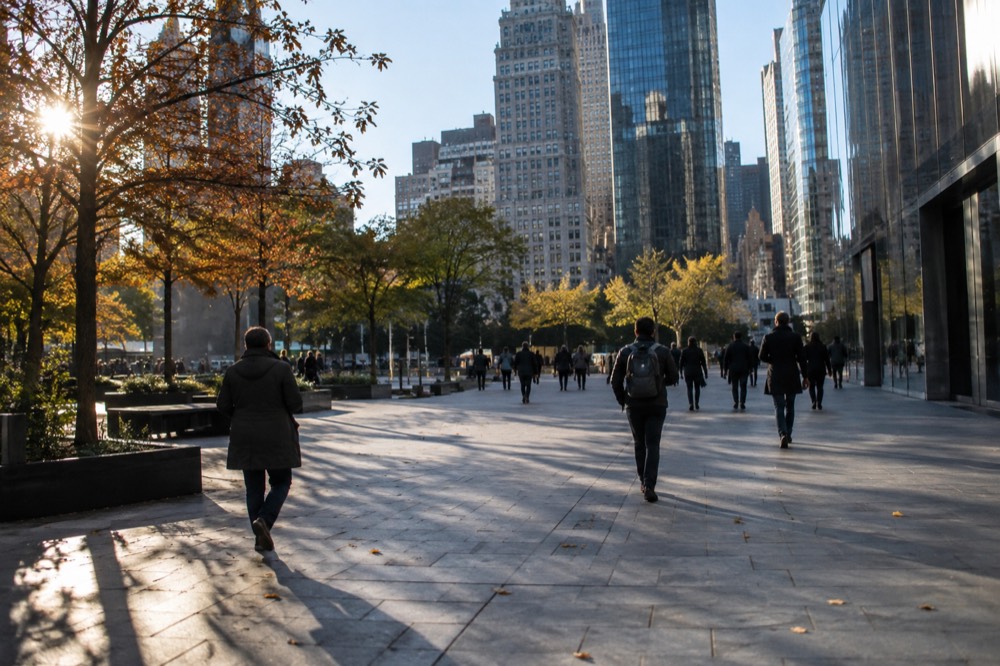
Fall is arguably the best museum season in New York: every major institution is back on full hours after summer, new exhibition calendars open in September and October, and the weather gives you a reason to be indoors roughly one day in three. The Met charges a fixed $30 for out-of-state adults and is closed on Wednesdays, MoMA runs free Friday evenings for New York State residents only, and the Whitney is free for anyone 25 and under.
The Met fact most guides get wrong: it is not pay-what-you-wish for tourists. That policy belongs to New York State residents and students from New York, New Jersey and Connecticut, and even they must pay something, with proof. Everyone else pays $30, full stop. The compensating bonus is real information gain: one ticket covers both Met Fifth Avenue and The Met Cloisters on the same day, which turns an Upper East Side morning into a Fort Tryon afternoon at no extra cost. The Metropolitan Museum tickets guide carries the details.
One planning warning specific to right now: the Met has a long list of partial gallery closures, including the American Wing, the Costume Institute, the Cantor Roof Garden and stretches of Modern and Contemporary Art. The museum is open and enormous, but if a specific wing is your reason for going, check the closures page on metmuseum.org before you build the day around it.
| Museum | Adult admission | The fall-relevant catch |
|---|---|---|
| The Met (Fifth Avenue + Cloisters) | $30 fixed for visitors | Closed Wednesdays; multiple galleries under renovation |
| MoMA | $30 | Free Fri 17:30-20:30, NY State residents only, reserve ahead |
| Whitney | $30 | Free for anyone 25 and under, every day |
| Guggenheim | $30 standard, $16 during exhibition changeover | Pay-what-you-wish Tue and Sun 16:00-17:30 |
| 9/11 Memorial & Museum | $36 | Free Mondays, tickets released 07:00 ET, first come first served |
The 9/11 Memorial & Museum row comes with a tone rule this site holds to: the memorial plaza, the outdoor pools, is free and open daily, and it sits at the site of a mass killing. Visit it plainly, at whatever pace feels right. The museum beneath it is a separate timed ticket, and its free-Monday release at 07:00 Eastern is genuinely competitive, so set an alarm if you want one.
What Are the Big Fall Events in NYC?
The fall calendar is anchored by three events: the Greenwich Village Halloween Parade on October 31, the TCS New York City Marathon in early November, and the Macy's Thanksgiving Day Parade on the fourth Thursday of November. Around them sit Oktoberfest beer halls, fall food festivals and the Bronx Zoo's seasonal programming. Only the marathon meaningfully disrupts travel plans, closing roads and filling hotels; the parades are spectacles you can watch for free or route around entirely.
Halloween in New York is a real civic event, not a bar promotion. The Village parade is the centerpiece, a costumed march up Sixth Avenue that draws enormous crowds, and the surrounding blocks of Greenwich Village and the East Village fill with house-level costume effort. The Halloween in NYC guide covers viewing spots and the surrounding nightlife. If costumes are not your thing, the night is still a good one to be anywhere but the parade route, because the crowds are serious.
The marathon closes streets across all five boroughs on its Sunday, and the first weekend of November is one of the year's tightest hotel windows in Midtown. If you are running or watching, book early and expect prices to reflect it. If you are neither, the disruption is navigable: the race moves, the subway mostly does not, and by afternoon the streets reopen behind the runners. The rest of the planning pages sit on New York City Travel Guide.
Thanksgiving is the season's finale. The Macy's parade inflates balloons the night before on the Upper West Side, which is its own free spectacle, and the parade itself runs Thursday morning. The Macy's Thanksgiving Day Parade guide has the route and viewing strategy. Note that Thanksgiving week also means holiday pricing on hotels and flights; the trade is a city fully dressed for the season against peak-season costs.
| Event | When | Planning impact |
|---|---|---|
| Greenwich Village Halloween Parade | October 31 | Heavy crowds in the Village; free to watch |
| TCS NYC Marathon | Early November | Road closures, tight Midtown hotel window |
| Macy's Thanksgiving Day Parade | Fourth Thursday of November | Holiday pricing that week; free to watch |
| Balloon inflation night | Thanksgiving eve | Free, family-friendly, very crowded |
What Are the Best Free Things to Do in NYC in the Fall?
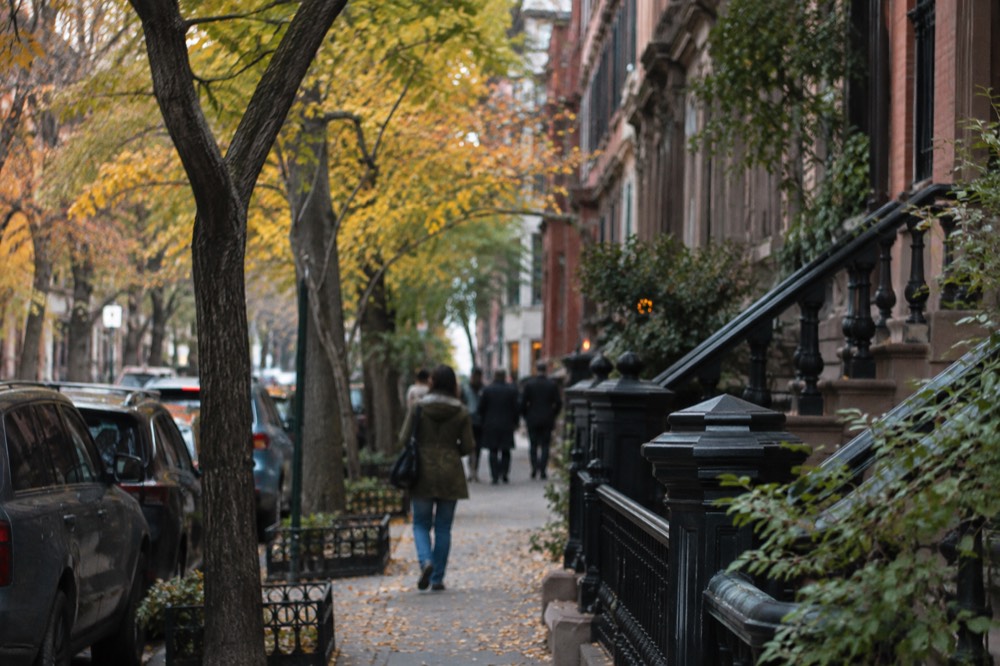
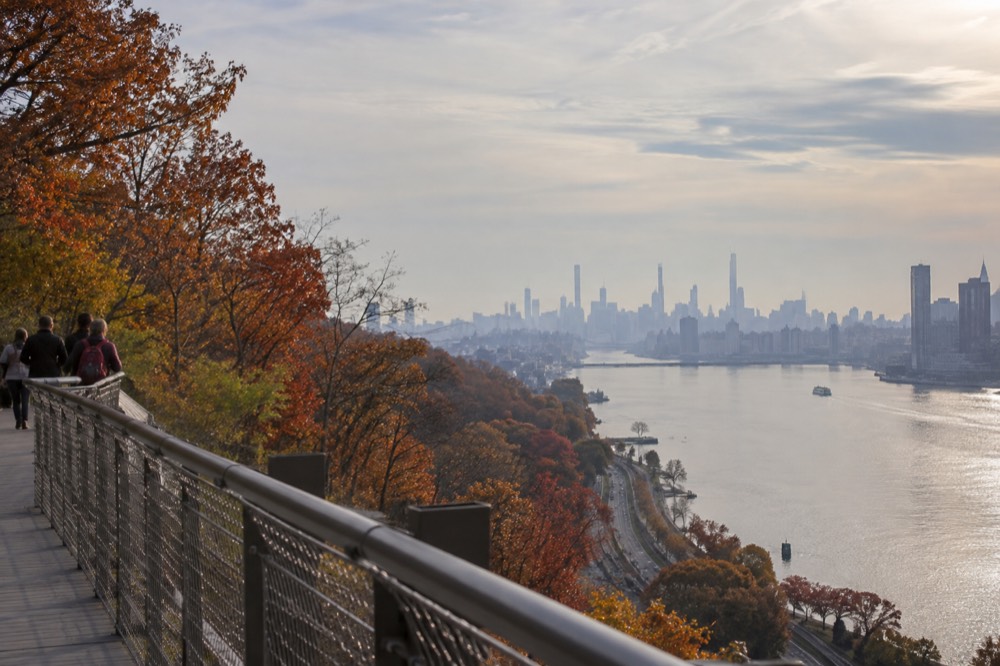
The best free fall activities are the ones the season itself provides: walking Central Park and Fort Tryon Park at peak color, the Staten Island Ferry at sunset, the High Line's final weeks of full foliage, and the 9/11 Memorial plaza, which is always free and needs no ticket.
Add the museums' free-admission windows, the Whitney for anyone 25 and under, the 9/11 Museum on release-day Mondays, and MoMA Friday evenings if you can prove New York State residency.
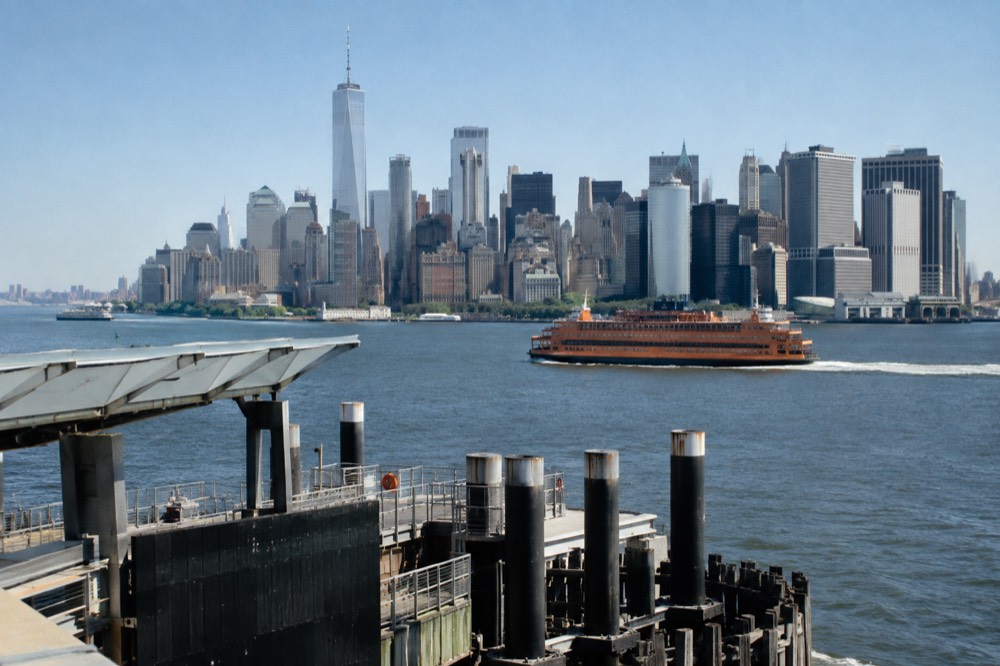
The Staten Island Ferry deserves its reputation: it is free, it runs around the clock, and it passes the Statue of Liberty at a distance close enough for real photos. The catch is that it is a commuter service, so ride it at off-peak times or accept standing room. The Staten Island Ferry guide covers timing. Pair it with a walk on the Brooklyn Bridge, which costs nothing and delivers the single best free view in the five boroughs, especially with fall's clear air.
The High Line in October is a different park than the High Line in July: the wild plantings are deliberately designed to peak in autumn, grasses and seed heads rather than flowers, and the walk from Hudson Yards down to the Meatpacking District takes on a rust-and-gold character. The High Line guide maps the entrances. Washington Square Park, Bryant Park and the smaller squares all earn their keep in fall too, because sitting outside stops being an endurance test.
For a fuller list that holds up in any season, the free things to do in NYC page is the hub, and the NYC on a budget guide adds the transport and food math around it.
Where Should You Eat in NYC in the Fall?
Fall eating in New York means two things: the food tours hit their stride in walkable weather, and the restaurant calendar turns toward hearty food, with Chinatown, Little Italy and Greenwich Village walks working best in October's temperatures. A three-hour food tour with six tastings functions as a full meal, so the honest planning advice is to book one for late morning or early afternoon and skip the restaurant reservation that day.
Tasting fees are built into tour prices, so there is no per-stop bill surprise.
The Chinatown and Little Italy food tour territory is at its best in fall: dumpling steam in cool air, cannoli that hold together, and a two-mile walking radius that stops being punishing once the humidity breaks. The same logic applies to Greenwich Village, where the slice shops and old bakeries sit close together, and to Chelsea Market, where the indoor half of the route makes it the best food walk for a rainy fall day, which the climate table above says you should plan for.
For self-guided eating, the season's practical notes are simple. Restaurant patios stay open through October with heaters, then thin out. The best restaurants in NYC and best pizza in NYC guides carry the standing recommendations, and where to eat before a Broadway show solves the specific Theater District timing problem, which matters more in fall because curtain-time dinners move indoors.
Should You Take a Fall Day Trip from NYC?
Yes, if foliage is your priority: the Hudson Valley peaks in mid-October, ahead of the city, and Sleepy Hollow leans hard into its Headless Horseman lore through the season, making it the one day trip that is genuinely better in fall than any other time. Skip day trips on marathon Sunday and Thanksgiving week, when roads and trains are at their worst.
A seven-hour guided loop up the Hudson covers riverside towns, the Walkway Over the Hudson and the legend sites without a rental car.
The car-free point matters. Renting a car for the city itself is a mistake in any season, but for the Hudson Valley the coach and train options are real competitors to driving. A guided day trip from Manhattan handles the logistics and returns by evening, which suits a trip built around the city with one excursion bolted on. The day trips from NYC hub compares the full menu, and the Hudson Valley guide goes deep on the fall-specific stops.
What Should You Pack for NYC in the Fall?
Pack layers with a real rain layer: a light jacket for September, a medium coat for October, a warm coat for November, and a compact umbrella or rain shell for all three, because every fall month averages more than 3.5 inches of rain. Comfortable walking shoes matter more than in summer, since fall itineraries lean on parks and bridges.
Bring nothing heavier than a warm coat: November's average low of 42°F is cold, not arctic, and hotel rooms are heated.
The umbrella advice is not boilerplate. October's 4.38 inches makes it one of the four wettest months of the year in Central Park, and September is right behind. A soaked afternoon is a coin flip that comes up rain roughly one day in three. The what to pack for NYC guide carries the full list, including the shoe logic for cobblestones in DUMBO and the bridge promenade.
| Item | September | October | November |
|---|---|---|---|
| Outer layer | Light jacket or none by day | Medium jacket, all day | Warm coat, especially evenings |
| Rain gear | Yes | Yes, non-negotiable | Yes |
| Footwear | Comfortable walking shoes | Same, waterproofed if possible | Same, with warm socks |
| Evening needs | Shirt-sleeves to light layer | Sweater under jacket | Sweater, scarf, gloves after dark |
How Do You Get Around NYC in the Fall?
Tap a contactless card or phone with OMNY and the fare system caps itself: $3.00 per subway or local bus ride, and once you hit $35 in a seven-day rolling window, every further subway and local bus ride that week is free, with no pass to buy.
The MetroCard is retired, as of 1 January 2026 the MTA no longer sells or refills them, so any guide telling you to buy a 7-day unlimited is sending you to a product that no longer exists.
One detail quietly costs people money. The cap tracks one card or one device; mixing your phone on Monday and the plastic card on Tuesday splits the count and can leave you paying full fare all week. Groups need one card per person for the same reason, since transfers and group taps do not pool. The OMNY guide and the NYC subway guide carry the full mechanics, including the two-hour free transfer between subway and bus.
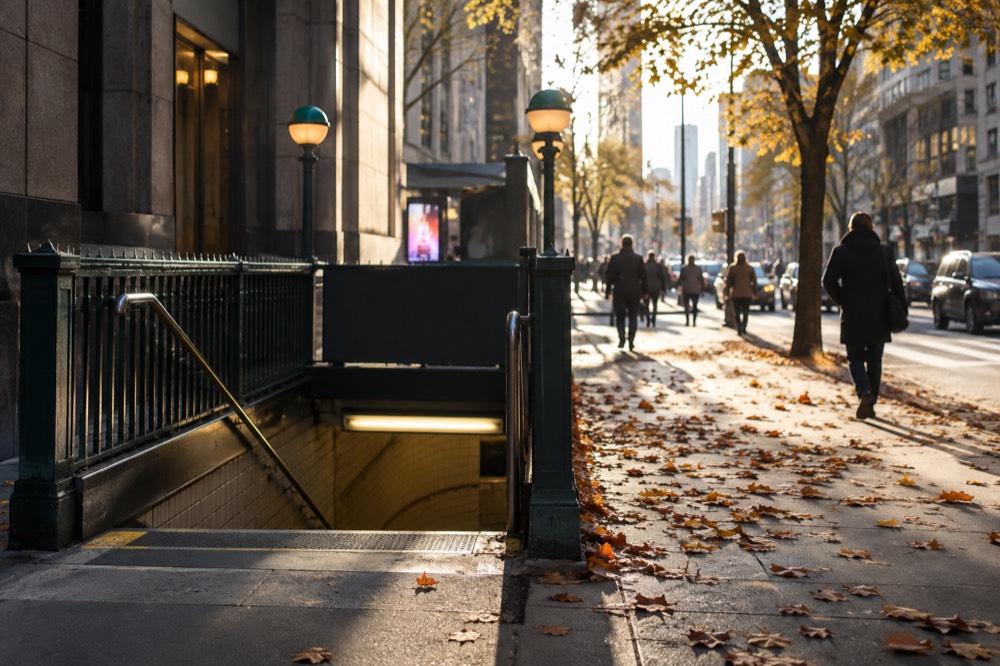
Fall-specific transit notes are few but real. Marathon Sunday reroutes buses across the boroughs. Thanksgiving morning, the parade route closes Midtown streets west of Sixth Avenue until early afternoon. Neither breaks the subway, which is why the subway remains the honest answer for getting around the city in every season, and why this site never recommends renting a car for Manhattan itself.
Where Should You Stay in NYC in the Fall?
Stay in Midtown for parade access, the Upper West Side for the park and the museums, or Lower Manhattan for the ferry and the Financial District's quiet weekends, but book early for the two crunch windows: the marathon's first weekend of November and Thanksgiving week, when Midtown hotel prices climb hardest. Fall is otherwise the last stretch before winter rates dip, so October is pricier than January but cheaper than the December holiday peak.
The where to stay in NYC guide carries the full neighborhood breakdown, and the standing trade-offs do not change in fall. What changes is demand: foliage weekends in October, the marathon, and Thanksgiving stack three demand spikes into eight weeks. If your dates are flexible, the weeks between Halloween and Thanksgiving, excluding marathon weekend, are the softest pocket of the season.
For the broader question of how the season compares to the rest of the year, the best time to visit NYC guide puts fall against spring, summer and winter on weather, crowds and price, and it is the right next read if you are still choosing dates.
If your fall plan stacks the ferry, two decks and a museum or two, the pass math is worth one more look before you buy anything at full price.
Common Questions About NYC in the Fall
Fall in New York answers the season's common questions cleanly: October is the strongest weather month, foliage peaks in the park from late October into mid-November, the big events are Halloween, the marathon and Thanksgiving, and the booking priorities are the Statue of Liberty crown, timed decks and hotel rooms for the two November crunch windows. The details below expand on each of those, with the sourced figures behind them.
Is fall the best time to visit NYC?
For weather, October is the strongest single month: a 64.5°F average high, low humidity by New York standards, and peak foliage. The trade-offs are demand pricing around the marathon and Thanksgiving, and rain, since October averages 4.38 inches. Many locals rank late September through early November as the city's best stretch.
What is the weather like in NYC in the fall?
Average highs run 76.2°F in September, 64.5°F in October and 54.0°F in November, with lows falling from 62.3°F to 42.0°F. Rain averages 4.31, 4.38 and 3.58 inches across the three months, and snow is negligible until December.
When do the leaves change in Central Park?
Color typically starts in the park's north end in mid-to-late October, with the whole park near peak in early November. The city's heat island slows the turn relative to the Hudson Valley, which peaks earlier, in mid-October.
Is NYC crowded in the fall?
Crowds concentrate around specific events: the Village Halloween Parade on October 31, the marathon in early November, and Thanksgiving week. Outside those windows, October weekdays and early November are calmer than summer's peak.
What should I book in advance for a fall trip?
Statue of Liberty crown tickets first, since they sell out roughly 90 days or more ahead and are limited to four per household. Then timed observation decks, Broadway seats for weekend shows, and hotels for the marathon weekend and Thanksgiving week.
Is it cold in New York in November?
November runs a 54.0°F average high and a 42.0°F average low, so afternoons are mild and evenings are genuinely cold. A warm coat for after dark is the right call; winter gear is not.