New York Pass: What It Costs, What It Includes, and Whether It Pays Off
The New York Pass is no longer a standalone product: it now sits inside Go City as the All-Inclusive option, sold from $169 for adults with unlimited entry to more than a hundred attractions over consecutive days. This guide lays out what that actually buys, how it compares with CityPASS and the Explorer Pass, and the arithmetic that decides whether it is worth your money.

Short answer
The New York Pass is Go City's All-Inclusive New York product: unlimited entry to 100+ attractions over your chosen number of consecutive days, sold from $169 per adult. It beats the other passes only if you genuinely stack several paid attractions into every day of its validity window.

Somewhere in the last few years the New York Pass quietly stopped being its own thing. It still exists, you can still buy it, and the brand name still appears on the ticket, but it now sits inside Go City as the All-Inclusive option for New York: same parent company, same attraction inventory, co-branded. Treat any guide that reviews "four New York passes" as out of date, because one of them, The Sightseeing Pass, ceased trading in 2025, and another, the New York Pass, is now a label on a Go City product.
That matters because the decision in front of you is not "which of four passes." It is really a choice between one fixed five-attraction bundle (CityPASS), one flexible choose-as-you-go credit system (the Explorer Pass), and one unlimited-entry product for packed itineraries (the New York Pass, sold as Go City All-Inclusive). This page works through what the New York Pass costs, what it actually includes, and the honest arithmetic on when it pays for itself. The short version: it pays off only for travelers who genuinely visit several paid attractions every single day, and it wastes money for anyone with a relaxed itinerary.
What Is the New York Pass?
The New York Pass is an all-inclusive sightseeing pass that gives you unlimited entry to more than a hundred New York attractions over a set number of consecutive days, sold from $169 per adult. It is no longer an independent product: it sits inside Go City as the All-Inclusive option, sharing the same parent company and the same attraction list. Once activated at your first attraction, the clock runs in calendar days, not 24-hour blocks.
The consecutive-days mechanic is the single most important thing to understand before buying. If you buy a 3-day pass and first use it on a Monday morning, it covers Monday, Tuesday and Wednesday, and it is dead on Thursday, even if you only used it once. There is no pausing it for a rest day. That is a different animal from the Explorer Pass, which gives you 30 days from your first attraction to spend your chosen number of visits, with no requirement that they be consecutive.

The pass also includes some perks beyond plain entry: hop-on-hop-off bus segments, and various tours and experiences that would otherwise cost separately. The attraction lineup changes, so the live booking page is the only authoritative list. What does not change is the shape of the product: pay once, then enter as many included attractions as your legs and your calendar can take.
If your trip is built around the classic heavy hitters rather than quantity, the fixed five-choice New York CityPASS may be the better fit, and we compare the two directly further down this page.
How Much Does the New York Pass Cost?
Go City publishes one official starting price for the New York Pass All-Inclusive product: from $169 per adult. The company sells multiple day tiers, but Go City's own site is the only safe source for current tier pricing, because its prices are dynamic and promotional. The flexible sibling product, the Explorer Pass, starts from $89 per adult. Treat every other figure as unverified until you see it on the booking page.
That caution is not boilerplate. When we checked, third-party tier tables for Go City products disagreed with each other and with the official "from" figures, and Go City's own site blocks automated price reads, which means any published per-tier table on a guide site is probably a snapshot of a promotion that has since expired. The honest position is: the entry price is from $169, the flexible Explorer version is from $89, and everything else you should read off the live listing at the moment you buy.
| Pass | Official starting price (adult) | What you get | Validity |
|---|---|---|---|
| New York Pass (Go City All-Inclusive) | from $169 | Unlimited entry, 100+ attractions | Consecutive calendar days from first use |
| Go City Explorer Pass | from $89 | Your choice of 2, 3, 4, 5 or 10 attractions | 30 days from first attraction, non-consecutive |
| New York CityPASS | $149 | Choice of 5 from 11 marquee attractions | 9 consecutive days from first use |
For context, the box-office prices of the individual attractions tell you what you are measuring against. The Empire State Building's AM/PM Experience lists at $75.12 at the box office, Top of the Rock at $71.86, Edge at $62.06, the 9/11 Memorial & Museum at $36.00, and the official Statue of Liberty and Ellis Island ferry at $26.00. Those are CityPASS-published box-office figures, and they are the numbers your pass has to beat.

Is the New York Pass Worth It?
The New York Pass pays for itself only when you visit three or more paid attractions every day of its validity window. At a from-$169 starting price against box-office rates in the $26-$75 range, a two-attraction-per-day itinerary roughly breaks even, while a relaxed one-attraction-per-day trip loses money against buying individual tickets. The pass rewards packed, decisive itineraries and punishes loose ones, which is the entire honest answer.
Run the arithmetic with real box-office numbers. A day that stacks Edge ($62.06), the 9/11 Memorial & Museum ($36.00) and the Intrepid Museum ($38.00) buys three headline sights in a single day. Do that three days running and the individual tickets cost several times the 3-day pass price. That is the scenario the pass is built for, and the savings are real.
Now run the relaxed version. A day with MoMA ($30) and a walk through Central Park, then a day with the Statue of Liberty ferry ($26.00) and a long lunch, then a day at the Met ($30) and an afternoon of wandering SoHo. Three days, $86 of tickets, and a pass that cost roughly double what you spent. The pass did not save you money, it just pre-paid your indecision.
| Itinerary style | Paid attractions per day | Ticket pattern | Pass verdict |
|---|---|---|---|
| Full-throttle sightseeing | 3-4 | Headline sights stacked daily | Pass wins clearly |
| Moderate | 2 | One headline plus one smaller sight | Roughly break-even, check your list |
| Relaxed | 1 | Mostly free sights, one paid entry | Pass loses, buy individually |
| Weather-dependent | Unpredictable | Plans shift day to day | Explorer Pass fits better |
There is one structural advantage worth naming: the pass removes the per-ticket decision. When entry is already paid, you are more willing to duck into a museum for 45 minutes or take a harbor cruise on a whim, and some travelers get real value from that freedom even when the raw arithmetic is flat. If that is your travel style, the pass buys something individual tickets cannot. If it is not, the Explorer Pass, which starts from $89 and gives you 30 days to spend your choices, is the more forgiving instrument.
What Attractions Are Included on the New York Pass?
The New York Pass covers more than a hundred attractions, anchored by the observation decks, the major museums, harbor cruises and hop-on-hop-off bus routes. The marquee names include the Empire State Building, Top of the Rock, Edge, the Statue of Liberty ferry, the 9/11 Memorial & Museum, the Intrepid Museum and Circle Line cruises. The exact lineup changes, so the live booking page is the only authoritative list before you commit.
The useful way to think about the inventory is in tiers. The top tier is the handful of $30-$75 headline attractions, and these are where all the savings live. The middle tier is the substantial supporting cast, museums and tours in the $20-$40 range, which are what make a packed itinerary possible. The bottom tier is filler, small museums and walking tours you would never have paid for individually, and these are how pass sellers pad the "100+ attractions" claim. The number is not a lie, but it is marketing arithmetic: count the headline attractions you actually intend to visit, ignore the rest.
| Attraction | Box-office price (adult) | Pass note |
|---|---|---|
| Empire State Building (AM/PM Experience) | $75.12 | Big single saving, timed reservation needed |
| Top of the Rock | $71.86 | Requires a reservation slot |
| Edge Observation Deck | $62.06 | Timed entry, book ahead |
| 9/11 Memorial & Museum | $36.00 | Timed entry recommended |
| Intrepid Museum | $38.00 | Good family value |
| Statue of Liberty & Ellis Island ferry | $26.00 | Official ferry, grounds and museums |
| Circle Line sightseeing cruise | $55.00 | One scheduled cruise |

Two practical warnings. First, several of the headline attractions require reservations even with a pass: you hold the pass, but you still book a timed slot, usually through the pass app or the attraction's own system. Second, the Statue of Liberty inclusion is worth checking carefully on the live list, because harbor cruises that circle the islands without landing are a different product from the official ferry, and numerous lookalike operators sell non-landing trips, some at higher prices. The only ferry authorized by the National Park Service to land at Liberty Island is Statue City Cruises. If seeing the statue up close is on your list, read the pass listing's fine print before assuming it is covered.
For planning the rest of your trip around the pass, our things to do in NYC page maps the headline attractions against neighborhoods and days.
New York Pass vs CityPASS vs Explorer Pass: Which Should You Buy?
CityPASS, at $149, is the pick for first-time visitors doing the five classic sights over up to nine days, and it is the easiest product to value because the math is fixed. The Explorer Pass, from $89, suits travelers with loose plans who want to choose as they go over 30 days. The New York Pass, from $169, only wins for go-go-go itineraries stacking three or more paid attractions daily. Most visitors fit the first two.
The comparison comes down to a single question: how many paid attractions per day, honestly? CityPASS asks you to pick five from eleven marquee options, spread over nine consecutive days. The Explorer Pass asks you to pick a number of visits from a large menu, spread over 30 days. The New York Pass asks you to sprint. Each product has a traveler it is genuinely best for, and each has a traveler it quietly overcharges.
| New York Pass (All-Inclusive) | New York CityPASS | Go City Explorer Pass | |
|---|---|---|---|
| Price (adult) | from $169 | $149 | from $89 |
| Coverage | Unlimited, 100+ attractions | 5 from 11 marquee sights | 2-10 choices from a large menu |
| Validity | Consecutive calendar days | 9 consecutive days | 30 days from first use |
| Best for | Packed itineraries, 3+ attractions/day | Classic first-timer circuits | Loose plans, deciding day by day |
| Risk | Wasted money on slow days | None of your five chosen are cheap | Choices expire unused if plans collapse |
One thing every buyer should know, and most competitor guides still get wrong: there is no fourth option to compare. The Sightseeing Pass ceased trading in 2025 and no longer sells New York passes. Any page that lists it as a live choice alongside the others is showing you a product that no longer exists, which tells you how recently that page was actually checked.
How the New York Pass Works in Practice
You buy the pass online, receive it digitally, and activate it at your first attraction, which starts the consecutive-day clock. From then on you show the pass at each included attraction, and some headline sights require you to reserve a timed slot in advance through the pass system. Unactivated passes are generally valid for about a year from purchase, so you can buy ahead of your trip without starting the clock.
The activation detail is where people lose value. The days are calendar days, starting the moment you first scan. A pass first used at 4pm on a Monday has burned one of its days by midnight, so start early on day one, ideally at an attraction that opens at 9am or 10am. Plan the expensive, reservation-heavy attractions first, and never activate on an afternoon you plan to spend walking around free sights.
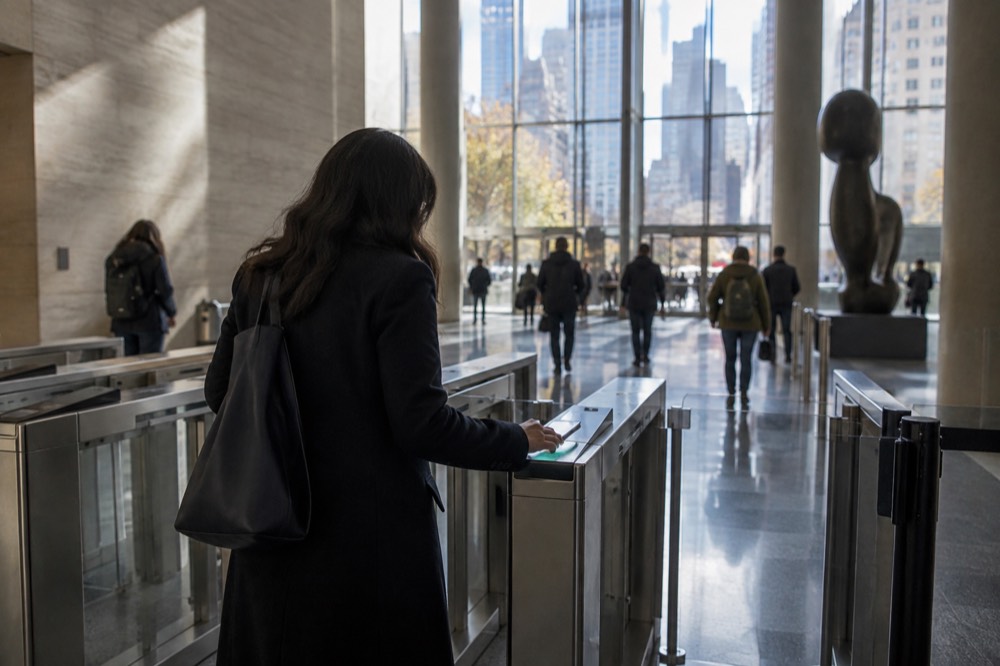
Getting between attractions is its own cost, and this is where current advice has changed. The old guidance, "buy a 7-day unlimited MetroCard when you land," no longer works: as of 1 January 2026 the MTA no longer sells or refills MetroCards at all. The replacement is automatic OMNY fare capping at $35 per 7-day period, which applies when you tap the same card or device for every ride, with no pass to buy in advance. Our OMNY guide covers the mechanics, including the rule that mixing your phone and a plastic card breaks the cap silently.
Budget your energy the way you budget your money. Three paid attractions a day in New York means a lot of walking, real transit time, and museum fatigue by day three. The travelers who get the most from an all-inclusive pass are the ones who plan rest blocks, use the included cruises and bus routes as sitting-down sightseeing, and accept that some entries will be short visits.
Common Questions About the New York Pass
The questions below are the ones buyers actually ask before purchasing: whether the pass covers specific headline attractions, how activation and the day clock work, whether children need passes, and how the New York Pass compares with CityPASS for a typical first trip. Each answer is sourced from the operators' own published terms and the box-office prices verified for this site.
Is the New York Pass the same as Go City?
Effectively, yes. The New York Pass now sits inside Go City as the All-Inclusive option for New York: same parent company, same attraction inventory, co-branded. Treat the two names as one product when comparing passes.
How many days should I buy on the New York Pass?
Buy the smallest tier that matches a genuinely packed itinerary. The pass only pays off at three or more paid attractions per day, so a 3-day pass used fully beats a 5-day pass used loosely. Count your realistic attraction list before choosing a tier, not after.
Does the New York Pass include the Statue of Liberty?
Check the live listing carefully. Harbor cruises that circle the islands without landing are a different product from the official ferry, and only Statue City Cruises is authorized to land at Liberty Island. The official ferry costs $26.00 for adults at the box office, grounds and both museums included, so verify the pass covers the landing ferry if being on the island matters to you.
Is the New York Pass or CityPASS better for a first trip?
For most first-time visitors, CityPASS. It costs $149, covers five marquee choices over nine consecutive days, and its math is easy to check against $307.04 in published box-office prices. The New York Pass wins only if you are stacking three or more paid attractions into every single day.
Do children need a New York Pass?
Child passes exist at lower prices, but several included attractions admit young children free anyway: the Whitney is free for anyone 25 and under, children 12 and under enter the Met free, and up to three children under 44 inches ride the subway free with a fare-paying adult. Price your children individually before adding them to a pass.
Can I pause the New York Pass for a rest day?
No. Once activated, the pass runs in consecutive calendar days with no pausing. If your trip includes rest days, low-energy days or weather-dependent plans, the Explorer Pass, which gives 30 days to spend your choices, fits that rhythm far better.

The Bottom Line on the New York Pass
The New York Pass is a good product wrapped in a marketing claim. Unlimited entry to 100+ attractions, from $169, genuinely saves money for travelers who visit three or more paid sights every day of its window, and it buys useful spontaneity on top. For everyone else, CityPASS at $149 for five marquee sights, or the Explorer Pass from $89 for flexible choices over 30 days, does the same job with less risk of paying for days you never used.
The honest closing advice is to plan first and buy second. Write down the attractions you actually intend to visit, price them at the box office, and only then see which pass, if any, beats that total. Travelers who do that arithmetic on this site's New York CityPASS page before checkout are the ones who never ask for a refund.
If the fixed five-choice bundle looks like the better fit after that arithmetic, the CityPASS listing shows the current attraction lineup and the live price before you commit.

Whatever you choose, buy from the live listing rather than from any cached price on any guide, this one included. Pass pricing is dynamic, promotions come and go, and the attraction lineup shifts. The figures on this page are the verified starting points; the operator's booking page is where the current numbers live. As the New York City Travel Guide desk puts it on every pass page: the math only works if you check it against your own list.