What to Pack for NYC: A Season-By-Season Packing List
New York punishes over-packers and under-dressers in equal measure. The city's own weather data says the packing advice you grew up with is wrong in at least two places.
Short answer
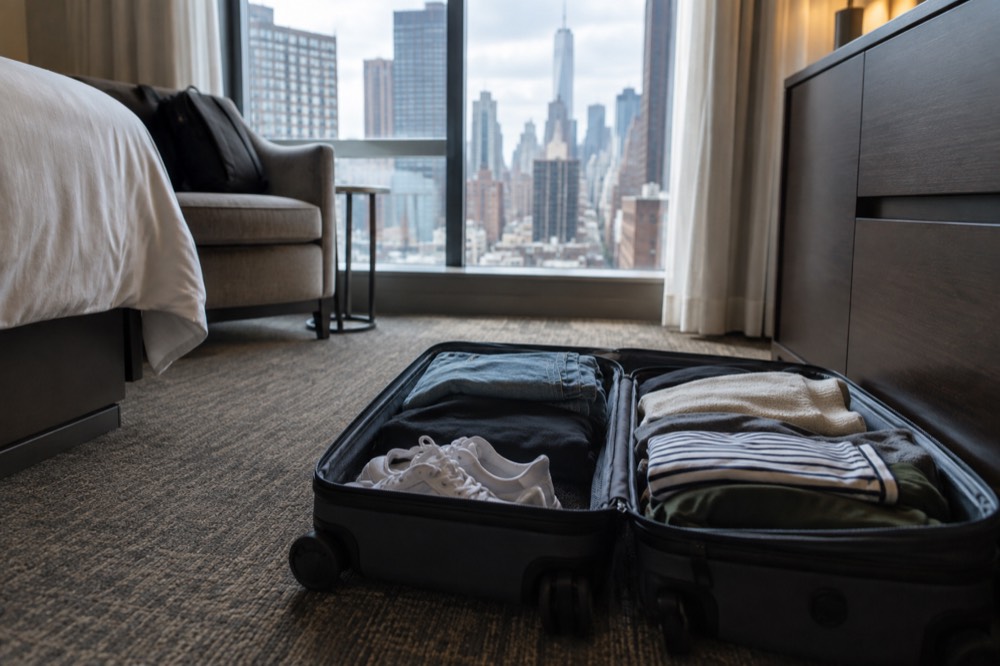
Pack for walking first and weather second: broken-in shoes, layers you can shed indoors, a tap-to-pay card or phone for the subway, and rain gear even in summer, because July is statistically New York's wettest month. Skip the umbrella-and-nothing-else mistake, skip dressy shoes you cannot walk ten blocks in, and skip the MetroCard, which is no longer sold.
The average visitor to New York walks somewhere between five and ten miles a day without noticing, then discovers it at 9pm in a hotel room with a blistered heel. That single fact shapes almost every decision in this packing list. The second fact that shapes it is less famous: the official NOAA climate normals for Central Park show that July, not April, is the wettest month in New York, averaging 4.60 inches of precipitation against June's 4.54 and August's 4.56. Most people pack for summer heat and forget the rain entirely.
This guide is built on the verified numbers rather than folklore. Where a claim below rests on a figure, it comes from the National Park Service, the MTA, NOAA or the attractions themselves, and where the honest answer is "check before you go," it says so. For the wider sightseeing picture that packing feeds into, start with the full things-to-do overview for NYC, and see the homepage of New York City Travel Guide for how the site is organized.
What to Pack for NYC in Every Season
Every New York packing list rests on four items: broken-in walking shoes, a light layer for air conditioning, a tap-to-pay method for the subway, and compact rain gear you will actually carry. Everything else is seasonal adjustment. The shoes matter most, because the subway, the museums and the neighborhoods are all pedestrian-scale, and a bad pair will cost you more of your trip than any weather event.
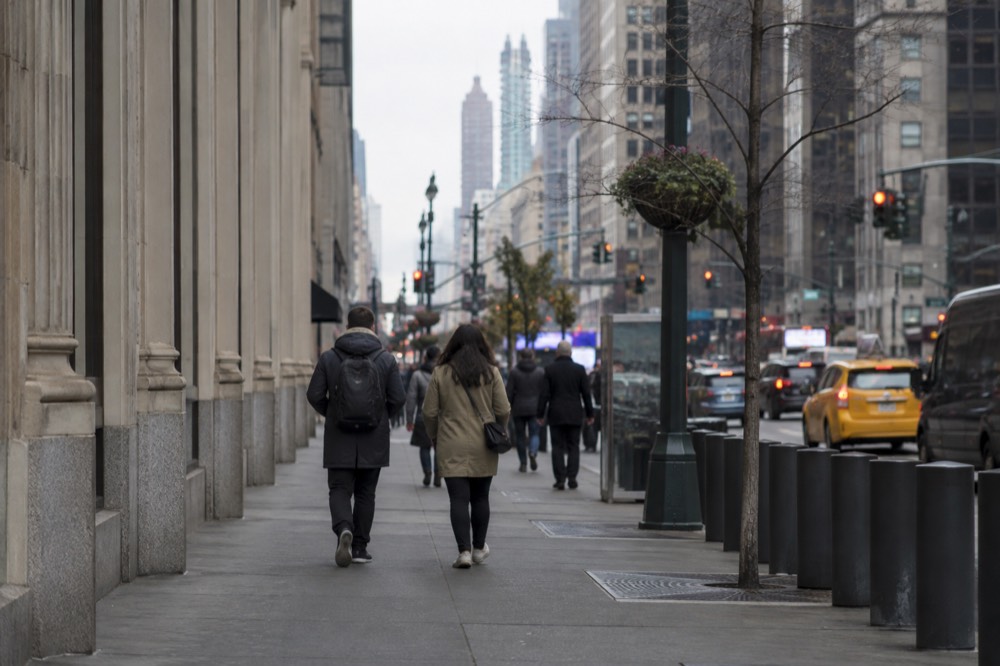
Start with the shoes, because nothing else on the list compensates for getting them wrong. New York's sidewalks are hard granite and concrete, the subway almost always adds stairs, and the classic itinerary, say Fifth Avenue to the Met, or the Brooklyn Bridge to DUMBO, involves hours on your feet. New sneakers straight out of the box are a known trip-killer. Whatever you bring, wear it for a couple of weeks at home first.
The layer comes second. New York interiors are aggressively air-conditioned in summer and heavily heated in winter, and the swing between street and subway car can be 15 degrees or more. A packable jacket or cardigan that fits in a day bag solves the problem for about nine months of the year.
The tap-to-pay method comes third, and this is where most guides are now out of date. There is no transit pass to buy before you travel. The subway fare is $3.00 per ride, and OMNY, the MTA's contactless system, caps you automatically at $35 in a rolling seven-day period for subway and local bus rides, as long as you tap the same card or device every time. A plain credit card, debit card or phone wallet works at every turnstile.
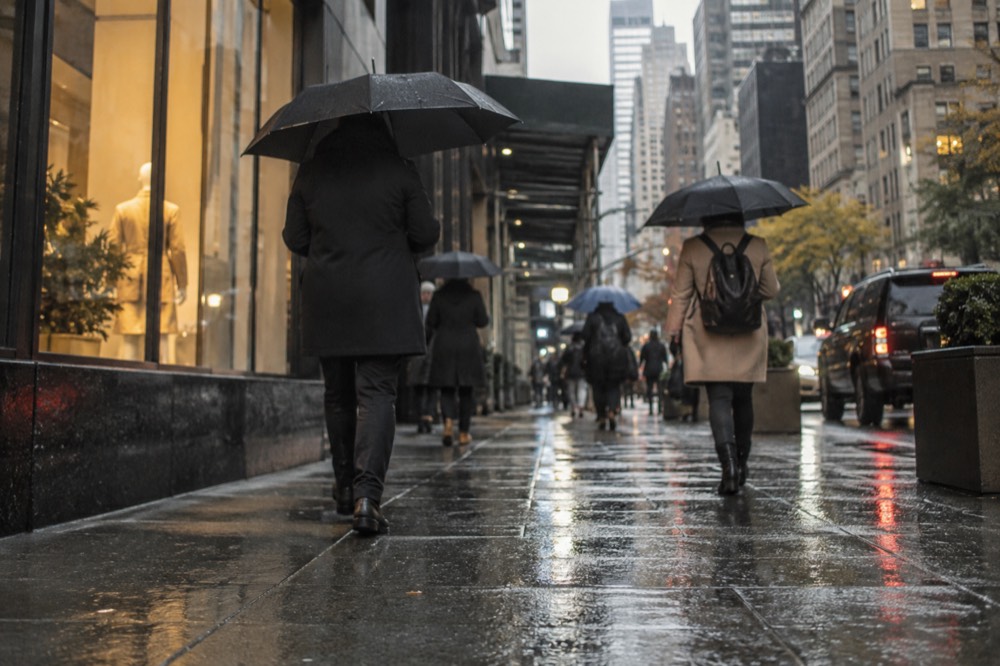
Rain gear comes fourth. The city averages over three inches of precipitation in every single month of the year, and there is no dry season. A compact umbrella that survives wind, or better, a hooded rain shell, earns its place in the bag year-round.
What Should You Actually Leave at Home?
Leave behind the dressy shoes, the hair dryer, the MetroCard plans, the full-size toiletries and more than two pairs of shoes in total. New York hotels universally provide hair dryers, the MetroCard cannot be bought anywhere since 1 January 2026, dress shoes fail on subway stairs and long blocks, and every drugstore in Manhattan sells anything you forget at roughly normal prices.
The MetroCard point deserves its own paragraph because it reverses advice printed in nearly every guide on the internet. The MTA retired MetroCard sales and refills on 1 January 2026. The product a visitor used to buy on arrival, the 7-day unlimited, no longer exists in any purchasable form. Its replacement is not a product at all: the $35 weekly OMNY cap applies automatically when you tap the same card or device. There is nothing to order, nothing to collect, nothing to lose. If a packing checklist tells you to buy a transit pass before you fly, that checklist is stale.
The hair dryer point is simpler. Hotel rooms in New York, from budget chains upward, include one. The space and weight it consumes are better spent on an extra pair of socks.
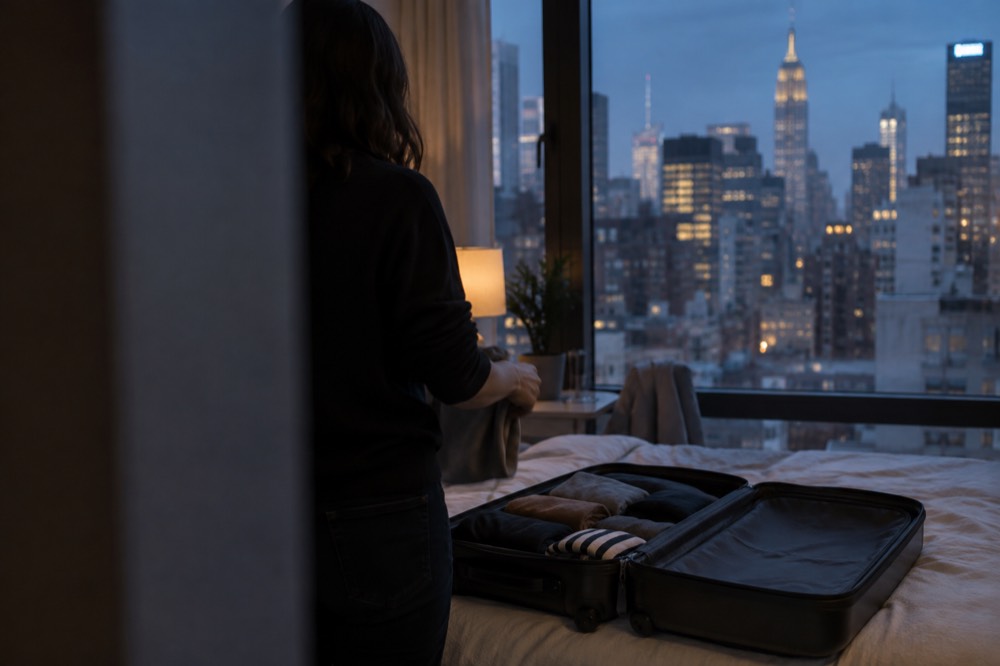
The dressy shoes point is a comfort calculation, not a style judgment. Unless your itinerary is strictly cars-and-restaurants, you will walk, and you will walk on surfaces that punish leather soles. New York restaurants, including very good ones, do not enforce dress codes the way some European cities do. One pair of shoes you can walk ten blocks in, plus optionally one pair of presentable flats, covers the realistic range.
| Item | Bring it? | Why |
|---|---|---|
| Broken-in walking shoes | Yes, essential | The average day involves hours on foot and subway stairs |
| Packable layer | Yes, essential | Indoor heating and air conditioning swing widely from street temperature |
| Contactless card or phone | Yes, essential | The only transit payment a visitor needs; taps at every turnstile |
| Compact umbrella or rain shell | Yes, all seasons | Every month averages 3+ inches of precipitation |
| MetroCard | No | Not sold or refilled anywhere since 1 January 2026 |
| Hair dryer | No | Provided in essentially all hotel rooms |
| Dress shoes | No, usually | Subway stairs and long blocks make them a net negative |
| More than 2 pairs of shoes | No | Weight and space cost more than the flexibility is worth |
| Full-size toiletries | No | Buy anything forgotten at any drugstore |
How Does New York Weather Actually Behave, by Month?
New York's weather contradicts two common assumptions: July is the wettest month, averaging 4.60 inches of rain, and February is both the snowiest month, averaging 10.1 inches against January's 8.8, and the driest, at 3.19 inches of total precipitation. Summer highs average 84.9°F in July, winter lows average 27.9°F in January, and no month is reliably dry. These are the NOAA 1991-2020 climate normals for Central Park.
That table is the backbone of every seasonal packing decision below. The two headline inversions are worth internalizing. Visitors book summer trips expecting dry heat and brace for January blizzards, when the official record says the opposite on both counts: the midsummer month is the rainy one, and the late-winter month is the snowy one.
| Month | Avg high | Avg low | Precipitation | Snowfall |
|---|---|---|---|---|
| January | 39.5°F | 27.9°F | 3.64 in | 8.8 in |
| February | 42.2°F | 29.5°F | 3.19 in | 10.1 in |
| March | 49.9°F | 35.8°F | 4.29 in | 5.0 in |
| April | 61.8°F | 45.5°F | 4.09 in | 0.4 in |
| May | 71.4°F | 55.0°F | 3.96 in | 0.0 in |
| June | 79.7°F | 64.4°F | 4.54 in | 0.0 in |
| July | 84.9°F | 70.1°F | 4.60 in | 0.0 in |
| August | 83.3°F | 68.9°F | 4.56 in | 0.0 in |
| September | 76.2°F | 62.3°F | 4.31 in | 0.0 in |
| October | 64.5°F | 51.4°F | 4.38 in | 0.1 in |
| November | 54.0°F | 42.0°F | 3.58 in | 0.5 in |
| December | 44.3°F | 33.8°F | 4.38 in | 4.9 in |
Two practical readings follow. First, the spread between the driest month and the wettest is only about 1.4 inches, which means rain gear belongs in the bag in every season, not just spring. Second, February's combination of heaviest snow and least liquid precipitation means winter visitors are more likely to meet dry, bright, cold days in February than in January, provided they pack for the cold itself.
What to Pack for NYC in Summer (June to August)
Pack for summer in New York as a heat-and-rain problem: lightweight, breathable clothing, a hat and sunscreen for exposed avenues, a light layer for freezing subway cars and museums, and real rain protection, because June, July and August are the three wettest months of the year at 4.54, 4.60 and 4.56 inches respectively. Average July highs reach 84.9°F with lows near 70°F.
The layer advice surprises people until their first museum afternoon. Galleries like the Met and MoMA run their climate systems hard, and a visitor in shorts and a tank top can go from sweating on 5th Avenue to shivering in front of a painting in the space of one doorway. A thin long-sleeve shirt or packable cardigan fixes this and weighs almost nothing.
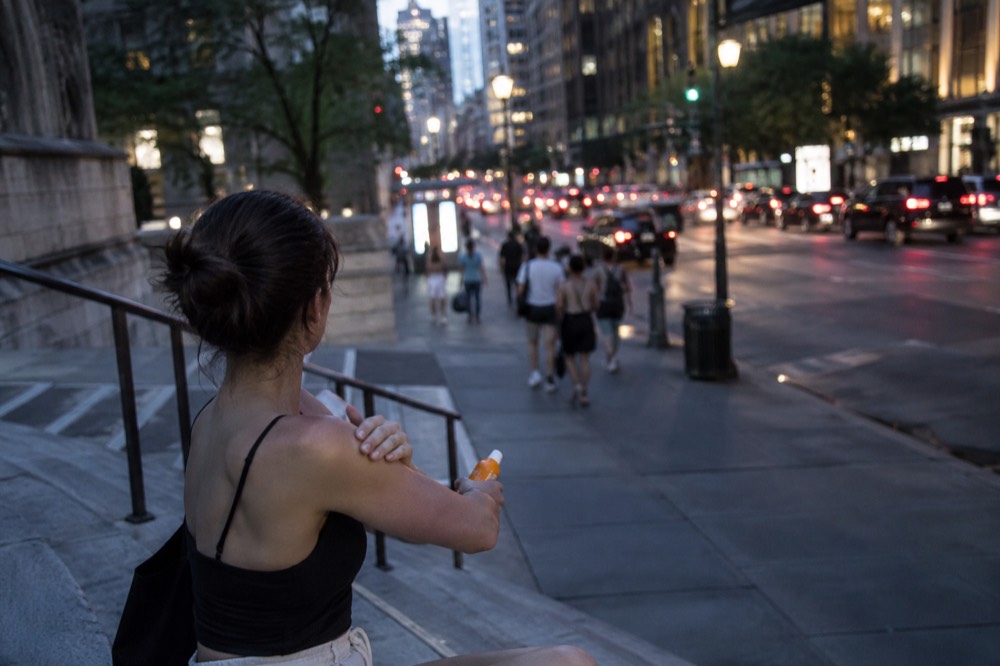
Footwear in summer is a socks problem. Sandles fail on subway platforms and grates; if you bring them, bring them as a second pair. The primary pair should still be the broken-in walkers, because summer itineraries, the High Line, Central Park, bridge walks, run long.
Sun protection is not optional. Midtown's avenues are canyon-like, but Central Park, the Brooklyn Bridge promenade and the harbor cruise decks are fully exposed, and a July afternoon on the water burns quickly. A hat, sunscreen and a water bottle you refill are the three cheap items that most improve a summer day. For the water specifically, see the guide to NYC harbor cruises, where wind and spray are part of the deal.
What to Pack for NYC in Winter (December to February)
Pack for winter in New York as a damp-cold problem, not a dry one: a real insulated coat, waterproof footwear with grip, gloves, a hat that covers ears, and thermal layers under everything, because average lows sit between 27.9°F and 33.8°F and February delivers the heaviest snowfall of the year at 10.1 inches. Sidewalk slush is the defining winter hazard, and it ruins thin shoes faster than the cold itself does.
The slush point is the one locals know and visitors learn the hard way. Snow in New York does not stay pristine; it gets churned into gray meltwater at every corner and pooled at every curb cut. Leather-soled shoes, canvas sneakers and any footwear with visible seams will soak through within an hour. Waterproof boots or shoes with a rubber sole and some tread are the single highest-value winter item.
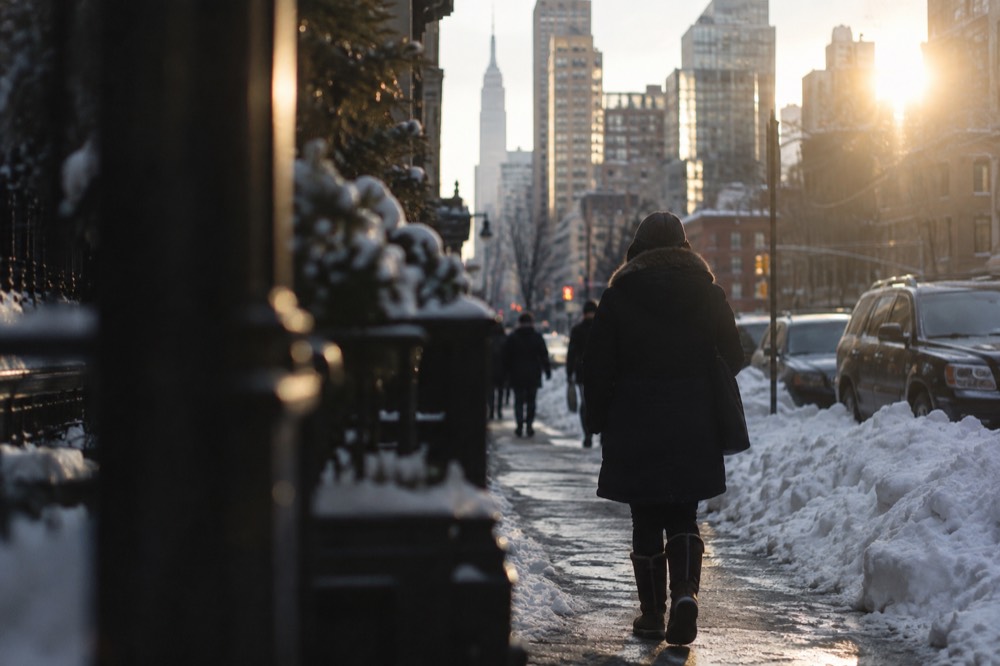
Layering matters more than coat thickness, because the indoor-outdoor swing is at its winter extreme: street at 30°F, then a heated restaurant or a packed subway car at 70°F. A base layer plus sweater plus coat lets you strip down indoors instead of sweltering. Scarves and gloves are cheap enough to buy there if forgotten, but the coat and boots are not, and those two items are worth getting right before you fly.
One honest caveat: December and January itineraries often include outdoor standing events, from the Rockefeller Center tree to the Times Square countdown, and those change the math entirely. The Christmas in NYC guide covers what those specific evenings demand, which is more than everyday winter sightseeing does.
What to Pack for NYC in Spring and Fall?
Pack for spring and fall in New York as a layers-only problem: the same base list as summer plus a medium jacket, because average highs swing from 49.9°F in March to 71.4°F in May and from 64.5°F in October down to 54.0°F in November, and rain stays constant at roughly 3.5 to 4.4 inches every month.
A single outfit cannot cover the whole day in these seasons, so a day bag with a stowable layer is the working solution.
March is the trickiest month on the calendar. Its average high of 49.9°F sounds manageable until you meet a wind tunnel between Midtown towers, and its 4.29 inches of precipitation plus 5.0 inches of snow mean the month can deliver rain, snow or both in one visit. A March visitor needs the winter list's footwear and the spring list's flexibility at the same time.
October is the opposite: the most forgiving month, with 64.5°F average highs, 51.4°F lows and barely any snow in the record. It is also one of the wetter months at 4.38 inches, so the rain shell still earns its slot. For the fuller picture of which month suits a visit, the best time to visit NYC guide works through crowds and prices as well as weather.
| Season | Core additions to the year-round list | The one item people forget |
|---|---|---|
| Summer | Breathable clothing, hat, sunscreen, refillable water bottle | The indoor layer for air conditioning |
| Fall | Medium jacket, scarf, comfortable closed shoes | Rain shell, October averages 4.38 in |
| Winter | Insulated coat, waterproof boots, gloves, hat, base layers | Spare socks, for sidewalk slush |
| Spring | Packable jacket, umbrella, layers for a 15-degree daily swing | Footwear with grip, for March snow and rain |
What Should Go in Your Day Bag Every Day?
A New York day bag needs five things: your tap-to-pay card or phone, a slim power bank, a stowable layer or rain shell, a refillable water bottle, and one folded tote for purchases. Add your hotel key card and ID, and nothing else.
The bag gets carried up and down subway stairs and through security checks at museums and observation decks all day, so every item must justify its weight, and a bag you can wear hands-free beats anything carried by hand.
The power bank is the item people skip and then regret. A day built around maps, transit apps, ticket QR codes and photos drains a phone by mid-afternoon, and the ticket on that phone screen may be your entry to the deck you booked. A slim battery the size of a card case removes the risk entirely.
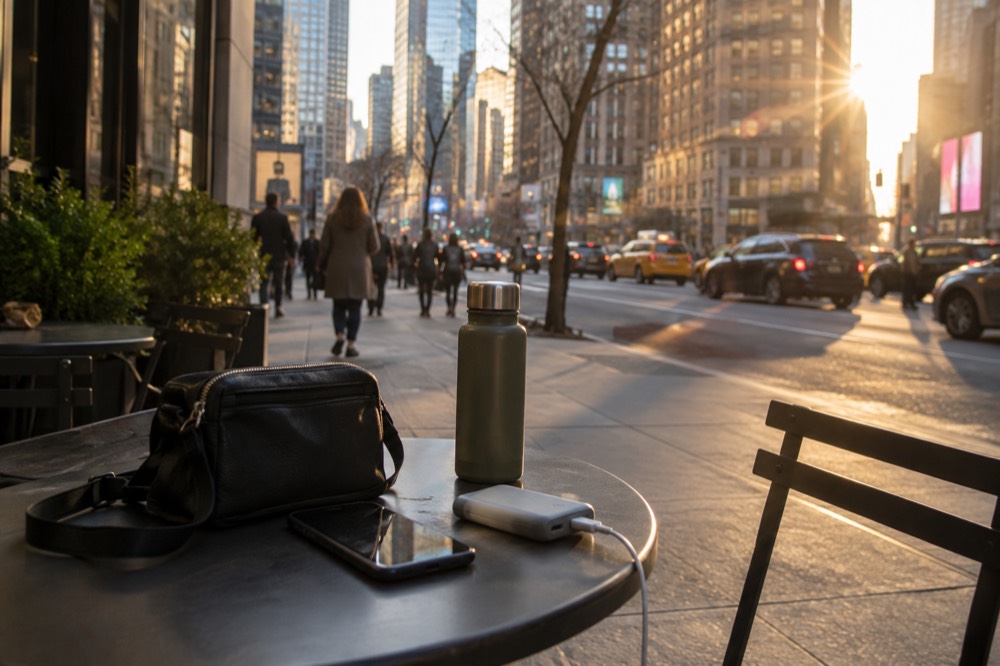
The tote is the item that quietly improves the day. Between farmers markets, bookstores, souvenir shops and the drugstore run for something you forgot, New York generates small purchases, and a folded bag that weighs nothing keeps you from accumulating plastic bags or carrying boxes.
Security checks deserve a word. Large museums and observation decks run bag inspection, and a bag with twenty compartments slows every line you join. One main zip plus a small front pocket is the fastest shape through screening. If your itinerary stacks several museums in a trip, the museums in NYC guide notes which ones have the strictest entry procedures.
Do You Need to Pack Anything Special for the Subway?
No, beyond a contactless card or phone and comfortable shoes: the subway requires no ticket, pass or app bought in advance, the fare is $3.00 per ride, and the $35 weekly cap applies automatically when you tap the same card or device at every turnstile. Up to three children under 44 inches tall ride free with a fare-paying adult. The only genuine packing requirement is footwear that handles stairs, since most stations have them.
The one behavioral rule that matters for the cap: tap the same physical card or the same device every time. Mixing a phone in the morning with the plastic card in the afternoon silently breaks the weekly cap, and each payment method accumulates its own separate count. Pick one before you land and stay with it.
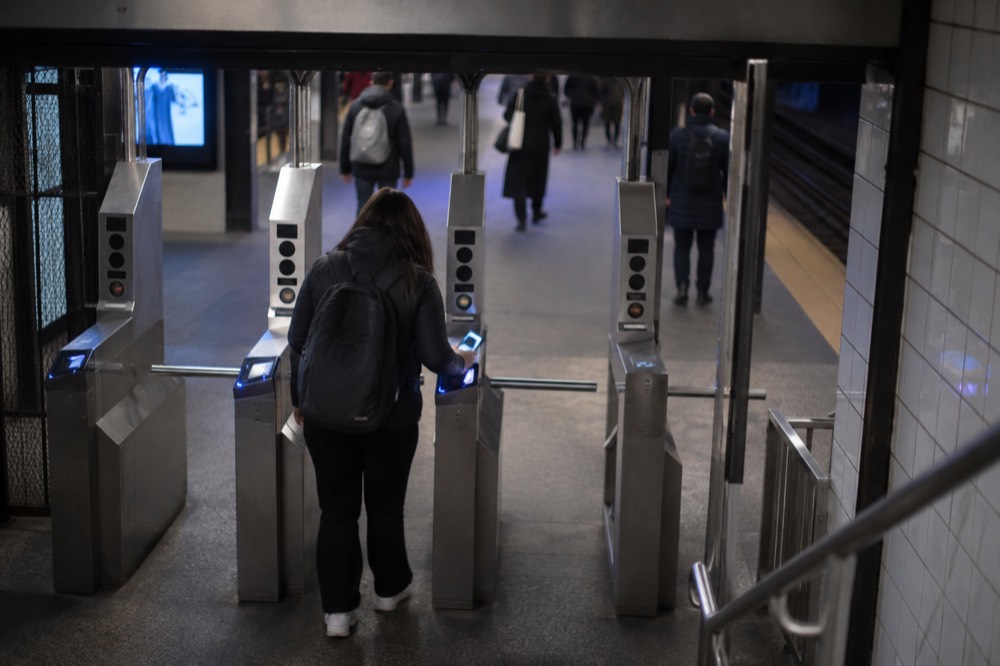
For families, the height rule is the packing-adjacent fact worth knowing: children under 44 inches ride free, up to three per adult, on both the subway and local buses. That removes any need to plan child fares at all for most visiting families with younger kids.
The fuller mechanics, including transfers and the express-bus fare, live in the NYC subway guide, and the OMNY rules are detailed in the OMNY guide. Neither page will ask you to pack anything, which is itself the point.
Should You Pack for Dressy Nights Out?
Pack one dressy outfit at most, and only if your itinerary genuinely includes a fine-dining reservation, a gala-style event or a premium theater night, because New York's dress norms are far more casual than visitors expect and no Broadway house enforces a dress code. The practical standard for restaurants and shows is smart casual, and one outfit covers every realistic dressed-up occasion on a typical trip.
Broadway is the case people ask about most. There is no dress code at any Broadway theater, and the real audience on any given night runs from blazers to hoodies. What actually matters for a theater night is comfort across a two-and-a-half-hour sit and a post-show walk to dinner or the subway, which argues for the same shoes you packed for everything else. The best Broadway shows guide covers what's playing; none of it requires new clothes.
Fine dining is the one honest exception. A handful of the city's top restaurants maintain an expectation of elevated dress, and if you hold a reservation at one, pack for it deliberately: one outfit, worn twice if needed, beats a second pair of dress shoes that spend the trip in the suitcase.
Common Questions About Packing for New York City
The questions visitors ask most are what shoes to bring, whether to pack an umbrella in summer, what to do about the subway pass, how much to pack in total, and whether dressy clothes are needed. The short answers: broken-in walkers, yes always, nothing because no pass exists anymore, less than you think, and one outfit at most. Each answer below expands on the verified figures behind it.
What shoes should I pack for NYC?
One pair of broken-in walking shoes you have worn for at least a couple of weeks, plus optionally one light second pair. The average sightseeing day involves hours on hard sidewalks and subway stairs, and no other packing decision affects the trip as much. Waterproof them if visiting between November and March, when sidewalk slush soaks through thin footwear quickly.
Do I need an umbrella in summer?
Yes. July is the wettest month of the year in New York at 4.60 inches of precipitation, ahead of August at 4.56 and June at 4.54, according to the NOAA 1991-2020 Central Park normals. A compact umbrella or a hooded rain shell belongs in the bag in every month, since no month of the year averages under three inches.
Should I buy a MetroCard or transit pass before my trip?
No, and you cannot. The MTA stopped selling and refilling MetroCards on 1 January 2026, and the 7-day unlimited pass no longer exists as a purchasable product. Tap a contactless card or phone at the turnstile instead: rides cost $3.00 each and cap automatically at $35 in a rolling seven-day period, provided you use the same card or device every time.
How much should I pack for a week in New York?
Less than feels natural: roughly five or six days of clothing with access to laundry, two pairs of shoes at most, and a day bag. Hotels provide hair dryers and toiletries, drugstores sell anything forgotten, and the weight penalty of over-packing is paid daily on stairs and in transit. A carry-on-sized bag for a week is realistic for most travelers in every season.
Do I need dressy clothes for Broadway or restaurants?
Almost never. Broadway theaters have no dress code, and the standard at nearly all restaurants is smart casual. Pack one dressy outfit only if you hold a reservation at a top fine-dining room, and skip dress shoes entirely unless your itinerary is cars-and-restaurants the whole way.
What should go in my day bag in New York?
Five things: your tap-to-pay card or phone, a slim power bank, a stowable layer or rain shell, a refillable water bottle, and a folded tote for purchases. Keep the bag simple, since museums and observation decks run security checks, and wear it crossbody to keep hands free on stairs and crowded platforms.
The final packing decision is not an item at all. It is the choice to pack for the city that exists, where July rains, February snows, the subway takes a tap instead of a ticket, and the best pair of shoes you own is worth more than any jacket you were considering. Get those four things right and the rest of the list mostly fills itself in.