Financial District NYC: A Local-Bureau Guide to Wall Street, the Harbor and the 9/11 Memorial
The Financial District is where New York began, where the money lives, and where three of the city's biggest draws sit within a fifteen-minute walk of each other. Here is what a day or a whole stay actually looks like.
Short answer
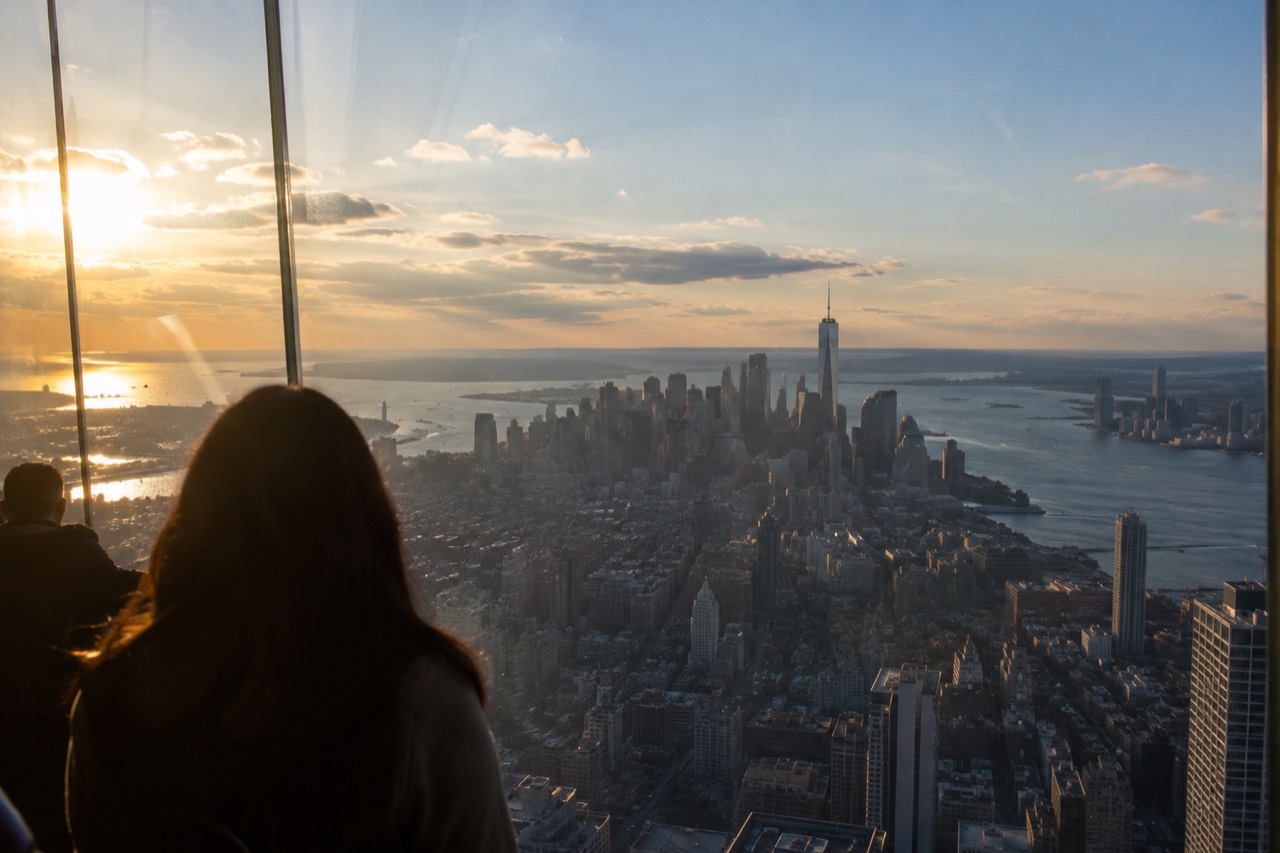
The Financial District is the densest sightseeing zone in NYC: the 9/11 Memorial, Wall Street, the Statue of Liberty ferries and One World Observatory all sit within walking distance. It is quieter at night than Midtown, cheaper to stay in on weekends, and easy to reach from both JFK and Newark.
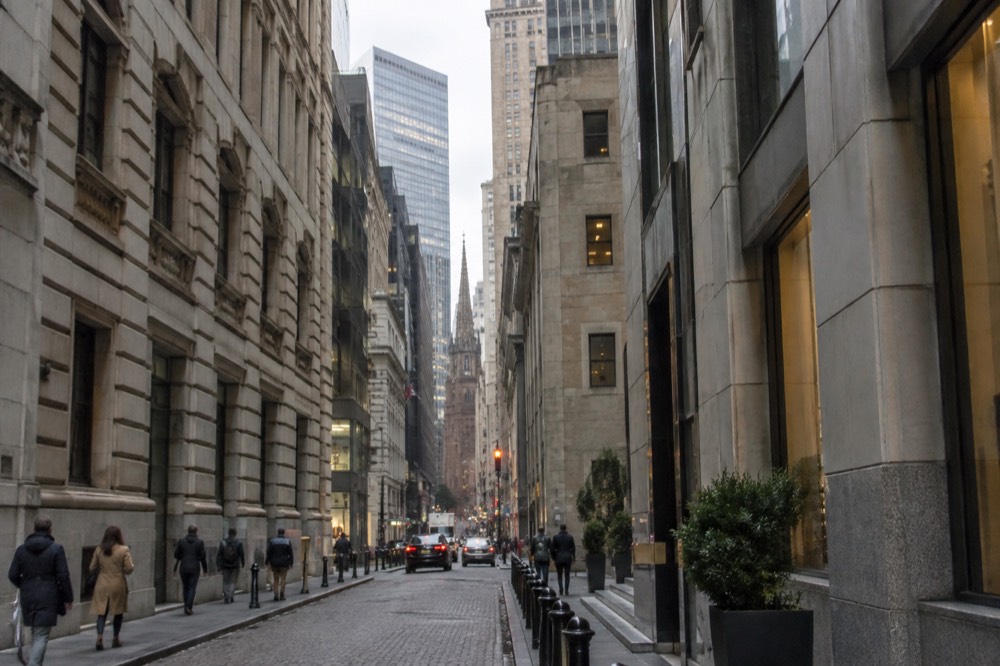
Lower Manhattan is where the city started, and the street plan still shows it. While Midtown runs on a tidy grid, the Financial District keeps the crooked lanes the Dutch laid out in the colonial era, so Stone Street bends, Pearl Street wanders, and Broadway slices diagonally through everything. Above those lanes now stand the headquarters of the money that runs the world, and between them sit three of the biggest reasons visitors come to New York at all: the 9/11 Memorial, Wall Street, and the ferry docks for the Statue of Liberty.
This guide covers the Financial District as both a day out and a base. It runs on figures checked against the National Park Service, the 9/11 Memorial and Museum's own ticketing pages, and the MTA, and it names the free walking tours on GuruWalk honestly, because those are tip-based walks run by independent guides, not our products. For the wider picture of the borough, start with our things to do in NYC overview, then come back here for the deep dive on this one corner.
What Is the Financial District in NYC?
The Financial District, or FiDi, is the southern tip of Manhattan, roughly everything south of City Hall Park, with the rivers on both sides. It is the oldest part of New York, the home of the New York Stock Exchange and the Federal Reserve's gold vault, and a workplace that largely empties each evening. For a visitor it works as one walkable zone holding Wall Street, the 9/11 Memorial, Battery Park and the Statue of Liberty ferry terminals.
The scale surprises people. You can walk from the Brooklyn Bridge anchorage to Battery Park in about twenty minutes, passing the Stock Exchange, Federal Hall, Trinity Church and the memorial on the way. Nothing here requires a subway ride once you have arrived, which is rare in a city where the honest answer to most transport questions is the train.
The neighborhood's character splits sharply by the clock. On a weekday at lunch the streets around Wall Street are packed with office workers grabbing a slice or a salad. By 8pm the same blocks go quiet, because FiDi is a commercial district first and a residential one second. That has a real effect on two things travelers care about: hotel prices, which drop hard on weekends, and dinner options, which are thinner than in the Village or Midtown.
The history runs deeper here than anywhere else in the five boroughs. This was New Amsterdam, then New York under the British, then the first capital of the United States, where George Washington took the oath of office at Federal Hall. The 9/11 Memorial sits a few blocks from that spot, and the contrast between the two is part of what makes the district feel weighty rather than merely busy.
Is the Financial District a Good Place to Stay in NYC?
FiDi is a strong base for sightseers and a weak one for night owls. Hotel rates run noticeably lower than Midtown, especially on weekends when the office crowd leaves, and the subway connections are excellent: the A, C, J, Z, 2, 3, 4 and 5 trains all stop in or beside the district, putting both airports and every major attraction within reach. The trade-off is a quiet evening scene and fewer restaurants open late.
The weekend discount is the single best argument for staying here. FiDi's hotels were built for business travelers, and when those travelers go home on Friday, leisure rates fill the gap. For a first-time visitor whose itinerary is heavy on the Statue of Liberty, the 9/11 Memorial, the Brooklyn Bridge and One World Observatory, staying in FiDi puts every one of those within a short walk. Midtown's theaters and Times Square are a straight ride up the 2, 3, 4 or 5.
Who should skip it? Anyone whose trip is built around nightlife, late dinners or bar-hopping will find the neighborhood sleepy after the offices close. The East Village, the Lower East Side and Hell's Kitchen all offer far more after dark. Families, early risers and travelers who want to be first in line at the ferry dock will find FiDi close to ideal.
If you do stay here, book a hotel near the Water Street or Broad Street corridor for the best subway access, and plan at least one dinner elsewhere in Manhattan. The neighborhood's own evening options are improving but still thin, and pretending otherwise would be dishonest.
What Are the Top Things to Do in the Financial District?
The essential FiDi list is short and dense: the 9/11 Memorial plaza, which is free and needs no ticket; Wall Street and the New York Stock Exchange exterior; Federal Hall; Trinity Church; Battery Park and its harbor views; the Staten Island Ferry terminal; and One World Observatory above it all. Add the Statue of Liberty and Ellis Island ferries from Battery Park and you have the most concentrated sightseeing day in New York.
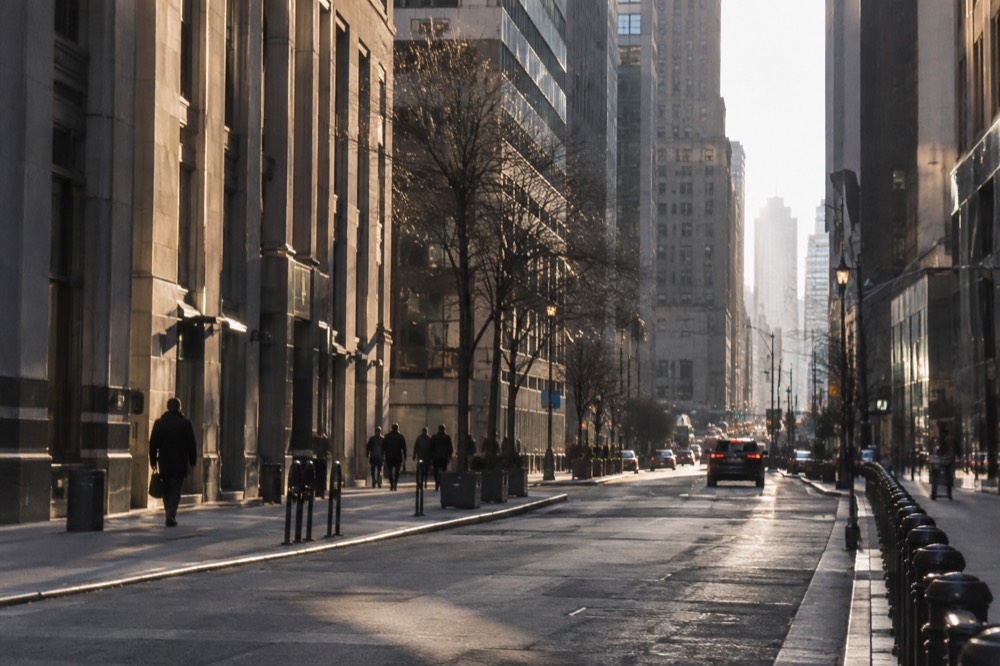
Wall Street itself is a single block, and the Stock Exchange is not open to public tours, so the experience is exterior: the facade, the Charging Bull a few blocks away, and Fearless Girl facing it. A guide adds a great deal here, because the mechanics of what actually happens inside the exchanges are invisible from the sidewalk. The Wall Street Insider Tour with a Finance Professional exists precisely for that, pairing the photo stops with real explanations of how the markets work. Check availability
Federal Hall, on Wall Street's corner, is a national memorial marking where the first Congress met and Washington was inaugurated. It is free to enter. Trinity Church, a few blocks west, holds the graveyard where Alexander Hamilton is buried, and the current building's grounds sit in the shadow of towers that have replaced its predecessors on the skyline.
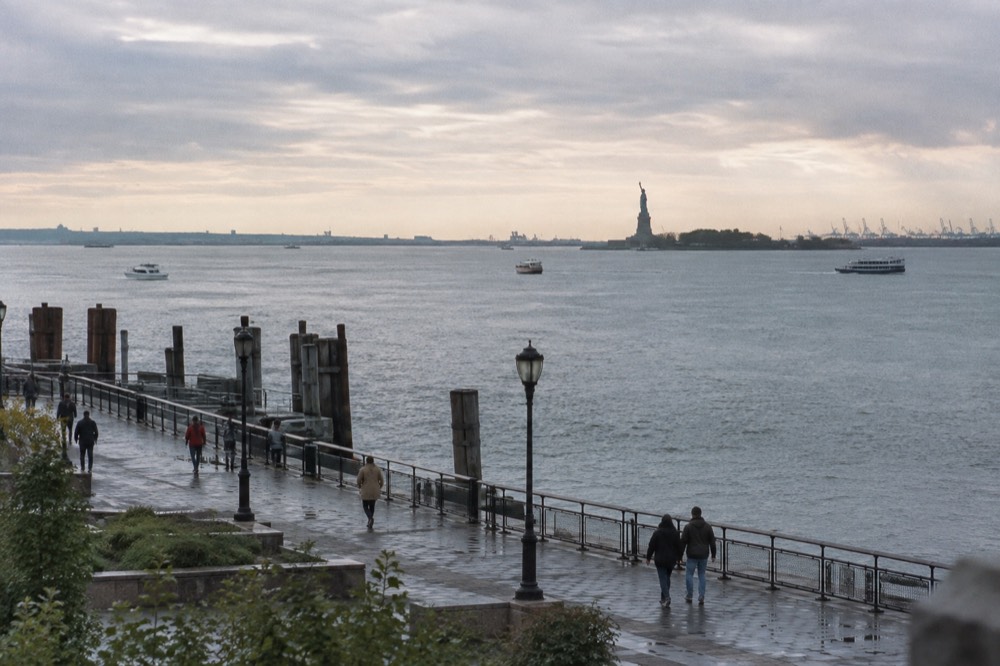
Battery Park is where the sightseeing turns to water. The park wraps the island's southern tip, with harbor views toward the Statue of Liberty and the ferries departing from inside it. Castle Clinton, the circular fort in the park's center, doubles as the official ticket point for the island ferries, a detail worth remembering when you read the ferry section below.
For the full memorial and observatory picture, our dedicated pages go deeper: the 9/11 Memorial and Museum guide covers tickets and timing, and the One World Observatory guide covers the deck itself. The Wall Street guide expands on the finance sights.
How Do You Visit the 9/11 Memorial and Museum?
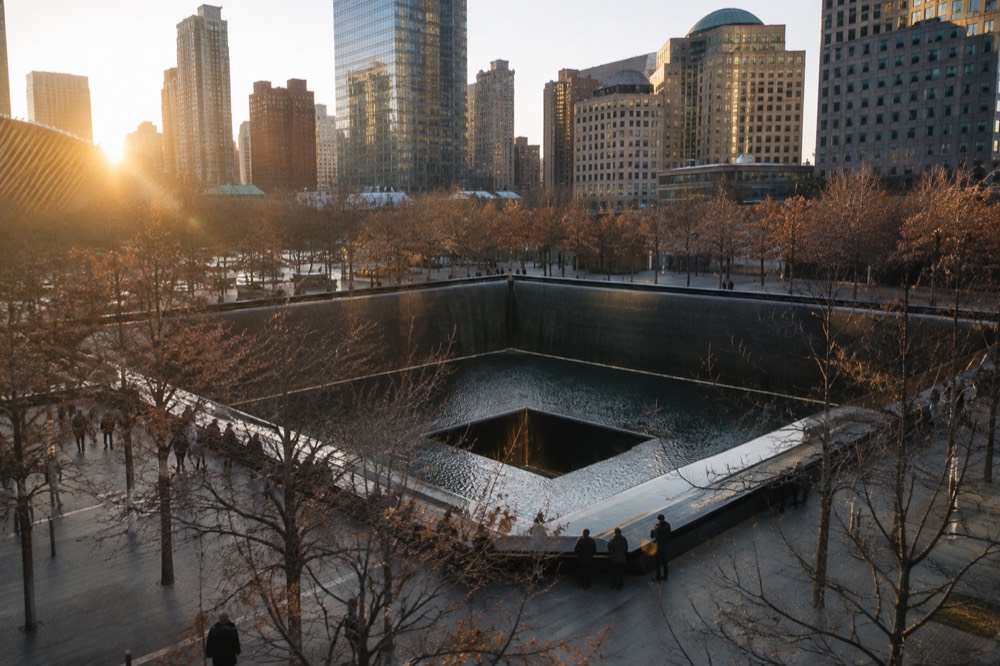
The 9/11 Memorial plaza, the two reflecting pools set into the footprints of the towers, is free and open daily from 8am to 8pm, with no ticket required. The museum beneath it charges $36 for adults, with timed entry, and releases a limited number of free tickets every Monday at 7am ET on its website, first come first served. The memorial is a place of remembrance, and it deserves unhurried time.
The plaza and the museum are two different experiences. The pools, with the names of the dead cut into their bronze parapets, can be visited in twenty minutes or an hour, and many people simply sit at the edge. The museum, down a ramp beside the surviving slurry wall and the last column, holds personal artifacts and recordings, and most visitors find it emotionally heavy going rather than a quick attraction.
Timed tickets are the practical advice. Walk-up lines on Fulton Street stretch long on busy days, and a reserved slot skips them. The museum also runs free admission for people who live, work or study in the New York area on the first Sunday evening of each month, and participates in the Museums for All program with an EBT card at the box office.
The 9/11 Memorial and Museum sits at the site of a mass killing, so treat the visit with the plainness it asks for. Describe it, go, and give it the time it needs.
How Do You Get to the Statue of Liberty from the Financial District?
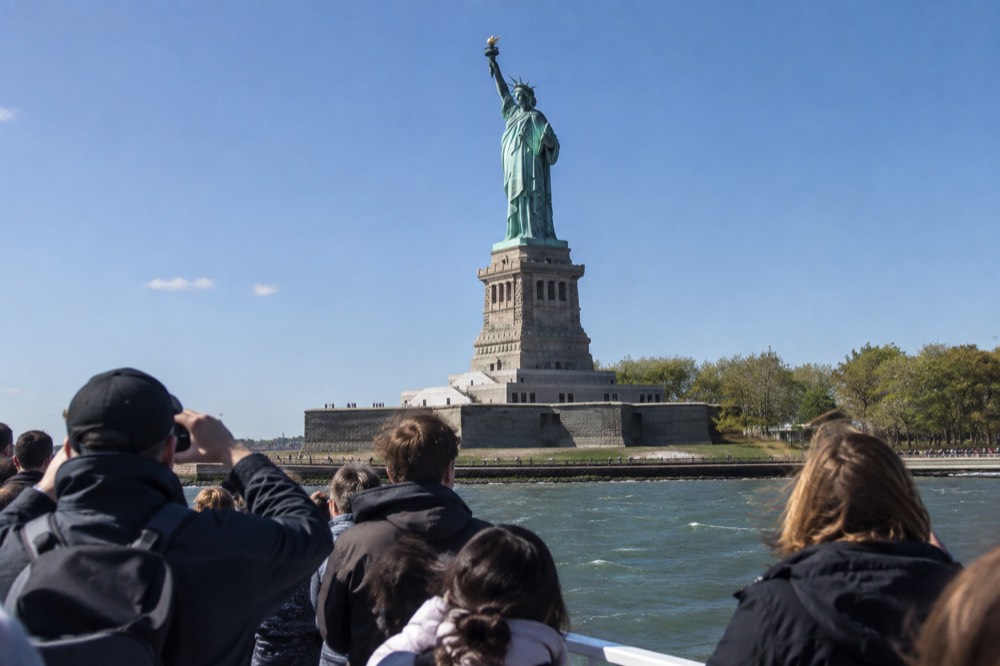
The official Statue of Liberty and Ellis Island ferry departs from inside Battery Park, at Castle Clinton, making the Financial District the most convenient base in the city for the islands. An adult grounds ticket covering both islands and both museums costs $26.00, and the operator is Statue City Cruises, the only company authorized by the National Park Service to land there. Book early if you want the crown, which sells out months ahead.
The warning in the infogain block above is worth repeating in practical terms. Several harbor cruise operators sell boat trips that pass the statue closely and never land, and some charge more than the official ferry. If standing on Liberty Island is the goal, the ticket must be a Statue City Cruises ferry ticket, sold at statuecitycruises.com or at the Castle Clinton booth in the park. Our Statue of Liberty tickets guide breaks down every tier.
| Ticket tier | Adult | Child 4-12 | Senior 62+ |
|---|---|---|---|
| General/Reserve (both islands, grounds and museums) | $26.00 | $17.00 | $23.00 |
| Pedestal Reserve | $26.30 | $17.30 | $23.30 |
| Crown Reserve | $26.30 | $17.30 | $23.30 |
| Ellis Island Hard Hat Tour (13+ add-on) | +$55 | n/a | n/a |
Children under 4 ride free. Crown and pedestal access are capacity-limited and benefit from booking as early as your dates allow; the crown in particular is reported to sell out around 90 days or more ahead, and the National Park Service's crown page is the place to check current conditions. Other pages covering the same trip are gathered on New York City Travel Guide.
Timing matters almost as much as the ticket. The first ferries of the morning carry the thinnest crowds, and Liberty Island feels like a different place at 9:30am versus 1pm. Budget three to five hours for both islands properly, more if the Ellis Island National Museum of Immigration pulls you in, which it usually does.
Where Should You Eat in the Financial District?
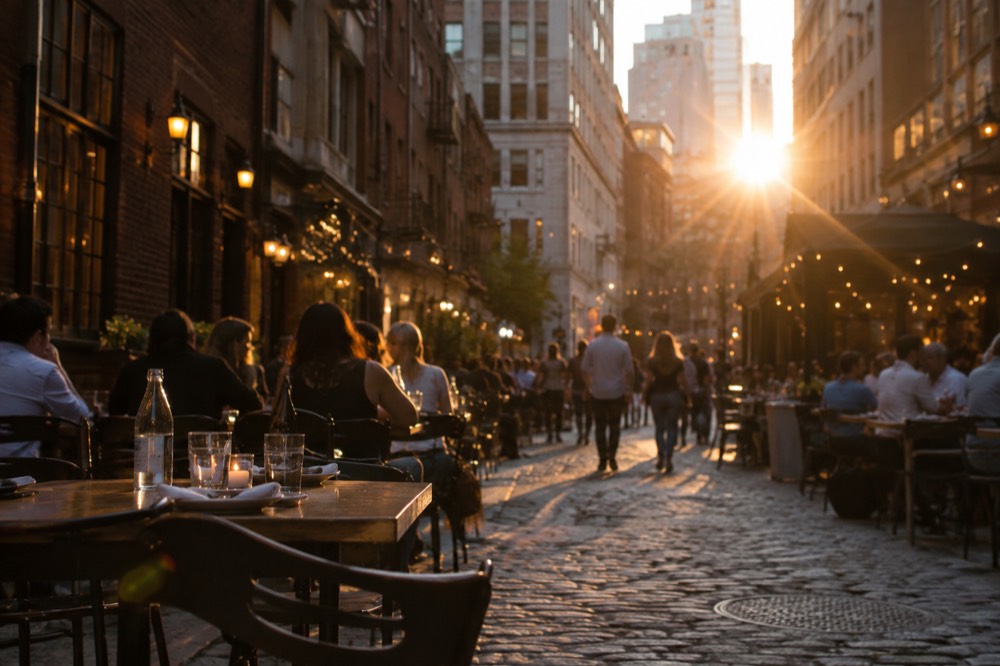
FiDi's food strengths are lunch, quick counter spots and the historic Stone Street dining lane, not destination dinners. Weekday lunch is genuinely excellent because the office crowd sustains a high volume of delis, halal carts, soup joints and salad chains. For a sit-down evening, Stone Street's outdoor tables under the lights are the neighborhood's best card, and Tribeca and the Seaport are a short walk or one subway stop away.
Stone Street is the one food destination that feels like a destination. The short, cobblestoned lane between Broad Street and Pearl Street fills with tables in warm weather, and the buildings on it are among the oldest in the neighborhood. It gets loud and tourist-adjacent on weekend nights, but on a weeknight it is one of Lower Manhattan's better outdoor scenes.
For the classic New York lunch formats, the blocks around Broad Street, William Street and Front Street hold a dense concentration of delis and quick-serve spots that empty out after 2pm on weekdays and run reduced hours on weekends. That is the honest planning advice: a Saturday visitor will find fewer of them open, so do not build a food-crawl plan around FiDi counter culture on a weekend.
| Meal | Best FiDi option | Honest caveat |
|---|---|---|
| Weekday breakfast | Delis and coffee shops near Water Street hotels | Many close by mid-afternoon |
| Weekday lunch | Delis, halal carts, soup counters around Broad and William | Crowded 12-1pm, quiet after 2pm |
| Weekend lunch | Stone Street, Seaport food halls | Some weekday-only spots shut |
| Dinner | Stone Street tables, hotel restaurants | Thin late-night scene, book ahead |
| Splurge | Tribeca, a 10-15 minute walk north | Outside FiDi proper |
The Stone Street and Seaport scene is covered from a food-lover's angle in our best restaurants in NYC guide, which places FiDi in the context of the whole city.
How Do You Get Around the Financial District?
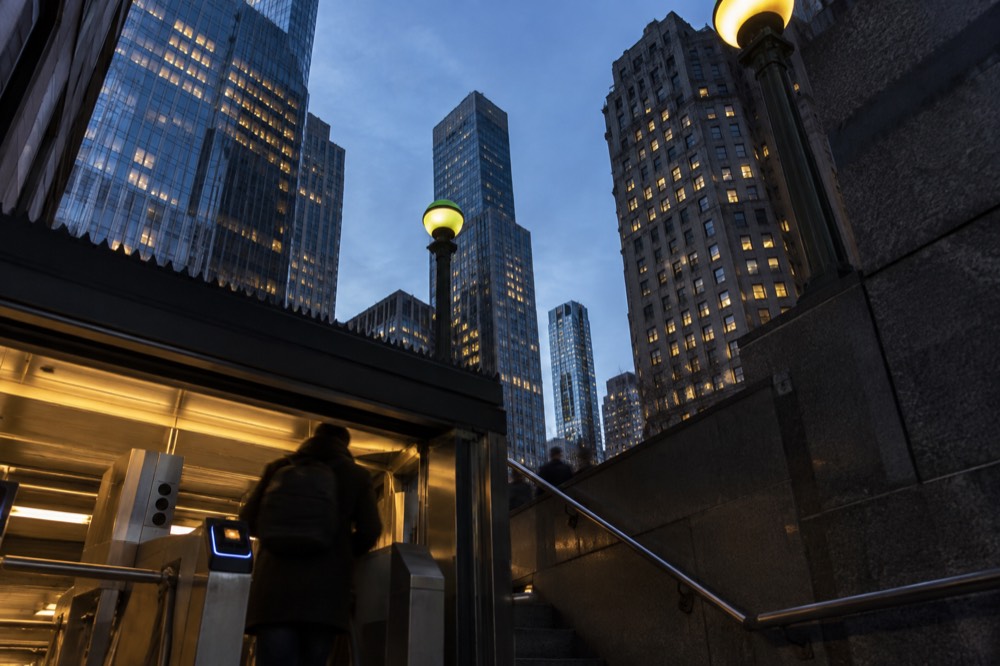
You walk. FiDi is compact enough that almost nothing inside it needs a train, and once you leave it, the subway is the honest answer: the 2, 3, 4 and 5 run up the east side to Wall Street, the A and C stop at Fulton Street, and the J and Z connect to the Brooklyn Bridge.
A single subway or local bus ride costs $3.00, tapped with OMNY, and the fare caps automatically at $35 in any rolling seven-day period.
That $35 cap is the fact most guides still get wrong. The 7-day unlimited MetroCard no longer exists: as of 1 January 2026 the MTA no longer sells or refills MetroCards at all, and the weekly value now comes from automatic OMNY capping, with no pass to buy and no decision to make. Tap the same card or device every time, because mixing your phone and a plastic card breaks the cap silently, and each traveler in a group needs their own.
| Journey | Best option | Cost |
|---|---|---|
| Inside FiDi | Walk | Free |
| FiDi to Midtown | 2, 3, 4 or 5 express | $3.00 |
| FiDi to Brooklyn Heights | 2 or 3 one stop, or walk the bridge | $3.00 |
| FiDi to JFK | A train to Howard Beach, then AirTrain | $11.75 total |
| FiDi to Newark | From Lower Manhattan, check current rail routing | Varies |
| Staten Island Ferry | Free, from Whitehall Terminal | Free |
The Staten Island Ferry departs from Whitehall Terminal at the district's edge, runs around the clock, and costs nothing, with the statue and the harbor skyline as the view on the way out. Our Staten Island Ferry guide covers the practical details, and the nyc subway guide explains OMNY in full.
What Does a Perfect Day in the Financial District Look Like?
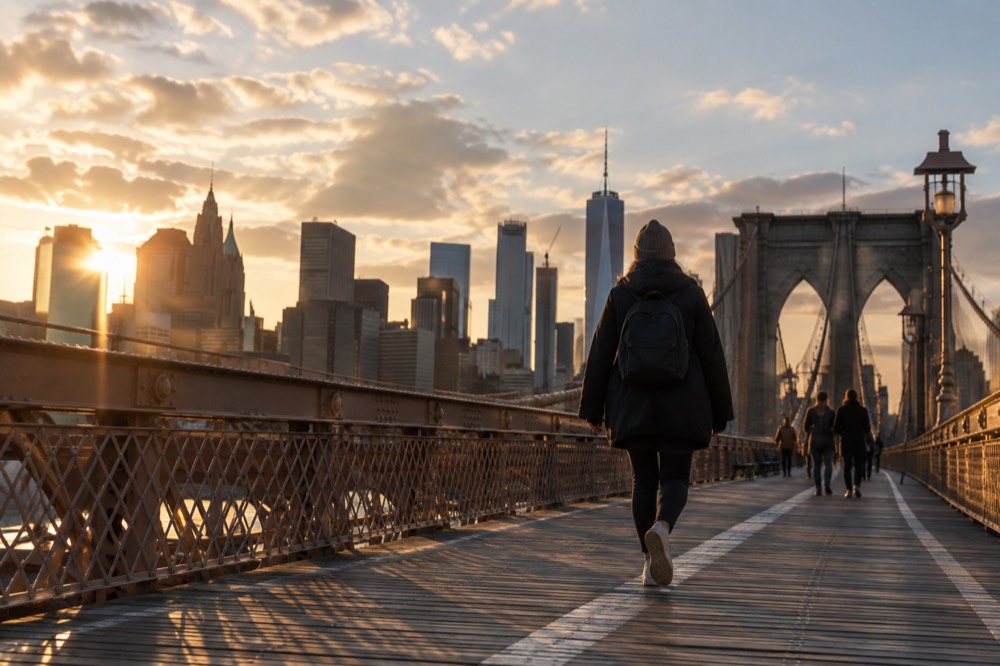
A well-shaped FiDi day runs south to north: the first ferry of the morning to Liberty and Ellis Islands from Battery Park, lunch back on Stone Street or from a deli, the 9/11 Memorial plaza in the mid-afternoon when the museum crowd thins, Wall Street and Federal Hall as the offices empty, then the observatory or the walk across the Brooklyn Bridge at golden hour.
The order matters, because the ferries are worst at midday and the memorial is best unhurried.
Start early, earlier than feels reasonable. The first ferry of the morning is the one with the shortest lines and the thinnest island crowds, and it buys you the whole afternoon. Bring water and wear shoes that can handle cobblestones, because FiDi punishes flimsy soles on its oldest lanes.
After the islands, resist the urge to slot the memorial in immediately. Have lunch first, on Stone Street or from a deli on William Street, then walk the memorial plaza when the midday tour groups have moved on. The pools reward stillness, and stillness is easier to find at 3pm than at 11am.
Late afternoon belongs to Wall Street and Federal Hall, which take an hour together at a relaxed pace, and then you have a genuine choice. One World Observatory sits right there, with timed entry and the tallest deck in the Western Hemisphere. Or you walk the Brooklyn Bridge promenade toward the sunset side, turn through Dumbo for the famous Washington Street view of the Manhattan Bridge, and ride the F or the A back. Either ending works; doing both in one day works less well than it sounds.
If the day is a Sunday, the calculus shifts: the office-lunch scene is gone, but the streets are calmer, the ferries are busier with leisure travelers, and the free walks on GuruWalk, including the Financial District route covering Wall Street, the Stock Exchange and the 9/11 Memorial, run on a tip basis with a reservation made through the listing.
Is the Financial District Worth It Compared to Other NYC Neighborhoods?
Yes, for the right traveler. No other neighborhood puts the 9/11 Memorial, the official Liberty Island ferry, the Brooklyn Bridge, Wall Street and a major observatory within a twenty-minute walk, and weekend hotel rates reward anyone who bases here. But FiDi trades evening energy for that density, so a visitor who wants dinners, bars and street life after dark should sleep elsewhere and visit FiDi by day.
The comparison that matters most is with Midtown. Midtown wins on theaters, Times Square, restaurant volume and transit to everywhere, and it stays loud until midnight. FiDi wins on sightseeing density, morning access to the ferries, hotel value on weekends, and the simple pleasure of walking everywhere. A split stay, two or three nights in each, is a genuinely good answer for a week-long first trip.
Against downtown rivals, the picture is more even. Tribeca has better restaurants and quieter streets but far fewer sights. The Lower East Side has the nightlife FiDi lacks and none of the landmarks. Battery Park City, immediately west, is greener and calmer with the same harbor views, and worth a stroll along the esplanade even if you never sleep there.
The honest summary is that FiDi is a daytime district with a growing residential layer, and the visitor who plans around that, sightseeing by day, dinner elsewhere by night, gets the best of it without paying for the parts it does not have.
Common Questions About the Financial District in NYC
The questions visitors ask most about FiDi are practical ones: whether the 9/11 Memorial is free, which ferry actually lands on Liberty Island, whether the neighborhood is safe and alive at night, and how the free GuruWalk tours work. The short answers: the memorial plaza is free, the museum is $36, only Statue City Cruises lands on the islands, the district is quiet rather than dangerous after dark, and the free walks are tip-based with a reservation.
Is the 9/11 Memorial free to visit?
Yes. The outdoor memorial plaza with its two reflecting pools is free and open daily from 8am to 8pm, with no ticket of any kind. The museum beneath the plaza is separate and charges $36 for adults, with timed entry recommended to skip the Fulton Street lines.
Which ferry actually lands on Liberty Island?
Only Statue City Cruises, the operator authorized by the National Park Service, docks at Liberty and Ellis Island. Other harbor cruises circle the islands without landing, and some charge more than the official ferry. If standing on Liberty Island is the goal, book through statuecitycruises.com or the Castle Clinton booth in Battery Park.
Is the Financial District safe at night?
The Financial District is quiet at night rather than dangerous. The office population leaves in the evening, so streets empty out and some businesses close early. Standard city precautions apply as anywhere in New York, but the neighborhood's nighttime issue is a thin dining and bar scene, not crime.
How do the free walking tours of the Financial District work?
The free walks listed on this site run on GuruWalk, a platform for tip-based tours by independent guides. You reserve a spot through the listing, walk with the guide, and pay what you think the tour was worth at the end. Note that several of the New York walks on the platform belong to a single operator, so the choice of free-walk companies is narrower than it looks.
Can you visit the New York Stock Exchange inside?
No. The New York Stock Exchange is closed to public tours, so the visit is an exterior one: the facade on Wall Street, the Charging Bull a few blocks away, and Fearless Girl facing it. A guided finance tour adds the mechanics and history that the sidewalk cannot.
How many days should you spend in the Financial District?
One full day covers the essentials: the islands by morning ferry, the memorial and museum in the afternoon, Wall Street and the bridge at golden hour. Two days let you add One World Observatory properly and cross to Brooklyn Heights and Dumbo without rushing. Staying longer works best if your hotel is here and you radiate out each day.