Macy's Thanksgiving Day Parade in New York: Route, Viewing Spots and Thanksgiving Week Planning
Thanksgiving morning in Manhattan belongs to one event. Here is how to watch the Macy's Thanksgiving Day Parade well, from picking a spot to riding the subway on the one morning a year Midtown fills before dawn.
Short answer
The Macy's Thanksgiving Day Parade runs on Thanksgiving morning along its Manhattan route, and the two decisions that shape your day are where you stand and how you get there. Arrive early, take the subway, dress for an average November high of 54F, and plan the rest of your weekend around the Christmas attractions that switch on the same week.
Thanksgiving morning is the one day a year when Midtown Manhattan fills with people before the sun is properly up. Families stake out patches of sidewalk in the dark, coffee in hand, waiting for the first giant balloon to round the corner. The Macy's Thanksgiving Day Parade is free, it needs no ticket, and it is watched in person by crowds that line the route several deep. The work is in the planning: where to stand, when to arrive, what to wear, and what to do with the other three days of a Thanksgiving weekend in New York.
This guide covers the practical side, with verified figures where figures exist. The weather data below comes from the official NOAA climate normals for Central Park, the transit fares come from the MTA, and the attraction prices come from the operators' own published rates. Where something changes year to year, like the exact route timing, the guide says so rather than guessing.
What Is the Macy's Thanksgiving Day Parade?
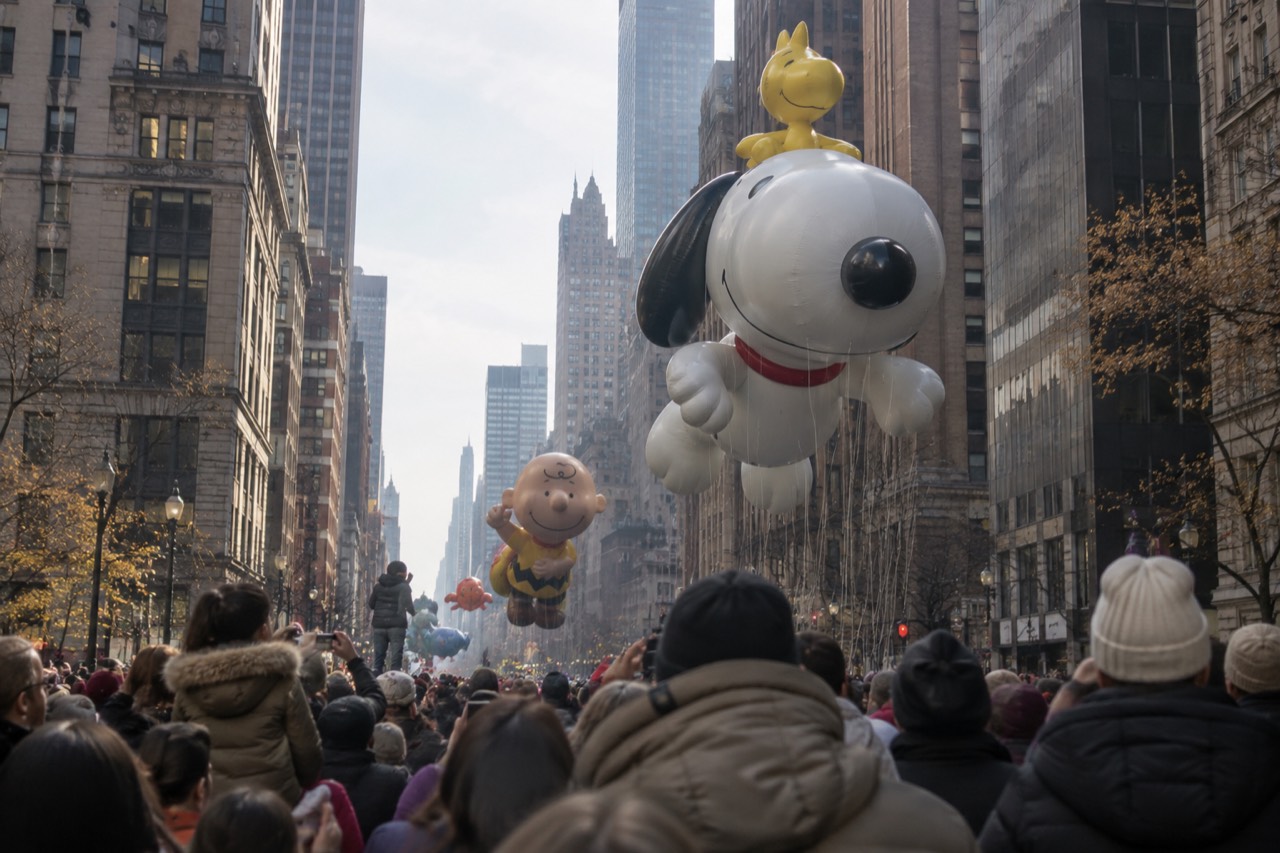
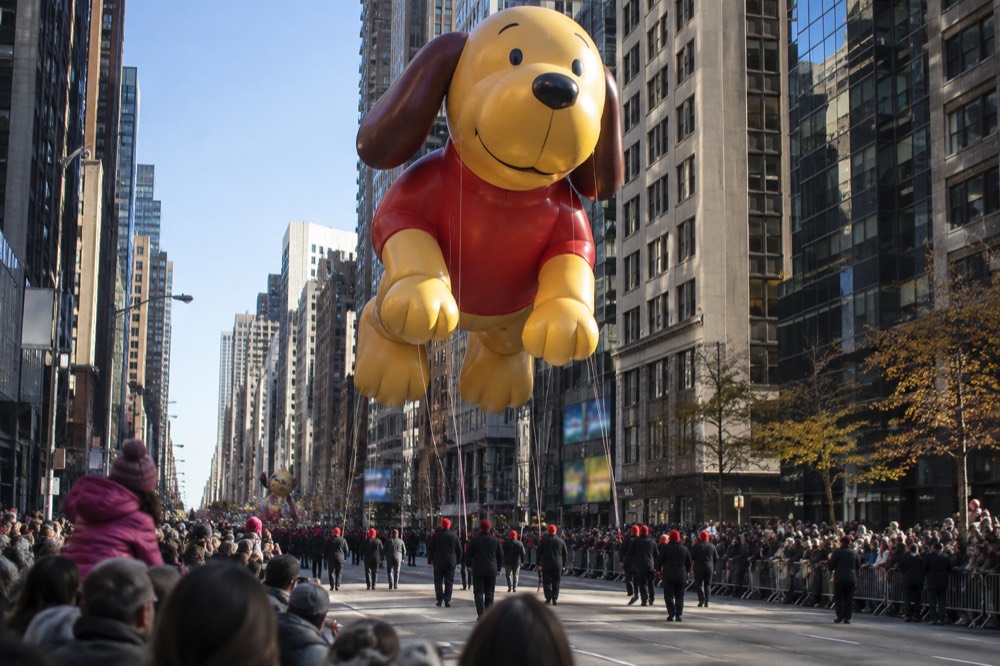
The Macy's Thanksgiving Day Parade is a free, unticketed morning parade held in Manhattan every Thanksgiving Day, famous for its giant character balloons, marching bands and floats, ending near Herald Square in front of the flagship Macy's store. Anyone can watch from the public sidewalks along the route, and the event also airs nationally on television, so watching in person is a choice about atmosphere rather than access.
The parade belongs to a specific moment in the city's calendar. It runs on Thanksgiving morning, which falls on the fourth Thursday of November, and it functions as the unofficial switch-on for the New York holiday season: the Rockefeller Center Christmas Tree follows within days, the holiday markets open, and the whole city tilts toward December. If your trip spans Thanksgiving week, you are arriving at the start of the most decorated month of the New York year.
For visitors, the practical framing matters more than the history. This is not a ticketed event with seats and gates. It is a public street spectacle, and your experience is decided almost entirely by crowd strategy: which stretch of the route you pick, how early you claim it, and how you plan your exit when the last float passes. The sections below work through those decisions in order.
It is also worth being honest about who the parade suits. Families with children tend to get the most from it, because the balloons are genuinely enormous and the atmosphere is festive rather than rowdy. Visitors who dislike crowds, or who cannot stand still in cold air for a couple of hours, may enjoy it more from a warm window or on television. Both are legitimate ways to experience it, and this guide treats watching from the sidewalk as one option rather than an obligation.
Where to Watch the Parade in New York
The parade route runs through Midtown Manhattan, and the best viewing depends on what you want: the residential stretches toward the start of the route are calmer and better for families, while the blocks closer to the end, near Herald Square, are busier, louder and where the televised performances happen. The single most important rule is to arrive early, because prime sidewalk fills hours before the first balloon appears.
Think of the route in three parts. The early stretches, along Central Park West, are wide, residential and comparatively relaxed, with apartment buildings rather than storefronts behind you. The middle of the route, as it turns downtown through Midtown, is where the crowds thicken and the corporate storefronts take over. The final blocks around Herald Square are the televised heart of the event, where floats stop and performers do their numbers for the cameras, and where the crush is at its worst.
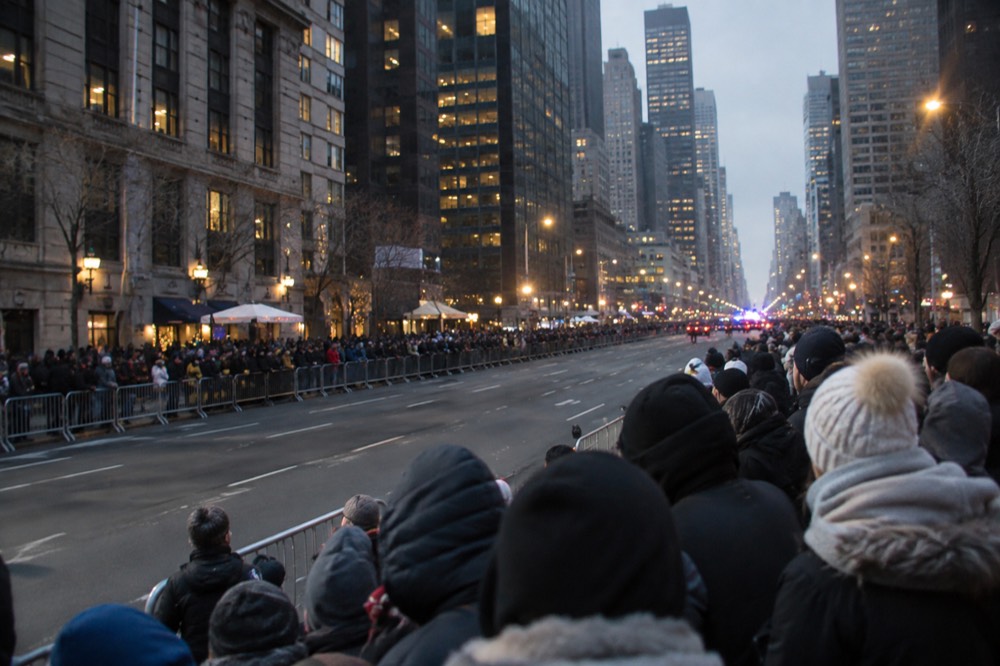
A few principles hold anywhere on the route. Claim a spot on the curb side, not behind rows of people, because a balloon at rooftop height is visible from deep in a crowd but a marching band at street level is not. Dress for standing still in cold air for a long time, which is a different problem from walking in cold air. Bring food and something warm to drink, because nearby delis and coffee shops are either mobbed or closed on Thanksgiving morning, and public restrooms along the route are scarce.
Timing is the question everyone gets wrong. The parade steps off in the morning and takes time to travel the length of the route, so the crowd at any given point builds well before the head of the parade arrives there. Serious spectators arrive before dawn for the best blocks. If your tolerance for pre-dawn sidewalk camping is low, the honest trade is simple: arrive later, accept a spot further from the front, or pick a calmer stretch of the route where the crowd is thinner. There is no trick that gets you a front-row spot at 9am on the busiest blocks.
One more planning note: the night before the parade, the balloon inflation event lets the public watch the giant balloons being inflated on the Upper West Side. It is a popular alternative for families who cannot face the Thanksgiving morning crush, and it has its own crowds and its own entry process, so check the current arrangements before you count on it.
Thanksgiving week is also when the city's seasonal tours start earning their keep. If you are building the holiday portion of your trip, this is the right week to check availability on the seasonal favourites, because December dates fill fast.
How to Get There on Thanksgiving Morning
The subway is the only sensible way to reach the parade route on Thanksgiving morning: a single ride costs $3.00, the MTA runs holiday service, and street traffic around Midtown is restricted and gridlocked for the parade. Tap a contactless card or phone with OMNY and the fare caps automatically at $35 in a rolling seven-day window, so a week of sightseeing never costs more than that in subway and local bus fares.
There is no pass to buy in advance any more, and that sentence deserves emphasis, because most New York guides still get it wrong. The MetroCard was retired: as of 1 January 2026 the MTA no longer sells or refills MetroCards, and the old 7-day unlimited pass no longer exists. The weekly value moved into OMNY, the MTA's tap-to-pay system, which applies the $35 cap automatically across subway and local bus rides when you use the same card or device every time. You do not buy anything, you just tap, and the system stops charging you once you hit the cap.
| Fare item | Price | Notes |
|---|---|---|
| Single subway or local bus ride | $3.00 | Tap with OMNY using a contactless card, phone or watch |
| OMNY weekly cap | $35 | Automatic, rolling 7-day window, same card or device required |
| Express bus | $7.25 | Not needed for the parade |
| Reduced fare (eligible seniors, disabled) | $1.50 | Subway and local bus, any time of day |
| Children under 44 inches | Free | Up to three children per fare-paying adult |
Two OMNY details matter for a parade morning. First, the cap only counts rides on the same physical card or device, so if you tap your phone in the morning and your partner's card in the afternoon, neither earns toward a cap. Second, each person needs their own card or device; you cannot share one card across a family and have everyone's rides count separately.
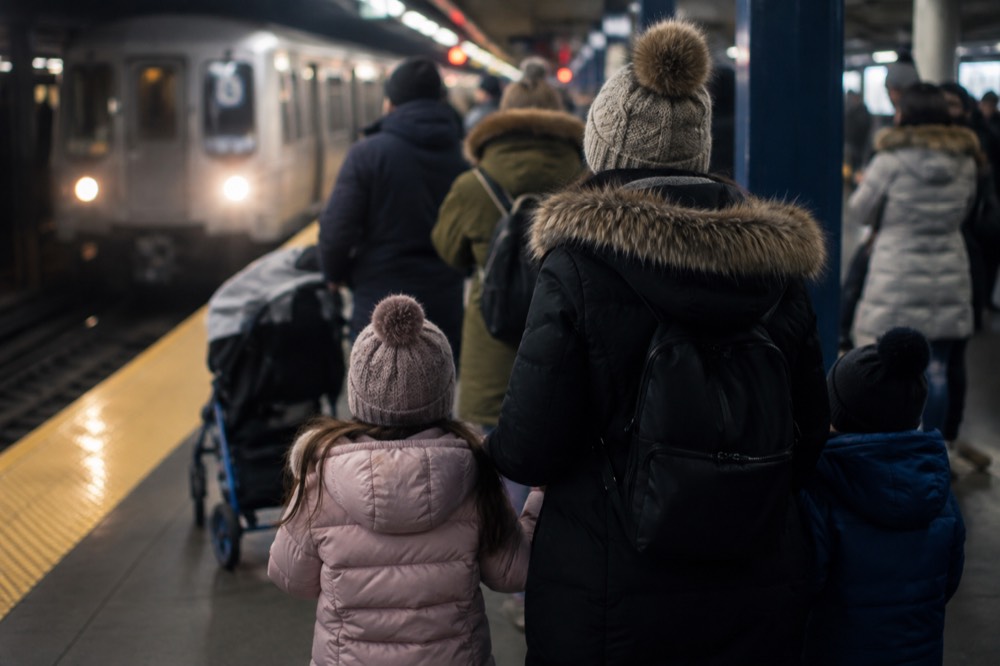
On the morning itself, the practical advice is straightforward. Pick a subway station a few blocks from your intended viewing spot rather than the station closest to the busiest blocks, because the closest stations exit into the thickest crowds and some entrances near the route are temporarily closed by the police for crowd control. Check the MTA's holiday service schedule before you travel, because Thanksgiving Day runs a modified schedule, and allow more time than a normal morning would take. Taxis and rideshares are a poor bet: streets on and around the route are closed to traffic, and what remains open moves at walking pace.
Walking is genuinely useful on parade day. Midtown's street grid is walkable, the parade route itself is a walking corridor once you are near it, and the fastest way to relocate along the route, or to escape it when you have had enough, is often on foot followed by a subway ride a few blocks away from the core.
If you are still sorting out how you will get around New York for the whole trip, the New York City subway guide covers the system in detail, and the OMNY guide explains the tap-and-cap system that replaced the MetroCard.
The same week that the parade runs, the holiday season opens properly, and the seasonal attractions begin their December rush. Booking ahead for the week of Thanksgiving itself is wise, because this is the week the city fills with visitors who came for exactly what you came for.
What the Weather Is Really Like in November
November in New York averages a high of 54F and a low of 42F in Central Park, with 3.58 inches of precipitation across the month and a small chance of snow, so parade morning is typically cold, dry-ish and layered-clothing weather rather than deep winter. Thanksgiving sits late in the month, so expect the colder end of those averages, and plan for standing still outdoors for hours, which feels colder than the number suggests.
These figures are the official NOAA 1991-2020 climate normals for Central Park, the standard reference dataset for New York weather, so they describe the month you will actually experience rather than a single year's luck.
| November in Central Park | Average |
|---|---|
| Average high | 54.0F |
| Average low | 42.0F |
| Precipitation | 3.58 in |
| Snowfall | 0.5 in |
The standing-still problem is the one to solve. Walking around Midtown at 45F is pleasant; standing on a curb for three hours at 45F with a wind funneling down the avenues is a different experience, and it is the one the parade actually asks of you. The standard local solution is layers: a warm coat, a hat and gloves, and footwear that keeps your feet warm and dry. Hand warmers are not a gimmick on parade morning.
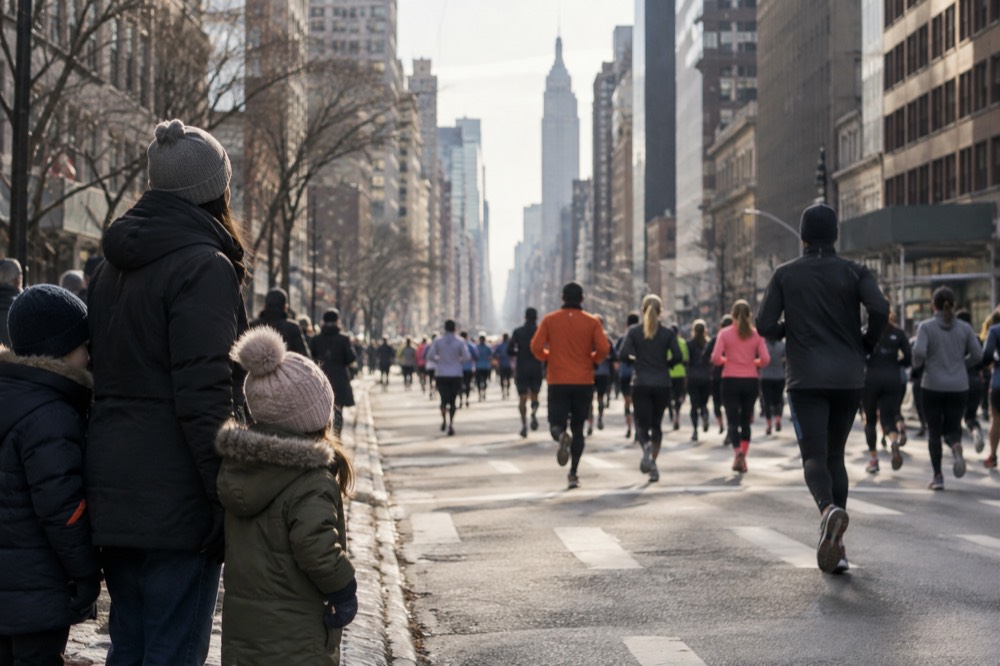
One counter-intuitive note from the same verified dataset: the idea that November is the rainy month to avoid is not supported by the numbers. November's 3.58 inches sits mid-table for the year, well below July's 4.60 inches, which is the actual wettest month in New York. And the snowiest month of the New York winter is February, at 10.1 inches against January's 8.8, so a Thanksgiving trip is not a snow gamble in the way many visitors assume. If you want the full month-by-month picture, the NYC weather by month guide has the complete table.
Sunset matters too. In late November New York gets dark early, in the late afternoon, so the parade's morning slot is actually the warm, bright part of the day. Plan indoor things for the afternoon and evening: a museum, a show, or a warm meal, and let the outdoor portion of your day happen before the light goes.
Thanksgiving Weekend in New York: What Else to Do
Thanksgiving weekend is the opening weekend of the New York holiday season, and the strongest complements to the parade are the Christmas attractions that switch on the same week: the Rockefeller Center tree, the holiday markets, the Fifth Avenue window displays, and seasonal events like the Dyker Heights Christmas lights in Brooklyn.
Museums run normal hours through the weekend, Broadway plays its regular schedule, and the Friday after Thanksgiving is one of the busiest shopping days of the year in Midtown.
The parade is one morning. The rest of the weekend rewards planning, because this is the week the whole city turns festive and the festive things book out.
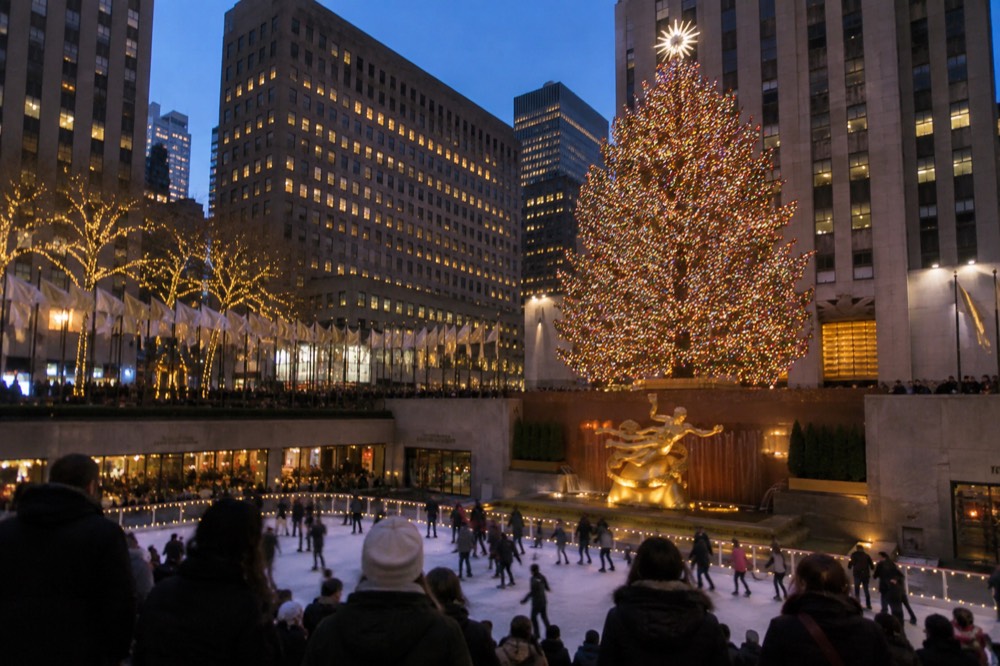
The Rockefeller Center Christmas Tree is the anchor. The tree arrives and is raised in early November, but the lighting ceremony happens in the days after Thanksgiving, and from then through the holidays the plaza is at its most crowded. Pair it with a visit to Rockefeller Center, and if you want the view from above, Top of the Rock is the deck that puts the tree and the plaza in the same frame as Central Park. The Christmas in NYC guide covers the full seasonal lineup, and the NYC Christmas markets guide maps the markets that open Thanksgiving week.
For the evening after the parade, two directions work well. Broadway runs its normal schedule around the holiday, and a musical is the classic Thanksgiving-night move because it is indoors, warm and pre-booked. MJ the Musical, which traces Michael Jackson's career through his own songbook, runs about two and a half hours in the Theater District and suits a big, polished night out; seats are assigned at booking, so picking your date early matters on a holiday weekend.
The other strong evening direction is Brooklyn. Dyker Heights, a residential corner of the borough most visitors never reach, goes famously all-in on Christmas lights every December, and a guided tour handles the long subway ride and the route so you spend the evening looking up rather than at a map. It is a family favourite, and it is seasonal in a way the Manhattan attractions are not.
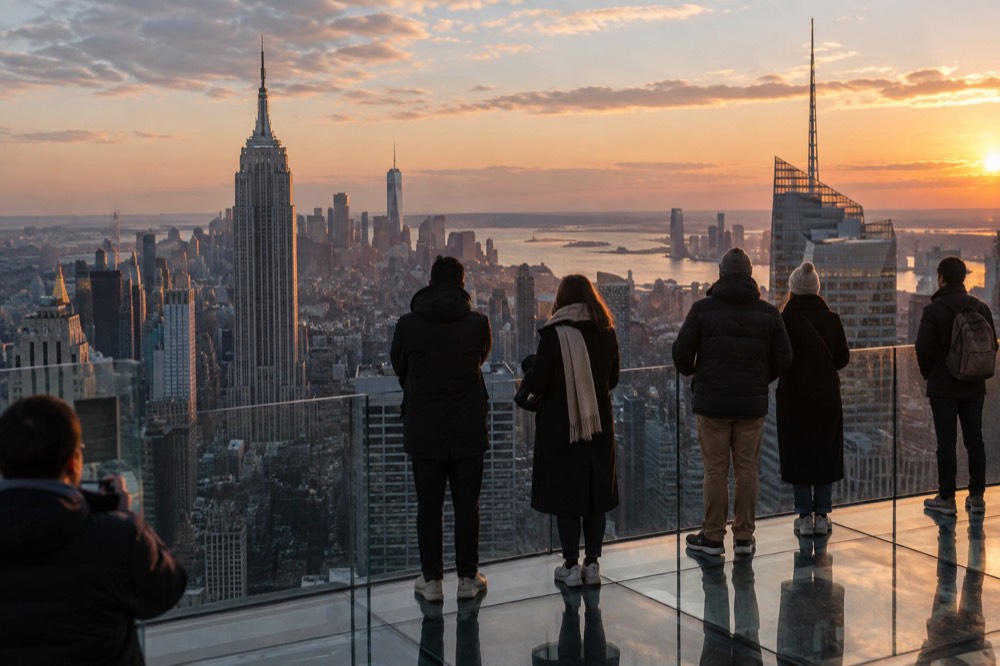
Daytime options depend on the weather. If the weekend is bright, an observation deck is the reward: SUMMIT One Vanderbilt sits next to Grand Central and plays with perception, with mirrored rooms and glass ledges that make it the most theatrical of the decks, and timed tickets keep the crowd flow moving. Book a slot and take the elevators up.
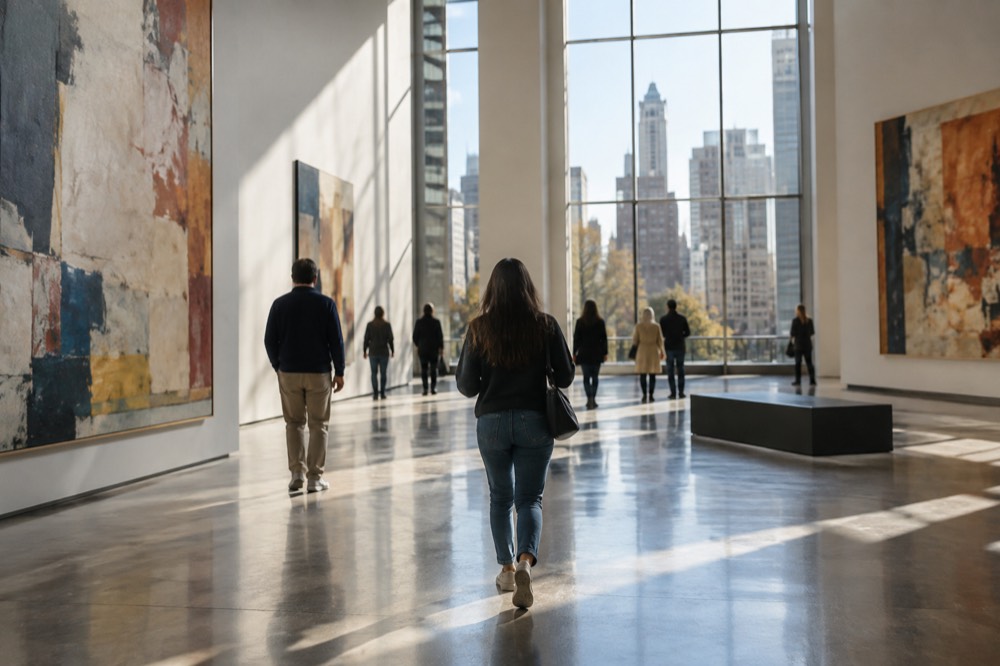
If the weekend is grey, the museum track is the honest answer. One Metropolitan Museum of Art ticket covers both the Fifth Avenue building and The Met Cloisters on the same day, which is a genuinely good deal most guides never mention, though note that the Met is closed on Thanksgiving Day itself. The Whitney is free on Friday evenings and on the second Sunday of each month, and the 9/11 Memorial & Museum releases free admission tickets each Monday morning, first come first served. The free museums guide lists the full set of free and pay-what-you-wish windows.
Eating on Thanksgiving itself deserves one warning: many restaurants close, and the ones that stay open often run fixed-price holiday menus that need reservations. Book before you fly, or plan on a hotel dining room, a Chinatown meal where many kitchens stay open, or a deli sandwich. The holiday is a real holiday for the city's restaurant workers, and the streets reflect that.
Is a City Pass Worth It Over Thanksgiving Week?
For a first-time visitor spending Thanksgiving week doing the classic circuit, the New York CityPASS is usually the best fit: $149 adult, $129 child, it covers your choice of 5 attractions from an 11-attraction menu over 9 consecutive days, and the menu includes exactly the sights a parade trip pairs with, from the Empire State Building to the Statue of Liberty ferry. It only pays off if you genuinely use all five tickets.
The pass maths is simple and worth doing honestly. CityPASS's own published comparison prices the five-attraction set at $307.04 bought individually, against the $149 pass, a claimed 51% saving. That comparison only works if you would have bought those five tickets anyway, so count your planned stops before buying.
| Attraction (CityPASS menu) | Published box-office adult price |
|---|---|
| Empire State Building Observation Deck (AM/PM Experience) | $75.12 |
| Top of the Rock Observation Deck | $71.86 |
| Edge Observation Deck & Immersive Experience | $62.06 |
| 9/11 Memorial & Museum | $36.00 |
| Statue of Liberty Grounds and Ellis Island (official ferry) | $26.00 |
| American Museum of Natural History | $43.00 |
| Circle Line Sightseeing Cruises (one cruise) | $55.00 |
| Intrepid Museum | $38.00 |
| Guggenheim Museum | $30.00 |
| Whitney Museum of American Art | $30.00 |
Two alternatives suit different plans. The Explorer-style pass, from $89, lets you choose a number of visits from a large menu and spend them over 30 days from your first attraction, which suits travelers whose Thanksgiving plans are loose. The all-inclusive pass, from $169, gives unlimited entry across a large attraction list on consecutive days, which only wins if you are stacking several sights a day. If your week is parade, tree, one museum and one deck, none of the passes beat buying direct. The full comparison, including which pass fits which itinerary, is in the New York CityPASS guide.
One relevant note for this specific week: the observation decks are at their busiest between Thanksgiving and New Year, and all of the major ones use timed entry. Whatever you buy, reserve your slots as soon as your dates are fixed, because walk-up availability in the holiday weeks is thin.
The same booking logic applies to the Statue of Liberty, which pairs naturally with a Thanksgiving-week itinerary. The official ferry, the only operator authorized to land on Liberty Island and Ellis Island, charges $26.00 for an adult grounds ticket covering both islands and both museums, and the crown tickets, which cost just thirty cents more, sell out months ahead because supply is tiny. If the statue is on your list for this trip, book the ferry before you fly, and be aware that lookalike harbor cruises circle the islands without ever landing. The details are in the Statue of Liberty tickets guide.
Common Questions About the Macy's Thanksgiving Day Parade
The questions visitors ask most are about cost, timing and logistics: the parade is free and unticketed, it runs on Thanksgiving morning along a Midtown route, the best spots require arriving hours early, the subway is the only realistic way in, and the night-before balloon inflation offers a calmer alternative for families.
Weather is reliably cold but rarely extreme, and the rest of Thanksgiving week is the opening week of the New York holiday season, which is exactly why the city feels full. The answers below cover each of these in the practical terms a planner needs.
Is the Macy's Thanksgiving Day Parade free to watch?
Yes. The parade is a public street event with no tickets, no gates and no fee. Anyone can claim a spot on the public sidewalk along the route. The only costs are your own: getting there, staying warm, and eating while you wait. Some private viewing options, like hotel rooms and restaurant windows overlooking the route, exist, but the parade itself is free.
How early should I arrive to get a good spot?
For the best blocks near the front of the crowd, spectators arrive before dawn, hours ahead of the parade. If that is not realistic for your family, the honest trade is a calmer stretch of the route and a later arrival, accepting that you will stand further back. A balloon at rooftop height is visible from deep in a crowd; a marching band at street level is not, which is why the curb matters.
Can I watch the balloons being inflated instead?
Yes, the night before Thanksgiving the balloon inflation event on the Upper West Side lets the public watch the giant balloons take shape. It has its own crowds and its own entry process, which change year to year, so check the current arrangements before you plan around it. Many families prefer it to the morning crush because it is indoors-adjacent, walkable and ends at a reasonable hour.
What should I wear on parade morning?
Dress for standing still outdoors in cold air for several hours, which is harder than walking in the same temperature. Late November in Central Park averages a high of 54F and a low of 42F, and Thanksgiving sits at the colder end of the month. Layers, a warm coat, a hat, gloves, warm socks and waterproof footwear are the standard kit, and hand warmers are worth packing.
How do I get to the parade route?
Take the subway. A single ride costs $3.00 with OMNY tap-to-pay, and if you are in New York for the week, the $35 rolling seven-day fare cap applies automatically with no pass to buy. Street traffic around the route is closed or gridlocked, so taxis and cars are a poor bet. Pick a station a few blocks from your viewing spot, since the closest stations feed into the thickest crowds and some entrances close for crowd control.
Is Thanksgiving week a good time to visit New York overall?
For the holiday atmosphere, it is one of the best weeks of the year: the parade, the Rockefeller Center tree lighting, the holiday markets and the store windows all arrive together. It is also one of the busiest weeks, so everything bookable, from Broadway seats to ferry tickets to observation deck slots, needs reserving well ahead. The crowds are the price of the season, and the payoff is real.
If you are stretching the trip past the weekend, the seasonal calendar keeps going: the lights of Dyker Heights run through December, the holiday markets stay open until the new year, and the city's observation decks switch to their winter evening hours. The parade is the opening number, not the whole show, and the visitors who enjoy Thanksgiving week most are the ones who booked the rest of it before they landed. Start with the parade plan, then lock in the evenings, and let the New York City Travel Guide handle the rest of the itinerary.