7 Days in New York: A Realistic Week-Long Itinerary
Seven days is the first trip length where New York stops being a checklist and starts being a city. This plan spreads the heavy hitters across a realistic week, with verified prices, subway logic and room to breathe.
Short answer
Seven days in New York is enough for Lower Manhattan, the Statue of Liberty, three observation decks' worth of views, the major museums, Central Park, Brooklyn and Harlem without rushing. Plan two anchors per day, buy nothing in advance except timed tickets and the Statue ferry, and tap the same card on the subway so the $35 weekly OMNY cap applies automatically.
Seven days in New York is the trip length most first-time visitors get wrong in one of two directions. Either they cram fifteen landmarks into four days and spend the rest of the week recovering, or they book nothing in advance, arrive at the Statue of Liberty ferry at noon on a Saturday and lose half a day to a queue. The week itself is generous. New York rewards it when you pace it like a city you live in for seven days, not a list you defeat.
This itinerary assumes you are staying in Manhattan, walking a lot, and using the subway rather than taxis. Every price below is verified against official sources. Where a price moves with the date, the article says so instead of pretending it is fixed.
How Should You Pace 7 Days in New York?
Plan two anchors per day, one morning and one afternoon, and leave evenings loose except for anything booked. Seven days covers Lower Manhattan, the harbor islands, Midtown's decks and museums, Central Park, Brooklyn and Harlem at a walkable pace. The biggest scheduling rule is geographic: keep each day inside one part of the city, because a cross-town crossing mid-day costs an hour and your feet.
Book only three things ahead: the Statue ferry, a deck slot, and Broadway seats.
The shape of the week looks like this:
| Day | Base neighborhood | Morning anchor | Afternoon anchor |
|---|---|---|---|
| 1 | Lower Manhattan | Financial District and Wall Street walk | 9/11 Memorial and Museum |
| 2 | Battery Park / harbor | Statue of Liberty and Ellis Island ferry | Brooklyn Bridge walk into Dumbo |
| 3 | Midtown | SUMMIT One Vanderbilt or Top of the Rock | MoMA and Rockefeller Center |
| 4 | Midtown / Theater District | Empire State Building and its museum | Bryant Park, NYPL, Broadway show |
| 5 | Upper East / Upper West | The Met Fifth Avenue | Central Park walk south |
| 6 | Brooklyn | Brooklyn Heights and Dumbo | Williamsburg |
| 7 | Harlem or flexible | Harlem gospel or jazz morning | Chelsea Market and the High Line |
Two notes on that table. The 9/11 Memorial and Museum sits at the site of a mass killing; treat it as a place for a quiet, unhurried visit rather than a slot to squeeze between shopping stops. And Day 7 is deliberately flexible, because by the seventh day you will have met something on this list you want more of.
For the wider menu of options, the site's master list of things to do in NYC is the page to browse before you lock anything.
Days 1 and 2: Lower Manhattan and the Harbor
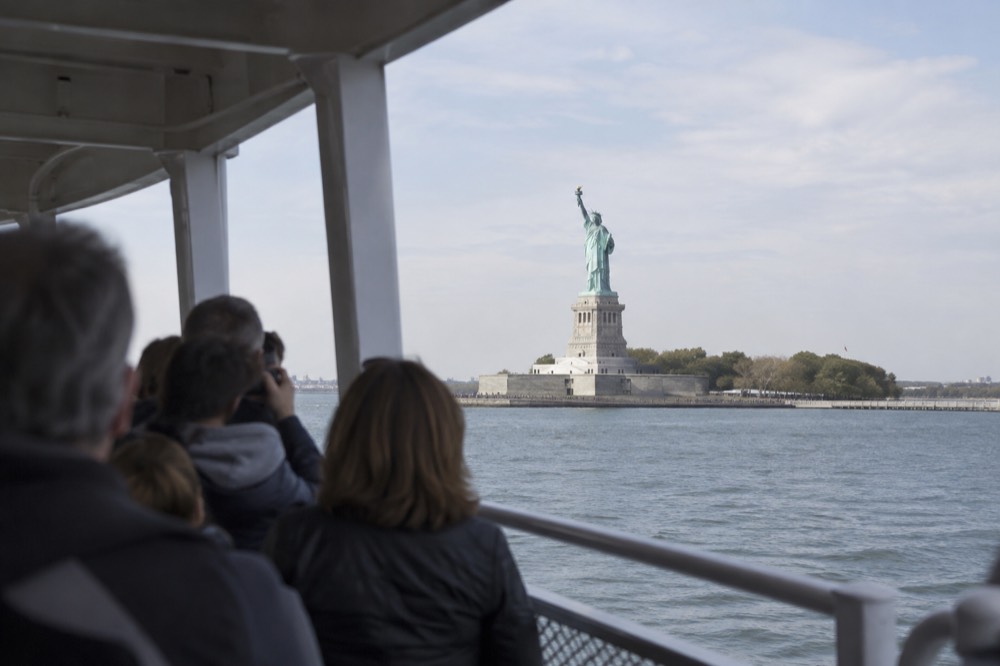
Start the week downtown, where the city's oldest streets and newest towers sit within ten minutes' walk of each other. Day 1 belongs to the Financial District and the 9/11 Memorial and Museum. Day 2 is the harbor: the official ferry to Liberty Island and Ellis Island, $26.00 for an adult including both islands and both museums, followed by a walk across the Brooklyn Bridge into Dumbo at sunset.
Take the ferry in the morning; queues build through the day.
Statue City Cruises is the only ferry operator authorized by the National Park Service to land at Liberty Island and Ellis Island. Adult admission is $26.00, children 4-12 pay $17.00, seniors $23.00, and under-4s ride free. Every ticket includes the round-trip ferry, both islands, the Statue of Liberty Museum, the Ellis Island National Museum of Immigration and self-guided audio tours on both islands. The detail most guides miss: the crown ticket costs $26.30, thirty cents more than the grounds ticket. The barrier to the crown is not money, it is availability. Crown tickets sell out around 90 days and often several months ahead, are limited to four per household, are name-bearing and require photo ID. If the crown matters to you, book it the day your dates are fixed.
A warning worth printing plainly: numerous lookalike cruise operators sell boat trips that circle the islands and never land. Some charge more than the real ferry. A visitor who buys one of those cannot set foot on Liberty Island. If the words on the ticket do not say grounds access, it is not a landing ticket. The Statue of Liberty tickets guide breaks down every tier in detail.
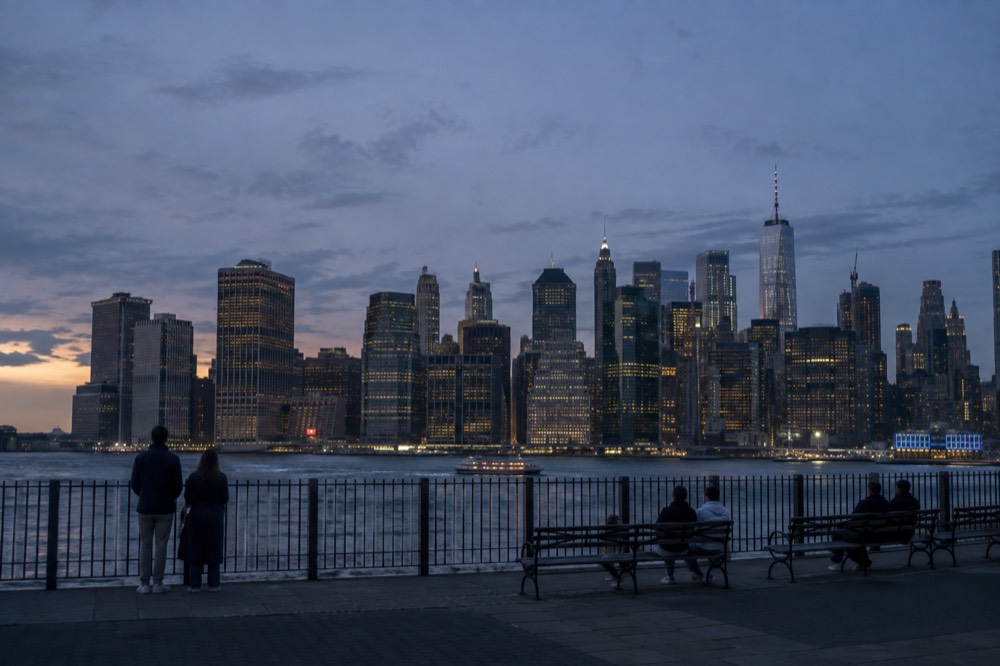
Day 1's downtown walk needs no tickets at all. Wall Street, Federal Hall, the old colonial lanes and the harbor front are all public space, and the free Financial District walking tours on GuruWalk cover the same ground with a guide who works for tips. Day 2 ends with the Brooklyn Bridge, which is free to cross on foot and best walked toward Brooklyn in the late afternoon so the skyline is behind you. The Brooklyn Bridge guide covers the approach ramps and the photo spots.
Days 3 and 4: Midtown's Decks, Museums and Broadway
Midtown takes two days because it holds more per square block than anywhere else in the city. Day 3 pairs an observation deck with MoMA; Day 4 pairs the Empire State Building with a Broadway evening. Ticket strategy matters most here: the decks use dynamic timed pricing, so a from-price is a starting point, not a promise.
Book deck slots online, in advance, for the time of day you want, because sunset slots sell out first and cost the most.
The deck comparison, with verified starting prices:
| Deck | Adult price starts from | What it is best at | Hours shape |
|---|---|---|---|
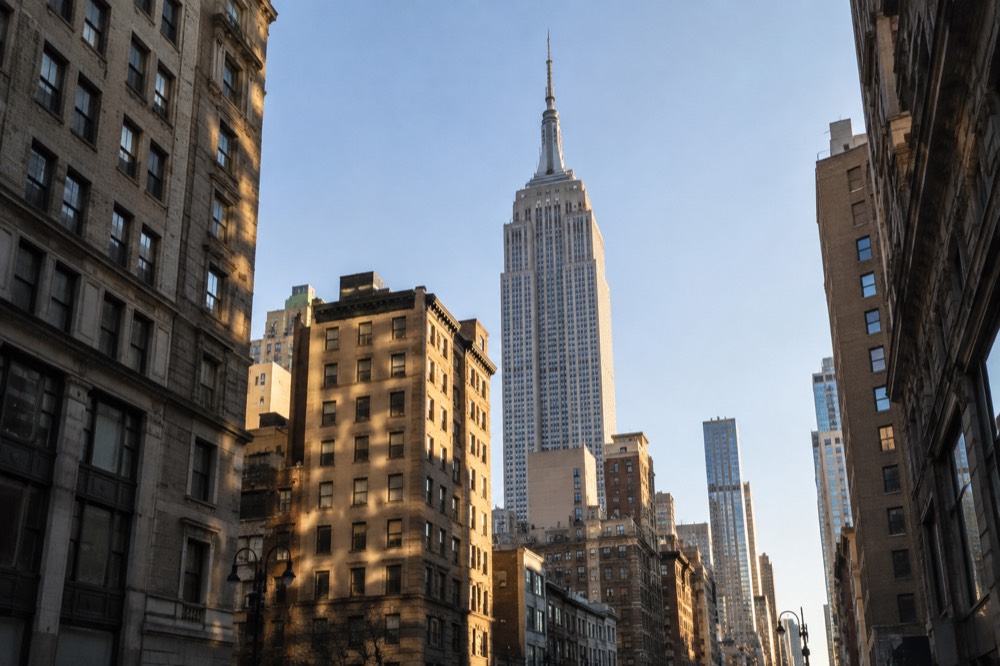
| Empire State Building (86th floor) | $44 plus a $5 booking charge per transaction | The classic open-air deck, plus a museum and same-night re-entry on the AM/PM ticket | Open 365 days, evening entry |
| Top of the Rock | $42 | The only deck with the Empire State Building itself in the frame, plus Central Park | Daily, late closing |
| SUMMIT One Vanderbilt | $44 (13+), plus $3 processing per order | Mirror rooms and glass ledges, the most theatrical deck | Daily, late closing |
| Edge at Hudson Yards | $34-$45 plus $2 per ticket | Glass floor and outdoor skywalk, the newest deck | Roughly 09:00-22:00, check edgenyc.com |
| One World Observatory | $39-$44 plus $3.50 processing | The tallest deck, downtown, pairs with the 9/11 Memorial | Opens at 12:00 on September 11 |
The honest advice for a seven-day trip: you do not need three decks. Pick one Midtown deck for the skyline and, if you are downtown on Day 1 anyway, consider One World Observatory for the harbor view. SUMMIT One Vanderbilt is the pick if you want photographs; Top of the Rock is the pick if you want the Empire State Building in your photo.
MoMA sits in Midtown within walking distance of Rockefeller Center, which makes it the natural Day 3 pairing. Adult admission is $30, seniors $22, students $17, and visitors 16 and under enter free. The free Friday-evening window, 17:30-20:30, is for New York State residents only and requires proof of residency, so out-of-state visitors should not plan around it. The MoMA tickets guide covers current exhibitions and timing.
Day 4's Broadway evening deserves a paragraph on price. The TKTS booths, at Times Square and Lincoln Center only, sell same-day tickets at 20-50% off face value plus an $8-per-ticket service fee. There is no downtown booth, despite what older guides say. Digital lotteries through Broadway Direct and Lucky Seat typically land winning tickets in the $30-$50 range, and rush and standing-room policies are set per show. For a fixed-date trip, booking a known title ahead beats gambling on the booth.
Day 5: The Met and Central Park
Day 5 is the museum day, anchored at the Metropolitan Museum of Art. Adult admission is $30, fixed and mandatory for out-of-state visitors; pay-what-you-wish applies only to New York State residents and NY, NJ and CT students, and even then you must pay something. One ticket covers both the Fifth Avenue museum and The Met Cloisters on the same day.
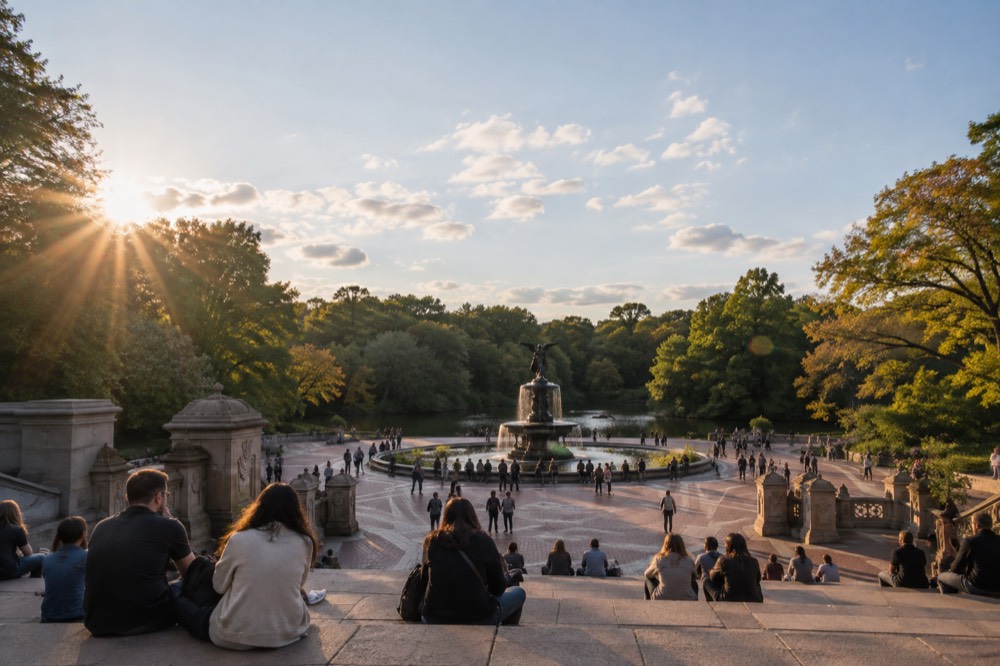
Afterward, walk south through Central Park to Bethesda Terrace and the Mall, both free, both flat.
The Met is the most commonly botched fact in New York travel writing, so it is worth being exact. Admission is $30 adults, $22 seniors, $17 students, free for children 12 and under. Pay-what-you-wish, with a one-cent minimum, requires proof: a New York State ID, IDNYC, a NY-address bill, a student ID or a New York library card. New Jersey and Connecticut students must buy in person with valid student ID. The museum is closed Wednesdays, Thanksgiving, 25 December, 1 January and the first Monday in May.
One thing to check before you go: the Met currently has substantial gallery closures, including parts of the American Wing, Asian Art, European Paintings 1250-1800, the Costume Institute, the Cantor Roof Garden and much of Modern and Contemporary Art. The Met's own gallery-closures page lists what is open before you plan a visit around a specific wing.
After the museum, Central Park does the rest of the day. Bethesda Terrace, Bow Bridge and the Mall are the classic string, and the park's paths are flat and easy. If you would rather have a guide handle the navigation, the paid Central Park walking tours on this site run about two hours, and the free tip-based nature walks on GuruWalk cover the quieter corners like the Ramble.
Day 6: Brooklyn
Day 6 crosses the East River and stays there. Brooklyn Heights and the promenade give you the skyline view Manhattan cannot give you, Dumbo gives you the Washington Street photo of the Manhattan Bridge, and Williamsburg gives you the version of Brooklyn people actually live in. None of Day 6 needs a ticket. The subway fare is $3.00 each way, and the F train to York Street or the 2 or 3 to Clark Street covers the whole route.
The walking order that works: start at Brooklyn Heights for the promenade view, drop down into Dumbo for the cobblestone streets and the waterfront, then take the subway or the walk north to Williamsburg for lunch and browsing. A guided option exists if you would rather not route it yourself: the Brooklyn Bridge and Dumbo walking tour on this site runs two hours with a guide who covers the bridge's 19th-century engineering and ends near the subway back to Manhattan.
Williamsburg rewards the second half of the day. The Hasidic quarter and its historic synagogues sit a few blocks from record shops and bakeries, and the free tip-based Williamsburg walks on GuruWalk trace that contrast with a local guide. Pay what you think the walk was worth at the end.
If Day 6 falls on a winter weekend instead, swap the whole day for the Dyker Heights Christmas lights in December, when the Brooklyn blocks go all out; the guided bus tour on this site handles the subway ride and the route.
Day 7: Harlem, Chelsea and the High Line
Day 7 splits deliberately: a Harlem morning and a Chelsea afternoon, connected by one subway ride up the west side. Harlem's gospel and jazz heritage is the reason to go uptown, and Wednesday's gospel concert or a Sunday morning service are the classic slots. Chelsea Market and the High Line close the week at a walkable pace, and the High Line is free to walk its entire length.
If the week has worn you down, drop Harlem and keep the afternoon.
Harlem options, honestly framed:
| Option | What it is | Cost shape |
|---|---|---|
| Wednesday gospel concert | A one-hour midweek concert built on Harlem's choir tradition | From $25, book ahead, the room fills |
| Soul of Harlem walking tour | A guided walk covering the Apollo and the Harlem Renaissance blocks | 2.5 hours with a guide |
| Free Harlem Renaissance walk | Tip-based walk on GuruWalk covering the jazz and literary landmarks | Free, pay the guide what you choose |
| Harlem jazz tour | An evening tracing Harlem's jazz venues with live performance at the end | 4 hours, dress for walking between stops |
The Chelsea half of the day needs no tickets and no bookings. Chelsea Market's stalls are worth the crowds, and the High Line's elevated path runs from Hudson Yards down toward the Whitney Museum of American Art, which sits right at its southern end. The Whitney is $30 for adults, free every day for anyone 25 and under, and free for everyone on Friday nights from 17:00 to 22:00 and all day on the second Sunday of each month, both subject to capacity.
What Does 7 Days in New York Cost?
A seven-day budget, excluding flights and accommodation, comes down to three lines: attraction tickets, subway fares and food. The subway costs at most $35 for the week thanks to the automatic OMNY cap, tickets are priced from the verified figures in the table below, and food scales with how many sit-down dinners you add. The biggest lever is the ticket budget, and a pass can cut it sharply if your list matches the bundle.
The per-person math, priced from verified figures:
| Item | Cost | Notes |
|---|---|---|
| Subway, 7 days | $35 | The weekly OMNY cap, applied automatically, same card every tap |
| Statue ferry, both islands | $26.00 | Official ferry, includes both museums and audio tours |
| One observation deck | $42-$44 from | Dynamic pricing, sunset costs more |
| The Met | $30 | Fixed for out-of-state visitors |
| MoMA | $30 | 16 and under free |
| 9/11 Memorial and Museum | $36 | Free Mondays, tickets released 07:00 ET, first come first served |
| Broadway ticket | $30-$200+ | Lottery from $30-$50, TKTS 20-50% off, full price for hits |
| Food, 7 days | Scales with choices | Deli breakfasts and pizza slices at the bottom, one nice dinner pushes it up |
The 9/11 Memorial plaza itself, the outdoor pools, is free and needs no ticket, daily 08:00-20:00. The museum beneath it is the $36 timed ticket, with free admission Mondays when tickets are released on the website each Monday at 07:00 ET.
On passes: New York CityPASS costs $149.00 for adults and covers your choice of 5 attractions from an 11-attraction list over 9 consecutive days, which fits a seven-day trip almost exactly. CityPASS's own maths puts the combined box-office value of a full five-attraction selection at $307.04, a claimed saving of $158.04. The catch is honest and simple: the pass pays off only if you use all five tickets. The Go City Explorer pass, from $89, lets you choose as you go over 30 days, which suits looser plans. One competitor, The Sightseeing Pass, ceased trading in 2025; any guide still recommending it is out of date.
How Do You Get Around During a Week in New York?
Tap a contactless card or phone on the subway and do nothing else: the fare is $3.00 per ride, and once you have spent $35 on subway and local bus rides within a rolling seven-day window, every further ride that week is free. The one rule that breaks the cap silently is mixing payment methods, so tap the same card or device every single time.
There is no 7-day unlimited MetroCard any more; the MTA stopped selling and refilling MetroCards on 1 January 2026.
That last fact is the single most out-of-date piece of advice still circulating in New York guides. "Buy a 7-day unlimited when you land" now points at a product that does not exist. The $35 OMNY weekly cap replaced it, and unlike the old pass it needs no purchase and no decision: your first tap starts the rolling seven-day window, and the cap resets with your next tap after it closes. Children under 44 inches ride free with a fare-paying adult, up to three per adult.
Airport arrivals fit the same system. From JFK, the subway plus AirTrain costs $11.75 end to end, because the AirTrain adds $8.75 on top of the $3.00 fare. From LaGuardia, the Q70 LaGuardia Link bus is free, so the whole run to Midtown costs a single $3.00 subway fare, the cheapest airport transfer in the city. From Newark, the NJ Transit train plus AirTrain is $16.80 from Penn Station, with a current service change: weekday shuttle buses replace the AirTrain between the terminals and the rail station from 05:00 to 15:00, so allow extra time on a weekday morning. The NYC subway guide covers lines, transfers and etiquette in depth.
With the week's transport and tickets settled, the three products below are the ones this itinerary actually leans on: a pass for the heavy hitters, a deck slot for the skyline, and the official ferry for the harbor.
Common Questions About 7 Days in New York
Seven days is enough for a first New York trip that includes the harbor islands, two or three observation decks, the major museums, Central Park, Brooklyn and Harlem, without the checklist panic of a shorter visit. The questions below cover the judgement calls: how many days to give Manhattan versus the outer boroughs, what to book ahead, whether a pass pays off, and what to do when the weather turns.
Is 7 days in New York too long?
No. Seven days is the first length where the trip stops being a race. You can cover Lower Manhattan, the harbor, Midtown, the museums, Central Park, Brooklyn and Harlem at two anchors per day and still leave room for revisits. Trips shorter than five days force cuts; a week does not.
Is 7 days in New York enough?
Yes, for a first visit. It is not enough to "do everything," which no length is, but it covers every headline attraction plus two boroughs beyond Manhattan. Travelers with specific interests, deep museum-goers or food travelers, could happily spend the whole week inside their niche.
What should I book in advance for 7 days in New York?
Three things, and only three: the Statue of Liberty ferry, and the crown ticket months ahead if you want it; observation deck time slots, especially sunset; and Broadway seats for a specific show on a specific night. Everything else can be decided day by day.
Do I need a city pass for a week in New York?
Probably, if your list matches the bundle. CityPASS at $149 adult covers 5 attractions over 9 days, and a seven-day trip using all five saves real money against the $307.04 combined box-office value. If your plans are loose, the Go City Explorer pass from $89 lets you choose as you go. If you plan two paid attractions total, skip every pass.
What do I do in New York when it rains?
Swap the outdoor day, not the whole plan. The museums, MoMA, the Met, the Whitney, the Tenement Museum, absorb a wet afternoon, and the Chelsea Market half of the Chelsea and High Line food tour is indoors. The subway keeps running; the observation decks are glassed or partly covered. July is statistically the wettest month in Central Park at 4.60 inches of precipitation, so summer visitors should expect at least one washout.
Should I visit other boroughs or stay in Manhattan?
Give Brooklyn a full day, Day 6 in this plan, and Harlem a morning. That leaves Queens, the Bronx and Staten Island for a second trip, though the free Staten Island Ferry makes a cheap half-excursion if you want the harbor view without the ferry ticket. Treating Manhattan as the whole city is the mark of a guide written from a distance; it is one borough of five.
The last word goes to pacing. The itineraries on this site, from 1 day in NYC through this seven-day plan, all share one principle: two anchors a day, one neighborhood at a time, and a ticket budget you have actually checked. Book the ferry, book one deck, pick a Broadway night, and let the rest of the week happen at street level. That is what seven days in New York is for, and this New York City Travel Guide exists to keep every number in that plan honest.